

 プレビュー
プレビュー
 シェアする
シェアする シェアする
シェアする
 詳細を見る
詳細を見る

 ダウンロード
 似ている作品
 X線調査
X線調査 スライドショー
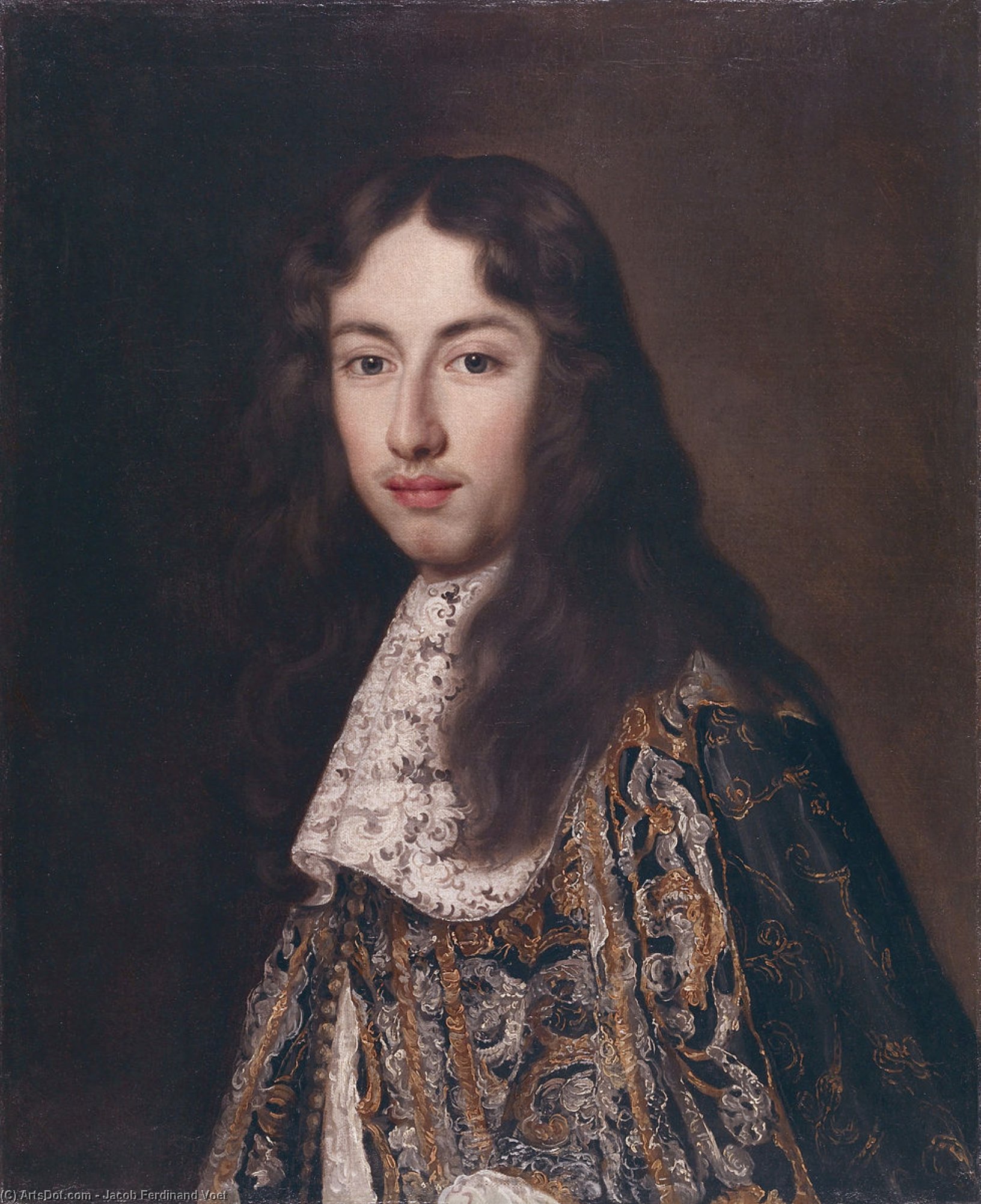
Portrait of Livio Odescalchi
 詳細を見る
詳細を見る
ジークレー/アートプリント
迅速な制作と多彩な仕上げオプションを備えた、ミュージアムクオリティのジークレーまたはキャンバスプリント。 ( 手描きの絵画を購入 画像を購入)




































作品のオリジナル比率に合わせた、当店の規定サイズからお選びください。

特定のフレームやスペースに合わせて、ご自身でサイズを指定することも可能です。選択されたサイズが元の画像の比率と一致しない場合、作品をトリミングするか、鏡面反射または単色での塗りつぶしによって画像を拡張いたします。制作を開始する前に、ご確認用のデジタルモックアップをお送りいたします。
画面上のプレビューには、実際のトリミングや拡張は反映されませんのでご注意ください。最終的な構図を正確に確認できるのは、モックアップのみとなります。
カスタムサイズも承っておりますが、元の比率を維持するためには、あらかじめ用意されたリストからサイズを選択することをお勧めいたします。


 ガラスオプションは、110cm未満のサイズでのみご利用いただけます。

Portrait of Livio Odescalchi
ジークレー/アートプリント
複製画のサイズ
-


合計金額
$ 62
関連作品








アーティストの略歴
Jacob Ferdinand Voet: The Florentine Shadow of Baroque Elegance
Jacob Ferdinand Voet, a name often whispered in the circles of 17th-century European art, remains a figure of captivating mystery and undeniable skill. Born in Antwerp around 1639, his life unfolded across the vibrant landscapes of Italy and France, leaving behind a legacy of exquisitely rendered portraits that captured the glamour and social intricacies of an era. While details regarding his early training remain scarce – a frustratingly common occurrence for artists of this period – Voet quickly established himself as one of the most fashionable and sought-after portrait painters in Rome, earning him a reputation for elegance, refined detail, and a remarkable ability to imbue his subjects with captivating presence.
Voet’s career began in Antwerp, the son of painter Elias Voet. He embarked on a journey that led him first to Rome, where he resided from 1663 to 1680. This period proved pivotal, immersing him within the bustling artistic community of the Bentvueghels – an association of Dutch and Flemish artists who documented their experiences through drawings and prints. A particularly intriguing artifact stemming from this time is a charcoal drawing depicting all members of the group, preserved on the wall of a Roman inn; its survival speaks volumes about Voet’s standing within the artistic network and his contribution to its collective identity.
The Papal Court and Beyond: Patronage and Artistic Flourishing
Rome became the epicenter of Voet's career. He swiftly gained recognition for his portraits, attracting a prestigious clientele that included members of the papal court, prominent Roman families like the Colonna and Odescalchi, and even Queen Christina of Sweden, who commissioned a portrait reflecting her regal bearing. The influence of these patrons fueled his artistic development, exposing him to diverse styles and demanding an elevated level of sophistication in his work. Beyond Rome, Voet’s talents were also appreciated by European nobility, including English visitors on their Grand Tours – journeys designed to expose young aristocrats to the art and culture of Europe.
A particularly significant commission during this period was a series of 37 portraits known as ‘Galleria delle Belle,’ created for Cardinal Chigi between 1672 and 1678. These captivating depictions of Roman women, showcased in his dining room at the Palazzo Chigi in Ariccia, sparked a trend throughout Europe – a fascination with portraying young women in luxurious settings. Voet’s meticulous attention to detail, particularly in capturing the eyes and expressions of his subjects, elevated these portraits beyond mere likenesses; they became windows into the lives and social standing of Rome's elite.
A Scandalous Reputation and a Shifting Landscape
Despite his success, Voet’s career was not without controversy. His depictions of women often featured daringly low necklines – a stylistic choice that scandalized Pope Innocent XI, who promptly banned him from Rome in 1680. This episode highlights the complex social and religious constraints faced by artists during this era, demonstrating how artistic freedom could be limited by prevailing moral sensibilities. Following his expulsion, Voet continued to work, establishing himself in Milan, Florence, and eventually Turin, adapting his style and catering to new patrons.
Legacy and Enduring Influence
Jacob Ferdinand Voet’s impact on the history of portraiture is undeniable. He masterfully blended the elegance of the Baroque with a keen understanding of human psychology, creating portraits that are both visually stunning and psychologically insightful. While his early life remains shrouded in some mystery, his later years were marked by prolific output and widespread acclaim. His work continues to be studied and admired for its technical brilliance, its ability to capture the essence of his subjects, and its reflection of a pivotal moment in European art history – the flourishing of portraiture during the late Baroque period. Voet’s legacy endures not just through his paintings but also through the enduring fascination they inspire, offering a glimpse into the opulent world of 17th-century Europe.
Jacob Ferdinand Voet
1639 - 1700 , Belgium
基本情報
- Artistic Movement Or Style: Baroque portraiture
- Date Of Birth: 1639 Antwerp, Belgium
- Date Of Death: 1700
- Full Name: Jacob Ferdinand Voet
- Nationality: Flemish
- Notable Artworks:
- Queen Christina of Sweden
- Cardinal de Retz
- Cardinal Carlo Cerri
- Place Of Birth: Antwerp, Belgium

