

 プレビュー
プレビュー
 プリントを購入
 シェアする
シェアする シェアする
シェアする
 詳細を見る
詳細を見る

 ダウンロード
 似ている作品
 X線調査
X線調査 スライドショー
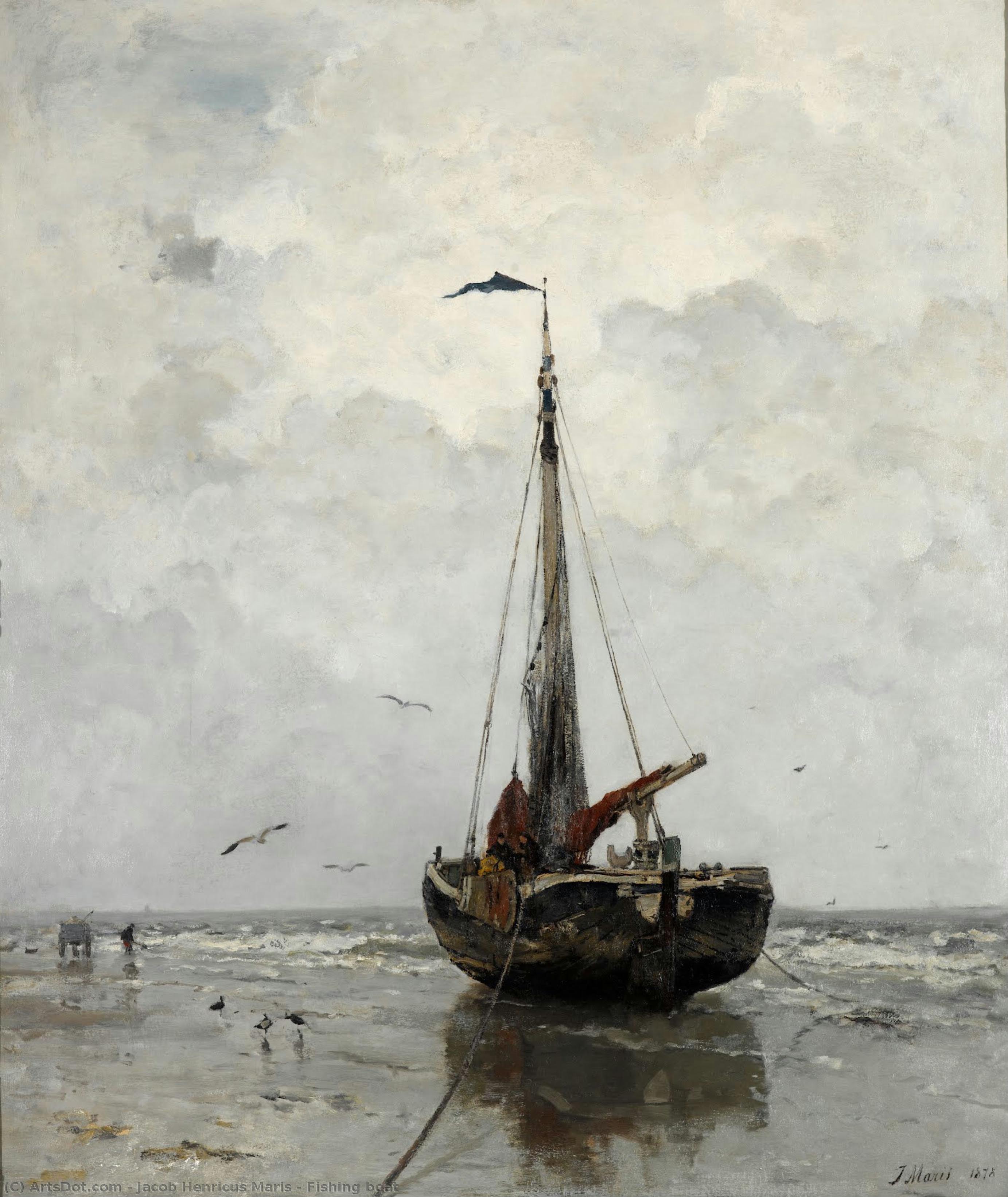
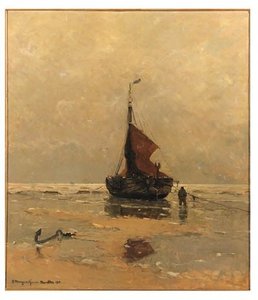
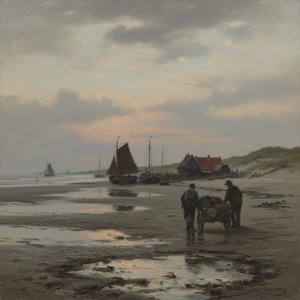
Fishing boat
 Acrylic On Canvas
- WallArt
- Hague School
 1878
1878 1400.0 x 1600.0 cm
 Kunstmuseum
 詳細を見る
詳細を見る




P118B $10

P118H $10

P118W $10

P438Z $10

P508JH $12

P508YH $12

P805H $10

P805Z $10

P919BZ $10

P919G $10

P919XJ $10

P959ZH $10

P968JZ $12

W106C $8

W218G $10

W218JH $8

W218Y $10

W307PJ $10

W316G $10

W316PJ $8

W316Y $10

W398PJ $8

W4111J $10

W500HY $15

W500JH $15

W692G $12

W849H $8

W940BG $15

W953PJ $8




作品のオリジナル比率に合わせた、当店の規定サイズからお選びください。

特定のフレームやスペースに合わせて、ご希望のサイズをご入力いただけます。選択されたサイズが元の画像の比率と異なる場合、アートワークをトリミングするか、手描きで要素を追加して絵画を拡張いたします。デジタルモックアップ を制作し、制作開始前にご確認(承認)をいただきます。
画面上のプレビューは、実際のトリミングや拡張を正確に反映しているものではありません。最終的な構図は、モックアップによってのみ正確にご確認いただけます。
カスタムサイズもご利用いただけますが、元の比率を維持するためには、あらかじめ用意されたリストからサイズを選択することをお勧めいたします。
ご注文後、ArtsDot.com チームより詳細な指示をお送りするとともに、仕上がりイメージ(モックアップ)をご提供いたします。


 ガラスオプションは、110cm未満のサイズでのみご利用いただけます。

Fishing boat
複製技法
複製画のサイズ
-


合計金額
$ 263
作品解説
A Symphony in Silver Grey: Jacob Maris’s Fishing Boat
The Dutch fishing industry experienced a dramatic resurgence in the latter half of the nineteenth century following the lifting of restrictions imposed during the herring embargo of 1871. Artists like Jacob Henricus Maris captured this pivotal moment in maritime history, immortalizing the humble fishing boat – specifically Scheveningen’s fleet – in a painting that embodies the essence of the Hague School's grey period. This artwork isn’t merely a depiction of a vessel; it’s an exploration of atmosphere, emotion, and the enduring connection between man and nature.Historical Context: The Herring Embargo and Its Aftermath
Prior to 1871, Dutch herring fishing was hampered by stringent regulations designed to protect dwindling stocks. These restrictions severely impacted the livelihoods of countless fishermen and fueled economic anxieties across the region. Maris’s painting emerges from this context—a testament to resilience and a celebration of renewed prosperity. The subsequent decades witnessed substantial growth in the industry, transforming Scheveningen into a dominant force in European fisheries and bolstering its reputation as a picturesque coastal town.Style and Technique: Embracing Atmospheric Impressionism
Maris’s approach aligns perfectly with the Hague School's distinctive aesthetic—characterized by muted tonal palettes and an emphasis on capturing fleeting moments of light and shadow. Unlike brighter, more flamboyant styles prevalent at the time, Maris opted for a restrained palette dominated by silvery grey hues, punctuated only by subtle accents of blue in the pennant flag and a touch of red on the boat’s sail. This deliberate choice reflects the School's fascination with portraying landscapes imbued with psychological depth rather than simply presenting visual accuracy. Maris skillfully employed loose brushstrokes—a hallmark of Impressionism—to convey the movement of the sea and the vessel, creating an illusion of dynamism within the stillness of the scene.Symbolism: More Than Just a Boat
Beyond its literal representation, the fishing boat carries symbolic weight. It embodies hard work, tradition, and the connection between generations of fishermen who had persevered through hardship to achieve success. The solitary figure standing near the shore represents contemplation and observation—a quiet acknowledgement of the beauty and significance of this revitalized maritime heritage. Furthermore, Maris’s masterful use of colour – particularly the muted blues – evokes feelings of serenity and nostalgia for a bygone era.Emotional Impact: A Moment Frozen in Time
The painting's enduring appeal lies in its ability to transport viewers back to 1878 Scheveningen. The subdued tones invite contemplation, fostering a sense of peace and tranquility that contrasts sharply with the turbulent economic realities of the period. Maris’s depiction captures not just the visual appearance of the fishing boat but also its emotional resonance—a poignant reminder of the importance of preserving cultural traditions and appreciating the beauty found in simple landscapes. It stands as an exemplary illustration of how art can transcend mere representation to communicate profound feelings about human experience and connection with the natural world.関連作品
アーティストの略歴
生い立ちと修行時代
- 生年月日: 1837年8月25日、オランダ、ハーグ
- 没年月日: 1899年8月7日、カールスバート
マリスの芸術への旅路は、J.A.B. ストレーベルによる指導(1849年〜1852年)から始まり、その後の輝かしいキャリアの礎が築かれました。
その後、彼は1850年から1853年にかけてハーグ王立美術アカデミーで正式な修行を積み、技術を研鑽しながら、まだ幼い萌芽状態にあった独自の芸術的スタイルを形作っていきました。
彼の人生における決定的な瞬間は、ある美術商がマリスの才能を見出し、彼をフーベルトゥス・ファン・ホーヴェのスタジオへと導いたことでした。この出会いは、初期の彼の発展において極めて重要な影響を与えることとなります。
また、弟のマティス・マリスが王室の助成金を受けたことで、兄弟は共に制作に励むこととなり、互いの芸術的進路を深め合うような、創造的な協力関係が育まれました。
芸術的キャリアと画風
マリスのキャリアは商業的な成功にも恵まれており、アメリカやスコットランドのコレクターへの作品販売は、彼の名声が世界へと広がっていく様子を物語っています。
1861年のドイツ、スイス、フランスへの旅は、彼を多様な芸術様式に触れさせ、その影響を広げるとともに、彼の画風を進化させる大きな糧となりました。
彼は、川や水車小屋、曳舟道、そして漁船が浮かぶ海岸風景を描く風景画で名を馳せ、それらを自身の象徴的な主題として確立しました。
- 彼の画風における主な特徴:
- 太く大胆な筆致は、画面の中に豊かな質感と躍動感を生み出しました。
- 抑えられた色彩は、風景画に漂う情緒的な空気感を際立たせています。
- 雲の描写とその周囲の環境に与える影響へのこだわりは、彼の決定的な特徴となりました。
- 絵具を厚く塗り重ねる技法を用い、緻密な色の調整を行うことで、調和のとれた構図を実現しました。
マリスの作品は、ヤン・ファン・ゴイエン、ヤコブ・ファン・ルイスダール、ヨハネス・フェルメールといった初期のオランダ巨匠たちの作品としばしば比較され、オランダ風景画の豊かな伝統との深い繋がりが浮き彫りにされています。
主要作品と評価
マリスは、弟のマティスと共に手掛けたオルラニエ=ナッサウ家(オラニエ公家)の一連の肖像画でも高く評価されており、風景画のみならず、その卓越した肖像画技術をも世に示しました。
代表作「スヘフェニンゲンの海岸の船」は、沿岸の情景を大気の深みと細部まで鮮やかに捉える彼の類まれな能力を象徴しています。
1871年にはプルクリ・スタジオの会員となり、確立された芸術界における地位を確固たるものにしました。
そして1885年以降、マリスはオランダ国内で広く知られるようになり、ヘーグ派の指導的な画家としての地位を不動のものとしました。
歴史的意義と遺産
ヘーグ派に対するマリスの貢献は極めて重大です。彼は、オランダの風景を写実的に描き出し、大気の効果を重視するという、この流派特有の美学を定義する一翼を担いました。
彼の及ぼした影響は、その生涯を超えて、独自のスタイルと風景画へのアプローチによって後世の芸術家たちにインスピレーションを与え続けています。
彼の作品は、国立美術館(ラインスモゼウム)をはじめとする著名なコレクションに収蔵されており、それは彼が遺した芸術的価値と歴史的重要性が、時代を超えて不変であることを証明しています。
マリスの遺産とは、観察眼、技法、そして芸術的ヴィジョンを唯一無二の形で融合させることで、オランダの田園風景の本質を捉えきったその力にこそ宿っているのです。
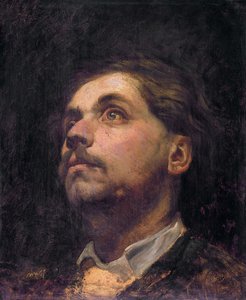
ヤコブ・マリス
1837 - 1899 , オランダ
基本情報
- Artistic Movement Or Style: ハーグ派
- Artists Or Movements Influenced By This Artist: 後世の芸術家たち
- Artists Who Influenced This Artist:
- ヤン・ファン・ゴイエン
- ヤコブ・ファン・ルイスダール
- ヨハネス・フェルメール
- Date Of Birth: 1837年8月25日
- Date Of Death: 1899年8月7日
- Full Name: ヤコブ・ヘンリクス・マリス
- Nationality: オランダ
- Notable Artworks:
- スフェニンゲンの海岸の船
- 花を摘む少女
- 夕暮れの浜辺
- 街の風景
- Place Of Birth: オランダ、ハーグ
関連記事
The Hague School: Realism, Atmosphere & the Dawn of Dutch Impressionism
Explore the Hague School's pivotal role in Dutch art history. Discover realism, atmospheric landscapes & its influence on Impressionism. Learn about key artists like Mauve & Maris with ArtsDot.
Jacob Henricus Maris: A Master of Dutch Atmospheric Realism & the Intimate Landscape
Explore the captivating world of Jacob Henricus Maris, a leading figure of the Dutch Hague School. Discover his atmospheric landscapes, signature brushstrokes & lasting influence on 19th-century art. Learn more at ArtsDot.
Boats on Canvas: 10 Masterpieces of Maritime Art for Your Home Decor
Sail away with 10 iconic boat paintings! Explore masterpieces by Monet, Van Gogh & Turner. Discover the stories behind these timeless seascapes and find museum-quality art reproductions for your home decor at ArtsDot.com.
Hendrik Willem Mesdag: Pioneering Impressionism & the Dutch Maritime Tradition
Explore the life & work of Hendrik Willem Mesdag, a pioneer of Dutch Impressionism and leading figure of the Hague School. Discover his captivating seascapes and the immersive Panorama Mesdag – a true masterpiece.
Jan Hendrik Weissenbruch: A Master of Dutch Realism & Atmospheric Light
Explore the captivating world of Jan Hendrik Weissenbruch, a master of Dutch Realism. Discover his atmospheric landscapes, influences, and legacy within the Hague School. Learn about this 19th-century artist's unique style & enduring impact.

