 プレビュー
プレビュー
 プリントを購入
 シェアする
シェアする シェアする
シェアする
 詳細を見る
詳細を見る

 ダウンロード
 似ている作品
 X線調査
X線調査 スライドショー
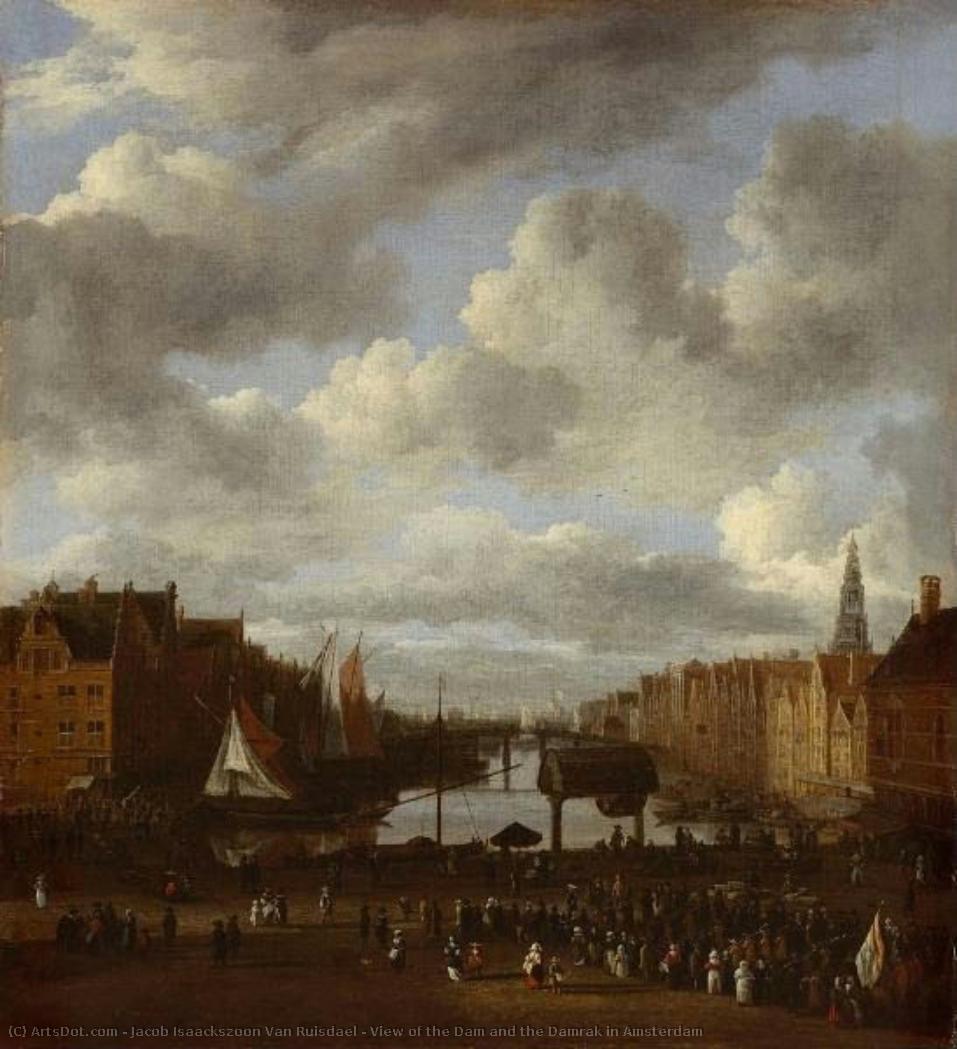
View of the Dam and the Damrak in Amsterdam
 Oil On Canvas
- WallArt
- Dutch Golden Age
 1675
1675 46.0 x 43.0 cm
 モウリツハウイス
 詳細を見る
詳細を見る




P118B $10

P118H $10

P118W $10

P438Z $10

P508JH $12

P508YH $12

P805H $10

P805Z $10

P919BZ $10

P919G $10

P919XJ $10

P959ZH $10

P968JZ $12

W106C $8

W218G $10

W218JH $8

W218Y $10

W307PJ $10

W316G $10

W316PJ $8

W316Y $10

W398PJ $8

W4111J $10

W500HY $15

W500JH $15

W692G $12

W849H $8

W940BG $15

W953PJ $8




作品のオリジナル比率に合わせた、当店の規定サイズからお選びください。

特定のフレームやスペースに合わせて、ご希望のサイズをご入力いただけます。選択されたサイズが元の画像の比率と異なる場合、アートワークをトリミングするか、手描きで要素を追加して絵画を拡張いたします。デジタルモックアップ を制作し、制作開始前にご確認(承認)をいただきます。
画面上のプレビューは、実際のトリミングや拡張を正確に反映しているものではありません。最終的な構図は、モックアップによってのみ正確にご確認いただけます。
カスタムサイズもご利用いただけますが、元の比率を維持するためには、あらかじめ用意されたリストからサイズを選択することをお勧めいたします。
ご注文後、ArtsDot.com チームより詳細な指示をお送りするとともに、仕上がりイメージ(モックアップ)をご提供いたします。


 ガラスオプションは、110cm未満のサイズでのみご利用いただけます。

View of the Dam and the Damrak in Amsterdam
複製技法
複製画のサイズ
-


合計金額
$ 388
A Window on Golden Age Amsterdam
Jacob van Ruisdael’s “View of the Dam and the Damrak in Amsterdam,” painted around 1675, isn't merely a cityscape; it’s a meticulously crafted portal into the heart of seventeenth-century Dutch life. This oil painting, now residing within the esteemed Frick Collection in New York, offers a remarkably intimate glimpse of a bustling urban scene – the Dam Square and its surrounding thoroughfare – bathed in the diffused light characteristic of an overcast Amsterdam day. Ruisdael, widely considered the preeminent landscape painter of the Dutch Golden Age, masterfully captures not just the physical appearance of the city but also a profound sense of its vibrant energy and historical significance.
The painting’s composition is remarkably balanced, employing a strong horizontal emphasis dictated by the canals and the orderly lines of the buildings. The perspective, executed with the precision typical of Dutch Golden Age art, recedes into the distance, diminishing the size of objects as they move further away – a technique known as linear perspective. Yet, it’s Ruisdael's masterful use of atmospheric perspective that truly elevates the work. Details soften and fade in the background, creating an illusion of depth and lending the scene a palpable sense of space and time. The focus isn’t on dramatic grandeur but rather on the everyday rhythms of Amsterdam life – merchants engaged in trade, boats navigating the canals, and citizens going about their business.
The Painter's Technique: A Symphony of Brushstrokes
Ruisdael’s technique is immediately recognizable. He eschews the smooth, polished surfaces favored by some of his contemporaries, opting instead for a visible, textured approach to painting. His brushwork is deliberate and layered, creating a tactile quality that invites close inspection. Impasto – the application of thick paint – is particularly evident in the rendering of the buildings’ facades, lending them a sculptural appearance and highlighting their materiality. The muted browns, grays, and blues dominate the palette, reflecting the perpetually overcast skies typical of Amsterdam weather and the prevalent use of brick and timber in the city's architecture. The sky itself isn’t a uniform expanse; it’s filled with billowing clouds, rendered with loose, expressive brushstrokes that contribute to the painting’s overall sense of dynamism.
Interestingly, Ruisdael’s approach evolved over time. Early works, like this one, often featured a more heroic portrayal of the Dutch landscape, influenced by his travels. Later paintings, produced during his years in Amsterdam, shifted towards city panoramas and seascapes, retaining that same atmospheric depth but with a greater emphasis on urban detail. The “View of the Dam” exemplifies this transition – it’s a quintessential example of Ruisdael's ability to capture both the grandeur and the intimacy of Dutch life.
Symbolism and Historical Context
Beyond its aesthetic qualities, "View of the Dam and the Damrak" is rich in symbolic meaning. The bustling market scene, with its merchants and shoppers, represents the economic prosperity that fueled Amsterdam’s rise to global prominence. The boats navigating the canals symbolize trade and commerce – the very lifeblood of the city. The presence of ships further underscores this maritime power. Painted around 1675, during the height of the Dutch Golden Age, the painting offers a snapshot of a society at its peak, confident in its wealth, influence, and artistic achievements.
It’s worth noting that the scene depicted isn't simply a random view; it’s a carefully constructed representation of Amsterdam as it was perceived by its inhabitants. The Dam Square, the city’s central marketplace, served as a focal point for civic life, trade, and social gatherings. Ruisdael’s painting captures this vibrant atmosphere with remarkable accuracy, offering viewers a tangible connection to a bygone era.
A Legacy of Landscape Painting
Jacob van Ruisdael's “View of the Dam and the Damrak in Amsterdam” stands as a testament to his exceptional talent and artistic vision. His masterful use of light, color, and perspective, combined with his ability to capture the essence of Dutch life, has secured his place as one of the most important landscape painters in history. His influence can be seen in the works of later artists, both in Holland and abroad, including English Romantic painters who were deeply inspired by Ruisdael’s atmospheric landscapes. Today, reproductions of this iconic painting continue to captivate audiences worldwide, offering a timeless glimpse into the heart of Golden Age Amsterdam.
関連作品


アーティストの略歴
初期の生涯とキャリア
ヤコブ・イサックズーン・ファン・ルイスダールは、オランダを代表する画家、製図家、エッチング作家として、1628年にオランダで生まれました。彼は、富と文化的な達成によって彩られた時代であるオランダ黄金時代の最も傑出した風景画家と広く見なされています。
芸術様式と貢献
ファン・ルイスダールの作品は、その多才さと豊富な制作量に特徴づけられ、実に多様な風景の題材を描き出しています。1646年頃から、彼は目覚ましいオランダの田園風景を描き始め、その後1650年にドイツを旅した経験を経て、より英雄的な性格を帯びていきます。アムステルダムに住みながら制作された晩年の作品群には、都市のパノラマや海景が描かれ、しばしば空が画面の三分の二を占める壮大さを持っています。
- 岩がちで山深い風景の中の滝は、光と構図における彼の熟練した技術を今に伝えています。
- 漂白場を伴うハーレムの眺めは、オランダの風景の本質を見事に捉える彼の能力を象徴しています。
- アムステルダムのダムとダムラクの眺めは、彼が持つ都市景観を描く上での卓越した技量を際立たせています。
美術館と所蔵品
ファン・ルイスダールの作品は、世界中の私的なコレクションや公的な機関に点在し、特に以下の場所で重要な所蔵が見られます:
影響と遺産
風景画の伝統に対するファン・ルイスダールの影響は計り知れず、イギリスのロマン主義派、フランスのボビゾン派、そしてアメリカのハドソン川派といった後世の芸術運動に深く形を与えました。彼はまた、何世代にもわたるオランダの風景画家たちにインスピレーションを与え続けてきました。特筆すべき作品:
ArtsDotにおける作家プロフィール: ヤコブ・イサックズーン・ファン・ルイスダール
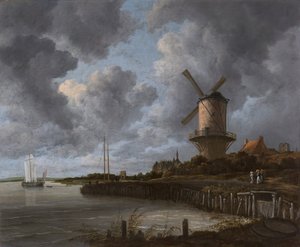
ヤコブ・イザックソン・ファン・ルイスダール
1628 - 1682 , オランダ
基本情報
- Artistic Movement Or Style: オランダ黄金時代、バロック
- Artists Or Movements Influenced By This Artist:
- イギリスロマン主義
- バルビゾン派
- Artists Who Influenced This Artist: ['ヘンドリック・ヴルーム']
- Date Of Birth: 1628/1629年、ハーレム
- Date Of Death: 1682年、アムステルダム
- Full Name: ヤコブ・イザックズーオン・ファン・ルイスダール
- Nationality: オランダ
- Notable Artworks:
- ハーレムの眺め
- 滝の風景
- アムステルダムの街並み
- Place Of Birth: オランダ、ハーレム
関連記事

黄金世紀の巨匠たち:バロック絵画が彩る10選|ArtsDot
オランダ黄金時代の10大傑作を紐解く!レンブラント、フェルメール…バロック絵画の魅力と時代背景を深く探求。ArtsDotで、至高のアートコレクションと空間演出のヒントを見つけよう。高品質なアートプリントで、お部屋を華やかに。

レンブラント傑作25選:光と影の巨匠、魂を揺さぶる名画の世界 | ArtsDot
レンブラントの傑作25選。光と影の魔術師が描いた魂を揺さぶる名画の世界へ。美術史に残る自画像、夜警、宗教画…ArtsDotで高品質なアートプリントやインテリアアートをお楽しみください。コレクションはこちら→

Golden Age Reflections: Dutch Baroque Painting & Cultural Innovation
Explore the Dutch Golden Age of painting! Discover key artists like Vermeer & ter Borch, their innovative techniques, and the rich cultural context behind these Baroque masterpieces. Learn about collecting & appreciating this iconic art period.
Willem van de Velde the Elder: Master of Maritime Painting & Chronicler of the Dutch Golden Age
Discover the captivating maritime paintings of Willem van de Velde the Elder, a master chronicler of the Dutch Golden Age. Explore his unparalleled realism and lasting influence on naval art history.

Illuminating Innovation: Exploring the Dutch Golden Age of Painting
Explore the Dutch Golden Age of painting with ArtsDot. Discover Rembrandt, Vermeer & other Masters. Learn about key characteristics, iconic artworks, and lasting influence. Expert insights for collectors & enthusiasts.