

 プレビュー
プレビュー
 プリントを購入
 シェアする
シェアする シェアする
シェアする
 詳細を見る
詳細を見る

 ダウンロード
 似ている作品
 X線調査
X線調査 スライドショー
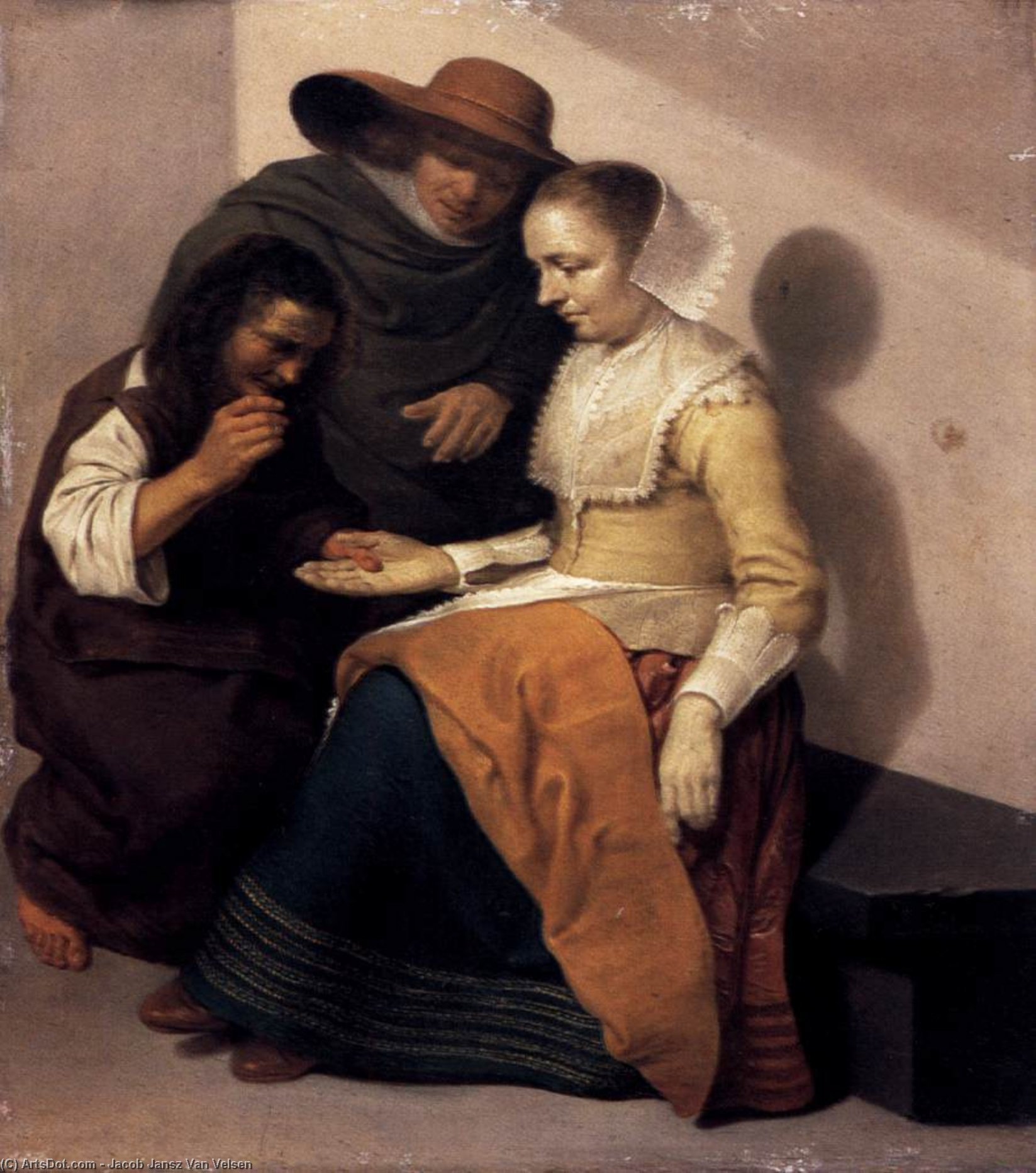
The Fortune Teller
 Oil On Canvas
- WallArt
- Baroque
 1631
1631- Early Modern
 26.0 x 23.0 cm
 ルーブル美術館
 詳細を見る
詳細を見る




P118B $10

P118H $10

P118W $10

P438Z $10

P508JH $12

P508YH $12

P805H $10

P805Z $10

P919BZ $10

P919G $10

P919XJ $10

P959ZH $10

P968JZ $12

W106C $8

W218G $10

W218JH $8

W218Y $10

W307PJ $10

W316G $10

W316PJ $8

W316Y $10

W398PJ $8

W4111J $10

W500HY $15

W500JH $15

W692G $12

W849H $8

W940BG $15

W953PJ $8




作品のオリジナル比率に合わせた、当店の規定サイズからお選びください。

特定のフレームやスペースに合わせて、ご希望のサイズをご入力いただけます。選択されたサイズが元の画像の比率と異なる場合、アートワークをトリミングするか、手描きで要素を追加して絵画を拡張いたします。デジタルモックアップ を制作し、制作開始前にご確認(承認)をいただきます。
画面上のプレビューは、実際のトリミングや拡張を正確に反映しているものではありません。最終的な構図は、モックアップによってのみ正確にご確認いただけます。
カスタムサイズもご利用いただけますが、元の比率を維持するためには、あらかじめ用意されたリストからサイズを選択することをお勧めいたします。
ご注文後、ArtsDot.com チームより詳細な指示をお送りするとともに、仕上がりイメージ(モックアップ)をご提供いたします。


 ガラスオプションは、110cm未満のサイズでのみご利用いただけます。

The Fortune Teller
複製技法
複製画のサイズ
-


合計金額
$ 263
A Glimpse into Domestic Intimacy: The Allure of Fortune
To stand before The Fortune Teller is to step through a veil into a moment suspended in time—a quiet tableau vivant from the Dutch Golden Age. This captivating portrait, dating to 1631, invites us not merely to observe, but to participate in the hushed drama unfolding within this richly appointed room. The composition centers around a seated woman, whose elegant attire, particularly the delicate ruffle of her collar, speaks volumes of contemporary fashion and social standing. Her focus is intensely drawn downward, fixed upon a ring held delicately between her fingers. This gesture—the contemplation of jewelry or fate itself—forms the emotional anchor of the entire scene.
The Artistry of Jacob Jansz van Velsen
Crafted by Jacob Jansz van Velsen, an artist whose mastery defined genre scenes in Delft, this work exemplifies the period's fascination with human interaction. Van Velsen possessed a remarkable gift for capturing the subtle nuances of conversation and domestic life. The technique employed suggests a meticulous attention to detail; observe the interplay of light across the varied textures—the sheen on the fabric, the depth in the shadows pooling around the figures, and the polished wood of the surrounding furniture. The presence of another figure standing watchfully behind her, and a third kneeling nearby, completes a narrative triangle, suggesting secrets whispered or fortunes about to be revealed.
Symbolism and the Allure of Fate
The very title hints at deeper currents running beneath the surface of this seemingly simple gathering. The ring itself is potent symbolism—a marker of commitment, status, or perhaps even a binding spell cast by the supposed fortune teller. In 17th-century Dutch culture, such scenes often played with the boundaries between genuine curiosity and theatrical performance. Are they discussing marital prospects, or are they consulting something far more esoteric? The atmosphere is thick with unspoken questions, making the viewer complicit in deciphering the meaning behind that single, examined piece of metal.
Bringing the Golden Age Home
For the discerning collector or designer seeking to infuse a space with the quiet sophistication of history, The Fortune Teller offers unparalleled depth. Reproducing this work allows one to bring the intimate drama and masterful technique of Delft directly into modern living. Imagine this piece gracing a drawing-room wall; it acts not just as decoration, but as a conversation starter, prompting contemplation on human connection, beauty, and the mysteries that always linger just beyond our immediate sight.
関連作品




アーティストの略歴
Jacob Jansz van Velsen: A Delft Master of Genre and Conversation
Born in Delft in 1597, Jacob Jansz van Velsen emerged as a distinctive voice within the vibrant landscape of the Dutch Golden Age. While his life remains somewhat shrouded in historical detail, his paintings offer a compelling window into the domestic sphere and military life of 17th-century Netherlands. Van Velsen’s artistic journey unfolded against a backdrop of unprecedented prosperity and cultural flourishing, a period when genre painting—depictions of everyday scenes—reached remarkable heights of popularity and sophistication. He died in Amsterdam in 1656, leaving behind a body of work that reveals both technical skill and a keen eye for capturing the nuances of human interaction.Early Life and Artistic Development
Details about Van Velsen’s early life are scarce, but it is believed he originated from humble beginnings within Delft's bustling artisan community. Though documentation regarding his formal training is lacking, scholars suggest a possible apprenticeship under Anthonie Palamedesz, a prominent genre painter known for his lively depictions of tavern scenes and domestic interiors. This potential connection would have exposed Van Velsen to the established conventions of the genre while also encouraging him to develop his own unique style. A significant turning point in his life arrived in 1625 when he joined the Delft Guild of Saint Luke, a professional association for artists that signified his acceptance into the artistic community. Shortly thereafter, a fortunate marriage to a wealthy widow provided him with financial independence, allowing him to dedicate himself fully to painting without the pressures of commercial necessity—a rare privilege for an artist of his time. He amassed a considerable collection of Chinese porcelain and other curiosities, reflecting a cultivated taste that likely influenced his artistic sensibilities.The Art of Conversation: Genre Scenes and Military Life
Van Velsen is best known for his genre paintings, particularly those depicting “conversation pieces”—intimate gatherings of figures engaged in relaxed dialogue or musical pursuits. These works are often compared to the styles of Pieter Codde and Dirck Hals, reflecting a shared interest in capturing candid moments of social interaction with remarkable realism. His compositions typically feature carefully arranged groups of individuals within richly detailed interiors, showcasing his mastery of perspective and light. The subjects range from lively musical evenings to more subdued scenes of domestic tranquility, each imbued with a sense of quiet observation. Beyond these intimate portrayals of civilian life, Van Velsen also produced military pieces, demonstrating his versatility as an artist. These works offer glimpses into the world of soldiers and fortifications, providing valuable insights into the military practices and equipment of the era.Influences and Legacy
Van Velsen’s artistic style reveals a blend of influences, drawing inspiration from both established masters and contemporary trends. His connection to Anthonie Palamedesz is evident in his attention to detail and lively portrayal of everyday scenes. The influence of Pieter Codde and Dirck Hals can be seen in his skillful composition of conversation pieces, capturing the nuances of human interaction with a keen eye for characterization. Notably, Willem Cornelisz Duyster acknowledged Van Velsen’s impact on his own artistic development, further solidifying his position within the Dutch Golden Age art scene. While one of his paintings was engraved by Pierre Aveline in 1755, ensuring its wider dissemination and recognition, Van Velsen's legacy rests primarily on the enduring appeal of his genre scenes—paintings that continue to resonate with viewers today for their intimate portrayal of life in 17th-century Netherlands.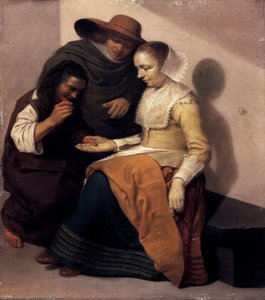
jacob jansz van velsen
1597 - 1656 , Netherlands
基本情報
- Artistic Movement Or Style: Dutch Golden Age
- Artists Influenced By This Artist: ['Willem Cornelisz Duyster']
- Artists Who Influenced This Artist:
- Pieter Codde
- Dirck Hals
- Date Of Birth: 1597
- Date Of Death: 1656
- Full Name: Jacob Jansz van Velsen
- Nationality: Dutch
- Place Of Birth: Delft, Netherlands
関連記事

黄金世紀の巨匠たち:バロック絵画が彩る10選|ArtsDot
オランダ黄金時代の10大傑作を紐解く!レンブラント、フェルメール…バロック絵画の魅力と時代背景を深く探求。ArtsDotで、至高のアートコレクションと空間演出のヒントを見つけよう。高品質なアートプリントで、お部屋を華やかに。

Golden Age Reflections: Dutch Baroque Painting & Cultural Innovation
Explore the Dutch Golden Age of painting! Discover key artists like Vermeer & ter Borch, their innovative techniques, and the rich cultural context behind these Baroque masterpieces. Learn about collecting & appreciating this iconic art period.
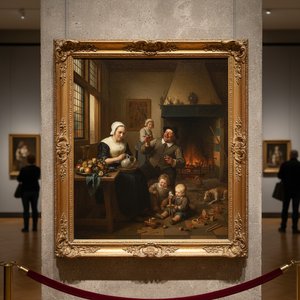
Genre Painting: A Window into Daily Life & Societal Values of the Dutch Golden Age
Explore the captivating world of Dutch Golden Age genre painting! Discover realistic depictions of daily life, masterful artists like Ostade & Metsu, and hidden symbolism. Learn about this influential art movement with ArtsDot.

Illuminating Innovation: Exploring the Dutch Golden Age of Painting
Explore the Dutch Golden Age of painting with ArtsDot. Discover Rembrandt, Vermeer & other Masters. Learn about key characteristics, iconic artworks, and lasting influence. Expert insights for collectors & enthusiasts.
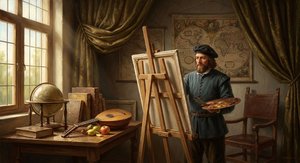
Illuminating Realism: Exploring the Dutch Golden Age of Painting (1600-1700)
Explore the Dutch Golden Age of painting (1600-1700) with ArtsDot. Discover Rembrandt, Vermeer & other masters. Learn about techniques, history & find museum-quality reproductions.