

 プレビュー
プレビュー
 プリントを購入
 シェアする
シェアする シェアする
シェアする
 詳細を見る
詳細を見る

 ダウンロード
 似ている作品
 X線調査
X線調査 スライドショー
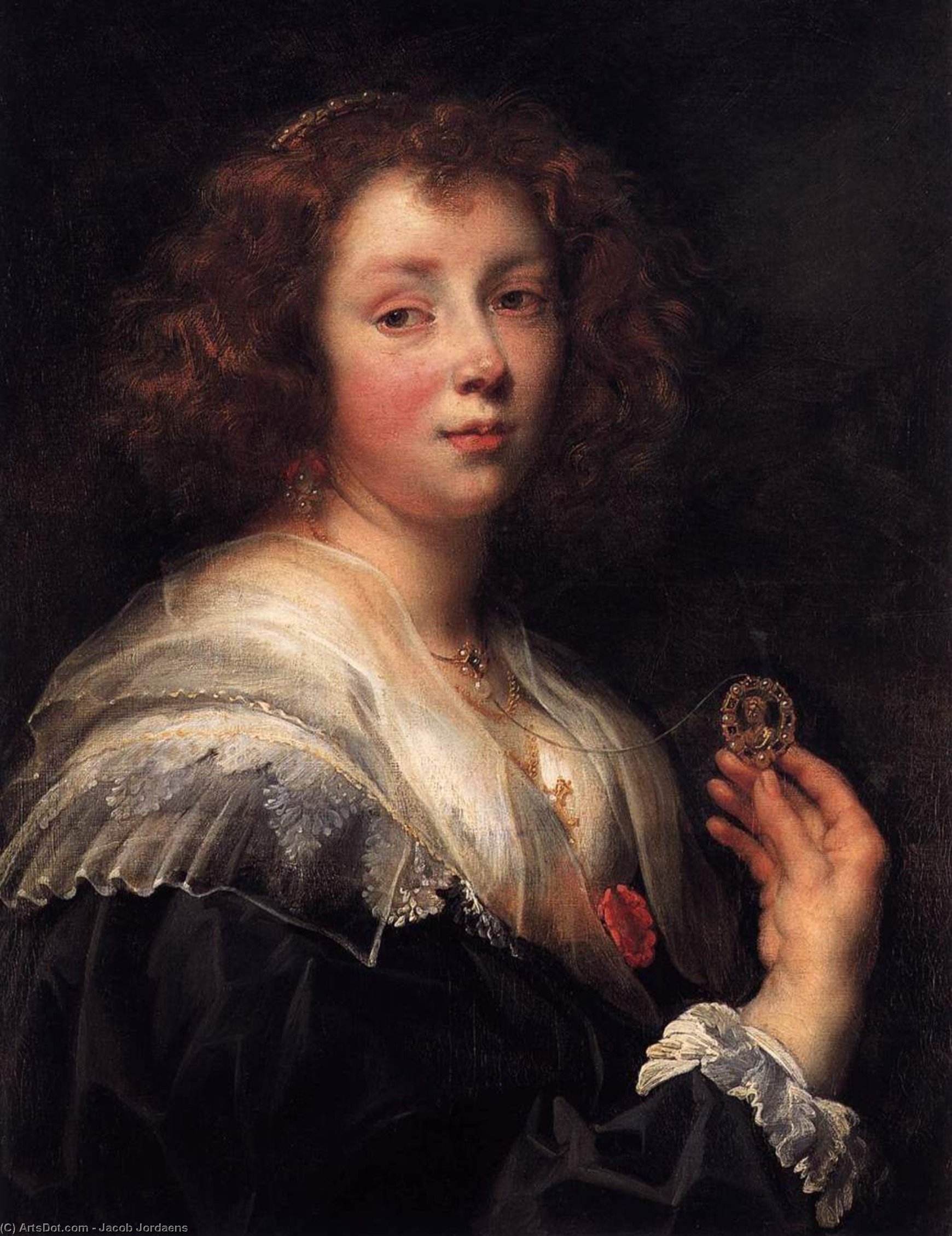
Portrait of the Artist's Daughter Elizabeth
 Acrylic On Canvas
- WallArt
- Baroque
 1637
1637 75.0 x 55.0 cm
 Academy of Fine Arts Vienna
 詳細を見る
詳細を見る
オンラインプレビューをはるかに凌ぐ、高解像度で鮮明なデジタル画像をご購入いただけます。
各ファイルは、社内の専門家が高度なツールと熟練した手作業によるレタッチを用いて、細心の注意を払って準備されています。すべての画像において、卓越した鮮明度、正確な色彩再現性、そして繊細なディテールを保証いたします。
最終ファイルは、プロフェッショナルな編集・印刷環境ですぐにご利用いただけるよう最適化された状態で、72時間以内にメールにてお届けいたします。これは、一流のデザインスタジオ、出版社、ギャラリーから信頼されているものと同等の品質です。
デジタル画像のご注文に付随する特典
高品質なデジタル画像配信を、確かな品質で。
ArtsDot.com を選ぶことは、単に画像を手に入れることではありません。それは、プロの手によって精密に仕上げられ、満足保証が付いた高品質なデジタルアートワークを受け取ることを意味します。ご注文いただいた際に自動的に付随する内容は、以下の通りです:

メールですぐにお届け
ご注文から72時間以内に、高解像度のデジタル画像ファイルがメールでお手元に届きます。すぐにそのままご利用いただけます。

AI技術で最適化されたデジタルファイル
お客様の作品は、高度なAIツールと専門家による手作業の編集を組み合わせてプロフェッショナルに最適化されており、細部のディテール、鮮明さ、そして正確な色再現性を最大限に引き出しています。

一生涯無料の再送サービス
ファイルを誤って削除したり、紛失してしまったりしましたか?ご安心ください。いつでも無料で再送いたします。

輸入手数料は一切かかりません
関税や手数料、配送料を気にすることなく、お気に入りのアートワークをすぐにお楽しみいただけます。デジタルダウンロードは常に免税です。

色彩再現の保証
プロ仕様のツールとカラーマネジメント技術を用いることで、デジタル画像が元の色を最大限に忠実に再現することを保証いたします。

60日間満足保証
ご購入いただいたデジタル画像にご満足いただけない場合は、60日以内であれば、修正または100%の返金(理由を問う必要はありません)をさせていただきます。

100% 返金保証
ご満足いただけない場合は、デジタルファイルを受け取ってから60日以内であれば、理由を問わず全額返金いたします。

まとめ買い割引
3枚購入で10%OFF - 5枚購入で15%OFF - 10枚以上購入で20%OFF。クリエイティブなプロジェクト、ギャラリー、エージェンシーに最適です。
Portrait of the Artist’s Daughter Elizabeth – A Viennese Jewel
Jacob Jordaens' "Portrait of the Artist’s Daughter Elizabeth," painted in 1640, isn’t merely a likeness; it’s a carefully constructed tableau brimming with symbolic resonance and a palpable sense of quiet dignity. This captivating work, housed within the confines of a private collection, offers a rare glimpse into the domestic life of a prominent Antwerp family during a pivotal era in Flemish art. Jordaens, known for his vibrant depictions of everyday scenes and his masterful command of light and shadow, here presents Elizabeth, around twenty years old, not as a passive subject but as an active participant within her own narrative.
The painting immediately draws the eye to Elizabeth’s face – a study in serene composure. Her gaze, subtly directed towards the viewer, conveys both intelligence and a hint of melancholy. The delicate rendering of her features—the slight tilt of her head, the subtle curve of her lips—reveals an artist deeply attuned to capturing the nuances of human expression. Her attire, a simple yet elegant black dress, speaks volumes about her social standing and the prevailing fashion of the time. The inclusion of a piece of jewelry, likely a brooch or pendant, adds a touch of opulence without overwhelming the overall composition.
A Master’s Technique – Light, Shadow, and Composition
Jordaens' skill lies not just in his ability to reproduce a likeness but in his masterful manipulation of light and shadow. He employs a technique known as *chiaroscuro*, dramatically contrasting areas of illumination with deep shadows, creating a sense of depth and volume that brings the portrait to life. The soft glow emanating from Elizabeth’s face highlights her features while simultaneously enveloping the background in a gentle haze. This interplay of light and dark not only enhances the realism of the painting but also contributes significantly to its emotional impact.
The composition itself is carefully considered. Jordaens utilizes a pyramidal structure, with Elizabeth as the central focal point, drawing the viewer’s eye directly to her face. The background, featuring a wall adorned with a clock and a subtle suggestion of a window, provides context without distracting from the primary subject. Note the meticulous detail in the rendering of the architectural elements – a testament to Jordaens' attention to accuracy and his understanding of perspective.
Historical Context & Symbolism
Painted in 1640, “Portrait of the Artist’s Daughter Elizabeth” reflects the burgeoning artistic landscape of Antwerp during the Dutch Golden Age. Jordaens was a leading figure within the city's vibrant art scene, known for his ability to capture both the grandeur and the intimacy of everyday life. The portrait also speaks to the social dynamics of the time – the importance of family, wealth, and status. Elizabeth’s youth and beauty were undoubtedly valued assets within her family.
The inclusion of the clock in the background is particularly significant. Clocks were symbols of time, order, and control—values highly prized by the wealthy elite. It subtly reinforces Elizabeth's position as a member of a respected household. The subtle suggestion of a window hints at a world beyond the confines of the domestic sphere, perhaps alluding to her future role within society.
A Legacy – Research & Inspiration
Numerous resources illuminate Jordaens’ life and work, offering deeper insights into this captivating portrait. The Web Gallery of Art (
The portrait stands as a testament to Jordaens' artistic skill and his ability to capture not just a likeness but also the essence of human character. It is a poignant reminder of a bygone era and a captivating window into the lives of those who shaped it.
関連作品
作家の略歴
ヤコブ・ヨルダエンスの生涯と背景
1593年、アントワープの裕福な家庭に生まれたヤコブ・ヨルダエンスは、フランドルのバロック絵画を代表する重要な画家の一人として台頭しました。多くの同時代画家がイタリアで修業を積む一方で、ヨルダエンスは故郷フランドルに根ざし、日常生活の喜びと現実を称える独特の力強く土着的なスタイルを確立しました。彼の父は成功したリネン商であり、社会的身分にふさわしい教育を受けさせました。その後、彼は後にピーテル・パウル・ルーベンスも指導したアダム・ファン・ノールの下で芸術の道を歩み始めました。この初期の訓練を通して、ヨルダエンスは精密な技術と構図に対する鋭い理解を身につけましたが、すぐに独自の道を開拓しました。1616年、アントワープのアート界との繋がりを強めるため、ファン・ノールの娘カタリーナと結婚します。農民の祝祭とバロック様式の壮大さ
ヨルダエンスの芸術的アウトプットは非常に多様で、宗教的な物語、神話的な場面、寓意的な構成、そして生命力に満ちた風俗画、さらには肖像画も含まれています。しかし、彼は特に農民の祝祭や酒場のシーンを描いた活気に満ちた作品で知られています。これらの作品は、大衆的なエネルギーと世俗的な喜びを放射しています。*王が飲む*(豆王祭としても知られる)のような絵画は、この特徴的なスタイルを例証しています。賑やかな構成の中に、陽気な宴に興じる力強い人物たちが描かれ、暖かく輝く色彩と劇的なキアロスクーロによって表現されています。これらのシーンは単なるお祝いを描いたものではなく、17世紀社会に蔓延していた節度と抑制の関係を反映した微妙な道徳的含みを含んでいることがよくあります。しかし、ヨルダエンスはより壮大で公式な依頼にも巧みに対応しました。ハーグ近郊のヒュイステンボッシュ宮殿の装飾への関与は、ルーベンスとのコラボレーションを通して、絵画と建築をシームレスに統合した記念碑的な寓意的作品を作り出す能力を示しています。影響と独自の芸術的声
ヨルダエンス自身はイタリアへ渡航することはありませんでしたが、ジャコポ・バッサーノ、パオロ・ヴェロネーゼ、カラヴァッジョといったイタリアの巨匠たちから深い影響を受けました。これらの画家の作品は、他の画家によってフランドルにもたらされた版画や絵画を通してヨルダエンスに伝わりました。カラヴァッジョの影響は、彼のシーンの感情的な強度を高める劇的な光と影の使い方、つまりテネブリズムにおいて特に顕著です。しかし、ヨルダエンスはこれらの影響を単に模倣するのではなく、自身のフランドルの感性と融合させ、他に類を見ない独自のスタイルを作り上げました。彼はルーベンスやファン・ダイクとは異なり、理想化よりも写実性を好み、人間の形を描く際に直接的で洗練されていないアプローチを採用しました。彼の人物はしばしば頑丈で、時にはふっくらとしており、顔は健康と活力に満ちています。この自然主義への献身と、色彩と構図に対する卓越した才能が、彼を同時代画家たちから際立たせ、フランドルのバロック絵画における主要な人物としての地位を確立しました。遺産と永続的な影響
ヨルダエンスは長い間多作なキャリアを通して、多くの弟子を育成しました—1621年から1667年の間に聖ルカ組合によって公式に記録されたのは15名です—彼の芸術的遺産の継続を確実なものとしました。彼の影響は、後に風俗画を描くことを好んだヤン・ステーンなどの後世の画家たちの作品に見ることができます。直接的な画家たちへの影響を超えて、ヨルダエンスの古典にインスパイアされた農民のテーマは、伝統的なヒエラルキーに挑戦し、日常生活の尊厳を称えることでアート界に永続的な影響を与えました。今日でも彼の絵画は、そのエネルギー、活力、そして人間の経験に対する率直な描写によって観客を魅了し続けています。写実性と寓意、官能性と道徳、壮大さと親密さを融合させる彼の能力は、彼をバロック時代の最も魅力的な人物の一人として位置づけています。オンラインで利用可能なデータベースや彼の作品に関する詳細な分析など、豊富なリソースを通して、ヨルダエンスの傑作をもっと知り、バロック時代の豊かな芸術的景観を探求してください。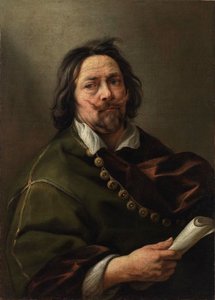
ヤコブ・ヨルダーンス
1593 - 1678 , ベルギー
プロフィール概要
- Artistic Movement Or Style: バロック
- Artists Or Movements Influenced By This Artist: ['ヤン・ステーン']
- Artists Who Influenced This Artist:
- ジャコポ・バスサノ
- パオロ・ヴェロネーゼ
- カラヴァッジョ
- Date Of Birth: 1593年5月19日
- Date Of Death: 1678年
- Full Name: ヤコブ・ヨルダーンス
- Nationality: フランドル人
- Notable Artworks:
- 羊飼いの礼拝
- アルゴスとメルクリウス
- Place Of Birth (City And Country): アントワープ、ベルギー

