 プレビュー
プレビュー
 プリントを購入
 シェアする
シェアする シェアする
シェアする
 詳細を見る
詳細を見る

 ダウンロード
 似ている作品
 X線調査
X線調査 スライドショー
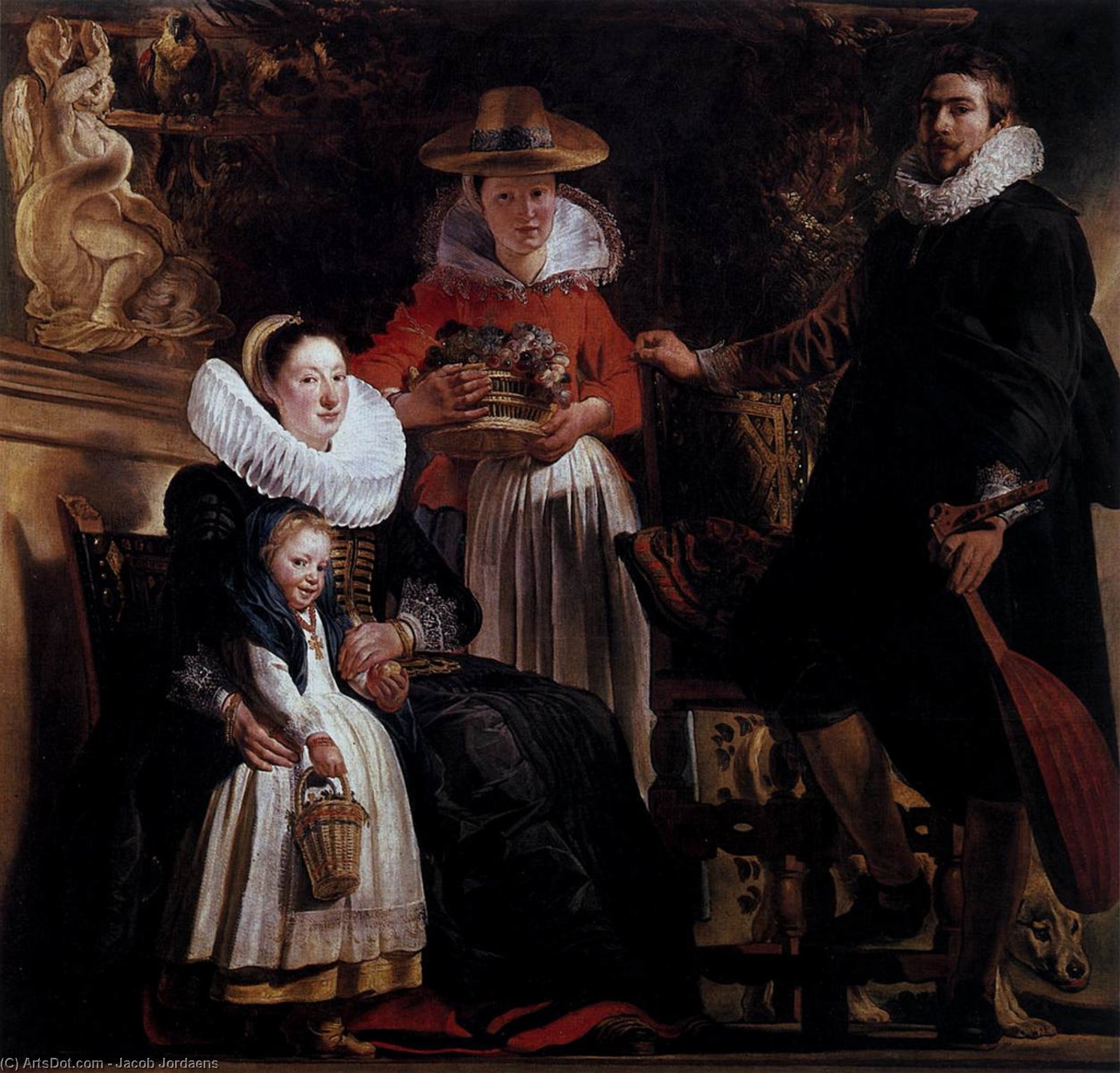
The Family of the Artist
 Acrylic On Canvas
- WallArt
- Flemish Baroque
 1621
1621 181.0 x 187.0 cm
 プラド美術館
 詳細を見る
詳細を見る




P118B $10

P118H $10

P118W $10

P438Z $10

P508JH $12

P508YH $12

P805H $10

P805Z $10

P919BZ $10

P919G $10

P919XJ $10

P959ZH $10

P968JZ $12

W106C $8

W218G $10

W218JH $8

W218Y $10

W307PJ $10

W316G $10

W316PJ $8

W316Y $10

W398PJ $8

W4111J $10

W500HY $15

W500JH $15

W692G $12

W849H $8

W940BG $15

W953PJ $8




作品のオリジナル比率に合わせた、当店の規定サイズからお選びください。

特定のフレームやスペースに合わせて、ご希望のサイズをご入力いただけます。選択されたサイズが元の画像の比率と異なる場合、アートワークをトリミングするか、手描きで要素を追加して絵画を拡張いたします。デジタルモックアップ を制作し、制作開始前にご確認(承認)をいただきます。
画面上のプレビューは、実際のトリミングや拡張を正確に反映しているものではありません。最終的な構図は、モックアップによってのみ正確にご確認いただけます。
カスタムサイズもご利用いただけますが、元の比率を維持するためには、あらかじめ用意されたリストからサイズを選択することをお勧めいたします。
ご注文後、ArtsDot.com チームより詳細な指示をお送りするとともに、仕上がりイメージ(モックアップ)をご提供いたします。


 ガラスオプションは、110cm未満のサイズでのみご利用いただけます。

The Family of the Artist
複製技法
複製画のサイズ
-


合計金額
$ 263
A Snapshot of Flemish Life: Jordaens’s “The Family of the Artist”
Jacob Jordaens's "The Family of the Artist," painted in 1621, isn’t merely a portrait; it’s a meticulously crafted tableau vivant – a window into the domestic life and values of early 17th-century Antwerp. This remarkable work, measuring a substantial 181 x 187 cm, captures a scene brimming with warmth, familial connection, and a subtle celebration of prosperity. Jordaens, deeply rooted in the Flemish tradition yet forging his own distinctive path, masterfully blends realism with an almost theatrical quality, creating an image that resonates powerfully even today.
The composition immediately draws the eye to the central figures: the artist himself, standing proudly on the right, and his wife seated gracefully in the middle. Their attire – richly colored fabrics, ruffled collars, and a gentleman’s hat – speaks volumes about their social standing and the importance of appearances within this era. The children, a boy and a girl, are positioned thoughtfully, engaging with the scene through gestures that suggest youthful curiosity and affection. Notice how Jordaens doesn't simply depict them as subjects; he imbues them with a palpable sense of life and personality.
The Painter’s Palette: Technique and Style
Jordaens was a student of Adam van Noort, inheriting a solid foundation in technique, yet swiftly developing his own distinctive style. “The Family of the Artist” exemplifies this evolution. He employs a masterful use of *chiaroscuro*, skillfully manipulating light and shadow to create depth and drama within the scene. The rich, dark background – likely inspired by Caravaggio’s dramatic lighting – serves to highlight the family group, drawing our attention to their expressions and interactions. Jordaens' brushwork is remarkably detailed, particularly in rendering the textures of the clothing, the folds of the fabrics, and the subtle nuances of skin tones. This meticulous approach reflects his commitment to realism, but it’s tempered by a loose, painterly quality that prevents the image from feeling overly rigid or formal.
The artist's use of color is equally noteworthy. He favors warm, earthy tones – reds, browns, and ochres – creating an atmosphere of comfort and domesticity. The bowl, basket, and book—simple objects—are rendered with a surprising degree of attention, suggesting that even the mundane aspects of daily life were worthy of artistic consideration.
Symbolism and Social Commentary
Beyond its immediate depiction of a family gathering, “The Family of the Artist” carries layers of symbolic meaning. The presence of the artist himself is significant; it’s a deliberate assertion of his social status and profession. Holding a book suggests an appreciation for learning and intellectual pursuits – values highly valued within the burgeoning Renaissance culture. The bowl and basket hint at abundance and prosperity, reflecting the economic success enjoyed by Jordaens' family and many others in Antwerp during this period.
Furthermore, the scene subtly comments on the role of women in society. The wife’s posture – seated with grace and dignity – suggests a position of respect within the household, though it also acknowledges the limitations placed upon her by societal norms. The children's interactions offer a glimpse into the future generation, embodying the hopes and aspirations of the family.
A Timeless Portrait: Reproduction and Beyond
"The Family of the Artist" is more than just a painting; it’s a testament to Jordaens’s skill as a portraitist and his ability to capture the essence of human connection. ArtsDot offers exquisite, hand-painted reproductions that faithfully recreate the original's rich detail and atmospheric depth. Whether you are an art collector, an interior designer seeking a statement piece, or simply someone captivated by the beauty of Flemish Baroque painting, our reproduction provides a stunning way to bring this iconic work into your home or studio. Experience the warmth and intimacy of Jordaens’s masterpiece – a timeless portrait that continues to resonate with viewers centuries after its creation.
関連作品
アーティストの略歴
ヤコブ・ヨルダエンスの生涯と背景
1593年、アントワープの裕福な家庭に生まれたヤコブ・ヨルダエンスは、フランドルのバロック絵画を代表する重要な画家の一人として台頭しました。多くの同時代画家がイタリアで修業を積む一方で、ヨルダエンスは故郷フランドルに根ざし、日常生活の喜びと現実を称える独特の力強く土着的なスタイルを確立しました。彼の父は成功したリネン商であり、社会的身分にふさわしい教育を受けさせました。その後、彼は後にピーテル・パウル・ルーベンスも指導したアダム・ファン・ノールの下で芸術の道を歩み始めました。この初期の訓練を通して、ヨルダエンスは精密な技術と構図に対する鋭い理解を身につけましたが、すぐに独自の道を開拓しました。1616年、アントワープのアート界との繋がりを強めるため、ファン・ノールの娘カタリーナと結婚します。農民の祝祭とバロック様式の壮大さ
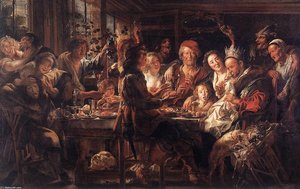
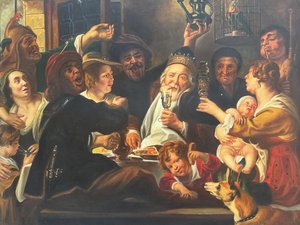
ヨルダエンスの芸術的アウトプットは非常に多様で、宗教的な物語、神話的な場面、寓意的な構成、そして生命力に満ちた風俗画、さらには肖像画も含まれています。しかし、彼は特に農民の祝祭や酒場のシーンを描いた活気に満ちた作品で知られています。これらの作品は、大衆的なエネルギーと世俗的な喜びを放射しています。*王が飲む*(豆王祭としても知られる)のような絵画は、この特徴的なスタイルを例証しています。賑やかな構成の中に、陽気な宴に興じる力強い人物たちが描かれ、暖かく輝く色彩と劇的なキアロスクーロによって表現されています。これらのシーンは単なるお祝いを描いたものではなく、17世紀社会に蔓延していた節度と抑制の関係を反映した微妙な道徳的含みを含んでいることがよくあります。しかし、ヨルダエンスはより壮大で公式な依頼にも巧みに対応しました。ハーグ近郊のヒュイステンボッシュ宮殿の装飾への関与は、ルーベンスとのコラボレーションを通して、絵画と建築をシームレスに統合した記念碑的な寓意的作品を作り出す能力を示しています。影響と独自の芸術的声
ヨルダエンス自身はイタリアへ渡航することはありませんでしたが、ジャコポ・バッサーノ、パオロ・ヴェロネーゼ、カラヴァッジョといったイタリアの巨匠たちから深い影響を受けました。これらの画家の作品は、他の画家によってフランドルにもたらされた版画や絵画を通してヨルダエンスに伝わりました。カラヴァッジョの影響は、彼のシーンの感情的な強度を高める劇的な光と影の使い方、つまりテネブリズムにおいて特に顕著です。しかし、ヨルダエンスはこれらの影響を単に模倣するのではなく、自身のフランドルの感性と融合させ、他に類を見ない独自のスタイルを作り上げました。彼はルーベンスやファン・ダイクとは異なり、理想化よりも写実性を好み、人間の形を描く際に直接的で洗練されていないアプローチを採用しました。彼の人物はしばしば頑丈で、時にはふっくらとしており、顔は健康と活力に満ちています。この自然主義への献身と、色彩と構図に対する卓越した才能が、彼を同時代画家たちから際立たせ、フランドルのバロック絵画における主要な人物としての地位を確立しました。遺産と永続的な影響
ヨルダエンスは長い間多作なキャリアを通して、多くの弟子を育成しました—1621年から1667年の間に聖ルカ組合によって公式に記録されたのは15名です—彼の芸術的遺産の継続を確実なものとしました。彼の影響は、後に風俗画を描くことを好んだヤン・ステーンなどの後世の画家たちの作品に見ることができます。直接的な画家たちへの影響を超えて、ヨルダエンスの古典にインスパイアされた農民のテーマは、伝統的なヒエラルキーに挑戦し、日常生活の尊厳を称えることでアート界に永続的な影響を与えました。今日でも彼の絵画は、そのエネルギー、活力、そして人間の経験に対する率直な描写によって観客を魅了し続けています。写実性と寓意、官能性と道徳、壮大さと親密さを融合させる彼の能力は、彼をバロック時代の最も魅力的な人物の一人として位置づけています。オンラインで利用可能なデータベースや彼の作品に関する詳細な分析など、豊富なリソースを通して、ヨルダエンスの傑作をもっと知り、バロック時代の豊かな芸術的景観を探求してください。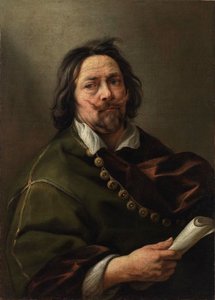
ヤコブ・ヨルダーンス
1593 - 1678 , ベルギー
基本情報
- Artistic Movement Or Style: バロック
- Artists Or Movements Influenced By This Artist: ['ヤン・ステーン']
- Artists Who Influenced This Artist:
- ジャコポ・バスサノ
- パオロ・ヴェロネーゼ
- カラヴァッジョ
- Date Of Birth: 1593年5月19日
- Date Of Death: 1678年
- Full Name: ヤコブ・ヨルダーンス
- Nationality: フランドル人
- Notable Artworks:
- 羊飼いの礼拝
- アルゴスとメルクリウス
- Place Of Birth (City And Country): アントワープ、ベルギー
関連記事

Dutch Baroque Masters: 10 Paintings That Shaped an Era | ArtsDot
Journey through the Golden Age with our guide to the Top 10 Dutch Baroque masterpieces! Explore iconic paintings by Rembrandt, Vermeer & Frans Hals. Find museum-quality art reproductions and elevate your home decor at ArtsDot.com.
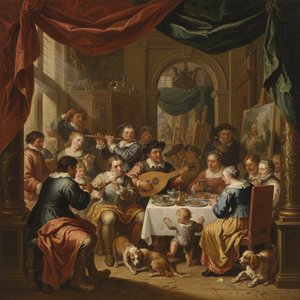
Jacob Jordaens: Baroque Dynamism & Genre Innovation of the Antwerp School
Discover Jacob Jordaens, a leading Flemish Baroque painter renowned for his dynamic compositions & realistic genre scenes. Explore his life, art, and lasting influence with ArtsDot.

Golden Age Reflections: Dutch Baroque Painting & Cultural Innovation
Explore the Dutch Golden Age of painting! Discover key artists like Vermeer & ter Borch, their innovative techniques, and the rich cultural context behind these Baroque masterpieces. Learn about collecting & appreciating this iconic art period.
Illuminating a Century of Change: Artistic Expression & Societal Shifts in 17th-Century Europe
Explore the artistic brilliance of the 17th-century Dutch Golden Age & Baroque period. Discover Rembrandt, genre painting, and chiaroscuro techniques. Expert insights for art lovers & collectors.
Masterpieces of the 17th Century: Art, History & Decor Inspiration | ArtsDot
Journey through 17th century art with masterpieces by Rembrandt, Vermeer & Caravaggio. Explore Baroque paintings, Dutch Golden Age techniques & timeless beauty. Find museum-quality reproductions and elevate your home decor on ArtsDot.com.