

 プレビュー
プレビュー
 プリントを購入
 シェアする
シェアする シェアする
シェアする
 詳細を見る
詳細を見る

 ダウンロード
 似ている作品
 X線調査
X線調査 スライドショー
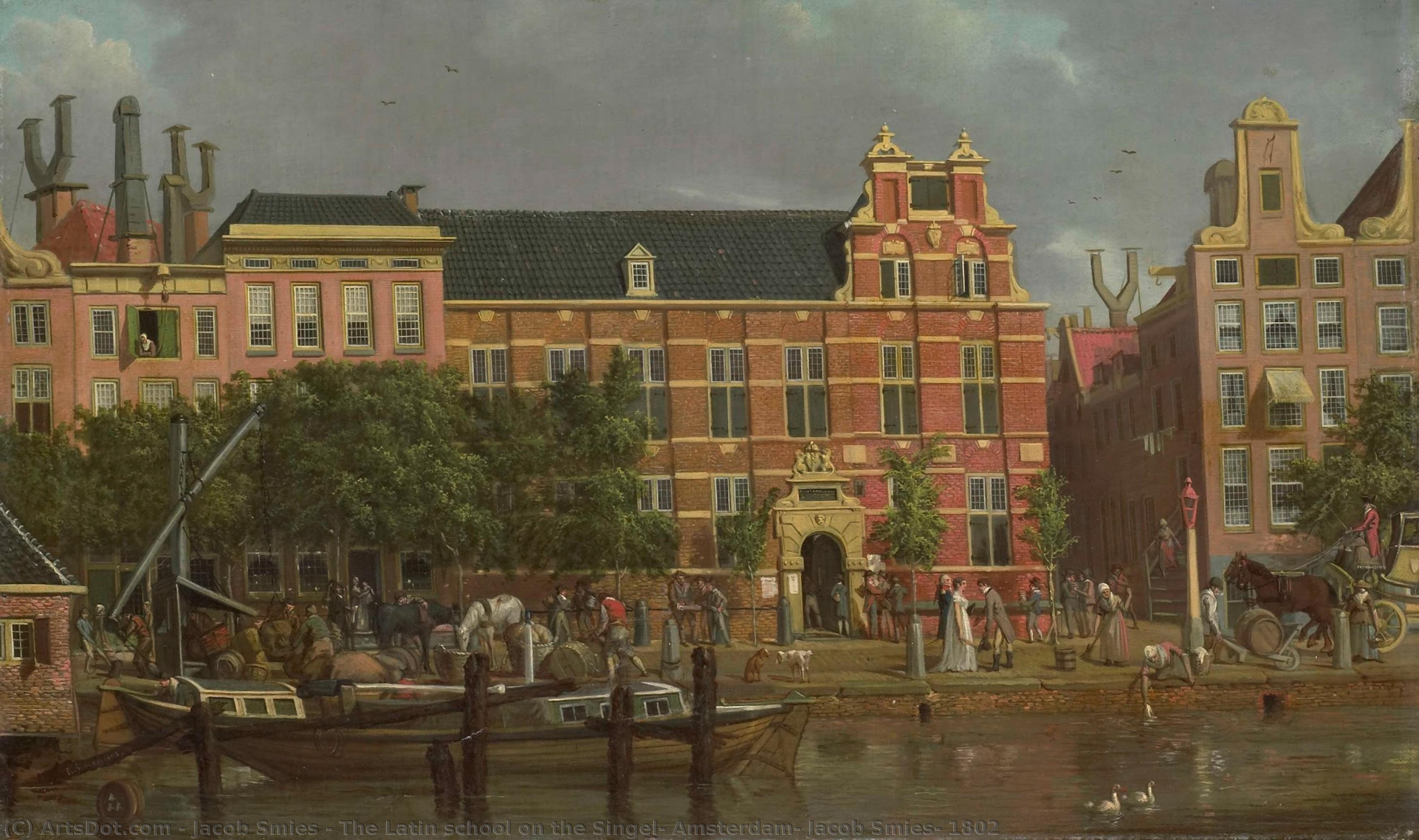
The Latin school on the Singel, Amsterdam, Jacob Smies, 1802
 1802
1802 45.0 x 75.0 cm
 詳細を見る
詳細を見る
オンラインプレビューをはるかに凌ぐ、高解像度で鮮明なデジタル画像をご購入いただけます。
各ファイルは、社内の専門家が高度なツールと熟練した手作業によるレタッチを用いて、細心の注意を払って準備されています。すべての画像において、卓越した鮮明度、正確な色彩再現性、そして繊細なディテールを保証いたします。
最終ファイルは、プロフェッショナルな編集・印刷環境ですぐにご利用いただけるよう最適化された状態で、72時間以内にメールにてお届けいたします。これは、一流のデザインスタジオ、出版社、ギャラリーから信頼されているものと同等の品質です。
デジタル画像のご注文に付随する特典
高品質なデジタル画像配信を、確かな品質で。
ArtsDot.com を選ぶことは、単に画像を手に入れることではありません。それは、プロの手によって精密に仕上げられ、満足保証が付いた高品質なデジタルアートワークを受け取ることを意味します。ご注文いただいた際に自動的に付随する内容は、以下の通りです:

メールですぐにお届け
ご注文から72時間以内に、高解像度のデジタル画像ファイルがメールでお手元に届きます。すぐにそのままご利用いただけます。

AI技術で最適化されたデジタルファイル
お客様の作品は、高度なAIツールと専門家による手作業の編集を組み合わせてプロフェッショナルに最適化されており、細部のディテール、鮮明さ、そして正確な色再現性を最大限に引き出しています。

一生涯無料の再送サービス
ファイルを誤って削除したり、紛失してしまったりしましたか?ご安心ください。いつでも無料で再送いたします。

輸入手数料は一切かかりません
関税や手数料、配送料を気にすることなく、お気に入りのアートワークをすぐにお楽しみいただけます。デジタルダウンロードは常に免税です。

色彩再現の保証
プロ仕様のツールとカラーマネジメント技術を用いることで、デジタル画像が元の色を最大限に忠実に再現することを保証いたします。

100日間満足保証
ご購入いただいたデジタル画像にご満足いただけない場合は、100日以内であれば、修正または100%の返金(理由を問う必要はありません)をさせていただきます。

100% 返金保証
ご満足いただけない場合は、デジタルファイルを受け取ってから100日以内であれば、理由を問わず全額返金いたします。

まとめ買い割引
3枚購入で10%OFF - 5枚購入で15%OFF - 10枚以上購入で20%OFF。クリエイティブなプロジェクト、ギャラリー、エージェンシーに最適です。
関連作品








作家の略歴
Early Life and Artistic Foundations
Jacob Smies, born in Amsterdam on June 11th, 1764, emerged into a city steeped in artistic tradition yet poised for significant change. The Dutch Golden Age’s brilliance had faded, but a renewed interest in classical ideals was taking root, shaping the nascent Neoclassical movement that would come to define much of Smies's career. His father, also named Jacob Smies, was a printmaker and illustrator, providing young Jacob with an early immersion into the world of visual art. This familial connection proved pivotal; it wasn’t merely exposure but a direct apprenticeship that laid the groundwork for his technical skill and understanding of artistic processes.
Smies's initial training focused on draftsmanship and printmaking—disciplines demanding precision and attention to detail. These early exercises instilled in him a meticulous approach, evident throughout his later paintings. While details regarding his formal education remain somewhat scarce, it’s clear he benefited from the vibrant artistic community of Amsterdam, absorbing influences from both established masters and emerging trends. The city itself served as an inspiration; its canals, architecture, and bustling street life would frequently appear in his work.
A Rising Figure in the Neoclassical Landscape
As Smies matured, he transitioned from printmaking to painting, embracing the principles of Neoclassicism. This style, characterized by a return to classical forms, balanced compositions, and restrained emotion, resonated with the political and social climate of the time. Smies’s paintings began to reflect this aesthetic—portraits exhibiting dignified composure, scenes imbued with historical or moral significance, and landscapes rendered with clarity and order. He participated actively in exhibitions held in Amsterdam and The Hague until 1840, steadily gaining recognition for his refined technique and thoughtful subject matter.
His work during this period wasn’t simply imitation of classical models; Smies infused it with a distinctly Dutch sensibility. He didn't abandon the realism inherited from earlier traditions but rather integrated it into a more structured, idealized framework. This balance is particularly noticeable in his depictions of everyday life—scenes elevated through careful composition and subtle symbolism. The Latin School on the Singel, Amsterdam, painted in 1802, exemplifies this approach; it’s not merely a record of a schoolroom but a carefully constructed tableau reflecting ideals of education and civic virtue.
Court Painter and Civic Engagement
A significant turning point came in 1824 when Smies received the prestigious appointment as court painter. This followed his successful completion of a portrait of King William I, solidifying his position within Dutch society and granting him access to influential circles. Becoming court painter wasn’t just an honor; it meant commissions for portraits of prominent figures, further enhancing his reputation and financial stability.
However, Smies was not solely defined by his role as a portraitist. The tumultuous events of the Belgian Revolution saw him enlist in the army, rising to the rank of sergeant-major in the Hague militia—a testament to his sense of civic duty. This unexpected turn reveals a complex personality beyond the confines of the studio. Later, he became an active member of the Amsterdam branch of the ‘united commission to erect a monument for Rembrandt’ in 1841, demonstrating his commitment to preserving and celebrating Dutch artistic heritage.
Later Years and Lasting Legacy
The latter part of Smies's life took an intriguing turn with his move to Paris around 1850. This wasn’t a retreat but rather a deliberate attempt to engage with the broader European art scene. In 1853, he presented Emperor Napoleon III with a miniature portrait of Louis Bonaparte—a gesture indicative of both his diplomatic skills and artistic prowess.
While the exact date of Smies's death remains uncertain, speculation points towards 1864. His legacy, however, endures as a representative figure of Dutch Neoclassicism. He successfully blended classical ideals with Dutch realism, creating works that were both aesthetically pleasing and imbued with subtle meaning. Jacob Smies wasn’t merely a painter; he was a product of his time—a skilled craftsman, a dedicated courtier, a patriotic citizen, and an artist who left a lasting mark on the artistic landscape of the Netherlands.
- Key Characteristics: Neoclassical style, meticulous detail, balanced compositions, portraiture, scenes with moral or historical themes.
- Influences: Dutch Golden Age realism, classical art and architecture, contemporary political climate.
- Major Works: The Latin School on the Singel, Amsterdam (1802), portraits of King William I and Louis Bonaparte.
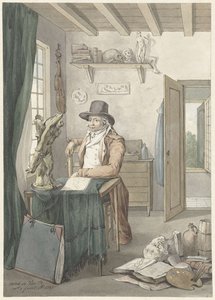
jacob smies
1764 - 1833 , Netherlands
プロフィール概要
- Artistic Movement Or Style: Neoclassicism
- Artists Who Influenced This Artist: ['Jacob Smies (printmaker)']
- Date Of Birth: June 11, 1764
- Date Of Death: August 14, 1833
- Full Name: Jacob Smies
- Nationality: Dutch
- Notable Artworks: ['The Latin School']
- Place Of Birth: Amsterdam, Netherlands