

 プレビュー
プレビュー
 シェアする
シェアする シェアする
シェアする
 詳細を見る
詳細を見る

 ダウンロード
 似ている作品
 X線調査
X線調査 スライドショー
 統計情報
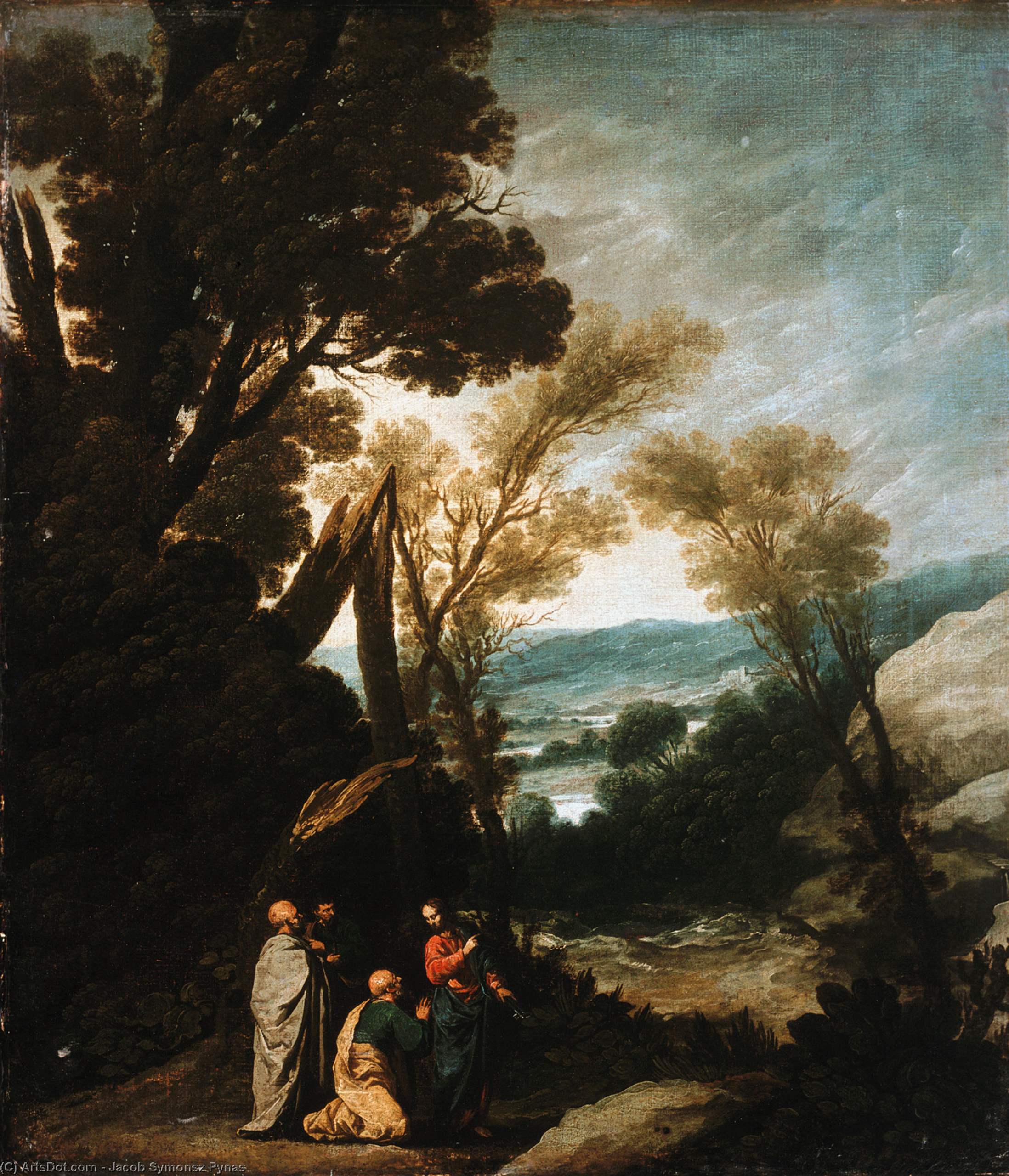
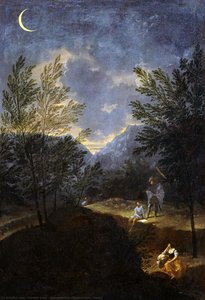
統計情報Landscape with Christ handing the keys to St. Petru
 詳細を見る
詳細を見る
ジークレー/アートプリント
迅速な制作と多彩な仕上げオプションを備えた、ミュージアムクオリティのジークレーまたはキャンバスプリント。 ( 手描きの絵画を購入 デジタル画像販売へ切り替え)




































作品のオリジナル比率に合わせた、当店の規定サイズからお選びください。

特定のフレームやスペースに合わせて、ご自身でサイズを指定することも可能です。選択されたサイズが元の画像の比率と一致しない場合、作品をトリミングするか、鏡面反射または単色での塗りつぶしによって画像を拡張いたします。制作を開始する前に、ご確認用のデジタルモックアップをお送りいたします。
画面上のプレビューには、実際のトリミングや拡張は反映されませんのでご注意ください。最終的な構図を正確に確認できるのは、モックアップのみとなります。
カスタムサイズも承っておりますが、元の比率を維持するためには、あらかじめ用意されたリストからサイズを選択することをお勧めいたします。


 ガラスオプションは、110cm未満のサイズでのみご利用いただけます。

Landscape with Christ handing the keys to St. Petru
ジークレー/アートプリント
複製画のサイズ
-


合計金額
$ 62
関連作品

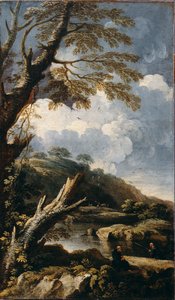

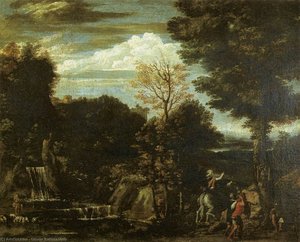
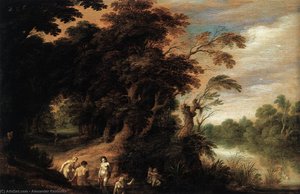
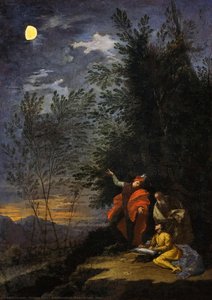
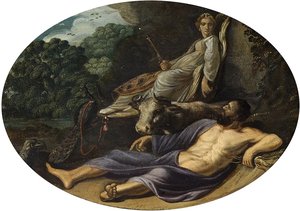
アーティストの略歴
The Master of the Pre-Rembrandtist Circle
In the vibrant, bustling atmosphere of the Dutch Golden Age, few names evoke as much historical intrigue as Jacob Symonsz Pynas. A painter whose brushstrokes helped bridge the gap between the fading echoes of Mannerism and the burgeoning realism of the Baroque, Pynas occupied a unique position in the seventeenth-century artistic landscape. Born around 1592, likely in Amsterdam or Haarlem, he emerged from a family of distinction; his father, Symon Jansz. Brouwer, was a prosperous merchant who had adopted the name Pynas, signaling a new era of social climbing and cultural ambition. This background of stability and prestige provided the foundation upon which Jacob would build a career defined by narrative grandeur and technical sophistication.
While history often casts him in the shadow of his most famous pupil, Rembrandt van Rijn, to view Pynals merely as a footnote is to miss the profound significance of his contribution. In 1625, for a brief but transformative period, Pynas served as a mentor to the young Rembrandt. This connection placed him at the very heart of the Pre-Rembrandtist movement, a circle of artists who sought to move away from the artificiality of earlier styles toward a more emotive, dramatic, and naturalistic way of depicting the human condition. Through his teaching, Pynas helped cultivate the seeds of light and shadow that would eventually bloom into the masterpieces of the Dutch era.
A Synthesis of Northern Spirit and Italian Grandeur
The evolution of Pynas’s style is a journey through the shifting artistic currents of Europe. His early training under the renowned Pieter Lastman instilled in him a mastery of monumental biblical compositions and historical storytelling. However, it was the infusion of Italianate influences that truly elevated his work. Whether he undertook physical travels to the sun-drenched landscapes of Italy or simply absorbed the works of masters like Adam Elsheimer through prints and shared knowledge, the impact on his palette was undeniable. His canvases began to breathe with a new sense of atmosphere, characterized by dramatic lighting and a rich, warm color palette that suggested the warmth of the Mediterranean.
Pynas possessed a remarkable ability to blend these disparate worlds. In his landscapes, one can observe a meticulous attention to detail—the texture of a weathered stone, the translucency of water, or the way light filters through a dense canopy of trees—yet these elements are always subservient to a larger, more dramatic narrative. His religious works, such as depictions of biblical figures like St. Paul, are not merely instructional; they are theatrical experiences. He utilized chiaroscroll techniques to guide the viewer's eye, creating moments of profound spiritual tension and quiet contemplation that resonate with an almost palpable emotional weight.
Legacy and the Art of Narrative
The enduring significance of Jacob Symonsz Pynas lies in his role as a transitional figure. He stood at the crossroads of history, holding the torch for the classical traditions of the past while illuminating the path toward the modern realism of the future. His work, often difficult to distinguish from that of his brother Jan Pynas due to their shared stylistic language, represents a period of intense experimentation and growth in Dutch art. He helped establish a vocabulary of landscape and history painting that would influence generations of artists long after his activity ceased around 1650.
To study the works of Pynas is to witness the birth of a new way of seeing. His achievements can be summarized through several key artistic pillars:
- The Cultivation of Light: His use of dramatic illumination served as a precursor to the profound chiaroscuro that would define the later Dutch masters.
- Narrative Depth: He moved beyond simple illustration, imbuing biblical and historical scenes with psychological complexity and human emotion.
- Landscape Innovation: By integrating Italianate atmospheric qualities into Northern European settings, he helped create a new, idealized genre of landscape painting.
- Mentorship and Influence: His brief tenure as a teacher to Rembrandt ensured that his stylistic DNA would be woven into the very fabric of art history's most celebrated era.
Ultimately, Jacob Symonsz Pynas remains a vital figure for any student of the Golden Age. He was an artist of profound intellect and sensitivity, a man who could capture both the monumental scale of divine history and the delicate, fleeting beauty of the natural world.
jacob symonsz pynas
1583 - 1631 , Netherlands
基本情報
- Artistic Movement Or Style: Dutch Golden Age
- Artists Or Movements Influenced By This Artist: ['Rembrandt']
- Artists Who Influenced This Artist: ['Adam Elsheimer']
- Date Of Birth: 1592 or 1593
- Full Name: Jacob Symonsz Pynas
- Nationality: Dutch
- Notable Artworks:
- Ruth decides with Naomi to Bethlehem.
- Meeting Of Jacob And Esau.
- The good Samaritan
- Place Of Birth: Alkmaar, Netherlands