

 プレビュー
プレビュー
 プリントを購入
 シェアする
シェアする シェアする
シェアする
 詳細を見る
詳細を見る

 ダウンロード
 似ている作品
 X線調査
X線調査 スライドショー
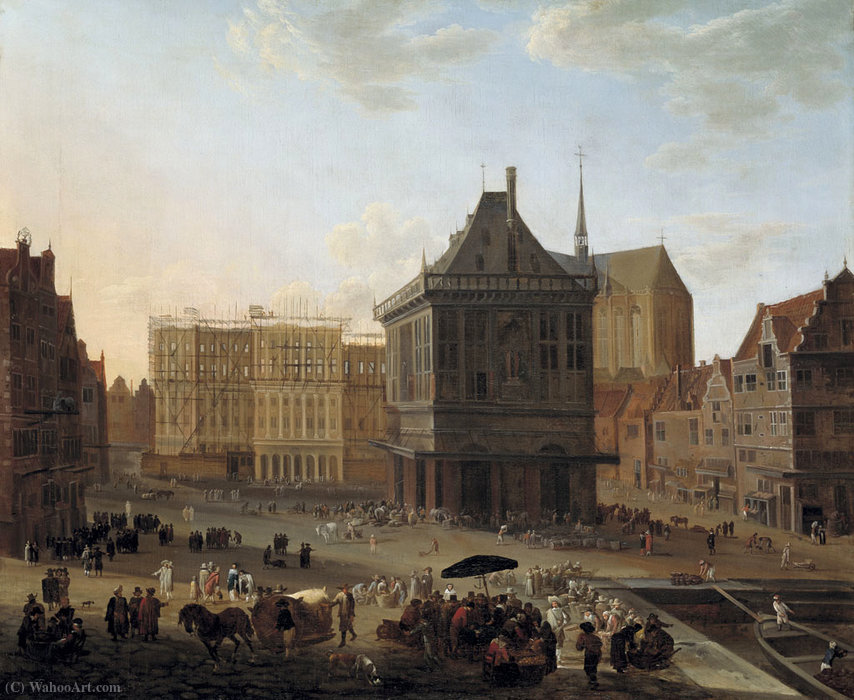
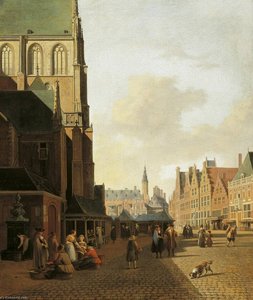
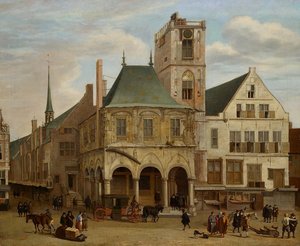
Dam Square with the City Hall under construction-Dam
 詳細を見る
詳細を見る
オンラインプレビューをはるかに凌ぐ、高解像度で鮮明なデジタル画像をご購入いただけます。
各ファイルは、社内の専門家が高度なツールと熟練した手作業によるレタッチを用いて、細心の注意を払って準備されています。すべての画像において、卓越した鮮明度、正確な色彩再現性、そして繊細なディテールを保証いたします。
最終ファイルは、プロフェッショナルな編集・印刷環境ですぐにご利用いただけるよう最適化された状態で、72時間以内にメールにてお届けいたします。これは、一流のデザインスタジオ、出版社、ギャラリーから信頼されているものと同等の品質です。
デジタル画像のご注文に付随する特典
高品質なデジタル画像配信を、確かな品質で。
ArtsDot.com を選ぶことは、単に画像を手に入れることではありません。それは、プロの手によって精密に仕上げられ、満足保証が付いた高品質なデジタルアートワークを受け取ることを意味します。ご注文いただいた際に自動的に付随する内容は、以下の通りです:

メールですぐにお届け
ご注文から72時間以内に、高解像度のデジタル画像ファイルがメールでお手元に届きます。すぐにそのままご利用いただけます。

AI技術で最適化されたデジタルファイル
お客様の作品は、高度なAIツールと専門家による手作業の編集を組み合わせてプロフェッショナルに最適化されており、細部のディテール、鮮明さ、そして正確な色再現性を最大限に引き出しています。

一生涯無料の再送サービス
ファイルを誤って削除したり、紛失してしまったりしましたか?ご安心ください。いつでも無料で再送いたします。

輸入手数料は一切かかりません
関税や手数料、配送料を気にすることなく、お気に入りのアートワークをすぐにお楽しみいただけます。デジタルダウンロードは常に免税です。

色彩再現の保証
プロ仕様のツールとカラーマネジメント技術を用いることで、デジタル画像が元の色を最大限に忠実に再現することを保証いたします。

60日間満足保証
ご購入いただいたデジタル画像にご満足いただけない場合は、60日以内であれば、修正または100%の返金(理由を問う必要はありません)をさせていただきます。

100% 返金保証
ご満足いただけない場合は、デジタルファイルを受け取ってから60日以内であれば、理由を問わず全額返金いたします。

まとめ買い割引
3枚購入で10%OFF - 5枚購入で15%OFF - 10枚以上購入で20%OFF。クリエイティブなプロジェクト、ギャラリー、エージェンシーに最適です。
関連作品






作家の略歴
The Architect of Imaginary Rome
In the golden twilight of the Dutch Golden Age, few figures embodied the era's unique blend of civic duty and artistic wanderlust as profoundly as Jacob van der Ulft. Born in the fortified town of Gorinchem around 1627, his life was a remarkable tapestry woven from the threads of administrative power and delicate artistry. As the son of a mayor, Van der Ulft was destined for a life of prominence within the Dutch Republic, eventually ascending to the office of burgomaster himself between 1660 and 1679. Yet, beneath the weight of political responsibility lay the soul of a visionary, an artist capable of transporting his viewers from the bustling streets of the Netherlands to the sun-drenched, ancient ruins of a Rome he likely never visited.
Van der Ulft’s artistry was characterized by a profound sense of architectural precision and a mastery of the capriccio—a genre of painting that blends real topographical elements with imaginary, often fantastical, classical structures. While his official duties required him to document the fortifications and heraldic shields of Gorinchem, his private passion led him toward the creation of expansive Italianate landscapes. These works, often executed in pen-and-ink, washes, or gouache, possess a structural integrity that suggests the eye of an architect. He had a singular ability to evoke the grandeur of the Pantheon, the Forum, and the Temple of Vesta, using prints and sketches from travelers as his guides to reconstruct a lost classical world with startling authenticity.
A Master of Light and Glass
Beyond the sweeping vistas of his landscapes, Van der Ulft achieved a specialized renown that set him apart from his contemporaries: the art of the glass painter. The esteemed biographer Arnold Houbraken once lauded him as perhaps the finest glass painter of his century, a title earned through his painstaking efforts to revive and refine the techniques of masters like Dirk and Wouter Crabeth. This facet of his work required not just an eye for composition, but a deep understanding of how light interacts with color and transparency. His stained glass contributions, often adorning churches and civic buildings throughout Holland, brought biblical narratives and heraldic emblems to life through a luminous, ethereal glow.
His technical development was deeply intertwined with the intellectual currents of his time. Much like the dilettante draughtsman Jan de Bisschop, Van der Ulft’s style reflected a sophisticated engagement with the broader European tradition. His drawings and paintings often mirrored the delicate handling of light and architectural detail found in De Bisschop's work, suggesting a shared aesthetic language among the Dutch elite who pursued art as both a passion and a scholarly endeavor. This period of his life was marked by an intense study of form, where the boundaries between documentation and imagination became beautifully blurred.
Legacy of a Multifaceted Visionary
The later years of Van der Ulft’s life were marked by transition and movement. Following accusations of corruption in 1679 that forced him from his political stronghold in Gorinchem, he relocated to Noordwijk. Even in this period of personal upheaval, his creative output remained a testament to his resilience. He continued to refine his landscapes and architectural views, leaving behind a body of work that serves as a vital link between the meticulous topographical traditions of the Netherlands and the romanticized classical ideals of the Baroque era.
The historical significance of Jacob van der Ulft lies in his ability to bridge disparate worlds. He was simultaneously a man of the state and a man of the brush, a recorder of local history and a creator of universal myth. His legacy is preserved not only in the surviving oil paintings and intricate drawings held in prestigious collections like the Rijksmuseum but also in the enduring charm of his imagined ruins. Through his work, the architectural splendor of antiquity was kept alive in the Dutch imagination, ensuring that even those who never crossed the Alps could feel the weight of history and the light of the Mediterranean sun.
Jacob van der Ulft
1627 - 1689 , Netherlands
プロフィール概要
- Artistic Movement Or Style: Italianate Landscape Painting
- Artists Or Movements Influenced By This Artist: ['Dutch Golden Age']
- Artists Who Influenced This Artist: ['Pieter Jansz Saenredam']
- Date Of Birth: 1627
- Date Of Death: 1689
- Full Name: Jacob van der Ulft
- Nationality: Dutch
- Notable Artworks:
- An Italianate Capriccio In A Mediterranean Harbour
- An Imaginary View Of 'het Tolhuis' On The River
- Place Of Birth: Gorinchem, Netherlands

