

 プレビュー
プレビュー
 プリントを購入
 シェアする
シェアする シェアする
シェアする
 詳細を見る
詳細を見る

 ダウンロード
 似ている作品
 X線調査
X線調査 スライドショー
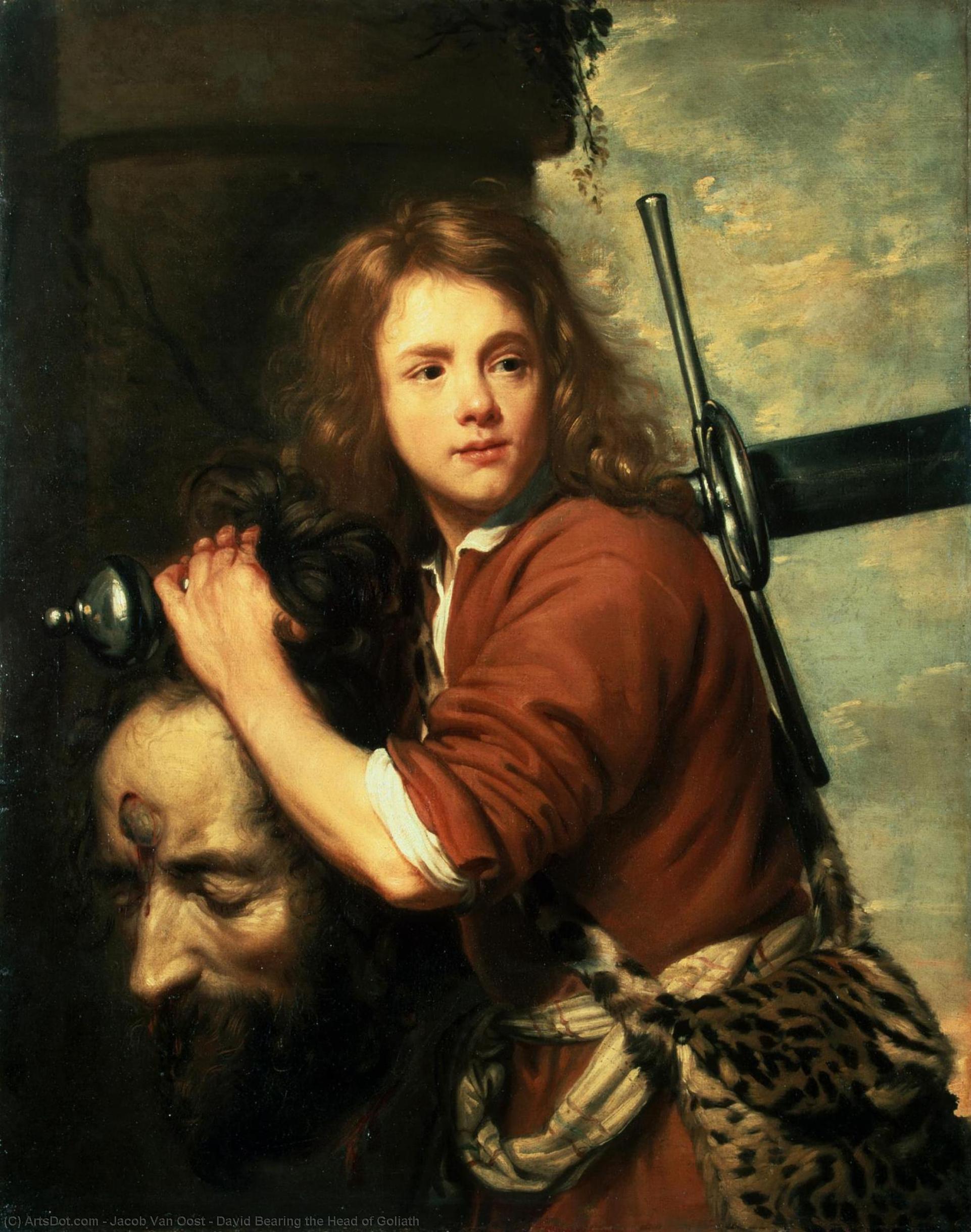
David Bearing the Head of Goliath
 Acrylic On Canvas
- WallArt
- Baroque
 1643
1643 102.0 x 81.0 cm
 エルミタージュ美術館
 詳細を見る
詳細を見る




P118B $10

P118H $10

P118W $10

P438Z $10

P508JH $12

P508YH $12

P805H $10

P805Z $10

P919BZ $10

P919G $10

P919XJ $10

P959ZH $10

P968JZ $12

W106C $8

W218G $10

W218JH $8

W218Y $10

W307PJ $10

W316G $10

W316PJ $8

W316Y $10

W398PJ $8

W4111J $10

W500HY $15

W500JH $15

W692G $12

W849H $8

W940BG $15

W953PJ $8




作品のオリジナル比率に合わせた、当店の規定サイズからお選びください。

特定のフレームやスペースに合わせて、ご希望のサイズをご入力いただけます。選択されたサイズが元の画像の比率と異なる場合、アートワークをトリミングするか、手描きで要素を追加して絵画を拡張いたします。デジタルモックアップ を制作し、制作開始前にご確認(承認)をいただきます。
画面上のプレビューは、実際のトリミングや拡張を正確に反映しているものではありません。最終的な構図は、モックアップによってのみ正確にご確認いただけます。
カスタムサイズもご利用いただけますが、元の比率を維持するためには、あらかじめ用意されたリストからサイズを選択することをお勧めいたします。
ご注文後、ArtsDot.com チームより詳細な指示をお送りするとともに、仕上がりイメージ(モックアップ)をご提供いたします。


 ガラスオプションは、110cm未満のサイズでのみご利用いただけます。

David Bearing the Head of Goliath
複製技法
複製画のサイズ
-


合計金額
$ 263
作品解説
David Bearing the Head of Goliath – A Testament to Victory and Vulnerability
Jacob van Oost’s “David Bearing the Head of Goliath,” painted in 1643, is not merely a depiction of a biblical narrative; it's a profound meditation on courage, vulnerability, and the unexpected triumph of youth over overwhelming odds. This arresting canvas, now housed within the esteemed collection of the Hermitage Museum in St. Petersburg, immediately commands attention with its dramatic lighting and intensely focused composition. Van Oost masterfully channels the spirit of Caravaggio, employing a technique known as chiaroscuro – a stark contrast between light and shadow – to sculpt the figures and imbue the scene with an almost theatrical intensity.
The painting’s genesis lies in the Old Testament story of David’s legendary victory against the giant Goliath. However, Van Oost transcends simple illustration; he delves into the psychological drama of the moment. The young shepherd, David, is rendered not as a heroic warrior, but as a boy grappling with an immense responsibility and the weight of his impending triumph. His posture is one of quiet determination, yet there’s also a palpable sense of vulnerability in his expression – a hint of apprehension beneath the surface of youthful confidence. The colossal head of Goliath, brutally severed from its body, dominates the lower portion of the canvas, serving as a stark reminder of the immense challenge David faced and the brutal cost of victory.
A Baroque Masterclass: Technique and Style
Van Oost’s artistic prowess is evident in every brushstroke. He employs a rich, layered technique, building up the forms with meticulous detail and utilizing a vibrant palette dominated by earthy tones – ochres, browns, and deep reds – punctuated by flashes of brilliant white light. The texture of David's clothing, the rough surface of the stone he holds, and the glistening blood on Goliath’s head are rendered with remarkable realism. The artist skillfully utilizes atmospheric perspective, creating a sense of depth and distance that draws the viewer into the scene. Notice how the background fades into darkness, emphasizing the central figures and intensifying the drama.
Furthermore, Van Oost's style is deeply rooted in the Baroque period, characterized by its dynamism, emotional intensity, and dramatic use of light and shadow. He was heavily influenced by Caravaggio’s innovative approach to painting, particularly his ability to create a sense of immediacy and realism through the manipulation of light. This influence can be seen in the way Van Oost uses light to highlight David's face and hands, drawing the viewer's attention to the boy who embodies hope and resilience.
Symbolism and Interpretation
Beyond the literal depiction of a biblical event, “David Bearing the Head of Goliath” is laden with symbolic meaning. The severed head of Goliath represents not only physical defeat but also the crushing of arrogance and tyranny. David’s victory symbolizes the triumph of righteousness over wickedness, faith over fear, and youth over age. The act of carrying the head – a gesture of both triumph and solemn responsibility – underscores the weight of leadership and the consequences of action.
Interestingly, Van Oost's choice to depict the *moment* after the victory is crucial. He doesn’t show David celebrating his triumph; instead, he captures the quiet contemplation that follows an act of courage. This subtle detail elevates the painting beyond a simple narrative illustration and transforms it into a poignant meditation on the complexities of heroism and the enduring power of faith.
A Timeless Masterpiece – Reproduction Possibilities
Reproductions of “David Bearing the Head of Goliath” offer an exceptional opportunity to bring this powerful artwork into your home or office. Our hand-painted reproductions meticulously recreate Van Oost’s masterful technique, capturing the drama, emotion, and symbolic depth of the original painting. Each reproduction is created by skilled artists using archival-quality materials, ensuring that it will last for generations to come. The size options available allow you to select a piece perfectly suited to your space, from intimate wall decor to grand statement pieces.
Whether you are an art enthusiast, a collector seeking to expand your collection, or simply someone who appreciates the beauty and power of great art, “David Bearing the Head of Goliath” is a timeless masterpiece that will undoubtedly captivate and inspire. Explore our selection today and bring this iconic image into your world.
関連作品

アーティストの略歴
jacob van oostは、ヨハネス・ファン・オースト・エ・ゲラールディネ・ウェイツの子としてブルージュに生まれました。彼は裕福で確固たる家庭の出身でした。彼の師が誰であったかは定かではありませんが、おそらく兄のフランス・ファン・オーストから学んだのでしょう。
jacob van oostは1621年にブルージュの聖ルークギルドの親方となりました。その年、彼はイタリアへ渡ります。イタリアでの滞在中に制作した作品は特定されていませんが、ローマに過ごした5年間ではアニバル・カラッチのもとで学んだ可能性があります。1628年にブルージュに戻った後、彼は1629年10月13日に地元の聖ルークギルドの「ステデホーダー」(管理者)となりました。1630年にはブルージュでジャクエムヌ・ファン・オーバーディルと結婚し、妻は翌年亡くなり、彼には息子マールテンが一人残りました。そして1633年、jacob van oostはマリア・ファン・トッレナールと再婚し、二人は六人の子供をもうけました。彼の息子たちであるジェイコブ・ザ・ヤンガーとヴィレムはそれぞれ著名な画家となりました。孫のドミニク=ジョゼフ・ファン・オーストは、リールで活動した肖像画および歴史画家です。
jacob van oostは、1632年から1633年にかけて、ブルージュの旧聖ドナース教会(現グローニンヘム美術館所蔵)に収められているヤン・ファン・エイクの有名な『カノン・ファン・デア・パエレと幼子イエス』の修復を依頼されました。1633年から1662年にかけて、jacob van oostは聖ルークギルド内で様々な役職を歴任し、時にはギルドの院長を務めました。1651年より死没するまで、彼はブルージュの公認の市立画家でした。
彼の登録された弟子たちには、息子たちのジェイコブ・ザ・ヤンガーとヴィレムに加え、ボドゥウィン・ボデ、フランショエス・ゲイリアールト、ヤン・マース、ヤン・バティスト・ファン・メウニンクショーヴ、ヤン・ラモン、アルノルドゥス・デ・ローゼらがいます。
van oostはブルージュで亡くなりました。
jacob van oostは、地元のブルジョワジーのための肖像画や歴史画を数多く残した多作な画家でした。彼は主に対抗宗教改革の精神を反映した祭壇画と肖像画で知られています。一方で、室内に人物(音楽団、トランププレイヤー、占い師など)を描いた世俗的な風俗画は、おそらく個人の依頼や市場向けのものであったと考えられます。また、ファン・ダイクやルーベンスの模写も行っています。van oostは17世紀ブルージュを代表する画家でした。
彼の作品は、カラヴァッジオのような初期バロックの画家や、イタリア滞在中に学んだバルテルモリオ・マンフレディの影響を強く受けています。カラヴァッジオの影響は、キアロスクーロの効果や非理想化された人物像に見ることができます。その一例が1630年の『羊飼たちの崇敬』(エルミタージュ美術館)です。1630年代の風俗画にはバルテルモリオ・マンフレディの影響が見られます。例えば、『トランププレイヤー』(1634年、私設コレクション)などが挙げられます。
この初期カラヴァッジ的な影響を経て、彼の作品はより記念碑的な人物像と、アニバル・カラッチとその追随者ドメニコジーノの作品を反映したより古典主義的な処理へと発展しました。1650年代からは、感情表現の豊かさ、劇的な空間効果の使用、そしてヴェネツィア絵画に近いパレットを用いるようになりました。この時期のvan oostの絵画には、フェデリコ・バロッチ、コレッジョ、アントニー・ファン・ダイクの影響が見られます。時には単にファン・ダイクの構図を模写することさえありました。このような様式の発展は当時のフランドル美術家たちによく見られるものでしたが、van oostの作品に見られる明快な構成と力強いモデリングは、彼独自の作風を際立たせています。
彼の肖像画は概して定型化されている側面がありますが、『ブルージュの家族の肖像』(1645年、グローニンヘム美術館所蔵)は、細心の注意が払われた構図を見せています。その象徴的で記念碑的な性格から、高度なバロック絵画の傑作と見なすことができます。
彼の宗教作品の多くは今もブルージュの教会で見ることができます。ブルージュの聖サルヴァトール大聖堂には、jacob van oostによる13点の絵画が所蔵されており、教会内を巡りながら現地で鑑賞することが可能です。また、ベルリンのゲマアルデガレエ、ブルージュのグローニンヘム美術館、ロンドンのナショナル・ギャラリー、パリのルーヴル美術館、フィラデルフィア美術館、サンクトペテルブルクのエルミタージュ美術館など、世界中の美術館で彼の作品を見ることができます。
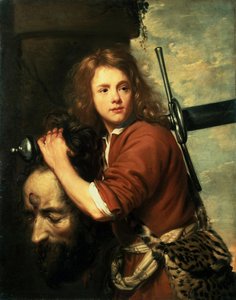
ヤコブ・ファン・オースト
1637 - 1713 , ベルギー
基本情報
- Artistic Movement Or Style: バロック絵画
- Artists Or Movements Influenced By This Artist: ['ヤコブ・ファン・オースト(年少)']
- Artists Who Influenced This Artist:
- カラヴァッジオ
- アニバル・カラッチ
- ヴァン・ダイク
- Date Of Birth: 1603年
- Date Of Death: 1671年
- Full Name: ヤコブ・ファン・オースト(長老)
- Nationality: フランドル人
- Notable Artworks:
- ゴリアテの首を持つダビデ
- カード詐欺師たち
- 男性の肖像
- 聖家族
- Place Of Birth: ブルージュ、ベルギー
関連記事

レンブラント傑作25選:光と影の巨匠、魂を揺さぶる名画の世界 | ArtsDot
レンブラントの傑作25選。光と影の魔術師が描いた魂を揺さぶる名画の世界へ。美術史に残る自画像、夜警、宗教画…ArtsDotで高品質なアートプリントやインテリアアートをお楽しみください。コレクションはこちら→

バロック美術を極めた至宝:時代を彩る10大名作の世界
バロック美術の華!カラヴァッジョ、ベルニーニら巨匠が創り上げた10大名作を徹底解剖。ドラマチックな色彩と豪華絢爛の世界観に触れ、至宝のアートプリントで空間を彩ろう。ArtsDot.comで美術館品質の複製と洗練されたインテリアを見つけましょう!
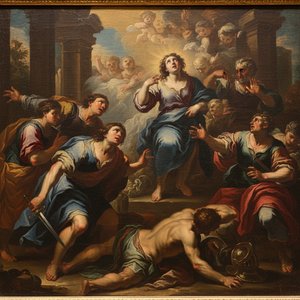
The Dramatic Flourish: Exploring Baroque Painting's Emotional Intensity & Artistic Innovations
Explore the dramatic world of Baroque painting! Discover its history, defining characteristics, iconic artists like Caravaggio & Rubens, and lasting influence on Western art. Expert insights for collectors.

The Dramatic Flourish: Exploring the Baroque Movement's Enduring Legacy in Art History
Explore the dramatic world of Baroque art! Discover iconic artists like Caravaggio & Rubens, defining techniques, and its lasting impact on art history. Expert insights for collectors & enthusiasts at ArtsDot.

The Visceral Stage: Exploring Dramatic Narratives & Emotional Intensity in Baroque Art
Explore the dramatic world of Baroque art! Discover iconic masters like Caravaggio & Rembrandt, their techniques, and the movement's lasting impact. Expert insights for collectors & enthusiasts at ArtsDot.

