

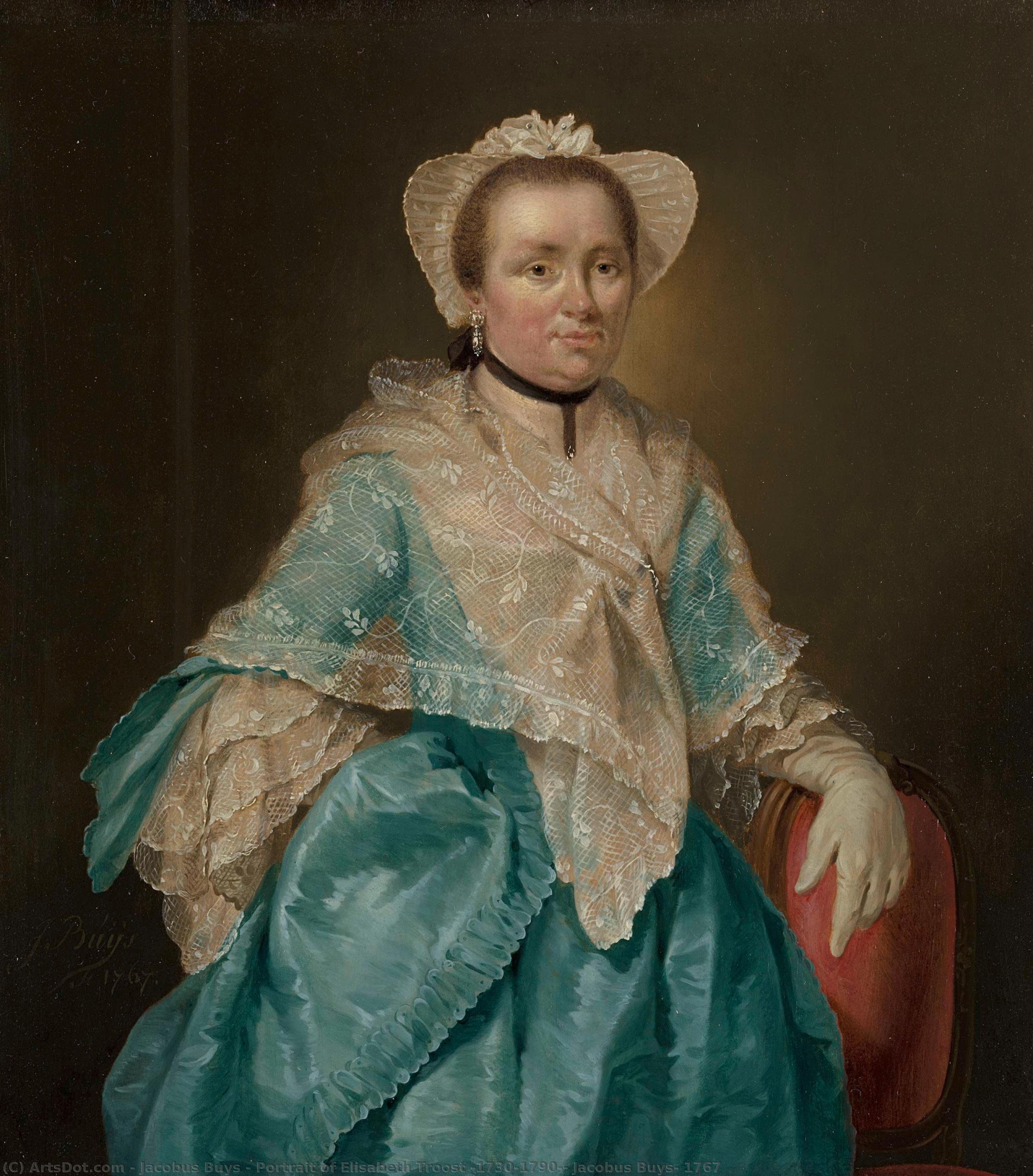
 プレビュー
プレビュー
 シェアする
シェアする シェアする
シェアする
 詳細を見る
詳細を見る

 ダウンロード
 似ている作品
 X線調査
X線調査 スライドショー
 統計情報
統計情報Portrait of Elisabeth Troost (1730-1790), Jacobus Buys, 1767
 1767
1767 25.0 x 23.0 cm
 詳細を見る
詳細を見る
手描き油彩複製画
当社のアーティストが、お客様のご希望のサイズと額縁に合わせて、キャンバスに手描きで制作する油彩画です。 ( プリント版に切り替え デジタル画像販売へ切り替え)




































作品のオリジナル比率に合わせた、当店の規定サイズからお選びください。

特定のフレームやスペースに合わせて、ご希望のサイズをご入力いただけます。選択されたサイズが元の画像の比率と異なる場合、アートワークをトリミングするか、手描きで要素を追加して絵画を拡張いたします。デジタルモックアップ を制作し、制作開始前にご確認(承認)をいただきます。
画面上のプレビューは、実際のトリミングや拡張を正確に反映しているものではありません。最終的な構図は、モックアップによってのみ正確にご確認いただけます。
カスタムサイズもご利用いただけますが、元の比率を維持するためには、あらかじめ用意されたリストからサイズを選択することをお勧めいたします。
ご注文後、ArtsDot.com チームより詳細な指示をお送りするとともに、仕上がりイメージ(モックアップ)をご提供いたします。


 ガラスオプションは、110cm未満のサイズでのみご利用いただけます。

Portrait of Elisabeth Troost (1730-1790), Jacobus Buys, 1767
複製技法
複製画のサイズ
-


合計金額
$ 263
関連作品







アーティストの略歴
A Life Dedicated to Rococo Elegance: Jacobus Buys
Born in Amsterdam in 1724, Jacobus Buys emerged into a world steeped in the refined sensibilities of the Dutch Rococo period. His father, a wig-maker, provided a stable upbringing, though young Jacobus’s artistic inclinations quickly steered him toward a different path. He embarked on his formal training under Cornelis Pronk and later with Jacob de Wit, both established figures within Amsterdam's art circles. This early education laid the foundation for Buys’s distinctive style—a delicate balance between portraiture, theatrical scene painting, and an exquisite attention to detail that would define his career. He further honed his skills studying under Cornelis Troost, solidifying his mastery of technique and composition before eventually assuming a leadership role as director of the Amsterdam Drawing Academy.From Portraits to Playful Scenes: The Breadth of Buys’s Oeuvre
Buys was remarkably versatile, embracing a wide range of subjects throughout his artistic life. While he is perhaps best known for his elegant portraits, capturing the likenesses and social standing of Amsterdam's elite, his interests extended far beyond mere representation. He skillfully designed bas-reliefs and intricate tapestries, demonstrating an aptitude for decorative arts. A significant portion of his work involved creating book illustrations, showcasing a precision and narrative flair that appealed to a broader audience. However, it was his theatrical scenes—particularly those inspired by the works of Molière—that truly allowed Buys’s artistic personality to flourish. His pastel depiction of a scene from *Tartuffe*, now housed in The Hermitage Museum, is a testament to this passion. The work isn't simply an illustration; it’s a vibrant interpretation brimming with character and dramatic tension, revealing his deep understanding of both human psychology and the art of visual storytelling. He wasn’t merely copying plays but translating them into a visually compelling language that resonated with 18th-century audiences.Influences and Artistic Development
The influence of earlier Dutch masters is subtly present in Buys's work, particularly in his meticulous attention to detail and the use of light and shadow reminiscent of the Golden Age painters. However, he wasn’t simply replicating past styles; he synthesized these influences with the prevailing Rococo aesthetic sweeping across Europe. The lightness of palette, the graceful poses, and the emphasis on aristocratic leisure all point to a deliberate engagement with contemporary trends. His studies under Pronk and de Wit undoubtedly shaped his understanding of color theory and composition, while Troost likely instilled in him a deeper appreciation for portraiture techniques. Buys’s ability to seamlessly blend these influences—the Dutch tradition of realism with the French Rococo's emphasis on elegance and ornamentation—is what sets him apart. He also demonstrated an interest in copying works from renowned 17th-century artists, not as imitation but as a means of learning and refining his own skills.A Member of the Guild and Lasting Legacy
In 1750, Jacobus Buys achieved a significant milestone by becoming a member of Amsterdam's prestigious Guild of St Luke, solidifying his position within the city’s artistic community. This membership not only validated his skills but also opened doors to commissions from prominent patrons. He continued working diligently until his death in 1801, leaving behind a substantial body of work that offers valuable insights into Dutch society and artistic tastes during the late 18th century. While perhaps not as widely celebrated as some of his contemporaries, Buys’s contributions are increasingly recognized for their refined technique, elegant compositions, and insightful portrayals of both individuals and dramatic narratives. His paintings provide a window into a world of aristocratic leisure, theatrical spectacle, and the enduring power of storytelling through art. His legacy lies in his ability to capture the spirit of the Rococo era with grace, precision, and a distinctly Dutch sensibility.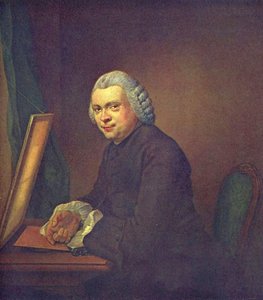
jacobus buys
1724 - 1801 , Netherlands
基本情報
- Artistic Movement Or Style: Rococo
- Artists Who Influenced This Artist:
- Cornelis Pronk
- Jacob de Wit
- Cornelis Troost
- Date Of Birth: 1724 Amsterdam Netherlands
- Date Of Death: 1801 Amsterdam Netherlands
- Full Name: Jacobus Buys
- Nationality: Dutch
- Notable Artworks:
- Portrait of Elisabeth Troost
- Scene from Molière's Tartuffe
- Place Of Birth: Amsterdam Netherlands