

 プレビュー
プレビュー
 シェアする
シェアする シェアする
シェアする
 詳細を見る
詳細を見る

 ダウンロード
 似ている作品
 X線調査
X線調査 スライドショー
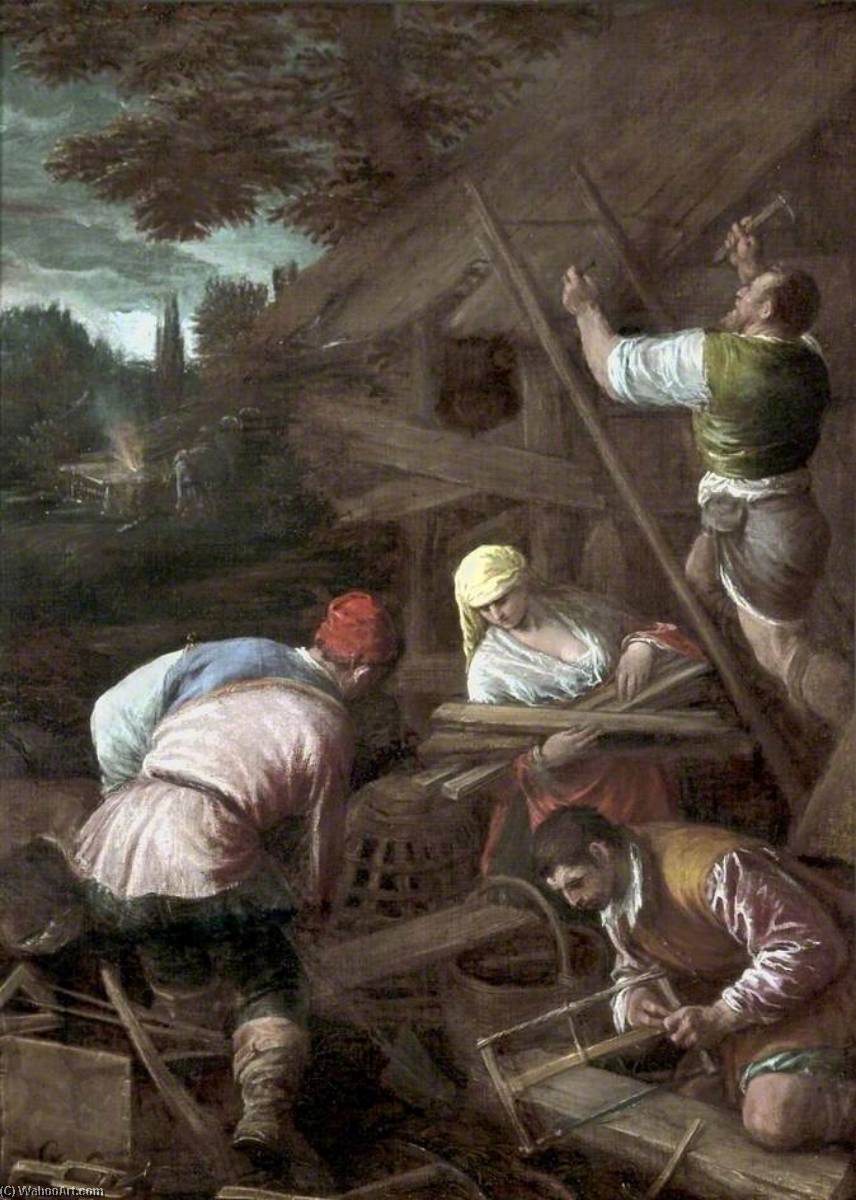
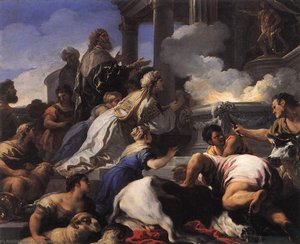
The Sacrifice of Noah
 Baroque
 1580
1580 120.0 x 86.0 cm
 ウォーカー・アート・ギャラリー
 詳細を見る
詳細を見る
ジークレー/アートプリント
迅速な制作と多彩な仕上げオプションを備えた、ミュージアムクオリティのジークレーまたはキャンバスプリント。 ( 手描きの絵画を購入 画像を購入)




































作品のオリジナル比率に合わせた、当店の規定サイズからお選びください。

特定のフレームやスペースに合わせて、ご自身でサイズを指定することも可能です。選択されたサイズが元の画像の比率と一致しない場合、作品をトリミングするか、鏡面反射または単色での塗りつぶしによって画像を拡張いたします。制作を開始する前に、ご確認用のデジタルモックアップをお送りいたします。
画面上のプレビューには、実際のトリミングや拡張は反映されませんのでご注意ください。最終的な構図を正確に確認できるのは、モックアップのみとなります。
カスタムサイズも承っておりますが、元の比率を維持するためには、あらかじめ用意されたリストからサイズを選択することをお勧めいたします。


 ガラスオプションは、110cm未満のサイズでのみご利用いただけます。

The Sacrifice of Noah
ジークレー/アートプリント
複製画のサイズ
-


合計金額
$ 62
作品詳細説明
Composition and Symbolism
The painting depicts the story of Noah's Ark, with several people working together to build the ark. The scene is filled with a sense of teamwork and collaboration, as individuals are shown holding tools and working on the project. The presence of animals, including birds and a horse, adds to the overall atmosphere of the painting. The use of symbolism in the painting is also noteworthy, as it highlights the importance of faith and obedience in the face of adversity.Artistic Style and Technique
Jacopo Bassano The Elder's artistic style is characterized by his use of warm colors and soft lighting. In The Sacrifice of Noah, he employs a range of techniques, including chiaroscuro and sfumato, to create a sense of depth and volume. The painting's composition is also noteworthy, with the artist using perspective to draw the viewer's eye into the scene.- The painting is available for purchase as a handmade oil painting reproduction on ArtsDot.com
- For more information on the Walker Art Gallery, visit ArtsDot.com
- Other notable works by Jacopo Bassano The Elder can be found on ArtsDot.com
The Sacrifice of Noah is a testament to Jacopo Bassano The Elder's skill as an artist and his ability to convey complex themes and emotions through his work. As a handmade oil painting reproduction, it is a unique and valuable addition to any art collection.
関連作品


アーティストの略歴
Jacopo Bassano: Bridging the Sacred and Rustic in Venetian Art
Jacopo Bassano (c. 1510 – 14 February 1592), often referred to as Jacopo dal Ponte, stands as a pivotal figure in the Venetian Renaissance, a master who subtly yet profoundly shaped the course of Venetian painting for decades. Born and raised in the small town of Bassano del Grappa, nestled near Venice, his life was inextricably linked to the artistic legacy of his father, Francesco il Vecchio, a respected local painter. Unlike many of his contemporaries who sought fame in the grand halls of Florence or Rome, Bassano’s career unfolded primarily within the confines of his native Veneto region, yet his influence resonated far beyond its borders.
Bassano's early training was deeply rooted in the traditions established by his father. Francesco il Vecchio’s workshop served as a crucible for artistic development, exposing young Jacopo to the fundamentals of painting – color mixing, composition, and technique. However, Bassano quickly distinguished himself through an innovative approach that blended classical influences with a distinctly Venetian sensibility. While he initially absorbed elements from masters like Titian and Raphael—evident in his early works such as “The Sacrifice of Noah” (1580)—he gradually developed a unique style characterized by a remarkable ability to capture fleeting moments, atmospheric effects, and the emotional nuances of everyday life.
A Synthesis of Genres: Religious Scenes with Rustic Charm
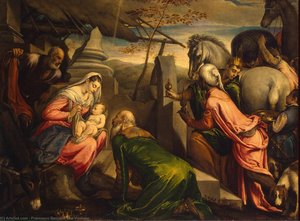
Bassano’s most enduring contribution lies in his masterful synthesis of religious themes with scenes of rural life. He didn't simply depict biblical narratives; instead, he reimagined them within a vernacular context, often featuring peasants, animals, and the familiar landscape of the Veneto region. This approach was revolutionary for its time, challenging the prevailing artistic conventions that typically relegated such subjects to secondary roles. In works like “The Adoration of the Magi” (1560), Bassano transforms a traditional religious scene into a vibrant tableau of rural activity—shepherds tending their flocks, merchants exchanging goods, and villagers engaging in everyday pursuits. The figures are not idealized or heroic; they are presented with an earthy realism that imbues the painting with a sense of immediacy and authenticity.
This shift towards genre painting wasn’t merely stylistic; it reflected Bassano's deep connection to his local environment. He meticulously observed the details of rural life—the textures of fabrics, the colors of wildflowers, the play of light on water—and translated these observations onto canvas with remarkable accuracy. His landscapes are not mere backdrops but active participants in the narrative, contributing to the overall mood and atmosphere of the scene.
The Influence of Bassano’s Sons
Bassano's artistic legacy extended far beyond his own lifetime, profoundly impacting the work of his four sons: Francesco Bassano the Younger, Leandro Bassano, Giambattista da Ponte, and Girolamo da Ponte. Each son inherited their father’s distinctive style and continued to produce paintings in a remarkably consistent manner for decades after his death. This familial continuity is particularly evident in the works of Francesco Bassano the Younger, who further developed his father's innovative approach to genre painting and landscape art. The brothers worked together in the family workshop, sharing techniques and ideas, creating a cohesive artistic lineage that solidified Bassano’s place as a central figure in Venetian painting.
It is often difficult to definitively attribute specific works to Jacopo versus his sons, highlighting the close collaboration within the family studio. However, studying their individual styles reveals a clear progression of influence, with each generation building upon the foundations laid by their father and predecessors.
Technique and Legacy
Bassano’s technical skill is characterized by a masterful use of *chiaroscuro*—the dramatic contrast between light and shadow—which he employed to create depth, volume, and emotional intensity. His paintings are imbued with a warm, luminous quality that reflects the Venetian tradition of using rich pigments and glazing techniques. He was also adept at capturing fleeting moments of movement and emotion, conveying a sense of immediacy and spontaneity in his compositions.
Despite the challenges posed by the passage of time and the proliferation of artistic styles, Jacopo Bassano’s work continues to captivate viewers with its beauty, originality, and emotional resonance. He remains one of the most beloved and influential artists of the Venetian Renaissance, a testament to the power of observation, imagination, and a deep connection to one's surroundings. His legacy endures not only in his paintings but also through the artistic lineage he established within his family—a remarkable example of intergenerational creativity and artistic continuity.
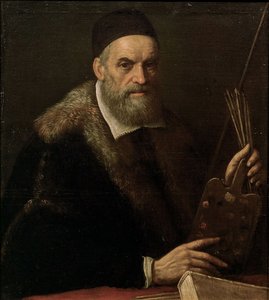
jacopo bassano the elder
1510 - 1592
基本情報
- Artistic Movement Or Style: Venetian Renaissance
- Artists Or Movements Influenced By This Artist: ['Francesco Bassano']
- Artists Who Influenced This Artist: ['Francesco da Ponte']
- Date Of Birth: c. 1510
- Date Of Death: 1592
- Full Name: Jacopo Bassano the Elder
- Nationality: Italian
- Notable Artworks:
- The Sacrifice of Noah
- The Adoration of the Magi
- The Way to Calvary
- Place Of Birth: Bassano del Grappa, Italy
関連記事

バロックのドラマ:現代のインテリアに壮麗さと情感を取り込む
バロック様式の歴史、絵画、家具の魅力をご紹介。ArtsDotでは、高品質な油絵複製やカスタムポートレートをご提供し、現代のインテリアに壮麗さと情感を取り入れます。アートコンサルテーションも承ります。

The Enduring Power of Painting: A Historical & Contemporary Exploration of Form and Emotion
Explore the rich history & enduring techniques of oil painting with ArtsDot. Discover masterpieces, learn about art collecting, and find authentic handmade reproductions crafted by skilled artists.

The Enduring Legacy of Oil on Canvas: Technique, History & Aesthetic Impact
Explore the rich history & techniques of oil painting – from Renaissance masters to Impressionism. Discover pigments, layering methods, and why this timeless medium endures. Expert insights for artists & art enthusiasts.

The Dramatic Flourish: Exploring the Baroque Movement's Enduring Legacy in Art History
Explore the dramatic world of Baroque art! Discover iconic artists like Caravaggio & Rubens, defining techniques, and its lasting impact on art history. Expert insights for collectors & enthusiasts at ArtsDot.

バロック美術を極めた至宝:時代を彩る10大名作の世界
バロック美術の華!カラヴァッジョ、ベルニーニら巨匠が創り上げた10大名作を徹底解剖。ドラマチックな色彩と豪華絢爛の世界観に触れ、至宝のアートプリントで空間を彩ろう。ArtsDot.comで美術館品質の複製と洗練されたインテリアを見つけましょう!

