 プレビュー
プレビュー
 プリントを購入
 シェアする
シェアする シェアする
シェアする
 詳細を見る
詳細を見る

 ダウンロード
 似ている作品
 X線調査
X線調査 スライドショー
Scene of a Sacrifice


 詳細を見る
詳細を見る




P118B $10

P118H $10

P118W $10

P438Z $10

P508JH $12

P508YH $12

P805H $10

P805Z $10

P919BZ $10

P919G $10

P919XJ $10

P959ZH $10

P968JZ $12

W106C $8

W218G $10

W218JH $8

W218Y $10

W307PJ $10

W316G $10

W316PJ $8

W316Y $10

W398PJ $8

W4111J $10

W500HY $15

W500JH $15

W692G $12

W849H $8

W940BG $15

W953PJ $8




作品のオリジナル比率に合わせた、当店の規定サイズからお選びください。

特定のフレームやスペースに合わせて、ご希望のサイズをご入力いただけます。選択されたサイズが元の画像の比率と異なる場合、アートワークをトリミングするか、手描きで要素を追加して絵画を拡張いたします。デジタルモックアップ を制作し、制作開始前にご確認(承認)をいただきます。
画面上のプレビューは、実際のトリミングや拡張を正確に反映しているものではありません。最終的な構図は、モックアップによってのみ正確にご確認いただけます。
カスタムサイズもご利用いただけますが、元の比率を維持するためには、あらかじめ用意されたリストからサイズを選択することをお勧めいたします。
ご注文後、ArtsDot.com チームより詳細な指示をお送りするとともに、仕上がりイメージ(モックアップ)をご提供いたします。


 ガラスオプションは、110cm未満のサイズでのみご利用いただけます。

Scene of a Sacrifice
複製技法
複製画のサイズ
-


合計金額
$ 463
作品解説
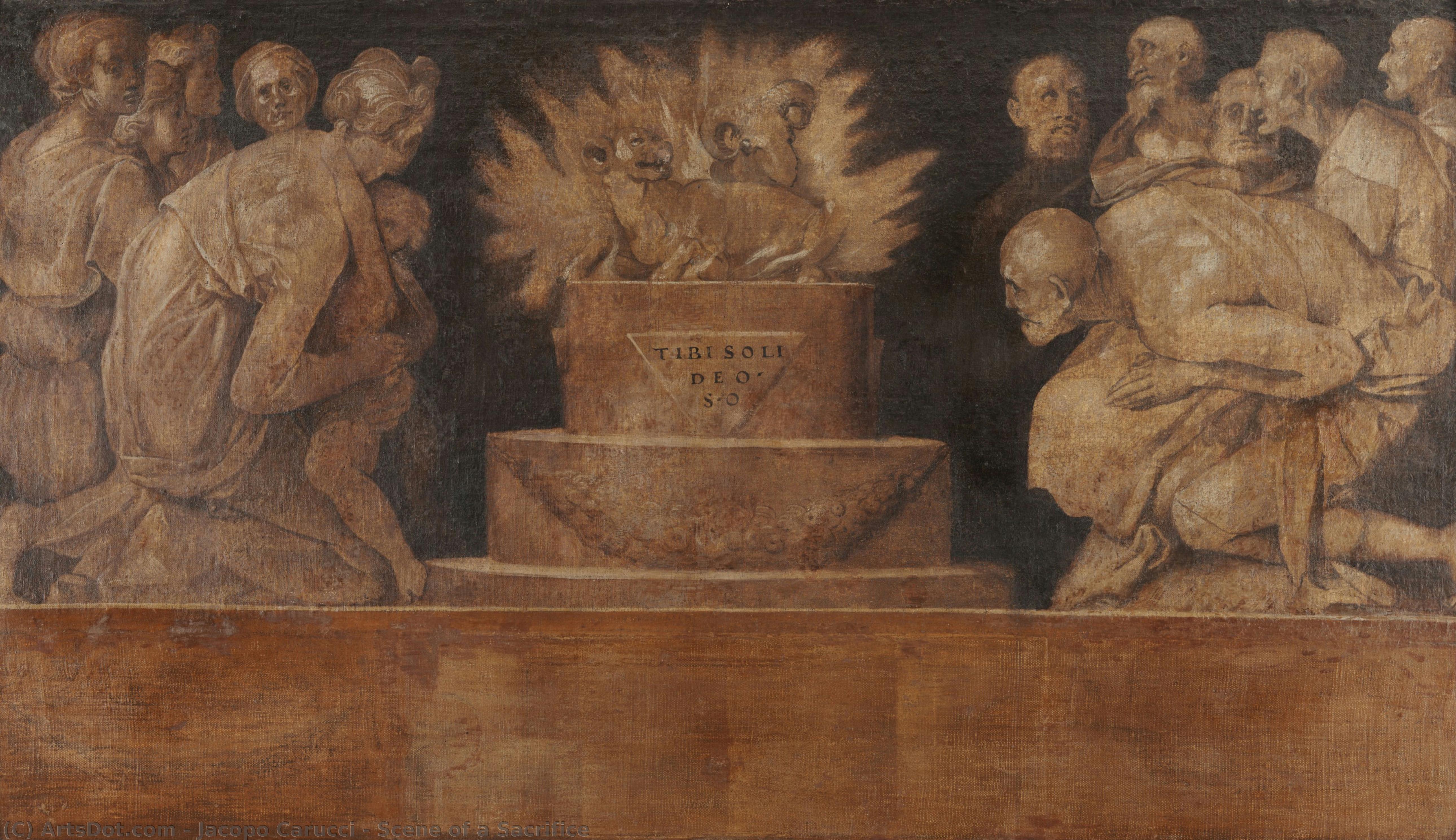
A Haunting Meditation on Sacrifice: Pontormo’s “Scene of a Sacrifice”
Jacopo Carucci, better known as Pontormo, was a Florentine painter whose career spanned the tumultuous transition from the High Renaissance to the burgeoning Baroque. His work is characterized by an intense emotionalism and a deliberate departure from the idealized forms favored by his predecessors, resulting in a style both unsettling and profoundly moving. “Scene of a Sacrifice,” painted around 1545, offers a particularly compelling glimpse into this artist’s unique vision – a dark, enigmatic tableau that speaks to themes of faith, mortality, and the complexities of human experience.
The painting depicts a starkly monochrome scene centered on an altar where a ram and a panther are being offered as sacrifices. The figures surrounding the altar—men and women rendered in muted browns and ochres – are arranged in a linear fashion reminiscent of ancient pagan sculpture, creating a sense of formality and ritualistic solemnity. Dominating the composition is Cosimo I de’ Medici, identifiable by his bald head and black attire, alongside his mother, distinguished by her elaborate headdress. These prominent figures, positioned at the rear of the scene, subtly suggest a connection between earthly power and religious devotion – perhaps hinting at the Medici family's patronage of art as a means of asserting their authority and spiritual legitimacy.
A Masterclass in Mannerist Technique
Pontormo’s masterful use of technique is immediately apparent. The painting is executed in oil on wood panel, utilizing a thick impasto application that lends the surface a remarkable tactile quality. Notice the deliberate layering of paint—the heavy strokes defining the musculature of the animals and the figures, contrasted with smoother passages used to render drapery and skin tones. This textural richness contributes significantly to the painting’s dramatic effect, creating an illusion of depth and movement within its relatively confined space. The artist employs a flattened perspective, characteristic of the Mannerist style, which prioritizes emotional impact over strict spatial realism. Lines are thick and expressive, guiding the viewer's eye through the composition with a deliberate intensity.
Symbolism and Historical Context
The “Scene of a Sacrifice” is not merely a depiction of a ritual; it’s laden with symbolic meaning. The choice of animals—a ram (associated with fertility and renewal) and a panther (representing both power and danger)—suggests a complex interplay between life and death, abundance and sacrifice. The inscription on the altar, translated as “To You, the One God” or “To You, the Sun God,” points to a possible invocation of solar deities – reflecting the prevalent religious beliefs of the time. The painting’s creation during Cosimo I de' Medici’s reign further illuminates its context; it likely served as decoration for his private chambers in the Palazzo Vecchio, underscoring the Duke’s power and connection to both earthly authority and spiritual devotion.
An Emotional Resonance
Despite its formal elements, “Scene of a Sacrifice” possesses a palpable emotional intensity. The somber palette, coupled with the figures' expressions of grief and reverence, evokes a sense of profound melancholy. The painting’s unsettling atmosphere—a blend of ritualistic solemnity and quiet despair— invites contemplation on themes of mortality, faith, and the human condition. Pontormo’s willingness to embrace emotional complexity and psychological depth marks him as a pivotal figure in the transition from Renaissance idealism to the expressive dynamism of the Baroque era, making “Scene of a Sacrifice” a truly unforgettable work of art.
Further Exploration
For more information on Jacopo Pontormo and his artistic legacy, consider exploring resources such as Wikipedia’s entry on Jacopo Carucci or visiting the online database of Italian artworks maintained by Sacrifiles. Detailed reproductions are available through various art reproduction services, offering an opportunity to bring this haunting masterpiece into your own space.
関連作品
アーティストの略歴
ジャコポ・ポントルモ:ルネサンスとバロックの狭間で
ジャコポ・ポントルモ(本名:ジャコポ・カルッチ、1494年頃 - 1557/8年)は、フィレンツェ・マニエリスム運動を代表する画家の一人として知られています。古典的な理想美を追求する同時代の多くの画家とは異なり、ポントルモは感情の強度と心理的な複雑さを重視し、穏やかな高ルネサンスの壮大さからバロック時代のダイナミズムへと繋がる重要な役割を果たしました。彼の生涯は才能と個人的な悲劇の両方によって彩られ、その作品群は深い哀愁を帯びた芸術的ビジョンへの証となっています。初期の訓練と影響
ポントルモはトスカーナ地方のポンタルメ村に生まれ、ドメニコ・デル・ポライオーロとミケランジェロ・ブオナローティの下で幼少期を過ごしました。解剖学的なリアリズムと彫刻的な形態への熟練は、彼の様式形成に大きな影響を与えました。ルネサンスの遺産を認めつつも、ポントルモはすぐにその厳格な形式主義から距離を置き、北ヨーロッパの芸術的伝統に触発されたより表現力豊かなアプローチへと傾倒していきました。特にアルブレヒト・デューラーの版画を研究し、様式化されたイメージと構成的な革新を通じて感情を伝える技術を取り入れました。この北マニエリスムへの接触は、彼の独特な視覚言語を形作る上で重要な役割を果たしました。マニエリスム様式の確立
ポントルモの芸術的ブレイクスルーは、1515年頃にアレッツォのサンティッシマ・アンヌンツィアータのために制作された「受胎告知」の委嘱によって訪れました。この作品はすぐに彼をマニエリスム美学の擁護者として確立しました。細長い人物像、平坦化された遠近法、鮮やかな色彩で彩られた渦巻くドレープが特徴的なポントルモの様式は、ルネサンスにおける解剖学的正確性と調和のとれた比率への執着を拒否しました。代わりに、彼は絶望、悲しみ、恍惚といった心理状態を伝えることを優先し、歪んだ形態と曖昧な空間関係を通じて表現しました。この確立された慣習からの意図的な逸脱は、芸術的表現の根本的な再考を示唆し、バロック時代に定義される劇的な革新を予見していました。主要作品と遺産
ポントルモの制作活動は多様なテーマを網羅しており、宗教画、肖像画、神話的な構成など、それぞれに彼の特徴的なマニエリスム的感性が込められています。「ヨセフの衣がエジプト人に売られる」や「キリスト降架」、「聖フランチェスコの聖痕受難」は、彼が色彩、光、テクスチャを巧みに操り、深い感情的な共鳴を引き出す能力を示す傑作として知られています。特にフィレンツェ・メディチ家のメンバーを描いた肖像画は、心理的ニュアンスへの鋭い理解とマニエリスム様式との微妙な関わりを示しています。ポントルモの影響力は彼の芸術的業績に留まらず、若き画家たち—例えばアンジェロ・ブロンズィーノ—を指導し、その革新的なビジョンを次世代のフィレンツェの画家たちへと受け継がせました。彼の遺産は、個々の傑作だけでなく、芸術的実験の触媒者としての役割と様式変革の前兆者としての貢献にあります。さらなる探求
ポントルモの作品は現在も研究者や愛好家を魅了し続けており、マニエリスム美学の本質とそのより広範な文化的傾向との関係について議論が続いています。世界中の美術館では彼の絵画のレプリカが展示されており—例えばフィレンツェのウフィツィ美術館に所蔵されている作品—来館者は彼の芸術的ビジョンの変革力を直接体験することができます。ポントルモの生涯と作品をより深く理解するためには、ArtsDot.com/jacopo carucciやWikipedia: Jacopoなどのリソースを参照することをお勧めします。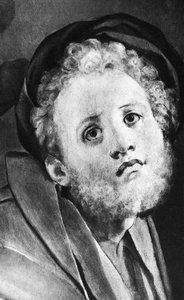
ジャコポ・ポントルモ
1494 - 1557 , イタリア
基本情報
- Artistic Movement Or Style: マニエリスム様式
- Artists Or Movements Influenced By This Artist:
- ミケランジェロ
- ロッソ・フィオレンティーノ
- Artists Who Influenced This Artist:
- レオナルド・ダ・ヴィンチ
- アンドレア・デル・サルト
- Date Of Birth: 1494年
- Date Of Death: 1557年
- Full Name: ジャコポ・ポントルモ
- Nationality: イタリア人
- Notable Artworks (List Of Titles):
- 受胎告知
- 聖家族
- ヨセフの衣
- Place Of Birth (City And Country): ポントルモ、イタリア
関連記事

ジャコポ・ティンコレット:至高の25選 – ヴェネツィア巨匠のドラマと光の世界 | ArtsDot
ジャコポ・ティンコレットの至高の25選。ドラマと光の世界を彩るヴェネツィア派巨匠の名画を紐解きます。ルネサンス絵画からバロック絵画まで、ArtsDotで高品質な複製画やインテリアアートを見つけましょう。傑作コレクションをオンラインで探求してください。
ウフィツィ美術館の至宝25選:ルネサンス巨匠たちの傑作とアートデコレーション
ウフィツィ美術館の至宝25選:ボッティチェリ、レオナルド・ダ・ヴィンチ…ルネサンス巨匠たちの傑作と感動的な物語を紐解きます。高品質な絵画複製やアートプリントで、お部屋に名画の輝きを。ArtsDot.comで芸術の世界へ。
Jacopo Pontormo: A Bridge Between Renaissance Tradition & Mannerist Emotion
Explore the captivating world of Jacopo Pontormo, a pivotal Italian Mannerist painter. Discover his unique style, influences & masterpieces – and find museum-quality reproductions at ArtsDot.
Jacopo Bassano: A Venetian Master of Color, Family & the Renaissance Landscape
Explore the life & art of Jacopo Bassano, a Venetian master renowned for his vibrant colorism and innovative religious scenes. Discover his family legacy & enduring influence on Renaissance painting with ArtsDot.
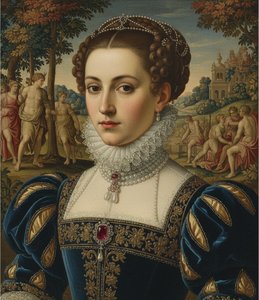
Agnolo Bronzino: Mastering Courtly Portraiture & the Enigmatic Gaze of Renaissance Florence
Explore the captivating world of Agnolo Bronzino, Renaissance master portraitist. Discover his elegant style, symbolic depth & lasting influence on art history. Expert insights for collectors.