 プレビュー
プレビュー
 プリントを購入
 シェアする
シェアする シェアする
シェアする
 詳細を見る
詳細を見る

 ダウンロード
 似ている作品
 X線調査
X線調査 スライドショー
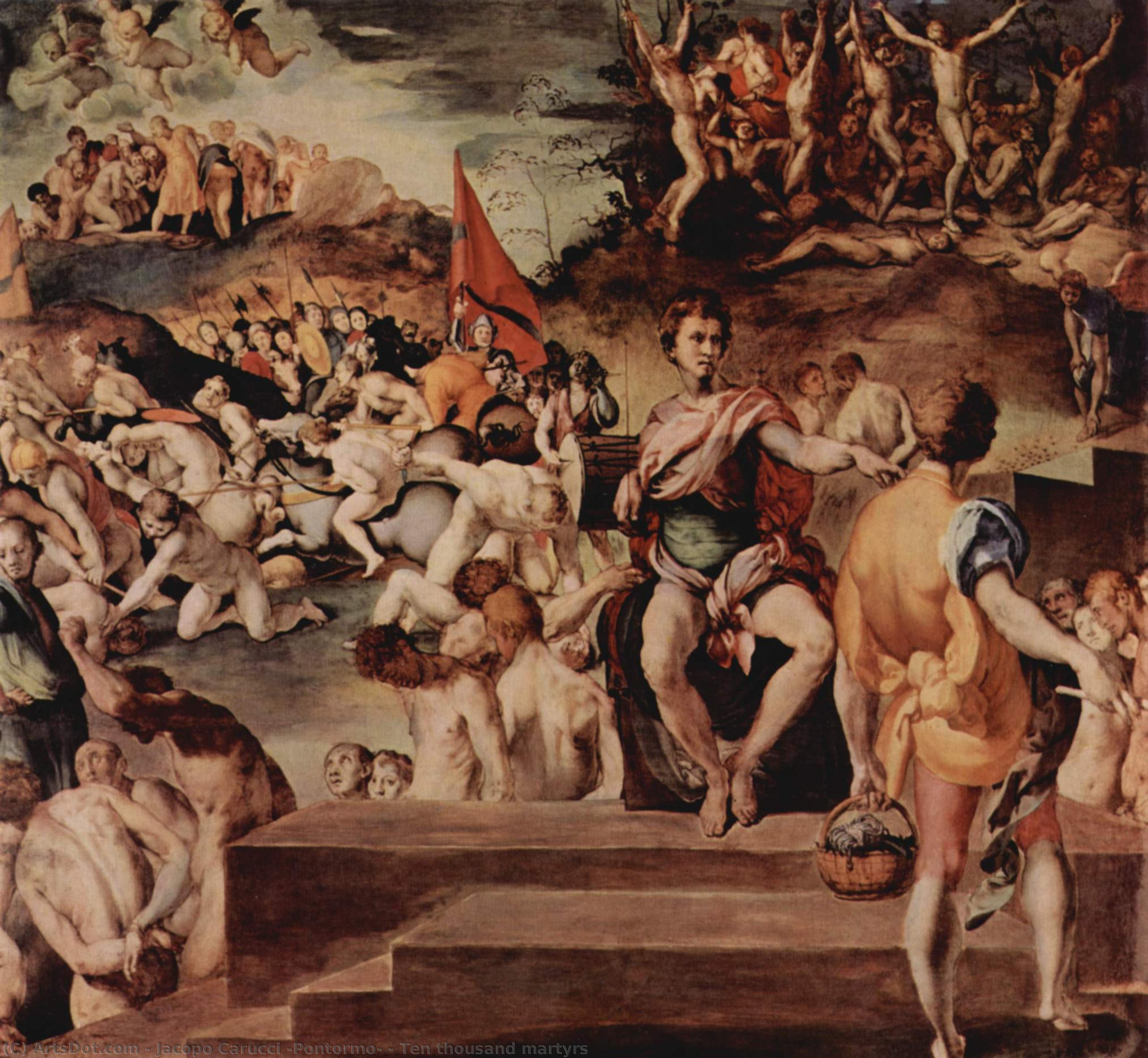
Ten thousand martyrs
 Oil On Canvas
- WallArt
- Mannerist Expression
 1529
1529 65.0 x 73.0 cm
 ウフィツィ美術館
 詳細を見る
詳細を見る




P118B $10

P118H $10

P118W $10

P438Z $10

P508JH $12

P508YH $12

P805H $10

P805Z $10

P919BZ $10

P919G $10

P919XJ $10

P959ZH $10

P968JZ $12

W106C $8

W218G $10

W218JH $8

W218Y $10

W307PJ $10

W316G $10

W316PJ $8

W316Y $10

W398PJ $8

W4111J $10

W500HY $15

W500JH $15

W692G $12

W849H $8

W940BG $15

W953PJ $8




作品のオリジナル比率に合わせた、当店の規定サイズからお選びください。

特定のフレームやスペースに合わせて、ご希望のサイズをご入力いただけます。選択されたサイズが元の画像の比率と異なる場合、アートワークをトリミングするか、手描きで要素を追加して絵画を拡張いたします。デジタルモックアップ を制作し、制作開始前にご確認(承認)をいただきます。
画面上のプレビューは、実際のトリミングや拡張を正確に反映しているものではありません。最終的な構図は、モックアップによってのみ正確にご確認いただけます。
カスタムサイズもご利用いただけますが、元の比率を維持するためには、あらかじめ用意されたリストからサイズを選択することをお勧めいたします。
ご注文後、ArtsDot.com チームより詳細な指示をお送りするとともに、仕上がりイメージ(モックアップ)をご提供いたします。


 ガラスオプションは、110cm未満のサイズでのみご利用いただけます。

Ten thousand martyrs
複製技法
複製画のサイズ
-


合計金額
$ 263
作品解説
The Harrowing Vision: Jacopo Pontormo’s “Ten Thousand Martyrs”
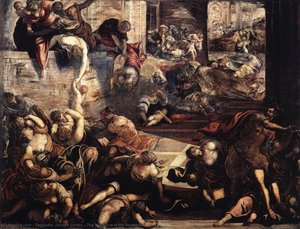
Jacopo Pontormo's "Ten Thousand Martyrs," painted in 1529, is not merely a depiction of historical suffering; it’s a visceral plunge into the heart of religious trauma and defiant resistance. This monumental fresco, now rendered in exquisite detail as a hand-painted reproduction by ArtsDot.com, captures a pivotal moment from early Christian history – the brutal execution of ten thousand soldiers who had converted to Christianity during the reign of Emperor Decius. Far removed from the idealized serenity often associated with Renaissance art, Pontormo’s masterpiece confronts us with an unsettling realism and a profound sense of human drama.
The scene unfolds outdoors, against a backdrop of a brooding sky and a distant, almost mournful hill. At the center stands a single figure – a martyr, identifiable by his flag held aloft in a gesture of unwavering defiance. This isn’t a heroic portrait; he is stripped bare, exposed to the elements and the impending violence. Around him, a vast crowd watches with varying expressions: some filled with horrified pity, others with detached curiosity, and a few with a chilling anticipation of the bloodshed to come. The inclusion of horses amongst the onlookers adds an element of primal chaos, reflecting the brutal nature of the event.
A Bridge Between Styles: Pontormo’s Mannerist Innovation
Born in Pontorme, Tuscany, around 1494, Jacopo Pontormo was a pivotal figure bridging the High Renaissance and the burgeoning Baroque era. Trained under the tutelage of masters like Domenico del Pollaiuolo and Michelangelo Buonarroti – artists known for their anatomical precision and sculptural forms – Pontormo deliberately pushed beyond these established conventions. He embraced emotional intensity and psychological complexity, prioritizing expressive distortion and unsettling perspectives over classical harmony and balance. This is most evident in “Ten Thousand Martyrs,” where figures are elongated, faces contorted with anguish, and spatial relationships deliberately skewed to heighten the dramatic effect.
Pontormo’s use of color is equally striking. He employs a palette dominated by somber browns, deep reds, and muted blues – colors that evoke both the darkness of death and the resilience of faith. The vibrant flag held by the martyr provides a crucial focal point, a symbol of hope and resistance against the overwhelming force of imperial power. The painting’s dynamism is further enhanced through his masterful manipulation of light and shadow, creating an atmosphere of palpable tension and impending doom.
Symbolism and Historical Context
The story depicted in “Ten Thousand Martyrs” draws upon a medieval legend – the tale of Roman soldiers who, after embracing Christianity, were crucified on Mount Ararat. While the historical accuracy of this event is debated, it served as a potent symbol of unwavering faith in the face of persecution. Pontormo’s painting powerfully conveys the emotional weight of this narrative, transforming a potentially dry historical account into a deeply moving meditation on sacrifice and endurance.
The flag itself holds significant symbolic weight. It represents not just individual defiance but also the collective spirit of resistance against tyranny. It's a visual declaration that even in the face of certain death, faith and conviction remain unyielding. The scene resonates with broader themes of religious persecution throughout history, offering a timeless reminder of the human cost of intolerance.
A Reproduction for the Soul
ArtsDot.com’s hand-painted reproduction captures the essence of Pontormo's original masterpiece with breathtaking fidelity. Every detail – from the tormented expressions on the faces to the dramatic lighting and unsettling spatial arrangements – is meticulously recreated, allowing you to experience the painting’s emotional power firsthand. This isn’t simply a print; it’s an immersive encounter with one of the most compelling works of the Italian Renaissance. Whether displayed in a grand salon or a smaller study, this reproduction will undoubtedly serve as a poignant reminder of human resilience and the enduring power of faith.
Explore the full detail and artistry of “Ten Thousand Martyrs” at https://en.ArtsDot.com/en/art/jacopo-carucci-ten-thousand-martyrs-dewjfc-en/ and bring this extraordinary work of art into your home.
アーティストの略歴
ジャコポ・ポントルモ:ルネサンスとバロックの狭間で
ジャコポ・ポントルモ(本名:ジャコポ・カルッチ、1494年頃 - 1557/8年)は、フィレンツェ・マニエリスム運動を代表する画家の一人として知られています。古典的な理想美を追求する同時代の多くの画家とは異なり、ポントルモは感情の強度と心理的な複雑さを重視し、穏やかな高ルネサンスの壮大さからバロック時代のダイナミズムへと繋がる重要な役割を果たしました。彼の生涯は才能と個人的な悲劇の両方によって彩られ、その作品群は深い哀愁を帯びた芸術的ビジョンへの証となっています。初期の訓練と影響
ポントルモはトスカーナ地方のポンタルメ村に生まれ、ドメニコ・デル・ポライオーロとミケランジェロ・ブオナローティの下で幼少期を過ごしました。解剖学的なリアリズムと彫刻的な形態への熟練は、彼の様式形成に大きな影響を与えました。ルネサンスの遺産を認めつつも、ポントルモはすぐにその厳格な形式主義から距離を置き、北ヨーロッパの芸術的伝統に触発されたより表現力豊かなアプローチへと傾倒していきました。特にアルブレヒト・デューラーの版画を研究し、様式化されたイメージと構成的な革新を通じて感情を伝える技術を取り入れました。この北マニエリスムへの接触は、彼の独特な視覚言語を形作る上で重要な役割を果たしました。マニエリスム様式の確立
ポントルモの芸術的ブレイクスルーは、1515年頃にアレッツォのサンティッシマ・アンヌンツィアータのために制作された「受胎告知」の委嘱によって訪れました。この作品はすぐに彼をマニエリスム美学の擁護者として確立しました。細長い人物像、平坦化された遠近法、鮮やかな色彩で彩られた渦巻くドレープが特徴的なポントルモの様式は、ルネサンスにおける解剖学的正確性と調和のとれた比率への執着を拒否しました。代わりに、彼は絶望、悲しみ、恍惚といった心理状態を伝えることを優先し、歪んだ形態と曖昧な空間関係を通じて表現しました。この確立された慣習からの意図的な逸脱は、芸術的表現の根本的な再考を示唆し、バロック時代に定義される劇的な革新を予見していました。主要作品と遺産
ポントルモの制作活動は多様なテーマを網羅しており、宗教画、肖像画、神話的な構成など、それぞれに彼の特徴的なマニエリスム的感性が込められています。「ヨセフの衣がエジプト人に売られる」や「キリスト降架」、「聖フランチェスコの聖痕受難」は、彼が色彩、光、テクスチャを巧みに操り、深い感情的な共鳴を引き出す能力を示す傑作として知られています。特にフィレンツェ・メディチ家のメンバーを描いた肖像画は、心理的ニュアンスへの鋭い理解とマニエリスム様式との微妙な関わりを示しています。ポントルモの影響力は彼の芸術的業績に留まらず、若き画家たち—例えばアンジェロ・ブロンズィーノ—を指導し、その革新的なビジョンを次世代のフィレンツェの画家たちへと受け継がせました。彼の遺産は、個々の傑作だけでなく、芸術的実験の触媒者としての役割と様式変革の前兆者としての貢献にあります。さらなる探求
ポントルモの作品は現在も研究者や愛好家を魅了し続けており、マニエリスム美学の本質とそのより広範な文化的傾向との関係について議論が続いています。世界中の美術館では彼の絵画のレプリカが展示されており—例えばフィレンツェのウフィツィ美術館に所蔵されている作品—来館者は彼の芸術的ビジョンの変革力を直接体験することができます。ポントルモの生涯と作品をより深く理解するためには、ArtsDot.com/jacopo carucciやWikipedia: Jacopoなどのリソースを参照することをお勧めします。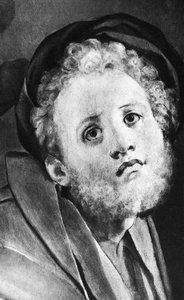
ジャコポ・ポントルモ
1494 - 1557 , イタリア
基本情報
- Artistic Movement Or Style: マニエリスム様式
- Artists Or Movements Influenced By This Artist:
- ミケランジェロ
- ロッソ・フィオレンティーノ
- Artists Who Influenced This Artist:
- レオナルド・ダ・ヴィンチ
- アンドレア・デル・サルト
- Date Of Birth: 1494年
- Date Of Death: 1557年
- Full Name: ジャコポ・ポントルモ
- Nationality: イタリア人
- Notable Artworks (List Of Titles):
- 受胎告知
- 聖家族
- ヨセフの衣
- Place Of Birth (City And Country): ポントルモ、イタリア
関連記事
Mannerism: Bridging Renaissance Harmony & Baroque Drama – A Study of Style & Affectation
Explore the fascinating world of Mannerism! Discover its key characteristics, pioneering artists like Pontormo & Bronzino, and its pivotal role in bridging Renaissance harmony to Baroque drama. A comprehensive guide for art enthusiasts.

バロックのドラマ:現代のインテリアに壮麗さと情感を取り込む
バロック様式の歴史、絵画、家具の魅力をご紹介。ArtsDotでは、高品質な油絵複製やカスタムポートレートをご提供し、現代のインテリアに壮麗さと情感を取り入れます。アートコンサルテーションも承ります。
The Dramatic Dialogue: Baroque Mannerism & the Synthesis of Emotion, Form, and Artistic Rebellion
Explore the dramatic world of Baroque Mannerism! Discover its history, iconic artists like Rubens & El Greco, and lasting influence on art. Expert insights for collectors & enthusiasts at ArtsDot.

The Dramatic Flourish: Exploring the Baroque Movement's Enduring Legacy in Art History
Explore the dramatic world of Baroque art! Discover iconic artists like Caravaggio & Rubens, defining techniques, and its lasting impact on art history. Expert insights for collectors & enthusiasts at ArtsDot.

バロック美術を極めた至宝:時代を彩る10大名作の世界
バロック美術の華!カラヴァッジョ、ベルニーニら巨匠が創り上げた10大名作を徹底解剖。ドラマチックな色彩と豪華絢爛の世界観に触れ、至宝のアートプリントで空間を彩ろう。ArtsDot.comで美術館品質の複製と洗練されたインテリアを見つけましょう!