

 プレビュー
プレビュー
 プリントを購入
 シェアする
シェアする シェアする
シェアする
 詳細を見る
詳細を見る

 ダウンロード
 似ている作品
 X線調査
X線調査 スライドショー
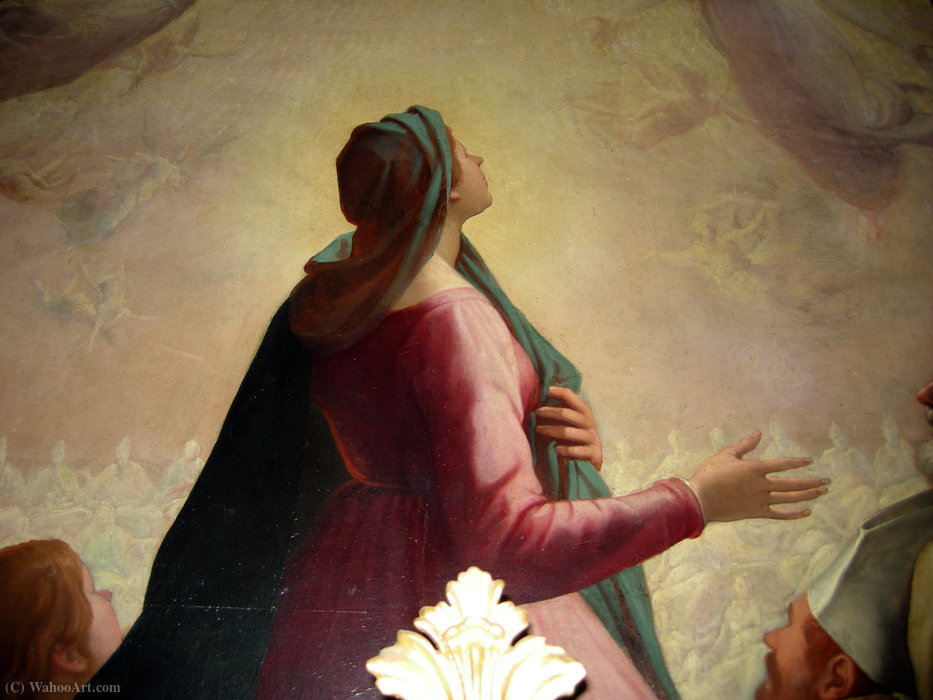
Fresco(detail)

 詳細を見る
詳細を見る




































作品のオリジナル比率に合わせた、当店の規定サイズからお選びください。

特定のフレームやスペースに合わせて、ご希望のサイズをご入力いただけます。選択されたサイズが元の画像の比率と異なる場合、アートワークをトリミングするか、手描きで要素を追加して絵画を拡張いたします。デジタルモックアップ を制作し、制作開始前にご確認(承認)をいただきます。
画面上のプレビューは、実際のトリミングや拡張を正確に反映しているものではありません。最終的な構図は、モックアップによってのみ正確にご確認いただけます。
カスタムサイズもご利用いただけますが、元の比率を維持するためには、あらかじめ用意されたリストからサイズを選択することをお勧めいたします。
ご注文後、ArtsDot.com チームより詳細な指示をお送りするとともに、仕上がりイメージ(モックアップ)をご提供いたします。


 ガラスオプションは、110cm未満のサイズでのみご利用いただけます。

Fresco(detail)
複製技法
複製画のサイズ
-


合計金額
$ 288
A Glimpse of Divine Grace: Jacopo da Empoli's Fresco Detail
This captivating artwork presents a detailed section from a larger fresco by Jacopo da Empoli, an Italian painter active in the late 16th and early 17th centuries. The image offers a profound glimpse into a religious scene, most likely depicting the Virgin Mary surrounded by angels – a common subject for devotional art during the Renaissance and Baroque periods. The fragment showcases Empoli’s mastery of detail and his ability to evoke a sense of ethereal beauty.
Style & Technique: Echoes of the Renaissance
The artwork's style is firmly rooted in the classical tradition, exhibiting characteristics reminiscent of both the High Renaissance and early Baroque. Notice the meticulous rendering of drapery, the soft modeling of faces, and the overall sense of idealized beauty. Empoli employs a traditional oil painting technique, utilizing layering and glazing to achieve rich color depth and subtle textural variations. The use of oil paint allows for a remarkable level of detail and luminosity, particularly evident in Mary’s skin tones and the intricate floral motif below her. While perspective is somewhat flattened compared to later Baroque works, Empoli skillfully uses atmospheric perspective – softening distant elements – to create an illusion of depth within the composition.
Symbolism & Iconography: A Language of Faith
Beyond its aesthetic beauty, this fresco detail is rich in symbolic meaning. The central figure of Mary embodies piety and grace, her contemplative pose suggesting a deep connection with the divine. The halo above her head is a traditional symbol of sanctity, while her flowing robes further emphasize her spiritual nature. The surrounding angelic figures reinforce the heavenly setting and underscore Mary’s role as an intercessor between humanity and God. The elaborate floral motif at the base of the composition likely holds symbolic significance within the original context of the fresco – perhaps representing purity, fertility, or divine abundance.
Emotional Impact & Historical Context
The overall emotional impact of this artwork is one of reverence, serenity, and a palpable sense of divine presence. The dramatic lighting, with its strong contrasts between light and shadow, draws the viewer's eye to Mary’s face and hands, emphasizing her humanity and spiritual power. Jacopo da Empoli worked during a period of significant religious fervor and artistic innovation in Italy. His style reflects the transition from the High Renaissance towards the more dynamic and emotionally charged Baroque aesthetic. While biographical details about Empoli remain scarce, his works demonstrate a clear understanding of established artistic conventions and a talent for creating compelling devotional imagery.
A Timeless Masterpiece: Bringing History Home
This detailed reproduction captures the essence of Jacopo da Empoli’s artistry, offering art lovers, collectors, and interior designers an opportunity to bring a piece of Renaissance history into their own spaces. Whether displayed in a study, living room, or hallway, this artwork will serve as a constant source of inspiration and contemplation.
関連作品
アーティストの略歴
Jacopo da Empoli: A Florentine Master of the Transitional Era
Born in 1551 in the heart of Florence, Jacopo Chimenti – later known as Jacopo da Empoli – emerged from a lineage steeped in artistic tradition. His father, a painter himself, provided an early foundation, while his brother, Domenico, would also carve out a career within the vibrant Florentine art scene. Jacopo’s formative years were spent absorbing the stylistic currents of the late Renaissance and the burgeoning Mannerism that was beginning to challenge its dominance. This period marked a crucial transition in Italian painting – a shift away from the idealized clarity of High Renaissance masters towards a more subjective, emotionally charged, and often unsettling aesthetic. Jacopo found himself at the very epicenter of this transformation, becoming a pivotal figure in bridging the gap between these distinct artistic approaches.
His early apprenticeship under Maso da San Friano proved invaluable, exposing him to the complex techniques and dramatic compositions characteristic of the Maestro’s work. Maso's influence is evident in Jacopo’s initial style – a deliberate layering of figures, intricate details, and a penchant for theatrical gestures. However, it wasn’t long before Jacopo began to forge his own distinctive path, moving beyond mere imitation and developing a unique visual language. This evolution was significantly shaped by the prevailing artistic climate of Florence at the time, particularly the rise of Santi di Tito, whose “Counter-Maniera” style – characterized by crisp lines, simplified forms, and a rejection of excessive ornamentation – exerted a considerable influence on Jacopo’s development.
The World of Commedia dell'Arte
Jacopo da Empoli’s artistic career was inextricably linked to the world of *commedia dell’arte*, the popular Italian theatrical tradition that relied heavily on stock characters and improvisational dialogue. He became a devoted follower of Francesco Andreini, one of the most celebrated performers in this genre, and his portraits of Andreini and other *improvagatori* (actors) are among his most enduring achievements. These works aren’t simply likenesses; they capture the essence of these larger-than-life personalities – their flamboyant costumes, expressive gestures, and captivating stage presence. Jacopo masterfully rendered the physicality of the characters, conveying not just their appearance but also their inherent theatricality. His portraits are imbued with a sense of movement and vitality, as if frozen in mid-performance, offering viewers a glimpse into the thrilling world of the *palco* (stage).
- Francesco Andreini: Perhaps his most famous subject, Andreini’s portrait exemplifies Jacopo's ability to capture personality through gesture and expression.
- Other *Improvagatori*: Jacopo frequently depicted other prominent figures from the *commedia dell’arte* troupe, showcasing his understanding of their distinctive roles and mannerisms.
Technique and Style
Jacopo da Empoli's style is often described as “Counter-Maniera,” a term coined to characterize artists who reacted against the excesses of Mannerism while retaining its core principles. Unlike many of his contemporaries, he avoided the extreme contortions and elongated figures that were hallmarks of the movement. Instead, he favored a more balanced and harmonious composition, employing clear lines, precise details, and a restrained palette. His portraits are notable for their crispness and realism – a departure from the hazy, atmospheric effects often associated with Mannerism. He was particularly adept at rendering fabrics and textures, imbuing his paintings with a sense of tactile richness.
His use of light and shadow is equally sophisticated, creating a subtle interplay of tones that adds depth and volume to his figures. Jacopo’s compositions are often dynamic and engaging, drawing the viewer's eye through a carefully orchestrated arrangement of elements. He demonstrated a remarkable ability to capture fleeting moments – a gesture, a glance, a subtle expression – conveying a sense of immediacy and spontaneity.
Key Works and Legacy
Among Jacopo da Empoli’s most celebrated works are “Deposition,” a dramatic Baroque engraving that showcases his mastery of composition and detail; “Madonna who hands the child to St. Francis,” a serene depiction of the Holy Family imbued with classical elegance; and his exquisite portrait of the Chimenti family, a testament to his skill in capturing familial likenesses. His later works, particularly his still lifes depicting scenes of everyday life, reveal a growing interest in exploring themes of mortality and transience – reflecting the broader cultural anxieties of the 17th century.
Jacopo da Empoli’s legacy is complex and multifaceted. He was a transitional figure, bridging the gap between the Renaissance and Baroque periods, and his work embodies the spirit of this pivotal moment in art history. His portraits of *commedia dell'arte* figures offer a unique window into the vibrant theatrical culture of Florence, while his masterful technique and sophisticated compositions continue to captivate viewers today. He remains an important figure in the study of Counter-Maniera and a testament to the enduring power of Italian painting.
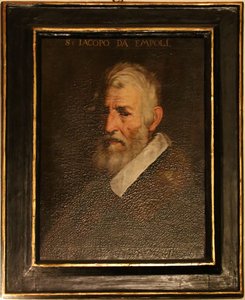
jacopo da empoli
1551 - 1640 , Italy
基本情報
- Artistic Movement Or Style: Mannerism, Counter-Maniera
- Artists Or Movements Influenced By This Artist: ['Felice Ficherelli']
- Artists Who Influenced This Artist: ['Maso da San Friano']
- Date Of Birth: April 30, 1551
- Date Of Death: September 30, 1640
- Full Name: Jacopo Chimenti (Empoli)
- Nationality: Italian
- Notable Artworks:
- Deposition
- Madonna...
- Chimenti Family portrait
- Still Life with Games
- Place Of Birth: Florence, Italy
関連記事

家族の遺産を壁画で彩る:伝統技法が紡ぐ、時を超越する美と記憶
古代から現代までの壁画の歴史と技法を解説。日本の壁画文化やカスタムオーダーによる家族の遺産表現、保存・修復技術まで網羅。専門家が時を超越する美と記憶を紡ぐ芸術的価値をご案内します。

The Enduring Legacy of Fresco: Technique, History & Artistic Expression Across Cultures
Explore the rich history & enduring legacy of fresco painting! Discover ancient techniques, Giotto's masterpieces, and modern applications. Expert insights for art lovers & professionals.

The Enduring Legacy of Fresco Painting: Techniques, History & Contemporary Relevance
Explore the rich history & enduring artistry of fresco painting – from Giotto to Michelangelo! Discover techniques, conservation efforts, & modern applications. Learn how ArtsDot brings this timeless art form to your home.

The Dramatic Flourish: Exploring the Baroque Movement's Enduring Legacy in Art History
Explore the dramatic world of Baroque art! Discover iconic artists like Caravaggio & Rubens, defining techniques, and its lasting impact on art history. Expert insights for collectors & enthusiasts at ArtsDot.
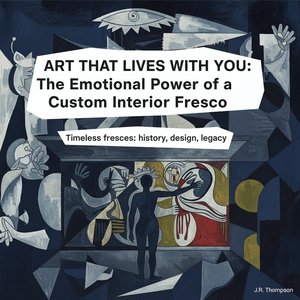
Art That Lives With You: The Emotional Power of a Custom Interior Fresco
Discover the emotional power & timeless beauty of custom interior frescoes. Explore history, design tips & expert guidance from – creating lasting legacies.

