

 プレビュー
プレビュー
 プリントを購入
 シェアする
シェアする シェアする
シェアする
 詳細を見る
詳細を見る

 ダウンロード
 似ている作品
 X線調査
X線調査 スライドショー
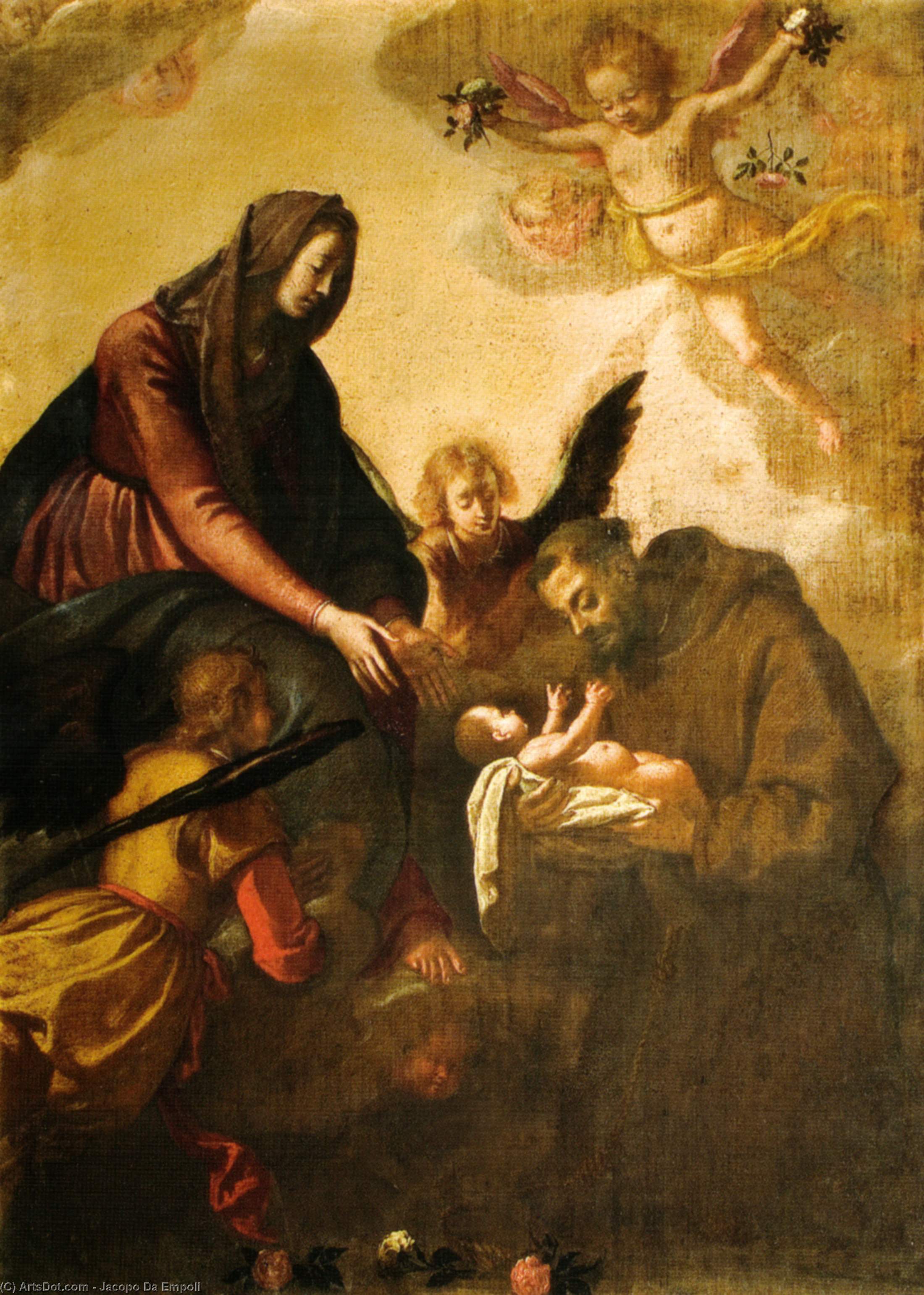
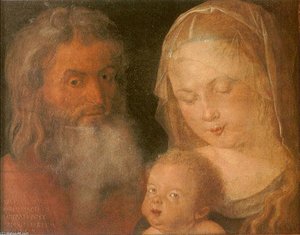
madonna who hands the child to St. Francis

 詳細を見る
詳細を見る
オンラインプレビューをはるかに凌ぐ、高解像度で鮮明なデジタル画像をご購入いただけます。
各ファイルは、社内の専門家が高度なツールと熟練した手作業によるレタッチを用いて、細心の注意を払って準備されています。すべての画像において、卓越した鮮明度、正確な色彩再現性、そして繊細なディテールを保証いたします。
最終ファイルは、プロフェッショナルな編集・印刷環境ですぐにご利用いただけるよう最適化された状態で、72時間以内にメールにてお届けいたします。これは、一流のデザインスタジオ、出版社、ギャラリーから信頼されているものと同等の品質です。
デジタル画像のご注文に付随する特典
高品質なデジタル画像配信を、確かな品質で。
ArtsDot.com を選ぶことは、単に画像を手に入れることではありません。それは、プロの手によって精密に仕上げられ、満足保証が付いた高品質なデジタルアートワークを受け取ることを意味します。ご注文いただいた際に自動的に付随する内容は、以下の通りです:

メールですぐにお届け
ご注文から72時間以内に、高解像度のデジタル画像ファイルがメールでお手元に届きます。すぐにそのままご利用いただけます。

AI技術で最適化されたデジタルファイル
お客様の作品は、高度なAIツールと専門家による手作業の編集を組み合わせてプロフェッショナルに最適化されており、細部のディテール、鮮明さ、そして正確な色再現性を最大限に引き出しています。

一生涯無料の再送サービス
ファイルを誤って削除したり、紛失してしまったりしましたか?ご安心ください。いつでも無料で再送いたします。

輸入手数料は一切かかりません
関税や手数料、配送料を気にすることなく、お気に入りのアートワークをすぐにお楽しみいただけます。デジタルダウンロードは常に免税です。

色彩再現の保証
プロ仕様のツールとカラーマネジメント技術を用いることで、デジタル画像が元の色を最大限に忠実に再現することを保証いたします。

60日間満足保証
ご購入いただいたデジタル画像にご満足いただけない場合は、60日以内であれば、修正または100%の返金(理由を問う必要はありません)をさせていただきます。

100% 返金保証
ご満足いただけない場合は、デジタルファイルを受け取ってから60日以内であれば、理由を問わず全額返金いたします。

まとめ買い割引
3枚購入で10%OFF - 5枚購入で15%OFF - 10枚以上購入で20%OFF。クリエイティブなプロジェクト、ギャラリー、エージェンシーに最適です。
関連作品

作家の略歴
Jacopo da Empoli: A Florentine Master of the Transitional Era
Born in 1551 in the heart of Florence, Jacopo Chimenti – later known as Jacopo da Empoli – emerged from a lineage steeped in artistic tradition. His father, a painter himself, provided an early foundation, while his brother, Domenico, would also carve out a career within the vibrant Florentine art scene. Jacopo’s formative years were spent absorbing the stylistic currents of the late Renaissance and the burgeoning Mannerism that was beginning to challenge its dominance. This period marked a crucial transition in Italian painting – a shift away from the idealized clarity of High Renaissance masters towards a more subjective, emotionally charged, and often unsettling aesthetic. Jacopo found himself at the very epicenter of this transformation, becoming a pivotal figure in bridging the gap between these distinct artistic approaches.
His early apprenticeship under Maso da San Friano proved invaluable, exposing him to the complex techniques and dramatic compositions characteristic of the Maestro’s work. Maso's influence is evident in Jacopo’s initial style – a deliberate layering of figures, intricate details, and a penchant for theatrical gestures. However, it wasn’t long before Jacopo began to forge his own distinctive path, moving beyond mere imitation and developing a unique visual language. This evolution was significantly shaped by the prevailing artistic climate of Florence at the time, particularly the rise of Santi di Tito, whose “Counter-Maniera” style – characterized by crisp lines, simplified forms, and a rejection of excessive ornamentation – exerted a considerable influence on Jacopo’s development.
The World of Commedia dell'Arte
Jacopo da Empoli’s artistic career was inextricably linked to the world of *commedia dell’arte*, the popular Italian theatrical tradition that relied heavily on stock characters and improvisational dialogue. He became a devoted follower of Francesco Andreini, one of the most celebrated performers in this genre, and his portraits of Andreini and other *improvagatori* (actors) are among his most enduring achievements. These works aren’t simply likenesses; they capture the essence of these larger-than-life personalities – their flamboyant costumes, expressive gestures, and captivating stage presence. Jacopo masterfully rendered the physicality of the characters, conveying not just their appearance but also their inherent theatricality. His portraits are imbued with a sense of movement and vitality, as if frozen in mid-performance, offering viewers a glimpse into the thrilling world of the *palco* (stage).
- Francesco Andreini: Perhaps his most famous subject, Andreini’s portrait exemplifies Jacopo's ability to capture personality through gesture and expression.
- Other *Improvagatori*: Jacopo frequently depicted other prominent figures from the *commedia dell’arte* troupe, showcasing his understanding of their distinctive roles and mannerisms.
Technique and Style
Jacopo da Empoli's style is often described as “Counter-Maniera,” a term coined to characterize artists who reacted against the excesses of Mannerism while retaining its core principles. Unlike many of his contemporaries, he avoided the extreme contortions and elongated figures that were hallmarks of the movement. Instead, he favored a more balanced and harmonious composition, employing clear lines, precise details, and a restrained palette. His portraits are notable for their crispness and realism – a departure from the hazy, atmospheric effects often associated with Mannerism. He was particularly adept at rendering fabrics and textures, imbuing his paintings with a sense of tactile richness.
His use of light and shadow is equally sophisticated, creating a subtle interplay of tones that adds depth and volume to his figures. Jacopo’s compositions are often dynamic and engaging, drawing the viewer's eye through a carefully orchestrated arrangement of elements. He demonstrated a remarkable ability to capture fleeting moments – a gesture, a glance, a subtle expression – conveying a sense of immediacy and spontaneity.
Key Works and Legacy
Among Jacopo da Empoli’s most celebrated works are “Deposition,” a dramatic Baroque engraving that showcases his mastery of composition and detail; “Madonna who hands the child to St. Francis,” a serene depiction of the Holy Family imbued with classical elegance; and his exquisite portrait of the Chimenti family, a testament to his skill in capturing familial likenesses. His later works, particularly his still lifes depicting scenes of everyday life, reveal a growing interest in exploring themes of mortality and transience – reflecting the broader cultural anxieties of the 17th century.
Jacopo da Empoli’s legacy is complex and multifaceted. He was a transitional figure, bridging the gap between the Renaissance and Baroque periods, and his work embodies the spirit of this pivotal moment in art history. His portraits of *commedia dell'arte* figures offer a unique window into the vibrant theatrical culture of Florence, while his masterful technique and sophisticated compositions continue to captivate viewers today. He remains an important figure in the study of Counter-Maniera and a testament to the enduring power of Italian painting.
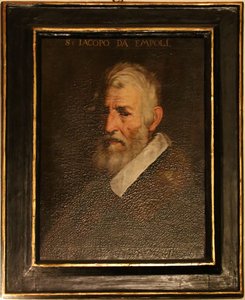
jacopo da empoli
1551 - 1640 , Italy
プロフィール概要
- Artistic Movement Or Style: Mannerism, Counter-Maniera
- Artists Or Movements Influenced By This Artist: ['Felice Ficherelli']
- Artists Who Influenced This Artist: ['Maso da San Friano']
- Date Of Birth: April 30, 1551
- Date Of Death: September 30, 1640
- Full Name: Jacopo Chimenti (Empoli)
- Nationality: Italian
- Notable Artworks:
- Deposition
- Madonna...
- Chimenti Family portrait
- Still Life with Games
- Place Of Birth: Florence, Italy

