

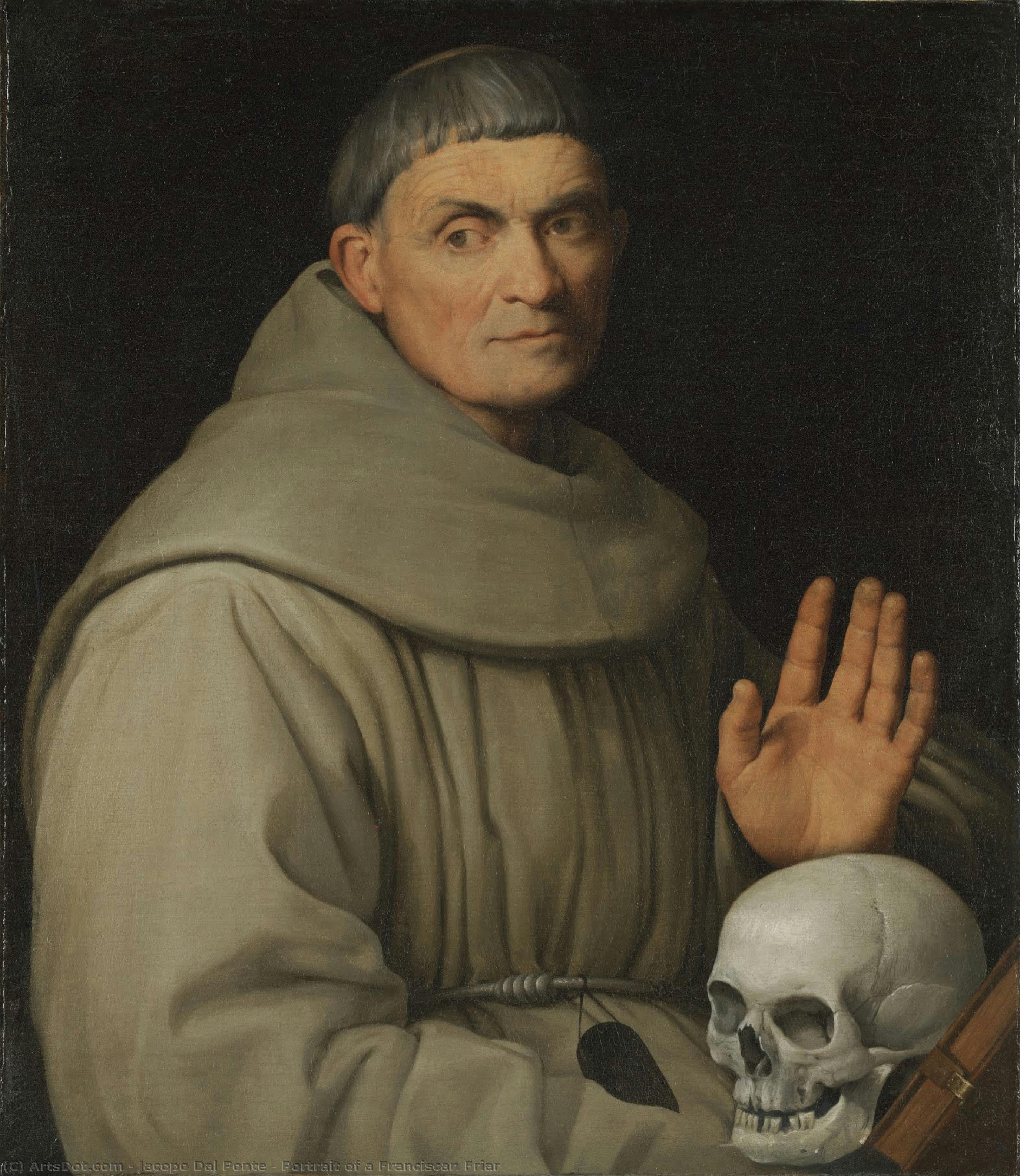
 プレビュー
プレビュー
 シェアする
シェアする シェアする
シェアする
 詳細を見る
詳細を見る

 ダウンロード
 似ている作品
 X線調査
X線調査 スライドショー
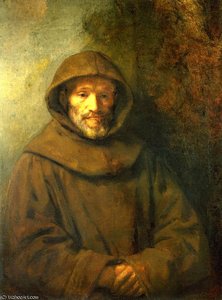
Portrait of a Franciscan Friar
 Renaissance
 1540
1540 80.0 x 69.0 cm
 Kimbell Art Museum
 詳細を見る
詳細を見る
ジークレー/アートプリント
迅速な制作と多彩な仕上げオプションを備えた、ミュージアムクオリティのジークレーまたはキャンバスプリント。 ( 手描きの絵画を購入 画像を購入)




































作品のオリジナル比率に合わせた、当店の規定サイズからお選びください。

特定のフレームやスペースに合わせて、ご自身でサイズを指定することも可能です。選択されたサイズが元の画像の比率と一致しない場合、作品をトリミングするか、鏡面反射または単色での塗りつぶしによって画像を拡張いたします。制作を開始する前に、ご確認用のデジタルモックアップをお送りいたします。
画面上のプレビューには、実際のトリミングや拡張は反映されませんのでご注意ください。最終的な構図を正確に確認できるのは、モックアップのみとなります。
カスタムサイズも承っておりますが、元の比率を維持するためには、あらかじめ用意されたリストからサイズを選択することをお勧めいたします。


 ガラスオプションは、110cm未満のサイズでのみご利用いただけます。

Portrait of a Franciscan Friar
ジークレー/アートプリント
複製画のサイズ
-


合計金額
$ 62
関連作品

アーティストの略歴
The Shadowed Canvas: Exploring the Life and Art of Jean-Baptiste Mongeau
Jean-Baptiste Mongeau, a name perhaps less familiar than his contemporaries, nevertheless stands as a pivotal figure in the late 18th and early 19th French art world. Born in Lyon in 1765, Mongeau’s life was inextricably linked to the tumultuous era of the French Revolution and its immediate aftermath – an experience that profoundly shaped both his artistic vision and his subject matter. While he lacked the formal training afforded to many artists of his time, a self-taught master, Mongeau developed a distinctive style characterized by dramatic chiaroscuro, meticulous detail, and a haunting exploration of human emotion amidst societal upheaval. His work offers a poignant reflection on the psychological impact of political change and the enduring search for beauty in a world increasingly defined by chaos.Early Life and Influences – A Lyoner’s Perspective
Mongeau's upbringing in Lyon, a vibrant center of commerce and industry during the Revolution, instilled within him a keen awareness of social disparity and political unrest. The city’s bustling markets, its skilled artisans, and its growing population of refugees created a rich tapestry of human experience – an environment that would later permeate his art. Unlike many artists who sought patronage in Paris, Mongeau remained rooted in Lyon, finding inspiration not only in the city's physical landscape but also in the stories of its people. Early influences included the Neoclassical ideals championed by Jacques-Louis David, though Mongeau quickly diverged from the rigid formality of his predecessor, injecting a raw emotionality and a darker palette into his compositions. The works of Rembrandt, particularly his masterful use of light and shadow, also exerted a significant influence on Mongeau’s technique, contributing to the dramatic intensity that would become a hallmark of his style.The Revolutionary Years – Painting the Unseen
Mongeau's artistic output during the Revolution was largely undocumented, reflecting the precarious circumstances under which many artists operated at the time. However, surviving sketches and a small number of finished paintings—primarily portraits and scenes depicting the plight of ordinary citizens—offer invaluable insights into his perspective. He eschewed grand historical narratives, instead focusing on intimate moments of suffering, resilience, and quiet dignity. His subjects were often marginalized figures – laborers, widows, and children – rendered with an unflinching honesty that challenged the idealized representations prevalent in official art. A particularly striking work, “The Baker’s Lament,” depicts a weary man staring into a loaf of bread, symbolizing not just hunger but also the loss of security and hope during a time of widespread famine. These paintings weren't intended for public display; they were often commissioned privately by sympathetic individuals or circulated discreetly among a small circle of supporters.A Shift Towards Symbolism – The Post-Revolutionary Period
Following the Thermidorian Reaction and the rise of Napoleon, Mongeau’s artistic focus subtly shifted. While he continued to depict scenes of human suffering, his work began to incorporate elements of symbolism and allegory, reflecting a growing disillusionment with political power and a yearning for spiritual solace. He explored themes of mortality, redemption, and the enduring strength of the human spirit. His palette darkened further, utilizing somber blues, greens, and browns alongside flashes of vibrant crimson – colors that evoked both pain and hope. His paintings during this period often featured recurring motifs—broken columns, withered flowers, and solitary figures—representing the ruins of a shattered society and the arduous path towards renewal.Legacy and Historical Significance
Jean-Baptiste Mongeau’s artistic legacy is one of quiet intensity and profound emotional resonance. Despite his relative obscurity during his lifetime, his work has been increasingly recognized for its unique contribution to French art in the late 18th and early 19th centuries. He stands as a testament to the power of art to bear witness to historical events and to explore the complexities of the human condition. His unflinching portrayal of social injustice and his masterful manipulation of light and shadow continue to captivate viewers today, reminding us of the enduring relevance of his artistic vision. Mongeau’s work is now housed primarily in private collections, but reproductions offer a window into the soul of a man who sought to capture the shadows and illuminate the truths of his time.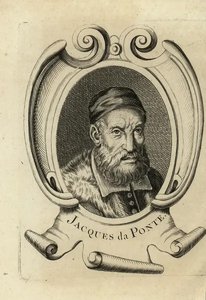
jacopo dal ponte
1592 , Italy
関連記事

ジャコポ・ティンコレット:至高の25選 – ヴェネツィア巨匠のドラマと光の世界 | ArtsDot
ジャコポ・ティンコレットの至高の25選。ドラマと光の世界を彩るヴェネツィア派巨匠の名画を紐解きます。ルネサンス絵画からバロック絵画まで、ArtsDotで高品質な複製画やインテリアアートを見つけましょう。傑作コレクションをオンラインで探求してください。

The Enduring Legacy of Oil on Canvas: Technique, History & Aesthetic Impact
Explore the rich history & techniques of oil painting – from Renaissance masters to Impressionism. Discover pigments, layering methods, and why this timeless medium endures. Expert insights for artists & art enthusiasts.

Oil on Canvas: A Historical & Technical Exploration of a Timeless Artistic Medium
Explore the rich history & enduring techniques of oil painting on canvas. Discover the science behind its longevity, conservation practices, and contemporary relevance. Expert insights for art enthusiasts.

The Enduring Power of Painting: A Historical & Contemporary Exploration of Form and Emotion
Explore the rich history & enduring techniques of oil painting with ArtsDot. Discover masterpieces, learn about art collecting, and find authentic handmade reproductions crafted by skilled artists.

油彩のキャンバス:技法、歴史、そして現代の実践 - 古典美術愛好家へ
油彩の技法、歴史、巨匠たちの秘密を徹底解説。古典美術愛好家向けに、初期フランドル絵画から現代の実践まで深く掘り下げます。ArtsDotで高品質な複製画やカスタムオーダーも承ります。