

 プレビュー
プレビュー
 プリントを購入
 シェアする
シェアする シェアする
シェアする
 詳細を見る
詳細を見る

 ダウンロード
 似ている作品
 X線調査
X線調査 スライドショー
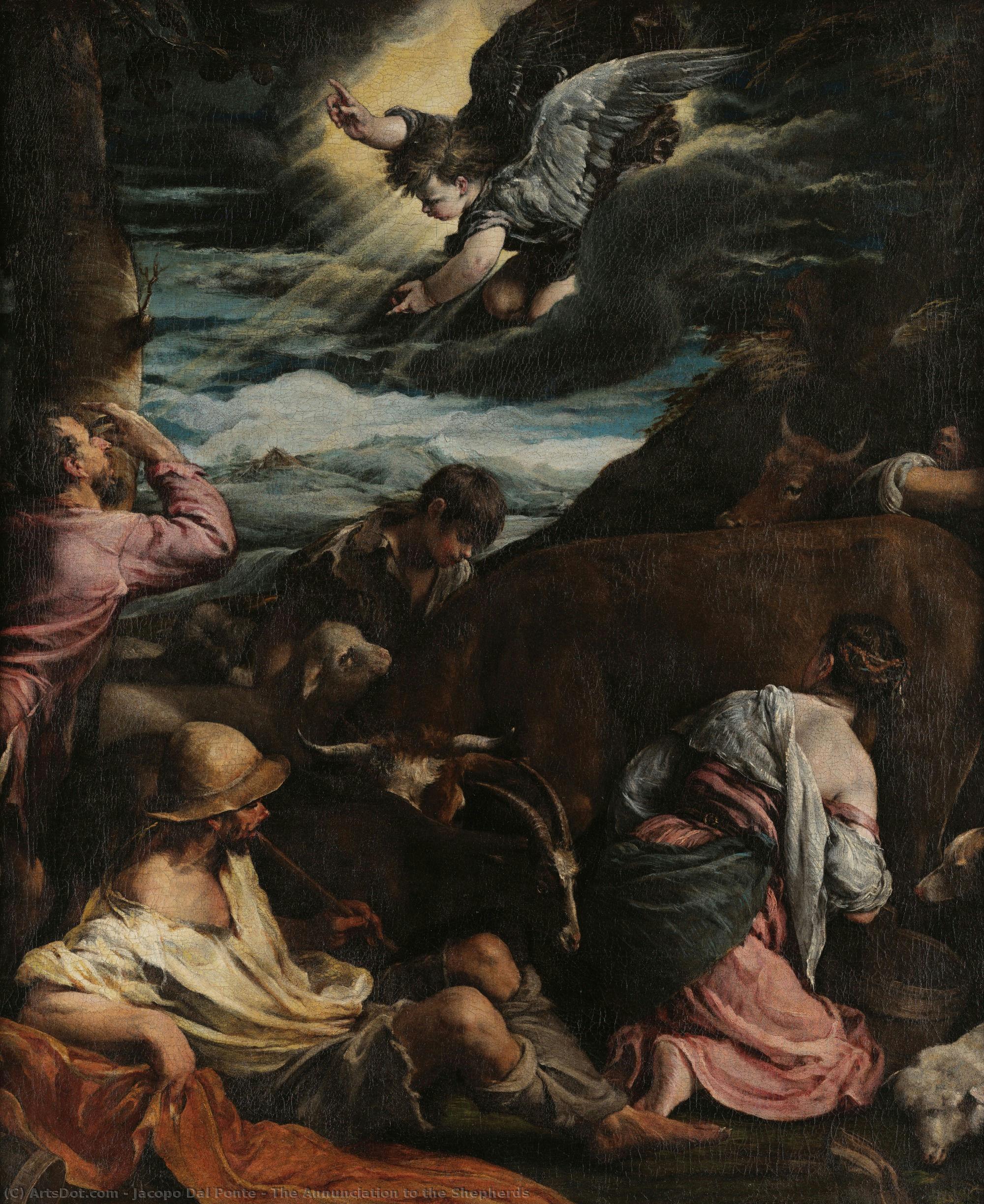
The Annunciation to the Shepherds

 詳細を見る
詳細を見る
オンラインプレビューをはるかに凌ぐ、高解像度で鮮明なデジタル画像をご購入いただけます。
各ファイルは、社内の専門家が高度なツールと熟練した手作業によるレタッチを用いて、細心の注意を払って準備されています。すべての画像において、卓越した鮮明度、正確な色彩再現性、そして繊細なディテールを保証いたします。
最終ファイルは、プロフェッショナルな編集・印刷環境ですぐにご利用いただけるよう最適化された状態で、72時間以内にメールにてお届けいたします。これは、一流のデザインスタジオ、出版社、ギャラリーから信頼されているものと同等の品質です。
デジタル画像のご注文に付随する特典
高品質なデジタル画像配信を、確かな品質で。
ArtsDot.com を選ぶことは、単に画像を手に入れることではありません。それは、プロの手によって精密に仕上げられ、満足保証が付いた高品質なデジタルアートワークを受け取ることを意味します。ご注文いただいた際に自動的に付随する内容は、以下の通りです:

メールですぐにお届け
ご注文から72時間以内に、高解像度のデジタル画像ファイルがメールでお手元に届きます。すぐにそのままご利用いただけます。

AI技術で最適化されたデジタルファイル
お客様の作品は、高度なAIツールと専門家による手作業の編集を組み合わせてプロフェッショナルに最適化されており、細部のディテール、鮮明さ、そして正確な色再現性を最大限に引き出しています。

一生涯無料の再送サービス
ファイルを誤って削除したり、紛失してしまったりしましたか?ご安心ください。いつでも無料で再送いたします。

輸入手数料は一切かかりません
関税や手数料、配送料を気にすることなく、お気に入りのアートワークをすぐにお楽しみいただけます。デジタルダウンロードは常に免税です。

色彩再現の保証
プロ仕様のツールとカラーマネジメント技術を用いることで、デジタル画像が元の色を最大限に忠実に再現することを保証いたします。

100日間満足保証
ご購入いただいたデジタル画像にご満足いただけない場合は、100日以内であれば、理由を問わず修正または100%の返金対応をさせていただきます。

100% 返金保証
ご満足いただけない場合は、デジタルファイルを受け取ってから100日以内であれば、理由を問わず全額返金いたします。

まとめ買い割引
3枚購入で10%OFF - 5枚購入で15%OFF - 10枚以上購入で20%OFF。クリエイティブなプロジェクト、ギャラリー、エージェンシーに最適です。
関連作品







作家の略歴
The Shadowed Canvas: Exploring the Life and Art of Jean-Baptiste Mongeau
Jean-Baptiste Mongeau, a name perhaps less familiar than his contemporaries, nevertheless stands as a pivotal figure in the late 18th and early 19th French art world. Born in Lyon in 1765, Mongeau’s life was inextricably linked to the tumultuous era of the French Revolution and its immediate aftermath – an experience that profoundly shaped both his artistic vision and his subject matter. While he lacked the formal training afforded to many artists of his time, a self-taught master, Mongeau developed a distinctive style characterized by dramatic chiaroscuro, meticulous detail, and a haunting exploration of human emotion amidst societal upheaval. His work offers a poignant reflection on the psychological impact of political change and the enduring search for beauty in a world increasingly defined by chaos.Early Life and Influences – A Lyoner’s Perspective
Mongeau's upbringing in Lyon, a vibrant center of commerce and industry during the Revolution, instilled within him a keen awareness of social disparity and political unrest. The city’s bustling markets, its skilled artisans, and its growing population of refugees created a rich tapestry of human experience – an environment that would later permeate his art. Unlike many artists who sought patronage in Paris, Mongeau remained rooted in Lyon, finding inspiration not only in the city's physical landscape but also in the stories of its people. Early influences included the Neoclassical ideals championed by Jacques-Louis David, though Mongeau quickly diverged from the rigid formality of his predecessor, injecting a raw emotionality and a darker palette into his compositions. The works of Rembrandt, particularly his masterful use of light and shadow, also exerted a significant influence on Mongeau’s technique, contributing to the dramatic intensity that would become a hallmark of his style.The Revolutionary Years – Painting the Unseen
Mongeau's artistic output during the Revolution was largely undocumented, reflecting the precarious circumstances under which many artists operated at the time. However, surviving sketches and a small number of finished paintings—primarily portraits and scenes depicting the plight of ordinary citizens—offer invaluable insights into his perspective. He eschewed grand historical narratives, instead focusing on intimate moments of suffering, resilience, and quiet dignity. His subjects were often marginalized figures – laborers, widows, and children – rendered with an unflinching honesty that challenged the idealized representations prevalent in official art. A particularly striking work, “The Baker’s Lament,” depicts a weary man staring into a loaf of bread, symbolizing not just hunger but also the loss of security and hope during a time of widespread famine. These paintings weren't intended for public display; they were often commissioned privately by sympathetic individuals or circulated discreetly among a small circle of supporters.A Shift Towards Symbolism – The Post-Revolutionary Period
Following the Thermidorian Reaction and the rise of Napoleon, Mongeau’s artistic focus subtly shifted. While he continued to depict scenes of human suffering, his work began to incorporate elements of symbolism and allegory, reflecting a growing disillusionment with political power and a yearning for spiritual solace. He explored themes of mortality, redemption, and the enduring strength of the human spirit. His palette darkened further, utilizing somber blues, greens, and browns alongside flashes of vibrant crimson – colors that evoked both pain and hope. His paintings during this period often featured recurring motifs—broken columns, withered flowers, and solitary figures—representing the ruins of a shattered society and the arduous path towards renewal.Legacy and Historical Significance
Jean-Baptiste Mongeau’s artistic legacy is one of quiet intensity and profound emotional resonance. Despite his relative obscurity during his lifetime, his work has been increasingly recognized for its unique contribution to French art in the late 18th and early 19th centuries. He stands as a testament to the power of art to bear witness to historical events and to explore the complexities of the human condition. His unflinching portrayal of social injustice and his masterful manipulation of light and shadow continue to captivate viewers today, reminding us of the enduring relevance of his artistic vision. Mongeau’s work is now housed primarily in private collections, but reproductions offer a window into the soul of a man who sought to capture the shadows and illuminate the truths of his time.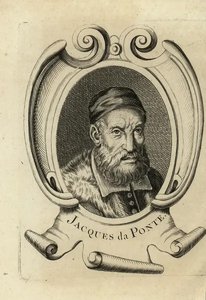
jacopo dal ponte
1592 , Italy