

 プレビュー
プレビュー
 プリントを購入
 シェアする
シェアする シェアする
シェアする
 詳細を見る
詳細を見る

 ダウンロード
 似ている作品
 X線調査
X線調査 スライドショー
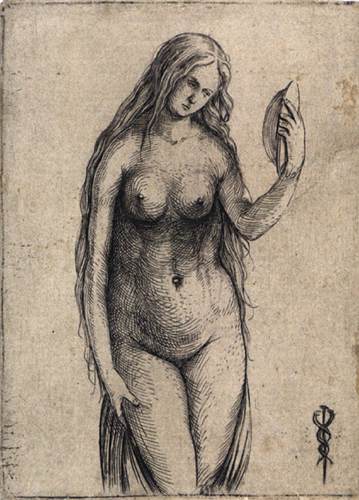
Nude Woman Holding a Mirror
 1503
1503 85.0 x 60.0 cm
 ナショナル・ギャラリー・オブ・アート
 詳細を見る
詳細を見る
オンラインプレビューをはるかに凌ぐ、高解像度で鮮明なデジタル画像をご購入いただけます。
各ファイルは、社内の専門家が高度なツールと熟練した手作業によるレタッチを用いて、細心の注意を払って準備されています。すべての画像において、卓越した鮮明度、正確な色彩再現性、そして繊細なディテールを保証いたします。
最終ファイルは、プロフェッショナルな編集・印刷環境ですぐにご利用いただけるよう最適化された状態で、72時間以内にメールにてお届けいたします。これは、一流のデザインスタジオ、出版社、ギャラリーから信頼されているものと同等の品質です。
デジタル画像のご注文に付随する特典
高品質なデジタル画像配信を、確かな品質で。
ArtsDot.com を選ぶことは、単に画像を手に入れることではありません。それは、プロの手によって精密に仕上げられ、満足保証が付いた高品質なデジタルアートワークを受け取ることを意味します。ご注文いただいた際に自動的に付随する内容は、以下の通りです:

メールですぐにお届け
ご注文から72時間以内に、高解像度のデジタル画像ファイルがメールでお手元に届きます。すぐにそのままご利用いただけます。

AI技術で最適化されたデジタルファイル
お客様の作品は、高度なAIツールと専門家による手作業の編集を組み合わせてプロフェッショナルに最適化されており、細部のディテール、鮮明さ、そして正確な色再現性を最大限に引き出しています。

一生涯無料の再送サービス
ファイルを誤って削除したり、紛失してしまったりしましたか?ご安心ください。いつでも無料で再送いたします。

輸入手数料は一切かかりません
関税や手数料、配送料を気にすることなく、お気に入りのアートワークをすぐにお楽しみいただけます。デジタルダウンロードは常に免税です。

色彩再現の保証
プロ仕様のツールとカラーマネジメント技術を用いることで、デジタル画像が元の色を最大限に忠実に再現することを保証いたします。

60日間満足保証
ご購入いただいたデジタル画像にご満足いただけない場合は、60日以内であれば、修正または100%の返金(理由を問う必要はありません)をさせていただきます。

100% 返金保証
ご満足いただけない場合は、デジタルファイルを受け取ってから60日以内であれば、理由を問わず全額返金いたします。

まとめ買い割引
3枚購入で10%OFF - 5枚購入で15%OFF - 10枚以上購入で20%OFF。クリエイティブなプロジェクト、ギャラリー、エージェンシーに最適です。
関連作品








作家の略歴
The Enigmatic Visionary of Venice and Nuremberg
Jacopo de’ Barbari remains one of the most captivating enigmas of the Renaissance, a master whose life story is as layered and complex as the trompe l'oeil illusions he perfected. While his precise origins are shrouded in the mists of history, contemporary accounts—including those from the legendary Albrecht Dürer—firmly anchor him to Venice. Though scholars debate whether he was born closer to 1450 or 1470, the artist’s presence in the historical record is undeniable and profound. He moved through the great courts of Europe not merely as a painter, but as a pioneer of perspective, bridging the gap between the delicate sensibilities of Italian art and the rigorous, detailed traditions of the Northern Renaissance.
His journey was one of remarkable geographical and stylistic expansion. Around 1500, Barbari embarked on a transformative odyssey that would redefine his artistic identity. Leaving the canals of Venice behind, he traveled to Germany, where he served under Emperor Maximilian I in Nuremberg. This period of intense cultural exchange saw him operating under the name Jacop Walch—a moniker likely derived from "Wälsch," a term used by Germans to denote a foreigner, specifically an Italian. His travels continued through the courts of Frederick III of Saxony and Joachim I of Brandenburg, allowing him to weave together the luminous color palettes of his Venetian roots with the meticulous, almost scientific precision characteristic of German masters.
A Master of Illusion and Detail
The true genius of Barbari lies in his ability to manipulate the viewer's perception, creating works that challenge the very boundary between art and reality. He is perhaps most celebrated for his groundbreaking contributions to the still life genre. In his celebrated works, such as the Still-Life with Partridge and Iron Gloves, he achieved a level of trompe l'oeil—or "deceive the eye"—that had not been seen since antiquity. By rendering textures like cold iron, soft leather, and organic plumage with such startling accuracy, he invited viewers into a meditative space where the permanence of crafted objects met the fleeting nature of life.
Beyond the intimate scale of his still lifes, Barbari demonstrated an unparalleled command over large-scale topographical art. His Plan of Venice, created in 1500, stands as a monumental achievement in printmaking. This breathtaking woodcut offers a bird's-eye view of the Venetian Republic at its zenith, presenting an aerial odyssey through intricate canals and islands. It is more than a map; it is a masterpiece of Renaissance cartography and artistic vision, showcasing a level of detail that captures the grandeur and complexity of the city with almost supernatural clarity.
Legacy and Artistic Influence
The historical significance of Jacopo de’ Barbari cannot be overstated. As one of the first Italian Renaissance artists of true stature to work extensively in Northern Europe, he acted as a vital conduit for artistic innovation. His style was deeply informed by the masters of his era, drawing strength from the linear perspective of Andrea Mantegna and the technical rigor of Albrecht Dürer. Yet, he was far from a mere imitator; his work possessed a highly individualistic spirit, characterized by a unique blend of Italian grace and Northern precision.
His contributions to the evolution of printmaking—through twenty-nine engravings and three massive woodcuts—left an indelible mark on the European artistic landscape. Even as his personal biography remains partially lost to time, his visual legacy endures through:
- The invention of modern still life: Establishing the foundations for the genre through the use of hyper-realistic textures and symbolic arrangements.
- Mastery of perspective: Utilizing trompe l'oeil techniques to expand the psychological depth of Renaissance painting.
- Cultural synthesis: Creating a stylistic bridge between the Mediterranean and Germanic artistic traditions, enriching the shared heritage of the Renaissance.

jacopo de barbari
1460 - 1516
プロフィール概要
- Artistic Movement Or Style: Trompe l'oeil & Woodcuts
- Artists Or Movements Influenced By This Artist: ['Renaissance Art']
- Artists Who Influenced This Artist:
- Mantegna
- Dürer
- Date Of Birth: c. 1460/70
- Date Of Death: before 1516
- Full Name: Jacopo de' Barbari
- Nationality: Italian
- Notable Artworks:
- The Triumph of Death
- Mantegna’s Lamentation
- Place Of Birth: Venice, Italy

