

 プレビュー
プレビュー
 プリントを購入
 シェアする
シェアする シェアする
シェアする
 詳細を見る
詳細を見る

 ダウンロード
 似ている作品
 X線調査
X線調査 スライドショー
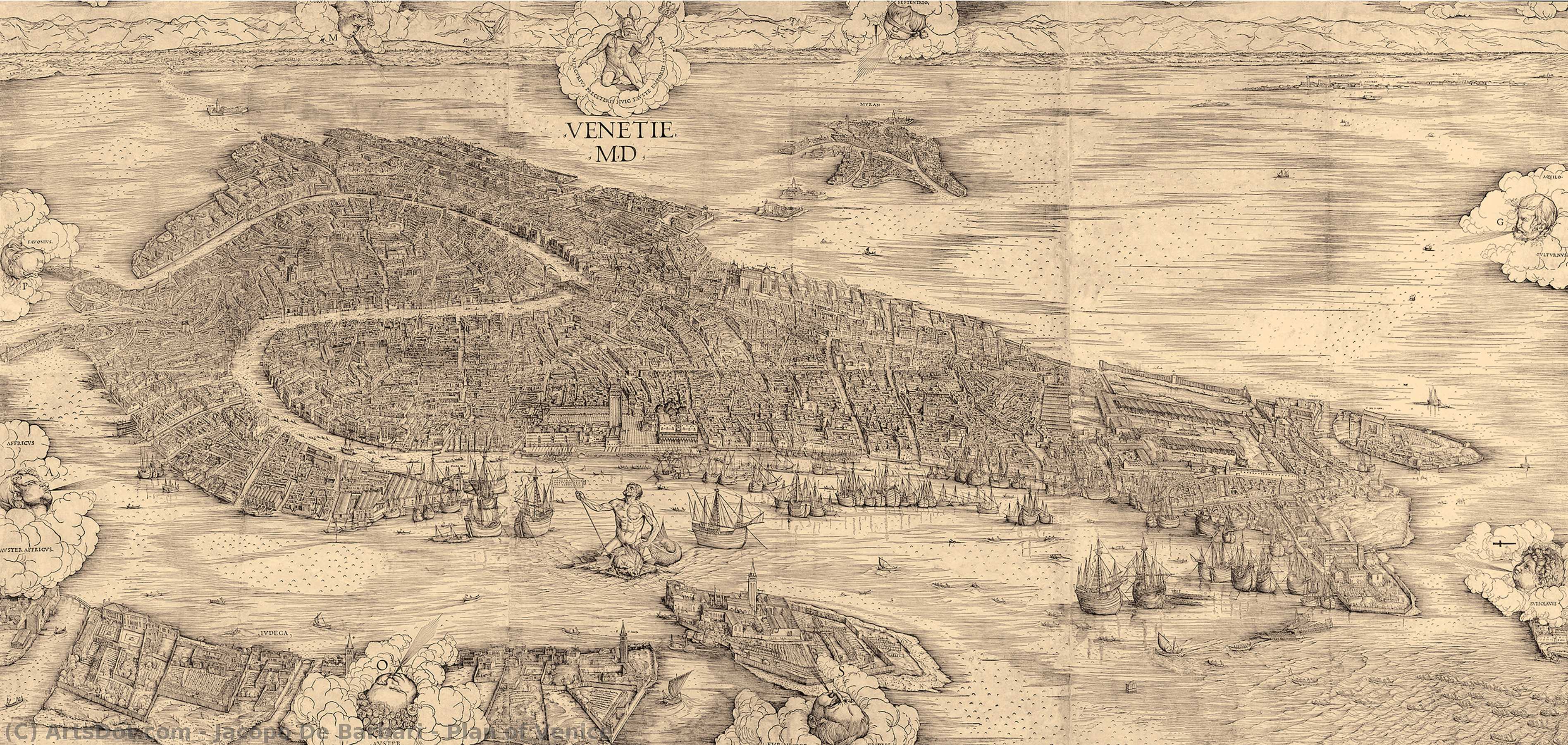
Plan of Venice
 Oil On Board
- Renaissance
 1500
1500- Renaissance
 135.0 x 282.0 cm
 コレール美術館
 詳細を見る
詳細を見る




P118B $10

P118H $10

P118W $10

P438Z $10

P508JH $12

P508YH $12

P805H $10

P805Z $10

P919BZ $10

P919G $10

P919XJ $10

P959ZH $10

P968JZ $12

W106C $8

W218G $10

W218JH $8

W218Y $10

W307PJ $10

W316G $10

W316PJ $8

W316Y $10

W398PJ $8

W4111J $10

W500HY $15

W500JH $15

W692G $12

W849H $8

W940BG $15

W953PJ $8




作品のオリジナル比率に合わせた、当店の規定サイズからお選びください。

特定のフレームやスペースに合わせて、ご希望のサイズをご入力いただけます。選択されたサイズが元の画像の比率と異なる場合、アートワークをトリミングするか、手描きで要素を追加して絵画を拡張いたします。デジタルモックアップ を制作し、制作開始前にご確認(承認)をいただきます。
画面上のプレビューは、実際のトリミングや拡張を正確に反映しているものではありません。最終的な構図は、モックアップによってのみ正確にご確認いただけます。
カスタムサイズもご利用いただけますが、元の比率を維持するためには、あらかじめ用意されたリストからサイズを選択することをお勧めいたします。
ご注文後、ArtsDot.com チームより詳細な指示をお送りするとともに、仕上がりイメージ(モックアップ)をご提供いたします。


 ガラスオプションは、110cm未満のサイズでのみご利用いただけます。

Plan of Venice
複製技法
複製画のサイズ
-


合計金額
$ 263
A Bird's-Eye Vision of Renaissance Splendor
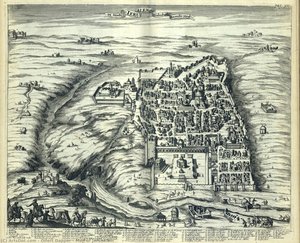
In the annals of Renaissance masterworks, few pieces command as much awe for their sheer scale and topographical precision as Jacopo De Barbari’s Plan of Venice. Created in 1500, this monumental achievement on wood serves as more than a mere map; it is a breathtaking aerial odyssey that transports the viewer to the very heart of the Venetian Republic at its zenith. As one gazes upon the intricate network of canals and islands, there is an immediate sense of being suspended above the Adriatic, witnessing a city that exists as much in the realm of myth as in physical reality. The painting captures a moment of profound historical equilibrium, where the bustling maritime commerce meets the serene architectural grandeur of a rising empire.
The composition is a triumph of early perspective and meticulous detail. De Barbari employs a technique that anticipates the modern panoramic view, guiding the eye through a labyrinth of waterways, bridges, and majestic basilicas. Each structure, from the smallest residential palazzo to the most significant religious landmark, is rendered with an almost obsessive devotion to accuracy. This level of detail does not merely document the urban layout; it breathes life into the stone and mortar. One can almost hear the rhythmic splashing of oars as gondolas and merchant vessels navigate the canals, their presence adding a layer of kinetic energy to the otherwise static, frozen beauty of the cityscape.
The Intersection of Cartography and Artistry
Beyond its function as a historical document, the Plan of Venice is a profound exploration of the artist's ability to blend scientific observation with aesthetic grace. During this era, the boundaries between cartography and fine art were beautifully blurred, and De Barbari stands as a pioneer of this intersection. The technique used to execute such a vast landscape on wood requires immense discipline, ensuring that the delicate interplay of light and shadow across the Venetian facades remains consistent throughout the sprawling canvas. This mastery of light creates a sense of atmosphere, suggesting the humid, shimmering air of the lagoon and the way sunlight dances upon the undulating water.
For the discerning collector or interior designer, this artwork offers an unparalleled opportunity to introduce a sense of historical depth and intellectual sophistication into a space. The sheer scale of the original work—measuring 135 x 282 cm—provides a dramatic focal point that can anchor a room, whether it be a grand library, a formal dining hall, or a contemporary living suite. A high-quality oil reproduction of this masterpiece allows the timeless elegance of the Renaissance to permeate modern interiors, offering a window into a lost world of maritime glory and architectural perfection.
A Legacy of Cultural Heritage
The historical significance of De Barbari’s work cannot be overstated. It serves as a vital window into the 15th-century Venetian psyche—a period defined by cultural flourishing, economic prosperity, and an unparalleled confidence in urban design. To possess a reproduction of this plan is to hold a piece of the very soul of Venice. The painting does not merely depict buildings; it celebrates the triumph of human ingenuity over the challenging environment of a marshy archipelago.
As we look upon this masterpiece today, housed in the esteemed Museo Correr, we are reminded of the enduring power of traditional craftsmanship. The Plan of Venice continues to inspire awe, acting as a bridge between the historical reality of a powerful maritime state and the eternal beauty of artistic vision. It remains an essential subject for those who find inspiration in the intersection of history, geography, and the sublime artistry of the Renaissance masters.
関連作品

アーティストの略歴
The Enigmatic Visionary of Venice and Nuremberg
Jacopo de’ Barbari remains one of the most captivating enigmas of the Renaissance, a master whose life story is as layered and complex as the trompe l'oeil illusions he perfected. While his precise origins are shrouded in the mists of history, contemporary accounts—including those from the legendary Albrecht Dürer—firmly anchor him to Venice. Though scholars debate whether he was born closer to 1450 or 1470, the artist’s presence in the historical record is undeniable and profound. He moved through the great courts of Europe not merely as a painter, but as a pioneer of perspective, bridging the gap between the delicate sensibilities of Italian art and the rigorous, detailed traditions of the Northern Renaissance.
His journey was one of remarkable geographical and stylistic expansion. Around 1500, Barbari embarked on a transformative odyssey that would redefine his artistic identity. Leaving the canals of Venice behind, he traveled to Germany, where he served under Emperor Maximilian I in Nuremberg. This period of intense cultural exchange saw him operating under the name Jacop Walch—a moniker likely derived from "Wälsch," a term used by Germans to denote a foreigner, specifically an Italian. His travels continued through the courts of Frederick III of Saxony and Joachim I of Brandenburg, allowing him to weave together the luminous color palettes of his Venetian roots with the meticulous, almost scientific precision characteristic of German masters.
A Master of Illusion and Detail
The true genius of Barbari lies in his ability to manipulate the viewer's perception, creating works that challenge the very boundary between art and reality. He is perhaps most celebrated for his groundbreaking contributions to the still life genre. In his celebrated works, such as the Still-Life with Partridge and Iron Gloves, he achieved a level of trompe l'oeil—or "deceive the eye"—that had not been seen since antiquity. By rendering textures like cold iron, soft leather, and organic plumage with such startling accuracy, he invited viewers into a meditative space where the permanence of crafted objects met the fleeting nature of life.
Beyond the intimate scale of his still lifes, Barbari demonstrated an unparalleled command over large-scale topographical art. His Plan of Venice, created in 1500, stands as a monumental achievement in printmaking. This breathtaking woodcut offers a bird's-eye view of the Venetian Republic at its zenith, presenting an aerial odyssey through intricate canals and islands. It is more than a map; it is a masterpiece of Renaissance cartography and artistic vision, showcasing a level of detail that captures the grandeur and complexity of the city with almost supernatural clarity.
Legacy and Artistic Influence
The historical significance of Jacopo de’ Barbari cannot be overstated. As one of the first Italian Renaissance artists of true stature to work extensively in Northern Europe, he acted as a vital conduit for artistic innovation. His style was deeply informed by the masters of his era, drawing strength from the linear perspective of Andrea Mantegna and the technical rigor of Albrecht Dürer. Yet, he was far from a mere imitator; his work possessed a highly individualistic spirit, characterized by a unique blend of Italian grace and Northern precision.
His contributions to the evolution of printmaking—through twenty-nine engravings and three massive woodcuts—left an indelible mark on the European artistic landscape. Even as his personal biography remains partially lost to time, his visual legacy endures through:
- The invention of modern still life: Establishing the foundations for the genre through the use of hyper-realistic textures and symbolic arrangements.
- Mastery of perspective: Utilizing trompe l'oeil techniques to expand the psychological depth of Renaissance painting.
- Cultural synthesis: Creating a stylistic bridge between the Mediterranean and Germanic artistic traditions, enriching the shared heritage of the Renaissance.

jacopo de barbari
1460 - 1516
基本情報
- Artistic Movement Or Style: Trompe l'oeil & Woodcuts
- Artists Or Movements Influenced By This Artist: ['Renaissance Art']
- Artists Who Influenced This Artist:
- Mantegna
- Dürer
- Date Of Birth: c. 1460/70
- Date Of Death: before 1516
- Full Name: Jacopo de' Barbari
- Nationality: Italian
- Notable Artworks:
- The Triumph of Death
- Mantegna’s Lamentation
- Place Of Birth: Venice, Italy
関連記事
Giovanni Antonio Canal (Canaletto): A Venetian Master of Light, Space & Societal Observation
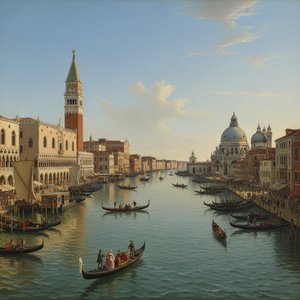
Explore the life & art of Giovanni Antonio Canal (Canaletto), a Venetian master renowned for his breathtaking cityscapes. Discover his techniques, legacy, and captivating depictions of 18th-century Venice & London.
Urban Visions: A Historical & Artistic Exploration of the Cityscape in Painting
Explore the evolution of cityscape painting from historical maps to Impressionist masterpieces. Discover artists like Caillebotte, Utrillo & Matsumoto Shunsuke. Find museum-quality reproductions at ArtsDot.
Urban Visions: A Historical & Artistic Exploration of the Cityscape in Painting
Explore the evolution of cityscape painting from historical maps to Impressionist masterpieces. Discover artists like Caillebotte & Utrillo. Find museum-quality reproductions at ArtsDot.
Concrete Visions: Exploring the Urban Landscape in Painting – From Realism to Contemporary Art
Explore the evolution of cityscape painting from Realism to contemporary art with ArtsDot. Discover key artists & invest in timeless urban visions. Expert guidance, museum-quality reproductions.
Michelangelo Morlaiter: Venetian Landscapes & the Pursuit of Atmospheric Realism
Explore the captivating landscapes of Michelangelo Morlaiter, a key figure in 18th-century Venetian painting. Discover his mastery of atmospheric perspective and lasting influence on Italian art history. Learn more at ArtsDot.

