

 プレビュー
プレビュー
 プリントを購入
 シェアする
シェアする シェアする
シェアする
 詳細を見る
詳細を見る

 ダウンロード
 似ている作品
 X線調査
X線調査 スライドショー
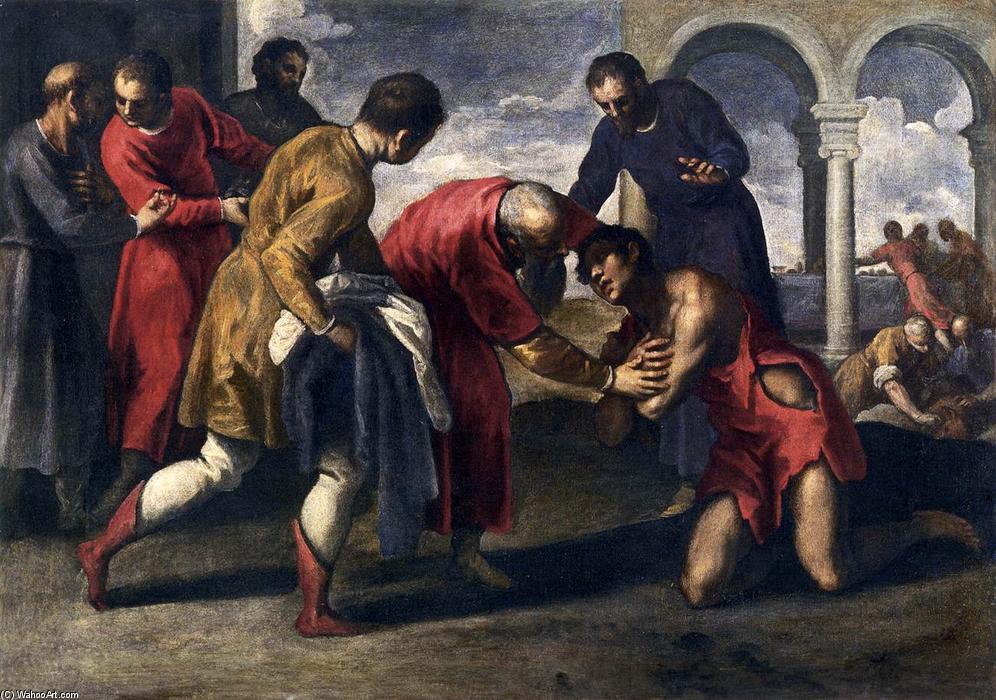
Return of the Prodigal Son
 Oil On Canvas
- WallArt
- Baroque
 1595
1595 83.0 x 118.0 cm
 Gallerie dell’Accademia
 詳細を見る
詳細を見る




P118B $10

P118H $10

P118W $10

P438Z $10

P508JH $12

P508YH $12

P805H $10

P805Z $10

P919BZ $10

P919G $10

P919XJ $10

P959ZH $10

P968JZ $12

W106C $8

W218G $10

W218JH $8

W218Y $10

W307PJ $10

W316G $10

W316PJ $8

W316Y $10

W398PJ $8

W4111J $10

W500HY $15

W500JH $15

W692G $12

W849H $8

W940BG $15

W953PJ $8




作品のオリジナル比率に合わせた、当店の規定サイズからお選びください。

特定のフレームやスペースに合わせて、ご希望のサイズをご入力いただけます。選択されたサイズが元の画像の比率と異なる場合、アートワークをトリミングするか、手描きで要素を追加して絵画を拡張いたします。デジタルモックアップ を制作し、制作開始前にご確認(承認)をいただきます。
画面上のプレビューは、実際のトリミングや拡張を正確に反映しているものではありません。最終的な構図は、モックアップによってのみ正確にご確認いただけます。
カスタムサイズもご利用いただけますが、元の比率を維持するためには、あらかじめ用意されたリストからサイズを選択することをお勧めいたします。
ご注文後、ArtsDot.com チームより詳細な指示をお送りするとともに、仕上がりイメージ(モックアップ)をご提供いたします。


 ガラスオプションは、110cm未満のサイズでのみご利用いただけます。

Return of the Prodigal Son
複製技法
複製画のサイズ
-


合計金額
$ 413
作品解説
A Venetian Vision of Judgment: Palma Giovane’s ‘Return of the Prodigal Son’
Palma Giovane’s “Return of the Prodigal Son,” completed in 1595, stands as a cornerstone of Venetian Baroque art—a testament to the artistic fervor that gripped Venice during its zenith. Housed within the Gallerie dell'Accademia in Venice, Italy, this monumental oil on canvas (83 x 118 cm) transcends mere depiction; it embodies a profound exploration of faith, repentance, and divine forgiveness, rendered with breathtaking skill and emotional resonance.Style and Composition: Bridging Tradition
Giovane’s artistic lineage is inextricably linked to the titans of Venetian painting—Titian and Tintoretto—a connection that profoundly shaped his stylistic approach. Like Tintoretto, he embraced dramatic lighting and dynamic composition, prioritizing movement and gesture to convey intense emotion. However, Giovane skillfully tempered Tintoretto's theatrical flair with Titian’s masterful use of color and tonal subtlety, resulting in a harmonious blend that distinguishes him as a singular voice within the Venetian School. The canvas is dominated by diagonal lines emanating from the figures’ stances, creating an arresting sense of instability and urgency—a characteristic hallmark of Baroque aesthetics designed to captivate the viewer's gaze.Technique: Color, Texture, and Light
Giovane’s technique exemplifies the meticulous craftsmanship demanded by Venetian art patrons. He employed broad brushstrokes to build up layers of pigment, achieving remarkable textural richness – particularly evident in the drapery of the father figure and the folds of the son's garments. The artist skillfully manipulated light and shadow, casting dramatic highlights that illuminate key elements within the scene while simultaneously deepening the emotional impact. Giovane’s palette leans heavily on earthy tones—russet reds, ochres, and browns—contrasting powerfully with brighter accents of crimson and ultramarine blue, creating a visual symphony that underscores the solemnity of the narrative. The meticulous attention to detail reflects the prevailing artistic ideals of the period: realism infused with spiritual contemplation.Symbolism: A Biblical Narrative Illuminated
The painting’s symbolism speaks volumes about its theological core. At its center lies the kneeling prodigal son, representing humility and submission before divine grace—a gesture mirroring Christ's posture during his Passion. The father’s outstretched hand symbolizes forgiveness and reconciliation, embodying God’s boundless compassion for repentant sinners. Surrounding figures serve as observers of this pivotal moment, emphasizing the universality of faith and judgment. The arched architectural backdrop evokes a courtroom or sacred space, reinforcing the narrative’s legalistic dimension—a deliberate allusion to biblical law and divine retribution. Giovane's masterful portrayal elevates the familiar tale of repentance into an unforgettable visual experience.Historical Context: Venice at the Height of Artistic Glory
“Return of the Prodigal Son” emerged during a period of unparalleled artistic innovation in Venice, fueled by papal patronage and burgeoning humanist ideals. Following Tintoretto’s death in 1594, Palma Giovane ascended to prominence as Venice's foremost painter, inheriting Tintoretto’s legacy and establishing himself as a champion of Venetian Baroque style. The painting reflects the broader cultural preoccupation with religious themes—a response to the Reformation and an affirmation of Catholic piety—demonstrating Venice’s enduring influence on European artistic sensibilities. Its inclusion in the Gallerie dell'Accademia ensures its place within the canon of Venetian art history, inviting viewers to contemplate its timeless beauty and profound spiritual significance.Where to Explore Further
For a deeper understanding of Palma Giovane and his oeuvre, visit /art/list/?Filter=8XZSTP-Palma-Giovane-Return-of-the-Prodigal-Son. You can also delve into the Gallerie dell'Accademia’s collection on Wikipedia: https://en.wikipedia.org/wiki/Gallerie_dell%27Accademia. Consider commissioning a handmade oil painting reproduction at https://ArtsDot.com to bring this masterpiece into your home.関連作品
アーティストの略歴
ヤコポ・パルマ・イル・ジョヴァネの輝かしき遺産
比類なき色彩と光の極致によって定義される、ヴェネツィア・ルネサンスの黄金の黄昏時。その時代に、盛期ルネサンスから芽生えつつあったバロックのドラマへと、その筆致で架け橋を築いた画家が現れました。ヤコポ・パルマ・イル・ジョヴァネ(1548年頃誕生、イアコポ・ネグレッティの名でも知られる)は、単なる偉大な巨匠たちの後継者にとどまらず、ヴェネツィア派の連続性における極めて重要な結節点でした。名高いパルマ・ヴェッキオの大甥として、彼は芸術的卓越性の血統の中に生まれ、ヴェネツィアの伝統を象徴する色彩豊かな豊穣さを深く理解していました。彼の生涯と作品は、先人たちが築いた光り輝く優雅さを、感情の激動と演劇的な壮大さが支配する新たな時代へと、淀みなく受け継いでいったのです。
パルマの芸術性の礎は、ティツィアーノやティントレットといった巨匠たちの遺志が色濃く漂うヴェネツィアの工房で築かれました。歴史的な記録によれば、彼はティツィアーノの息を呑むような色彩パレットの研究を通じて技法を磨いたとされていますが、彼の成熟したヴィジョンを真に形作ったのは、ティントレットのダイナミックなエネルギーでした。1594年にティントレットが世を去ると、パルマ・イル・ジョヴァネは卓越した地位へと昇り詰め、ヴェネツィアにおける支配的な芸術勢力となりました。彼はこれら二つの異なる影響を見事に融合させる稀有な才能を備えていました。ティツィアーノからは光と肌の質感に対する洗練された支配力を、そしてティントレットからは、反宗教改革時代の宗教的情熱と深く共鳴するような、躍動感あふれる動きや劇的なキアロスクーロ(明暗法)、そして物語の切迫感を取り入れたのです。
物語と感情の巨匠
パルマ・イル・ジョヴァネの全作品は、聖書や神話の主題を、生々しい人間的体験へと変貌させる彼の能力の証です。彼の絵画は決して静止したものではありません。観る者をドラマの核心へと引き込むような生命力に満ち溢れています。宗教的な殉教の厳粛さを描くときも、酒場の賑やかな混沌を描くときも、彼は光を物語の道具として用い、複雑な構図の中で観る者の視線を導き、物語の感情的な核へとたどり着かせます。その卓越した技量は、影と輝きの相互作用が神聖な葛藤を際立たせるアレクサンドリアの聖カタリナの殉教や、力強く躍動的な筆致によって集団的な悲しみの深い瞬間を捉えた聖母の墓に集う使徒たちといった作品において、とりわけ顕著に表れています。
宗教的な依頼作品にとどまらず、パルマの多才さは幅広い主題の探求を可能にしました。人間の精神を捉える彼の才能は、おそらく自画像において最も親密な形で示されています。この作品には、魂の深い内省と、表情の微細なニュアンスまでも描き出す技術的な熟練が見て取れます。また、放蕩息子の娯楽のような、より世俗的あるいは風俗的な場面においても、彼はヴェネツィアの生活の質感と色彩を讃えるような、鮮やかでリズム感のある質感を維持しています。深遠なものから遊び心のあるものまでを自在に行き来するこの能力こそが、ヴェネツィアの教会当局から中欧の宮廷に至るまで、様々なパトロン層において彼の存在意義を確固たるものにしたのです。
歴史的意義と永続する影響力
ヤコポ・パルマ・イル・ジョヴァネの歴史的重要性は、ヴェネツィア共和国の境界を遥かに越えて広がっています。彼の影響は外へと放射され、ベルガモやプラハの皇帝ルドルフ2世の宮廷にまで及び、彼を国際的な地位を持つ芸術家として位置づけました。彼は単に過去を模倣したのではなく、それを進化させ、17世紀を定義することになる、より感情的でドラマチックな様式のための土壌を整えたのです。ヴェネツリートの美学をさらに洗練させていく次世代の画家たちを指導することで、彼は自らの血統が持つ伝統を、常に鮮烈で変革的なものとして維持し続けました。
今日、私たちはパルマ・イル・ジョヴァネを、時代と時代を繋ぐ架け橋としての役割を果たした極めて重要な人物として認識しています。彼の遺産は以下の点に見出すことができます:
- 様式の融合:ティツィアーノの色彩的な輝きと、ティントレットの劇的なダイナミズムの継ぎ目のない統合。
- 反宗教改革の芸術性:深い宗教的変革期においてカトリック教会が求めた精神的な強烈さを伝えるための、力強いイメージの使用。
- ヴェネツィア派の継承:広範な依頼と教育的な影響を通じて、世界の芸術の中心地としてのヴェネツィアの地位を維持したこと。
表現豊かな筆致と見事な光の操り手として、パルマ・イル・ジョヴァネは変わりゆく世界の真髄を捉え、現代の観る者を今なお魅了し、心を動かし続ける作品群を遺したのです。
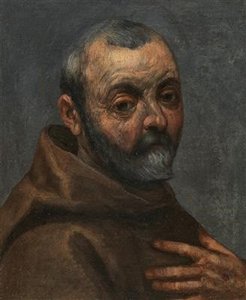
ヤコポ・パルマ・イル・ジョヴァネ
1548 - 1628 , イタリア
基本情報
- Artistic Movement Or Style: ヴェネツィア派
- Artists Or Movements Influenced By This Artist: ['ジョヴァンニ・アントニオ・カナル']
- Artists Who Influenced This Artist:
- ティツィアーノ
- ティントレット
- Date Of Birth: イタリア、ヴェネツィア (1548年)
- Date Of Death: 1628年
- Full Name: ヤコポ・パルマ・イル・ジョヴァネ
- Nationality: イタリア人
- Notable Artworks:
- ロットと娘たち
- 玉座のパドヴァの聖ユスティーナ
- Place Of Birth: ヴェネツィア
関連記事
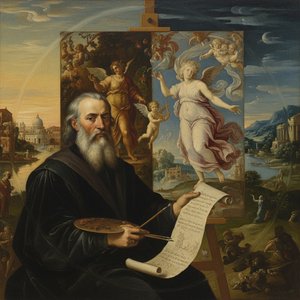
Jacopo Palma il Giovane: A Venetian Master's Poetic Evolution
Explore the captivating world of Jacopo Palma il Giovane, a pivotal Venetian Renaissance master. Discover his unique style, influenced by Titian & Tintoretto, and learn about key works perfect for discerning collectors.

バロックのドラマ:現代のインテリアに壮麗さと情感を取り込む
バロック様式の歴史、絵画、家具の魅力をご紹介。ArtsDotでは、高品質な油絵複製やカスタムポートレートをご提供し、現代のインテリアに壮麗さと情感を取り入れます。アートコンサルテーションも承ります。

The Dramatic Flourish: Exploring the Baroque Movement's Enduring Legacy in Art History
Explore the dramatic world of Baroque art! Discover iconic artists like Caravaggio & Rubens, defining techniques, and its lasting impact on art history. Expert insights for collectors & enthusiasts at ArtsDot.

バロック美術を極めた至宝:時代を彩る10大名作の世界
バロック美術の華!カラヴァッジョ、ベルニーニら巨匠が創り上げた10大名作を徹底解剖。ドラマチックな色彩と豪華絢爛の世界観に触れ、至宝のアートプリントで空間を彩ろう。ArtsDot.comで美術館品質の複製と洗練されたインテリアを見つけましょう!

ジャコポ・ティンコレット:至高の25選 – ヴェネツィア巨匠のドラマと光の世界 | ArtsDot
ジャコポ・ティンコレットの至高の25選。ドラマと光の世界を彩るヴェネツィア派巨匠の名画を紐解きます。ルネサンス絵画からバロック絵画まで、ArtsDotで高品質な複製画やインテリアアートを見つけましょう。傑作コレクションをオンラインで探求してください。

