

 プレビュー
プレビュー
 プリントを購入
 シェアする
シェアする シェアする
シェアする
 詳細を見る
詳細を見る

 ダウンロード
 似ている作品
 X線調査
X線調査 スライドショー
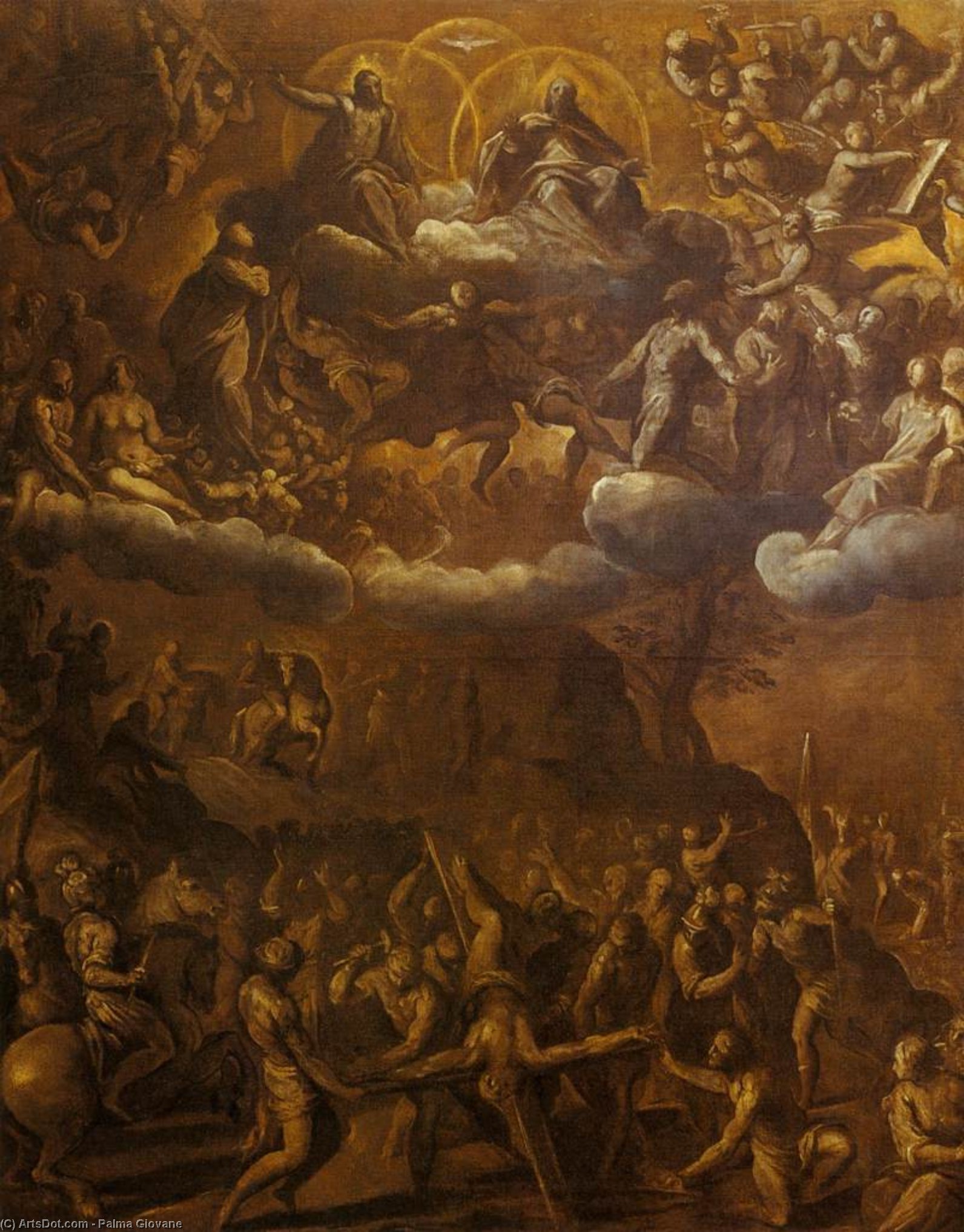
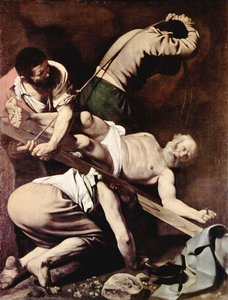
The Crucifixion of St Peter
 Oil On Canvas
- WallArt
- Baroque
 1614
1614 170.0 x 135.0 cm
 Gallerie dell’Accademia
 詳細を見る
詳細を見る
オンラインプレビューをはるかに凌ぐ、高解像度で鮮明なデジタル画像をご購入いただけます。
各ファイルは、社内の専門家が高度なツールと熟練した手作業によるレタッチを用いて、細心の注意を払って準備されています。すべての画像において、卓越した鮮明度、正確な色彩再現性、そして繊細なディテールを保証いたします。
最終ファイルは、プロフェッショナルな編集・印刷環境ですぐにご利用いただけるよう最適化された状態で、72時間以内にメールにてお届けいたします。これは、一流のデザインスタジオ、出版社、ギャラリーから信頼されているものと同等の品質です。
デジタル画像のご注文に付随する特典
高品質なデジタル画像配信を、確かな品質で。
ArtsDot.com を選ぶことは、単に画像を手に入れることではありません。それは、プロの手によって精密に仕上げられ、満足保証が付いた高品質なデジタルアートワークを受け取ることを意味します。ご注文いただいた際に自動的に付随する内容は、以下の通りです:

メールですぐにお届け
ご注文から72時間以内に、高解像度のデジタル画像ファイルがメールでお手元に届きます。すぐにそのままご利用いただけます。

AI技術で最適化されたデジタルファイル
お客様の作品は、高度なAIツールと専門家による手作業の編集を組み合わせてプロフェッショナルに最適化されており、細部のディテール、鮮明さ、そして正確な色再現性を最大限に引き出しています。

一生涯無料の再送サービス
ファイルを誤って削除したり、紛失してしまったりしましたか?ご安心ください。いつでも無料で再送いたします。

輸入手数料は一切かかりません
関税や手数料、配送料を気にすることなく、お気に入りのアートワークをすぐにお楽しみいただけます。デジタルダウンロードは常に免税です。

色彩再現の保証
プロ仕様のツールとカラーマネジメント技術を用いることで、デジタル画像が元の色を最大限に忠実に再現することを保証いたします。

60日間満足保証
ご購入いただいたデジタル画像にご満足いただけない場合は、60日以内であれば、修正または100%の返金(理由を問う必要はありません)をさせていただきます。

100% 返金保証
ご満足いただけない場合は、デジタルファイルを受け取ってから60日以内であれば、理由を問わず全額返金いたします。

まとめ買い割引
3枚購入で10%OFF - 5枚購入で15%OFF - 10枚以上購入で20%OFF。クリエイティブなプロジェクト、ギャラリー、エージェンシーに最適です。
The Crucifixion of St Peter – A Venetian Masterpiece
Michelangelo Palma il Giovane’s “The Crucifixion of St Peter,” painted in 1614, is not merely a depiction of a pivotal moment in Christian history; it's a profound exploration of suffering, faith, and the raw emotion of martyrdom. This monumental canvas, measuring 170 x 135 cm, transports the viewer directly into the heart of the scene – a chaotic yet deeply moving tableau unfolding outdoors beneath a dramatic, stormy sky. Palma, working in the rich tradition established by his father, Jacopo Palma Vecchio and heavily influenced by the titans of Venetian painting like Titian and Tintoretto, masterfully blends these influences to create an intensely personal and emotionally resonant work.
The composition immediately commands attention. Jesus Christ, centrally positioned and undeniably suffering, dominates the scene. His body is rendered with a startling realism – every muscle strained, every vein pulsing with agony. Around him swirl a multitude of figures: Roman soldiers, onlookers, and even angels, each contributing to the overwhelming sense of drama and despair. Palma’s genius lies in his ability to capture not just the physical act of crucifixion but also the psychological weight of it—the palpable grief, fear, and disbelief radiating from those present. The horse on the left, positioned deliberately close to the top of the painting, adds a layer of unsettling realism and reinforces the brutal nature of the event.
A Venetian Palette – Technique and Style
Palma’s distinctive style is immediately recognizable through his masterful use of color and light. He employs a vibrant, almost theatrical palette—deep reds, blues, and golds contrasting sharply with the muted earth tones of the landscape. This dramatic interplay of colors intensifies the emotional impact of the scene, drawing the viewer's eye to key elements while simultaneously creating an atmosphere of heightened drama. Palma’s brushwork is loose and expressive, characteristic of Venetian painting at the time, allowing for a sense of movement and immediacy. Notice how he uses broken color—small, distinct areas of pigment rather than smooth blends—to create texture and depth, particularly in the folds of the figures' clothing and the rough surface of the wood of the cross.
The painting’s technique is rooted in the Venetian tradition but also demonstrates Palma’s individual artistic voice. He skillfully utilizes *sfumato*, a subtle blurring of lines and edges that creates an atmospheric effect, softening the harshness of the scene and lending it a sense of ethereal beauty. This technique, perfected by Titian, allows him to capture not just the physical appearance of the figures but also their emotional state—their vulnerability and despair.
Historical Context – Faith, Power, and Venice
“The Crucifixion of St Peter” was painted during a period of significant religious and political upheaval in Europe. The early 17th century witnessed the Counter-Reformation, as the Catholic Church sought to reaffirm its authority following the Protestant Reformation. Religious art played a crucial role in this effort, serving as a powerful tool for conveying faith and inspiring devotion. Palma’s painting reflects this context—it is not simply a historical depiction but also a potent symbol of Christian martyrdom and sacrifice.
Furthermore, the work was created in Venice, a city renowned for its artistic patronage and its complex relationship with the papacy. Jacopo Palma Vecchio, Palma's father, had enjoyed considerable success in the service of Venetian nobility and the Church. Palma il Giovane continued this legacy, producing works that were both aesthetically pleasing and politically astute. The painting’s commission by a prominent figure underscores the importance of religious imagery within the social and political landscape of Venice.
Symbolism – Suffering, Redemption, and Human Emotion
Beyond its immediate depiction of the crucifixion, “The Crucifixion of St Peter” is rich in symbolic meaning. The suffering of Christ represents not only his sacrifice but also humanity’s shared experience of pain and mortality. The presence of the Roman soldiers symbolizes the forces of oppression and injustice, while the angels represent divine compassion and intervention. The horse itself can be interpreted as a symbol of death and destruction, further emphasizing the gravity of the scene.
However, at its core, the painting is an exploration of human emotion—the agony of Christ, the grief of his followers, and the uncertainty of faith. Palma’s masterful rendering of these emotions creates a deeply moving experience for the viewer, inviting contemplation on themes of suffering, redemption, and the enduring power of belief. It's a testament to the artist's ability to transform a historical event into a timeless meditation on the human condition.
関連作品

作家の略歴
ヤコポ・パルマ・イル・ジョヴァネの輝かしき遺産
比類なき色彩と光の極致によって定義される、ヴェネツィア・ルネサンスの黄金の黄昏時。その時代に、盛期ルネサンスから芽生えつつあったバロックのドラマへと、その筆致で架け橋を築いた画家が現れました。ヤコポ・パルマ・イル・ジョヴァネ(1548年頃誕生、イアコポ・ネグレッティの名でも知られる)は、単なる偉大な巨匠たちの後継者にとどまらず、ヴェネツィア派の連続性における極めて重要な結節点でした。名高いパルマ・ヴェッキオの大甥として、彼は芸術的卓越性の血統の中に生まれ、ヴェネツィアの伝統を象徴する色彩豊かな豊穣さを深く理解していました。彼の生涯と作品は、先人たちが築いた光り輝く優雅さを、感情の激動と演劇的な壮大さが支配する新たな時代へと、淀みなく受け継いでいったのです。
パルマの芸術性の礎は、ティツィアーノやティントレットといった巨匠たちの遺志が色濃く漂うヴェネツィアの工房で築かれました。歴史的な記録によれば、彼はティツィアーノの息を呑むような色彩パレットの研究を通じて技法を磨いたとされていますが、彼の成熟したヴィジョンを真に形作ったのは、ティントレットのダイナミックなエネルギーでした。1594年にティントレットが世を去ると、パルマ・イル・ジョヴァネは卓越した地位へと昇り詰め、ヴェネツィアにおける支配的な芸術勢力となりました。彼はこれら二つの異なる影響を見事に融合させる稀有な才能を備えていました。ティツィアーノからは光と肌の質感に対する洗練された支配力を、そしてティントレットからは、反宗教改革時代の宗教的情熱と深く共鳴するような、躍動感あふれる動きや劇的なキアロスクーロ(明暗法)、そして物語の切迫感を取り入れたのです。
物語と感情の巨匠
パルマ・イル・ジョヴァネの全作品は、聖書や神話の主題を、生々しい人間的体験へと変貌させる彼の能力の証です。彼の絵画は決して静止したものではありません。観る者をドラマの核心へと引き込むような生命力に満ち溢れています。宗教的な殉教の厳粛さを描くときも、酒場の賑やかな混沌を描くときも、彼は光を物語の道具として用い、複雑な構図の中で観る者の視線を導き、物語の感情的な核へとたどり着かせます。その卓越した技量は、影と輝きの相互作用が神聖な葛藤を際立たせるアレクサンドリアの聖カタリナの殉教や、力強く躍動的な筆致によって集団的な悲しみの深い瞬間を捉えた聖母の墓に集う使徒たちといった作品において、とりわけ顕著に表れています。
宗教的な依頼作品にとどまらず、パルマの多才さは幅広い主題の探求を可能にしました。人間の精神を捉える彼の才能は、おそらく自画像において最も親密な形で示されています。この作品には、魂の深い内省と、表情の微細なニュアンスまでも描き出す技術的な熟練が見て取れます。また、放蕩息子の娯楽のような、より世俗的あるいは風俗的な場面においても、彼はヴェネツィアの生活の質感と色彩を讃えるような、鮮やかでリズム感のある質感を維持しています。深遠なものから遊び心のあるものまでを自在に行き来するこの能力こそが、ヴェネツィアの教会当局から中欧の宮廷に至るまで、様々なパトロン層において彼の存在意義を確固たるものにしたのです。
歴史的意義と永続する影響力
ヤコポ・パルマ・イル・ジョヴァネの歴史的重要性は、ヴェネツィア共和国の境界を遥かに越えて広がっています。彼の影響は外へと放射され、ベルガモやプラハの皇帝ルドルフ2世の宮廷にまで及び、彼を国際的な地位を持つ芸術家として位置づけました。彼は単に過去を模倣したのではなく、それを進化させ、17世紀を定義することになる、より感情的でドラマチックな様式のための土壌を整えたのです。ヴェネツリートの美学をさらに洗練させていく次世代の画家たちを指導することで、彼は自らの血統が持つ伝統を、常に鮮烈で変革的なものとして維持し続けました。
今日、私たちはパルマ・イル・ジョヴァネを、時代と時代を繋ぐ架け橋としての役割を果たした極めて重要な人物として認識しています。彼の遺産は以下の点に見出すことができます:
- 様式の融合:ティツィアーノの色彩的な輝きと、ティントレットの劇的なダイナミズムの継ぎ目のない統合。
- 反宗教改革の芸術性:深い宗教的変革期においてカトリック教会が求めた精神的な強烈さを伝えるための、力強いイメージの使用。
- ヴェネツィア派の継承:広範な依頼と教育的な影響を通じて、世界の芸術の中心地としてのヴェネツィアの地位を維持したこと。
表現豊かな筆致と見事な光の操り手として、パルマ・イル・ジョヴァネは変わりゆく世界の真髄を捉え、現代の観る者を今なお魅了し、心を動かし続ける作品群を遺したのです。
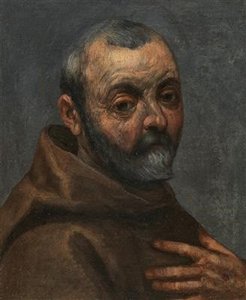
ヤコポ・パルマ・イル・ジョヴァネ
1548 - 1628 , イタリア
プロフィール概要
- Artistic Movement Or Style: ヴェネツィア派
- Artists Or Movements Influenced By This Artist: ['ジョヴァンニ・アントニオ・カナル']
- Artists Who Influenced This Artist:
- ティツィアーノ
- ティントレット
- Date Of Birth: イタリア、ヴェネツィア (1548年)
- Date Of Death: 1628年
- Full Name: ヤコポ・パルマ・イル・ジョヴァネ
- Nationality: イタリア人
- Notable Artworks:
- ロットと娘たち
- 玉座のパドヴァの聖ユスティーナ
- Place Of Birth: ヴェネツィア

