 プレビュー
プレビュー
 プリントを購入
 シェアする
シェアする シェアする
シェアする
 詳細を見る
詳細を見る

 ダウンロード
 似ている作品
 X線調査
X線調査 スライドショー
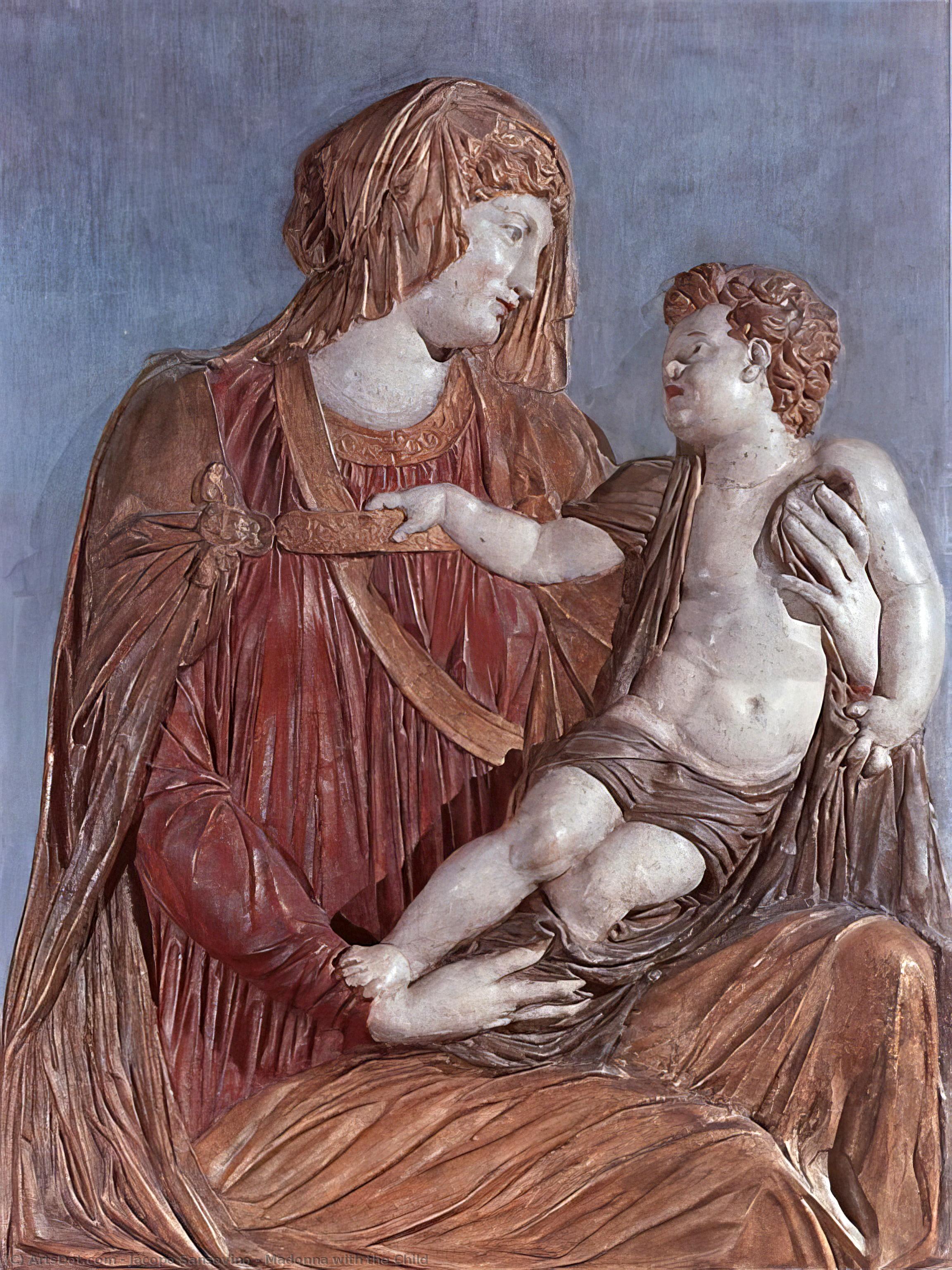
Madonna with the Child


 詳細を見る
詳細を見る




P118B $10

P118H $10

P118W $10

P438Z $10

P508JH $12

P508YH $12

P805H $10

P805Z $10

P919BZ $10

P919G $10

P919XJ $10

P959ZH $10

P968JZ $12

W106C $8

W218G $10

W218JH $8

W218Y $10

W307PJ $10

W316G $10

W316PJ $8

W316Y $10

W398PJ $8

W4111J $10

W500HY $15

W500JH $15

W692G $12

W849H $8

W940BG $15

W953PJ $8




作品のオリジナル比率に合わせた、当店の規定サイズからお選びください。

特定のフレームやスペースに合わせて、ご希望のサイズをご入力いただけます。選択されたサイズが元の画像の比率と異なる場合、アートワークをトリミングするか、手描きで要素を追加して絵画を拡張いたします。デジタルモックアップ を制作し、制作開始前にご確認(承認)をいただきます。
画面上のプレビューは、実際のトリミングや拡張を正確に反映しているものではありません。最終的な構図は、モックアップによってのみ正確にご確認いただけます。
カスタムサイズもご利用いただけますが、元の比率を維持するためには、あらかじめ用意されたリストからサイズを選択することをお勧めいたします。
ご注文後、ArtsDot.com チームより詳細な指示をお送りするとともに、仕上がりイメージ(モックアップ)をご提供いたします。


 ガラスオプションは、110cm未満のサイズでのみご利用いただけます。

Madonna with the Child
複製技法
複製画のサイズ
-


合計金額
$ 263
作品解説
A Vision of Divine Tenderness
In the quiet corridors of art history, few images possess the enduring ability to arrest the soul quite like Jacopo Sansovino’s Madonna with the Child. This masterpiece, born from the vibrant artistic ferment of the Italian Renaissance, serves as more than a mere religious icon; it is a profound meditation on the sanctity of maternal love and the serene grace of the divine. As one gazes upon the Virgin Mary cradling her infant son, there is an immediate, palpable sense of peace that transcends the centuries. The composition captures a fleeting, intimate moment—a tender connection between mother and child that feels both monumental in its spiritual significance and deeply human in its emotional vulnerability.
The painting invites the viewer into a world where the celestial meets the earthly. Through a masterful command of form, Sansov and his contemporaries sought to bridge the gap between the mortal realm and the heavens. The way the light plays across the figures suggests a presence that is both physical and ethereal, making the artwork an ideal centerpiece for those seeking to infuse their living spaces with a sense of timeless tranquility and contemplative beauty.
Mastery of Form and Luminous Technique
To appreciate this work is to witness the pinnacle of Renaissance technical innovation. Sansovino, though widely celebrated as a sculptor of immense skill, brought a unique sculptural sensibility to his painterly endeavors. In this depiction, one can observe an extraordinary attention to volume and anatomical precision. The figures possess a weight and presence that suggest they could be stepped out from the canvas, a testament to the artist's deep understanding of classical proportions.
The technique employed is nothing short of luminous. Through the delicate application of glazes, the artist achieves a depth of color that seems to glow from within. The rich, regal reds of the Madonna’s attire are balanced by subtle tonal gradations that create a lifelike texture, while the soft interplay of light and shadow—chiaroscuro—adds a dramatic yet gentle dimension to the scene. For the discerning collector or interior designer, these luminous qualities ensure that a high-quality reproduction of this piece will act as a dynamic element in any room, catching the light and drawing the eye with its sophisticated palette and masterful depth.
A Legacy of Renaissance Humanism
The historical context of this work is rooted in the golden age of Florence and the burgeoning humanist movement. During this era, artists were no longer merely recording religious dogma; they were exploring the beauty of the human condition through the lens of classical antiquity. The Madonna with the Child embodies this shift, blending the sacredness of the Virgin Mary with a newfound realism that celebrates the physical world. This period of intense experimentation, fueled by the patronage of powerful families like the Medici, allowed for a level of artistic freedom that produced some of the most iconic imagery in Western civilization.
Every element within the frame is laden with symbolic meaning. The posture of the Madonna, her gentle yet protective hold on the Christ child, speaks to the themes of intercession and divine mercy. The very composition, often framed by architectural or landscape elements that suggest a window into another realm, encourages the viewer to look beyond the surface. For those looking to curate an environment of sophistication and intellectual depth, this artwork offers a rich tapestry of history and meaning, making it a profound addition to any curated collection of fine art reproductions.
関連作品
アーティストの略歴
フィレンツェでの礎と、若き日の輝かしい兆し
1486年頃、フィレンツェに誕生したヤコポ・サンソヴィーノ(本名ヤコポ・タッティ)は、芸術的な情熱が渦巻く世界へと足を踏み入れました。彼の初期の修行については、いくぶん謎に包まれています。無名の彫刻家の弟子としてキャリアをスタートさせた彼は、瞬く間にその才能を開花させ、野心的な試みへと突き動かされていきました。ミケランジェロやレオナルド・ダ・ヴィンチといった巨匠たちが比類なき業績を打ち立てていた当時のフィレンツェの活気ある空気は、間違いなく彼の初期の美的感覚を形作ったことでしょう。1511年までには、依頼が次々と舞い込み始めます。ドゥオーモのための大理石彫刻(聖ヤコブの描写を含む)や、現在はバルジェロ美術館に収蔵されている力強い「バッカス像」など、それらの作品は、後の成熟したスタイルを決定づけることになる古典主義への傾倒をすでに予感させるものでした。1518年には、サンタ・マリア・グロリオザ・デイ・フラリ教会のために彼が提出した設計案が、ミケランマーロ自身によって拒絶されるという象徴的な出来事も起きています。これはフィレンツェの極めて競争の激しい芸術的風土を物語ると同時に、サンソヴィーノが新たな地平を求めるきっかけとなった瞬間でもありました。また、1511年から1515年にかけては、画家アンドレア・デル・サルトとの共同作業期間もあり、この交流によって彼のルネサンス芸術への理解は彫刻の領域を超えて広がっていきました。これらの初期作品には、均衡と調和を重んじる盛期ルネサンスの理想と、優雅さと洗練された細部を追求するマニエリスムの萌芽が、見事な融合を見せています。ローマでの断絶、そしてヴェネツィアにおける再生
1519年、サンソヴィーノがローマへと旅立ったことは、彼の人生の大きな転換点となりました。この時期は、イタリアの歴史を決定的に変え、芸術家の軌跡にも深い影響を与えた1527年の「ローマ略奪」という激動の時代と重なります。ローマ滞在中、彼は聖オノフリオ像やトマス・ランゴーネなどの作品を手掛け、彫刻家としての卓越した技量とともに、建築家としての意識の高まりを示しました。略奪による混乱は、彼に決定的な決断を促しました。それは、自身の不朽の遺産を描き出すキャンバスとなるべく、ヴェネツィアへと移住することでした。これは単なる場所の移動ではありません。全く異なる文化的環境への没入だったのです。ビザンチン文化の遺産と海洋国家としての権力が融合した独特なヴェネツィアは、サンソヴィーノに避難所と機会の両方をもたらしました。ヴェネツィア共和国の建築家に任命された彼は、都市の建築景観を根本から変貌させる一連の野心的なプロジェクトに着手することになります。都市を形作る:ヴェネツィアの傑作群
ヴェネツィアへの到着は、サンソヴィーノにとって最も多作な時代の幕開けとなりました。彼は単に建造物を建てたのではありません。都市の構造そのものを再構築し、そこに古典的な壮大さとヴェネツィア特有の優雅さを吹き込んだのです。彼の最高傑作は、間違いなくサン・マルコ図書館(ビブリオテカ・マルチャーナ)でしょう。1537年頃に始まり、半世紀もの歳月をかけて丹念に完成されました。ピアゼッタのドゥカーレ宮殿の向かいという戦略的な場所に位置する、この豪華な装飾が施されたルネレンサンス建築は、古典的な建築原則とヴェネツィア独自の装飾的感性を融合させる彼の卓越した能力の証です。彫刻や複雑な彫り込みで彩られた図書館のファサードは、まさにその調和のとれた融合を体現しています。サン・マルコ図書館以外にも、サンソヴィーノは数多くの重要な作品を通じてヴェネツィアに消えない足跡を残しました。救済とケアを提供するために設計されたカ・デ・ディオ病院、宮殿建築の極致を示すコッネル宮殿、優雅な比率と洗練された細部を誇るロレダン宮殿、そして、ヨーロッパの主要勢力としてのヴェネツィアにふさわしい壮大な市民空間を目指したサン・マルコ広場自体の野心的な設計など、その活動は多岐にわたります。彼は古典的な建築言語をヴェネツィアの嗜好に見事に適応させ、後に続くアンドレア・パッラーディオによる優美な建築への道筋を切り拓いたのです。遺産と歴史的意義
ヤコポ・サンソヴィーノの歴史的な重要性は、個々の作品の美しさや革新性だけでなく、盛期ルネサンスとマニエリスムを繋ぐ架け橋としての極めて重要な役割にあります。彼は、比率、調和、秩序といった古典的な理想を、ヴェネツィア特有の装飾的な豊かさや空間的配慮と統合させる類まれな能力を備えていました。この統合によって生まれた独特の建築様式は、都市全体に響き渡り、後世の芸術家や建築家たちに多大な影響を与えました。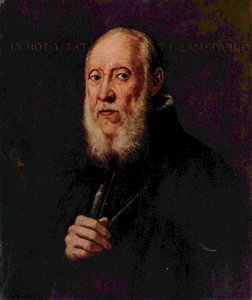
ヤコポ・サンソヴィーノ
1486 - 1570 , イタリア
基本情報
- Artistic Movement Or Style: ルネサンス、マニエリスム
- Artists Or Movements Influenced By This Artist:
- アレッサンドロ・ヴィットリア
- ダネーゼ・カタネオ
- アンドレア・パラディオ
- Artists Who Influenced This Artist:
- アンドレア・サンソーヴィノ
- アンドレア・デル・サルト
- Date Of Birth: 1486年
- Date Of Death: 1570年
- Full Name: ヤコポ・サンソーヴィノ
- Nationality: イタリア
- Notable Artworks:
- マルチャーナ図書館
- 聖オノフリオ
- カ・デ・ディオ病院
- コーニェロ宮殿
- 聖母子像
- Place Of Birth: イタリア、フィレンツェ
関連記事

ジャコポ・ティンコレット:至高の25選 – ヴェネツィア巨匠のドラマと光の世界 | ArtsDot
ジャコポ・ティンコレットの至高の25選。ドラマと光の世界を彩るヴェネツィア派巨匠の名画を紐解きます。ルネサンス絵画からバロック絵画まで、ArtsDotで高品質な複製画やインテリアアートを見つけましょう。傑作コレクションをオンラインで探求してください。

Bronze Sculptures That Defined Art History | ArtsDot
Journey through art history with our Top 10 bronze sculptures! Explore masterpieces by Rodin, Michelangelo & more. Discover stories behind iconic statues and find museum-quality reproductions for your home decor at ArtsDot.com.

Bronze Age to Modern Masters: 10 Sculptures That Redefined Art | ArtsDot
Journey through art history with 10 legendary bronze sculptures – from Michelangelo's David to Rodin’s Thinker. Explore the stories, techniques & timeless beauty of these masterpieces. Find museum-quality reproductions & elevate your home decor on ArtsDot.com.

The Enduring Form: Exploring Themes & Techniques in Sculpture Across Historical Periods
Explore the rich history of sculpture from ancient masterpieces to contemporary innovations. Discover key techniques, influential artists & investment potential for discerning art collectors.

The Enduring Form: Sculpture Across History, Technique & Emotional Resonance
Explore the rich history of sculpture with ArtsDot. Discover key techniques, influential artists & investment potential for discerning collectors. Expert insights into valuing and collecting timeless masterpieces.