

 プレビュー
プレビュー
 プリントを購入
 シェアする
シェアする シェアする
シェアする
 詳細を見る
詳細を見る

 ダウンロード
 似ている作品
 X線調査
X線調査 スライドショー
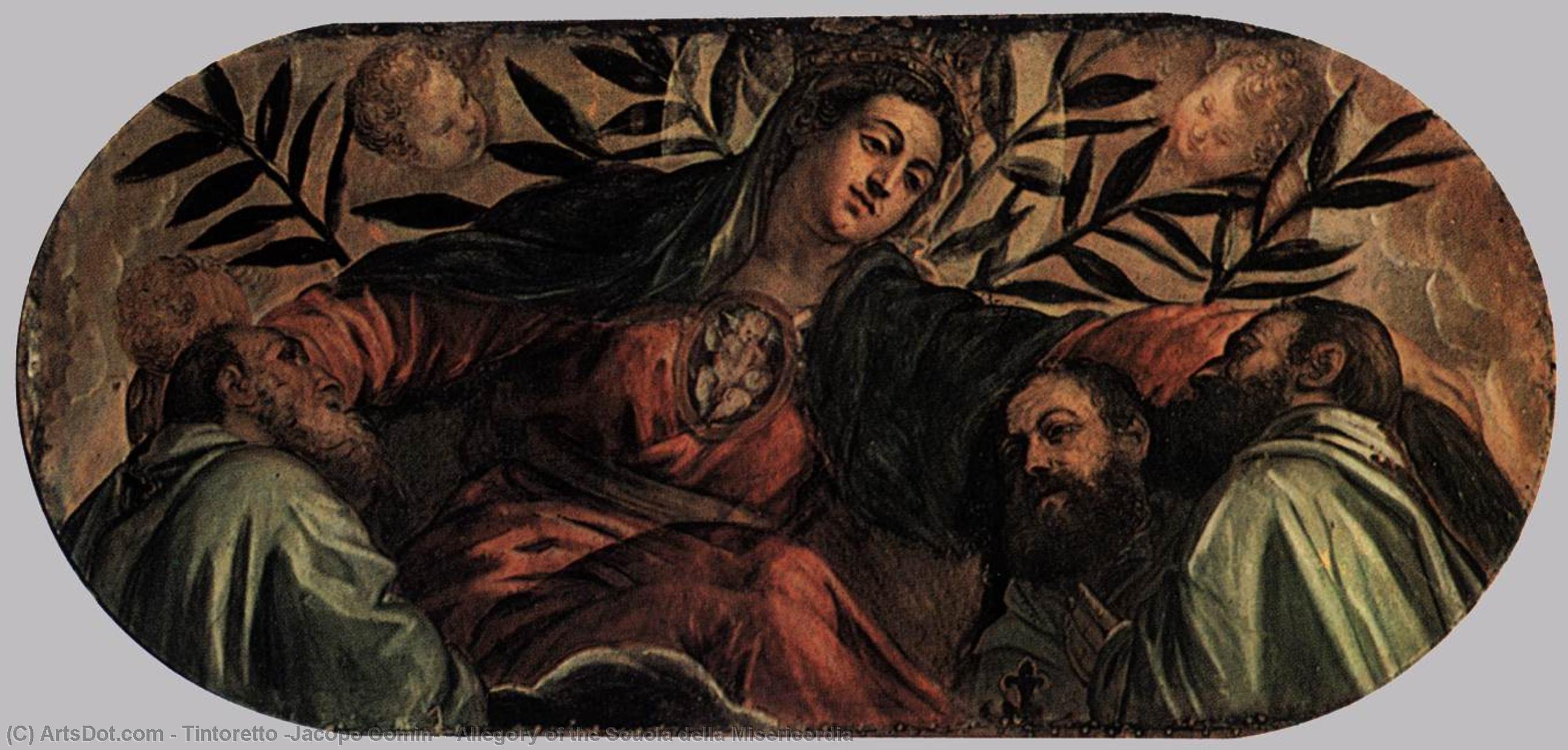
Allegory of the Scuola della Misericordia
 Oil On Canvas
- WallArt
- Early Baroque
 1564
1564 90.0 x 190.0 cm
 サン・マルコ
 詳細を見る
詳細を見る
オンラインプレビューをはるかに凌ぐ、高解像度で鮮明なデジタル画像をご購入いただけます。
各ファイルは、社内の専門家が高度なツールと熟練した手作業によるレタッチを用いて、細心の注意を払って準備されています。すべての画像において、卓越した鮮明度、正確な色彩再現性、そして繊細なディテールを保証いたします。
最終ファイルは、プロフェッショナルな編集・印刷環境ですぐにご利用いただけるよう最適化された状態で、72時間以内にメールにてお届けいたします。これは、一流のデザインスタジオ、出版社、ギャラリーから信頼されているものと同等の品質です。
デジタル画像のご注文に付随する特典
高品質なデジタル画像配信を、確かな品質で。
ArtsDot.com を選ぶことは、単に画像を手に入れることではありません。それは、プロの手によって精密に仕上げられ、満足保証が付いた高品質なデジタルアートワークを受け取ることを意味します。ご注文いただいた際に自動的に付随する内容は、以下の通りです:

メールですぐにお届け
ご注文から72時間以内に、高解像度のデジタル画像ファイルがメールでお手元に届きます。すぐにそのままご利用いただけます。

AI技術で最適化されたデジタルファイル
お客様の作品は、高度なAIツールと専門家による手作業の編集を組み合わせてプロフェッショナルに最適化されており、細部のディテール、鮮明さ、そして正確な色再現性を最大限に引き出しています。

一生涯無料の再送サービス
ファイルを誤って削除したり、紛失してしまったりしましたか?ご安心ください。いつでも無料で再送いたします。

輸入手数料は一切かかりません
関税や手数料、配送料を気にすることなく、お気に入りのアートワークをすぐにお楽しみいただけます。デジタルダウンロードは常に免税です。

色彩再現の保証
プロ仕様のツールとカラーマネジメント技術を用いることで、デジタル画像が元の色を最大限に忠実に再現することを保証いたします。

60日間満足保証
ご購入いただいたデジタル画像にご満足いただけない場合は、60日以内であれば、修正または100%の返金(理由を問う必要はありません)をさせていただきます。

100% 返金保証
ご満足いただけない場合は、デジタルファイルを受け取ってから60日以内であれば、理由を問わず全額返金いたします。

まとめ買い割引
3枚購入で10%OFF - 5枚購入で15%OFF - 10枚以上購入で20%OFF。クリエイティブなプロジェクト、ギャラリー、エージェンシーに最適です。
A Dramatic Dance of Faith and Humanity: Tintoretto’s “Allegory of the Scuola della Misericordia”
The Scuola Grande di San Rocco in Venice holds within its walls a treasure that pulsates with an almost palpable energy – Jacopo Tintoretto's "Allegory of the Scuola della Misericordia," painted in 1564. More than just a religious depiction, this monumental oil on canvas is a theatrical drama rendered in light and shadow, a testament to Tintoretto’s mastery of composition and his profound understanding of human emotion. Measuring an impressive 90 x 190 cm, the painting immediately commands attention, drawing the viewer into a swirling vortex of figures and symbolism that speaks volumes about Venetian society and its deeply held beliefs.
Tintoretto, born Jacopo Robusti, was a figure perpetually caught between the waning Renaissance and the burgeoning Baroque. His artistic journey wasn’t one of formal apprenticeship but rather a relentless pursuit fueled by an almost obsessive curiosity. While his early attempts to emulate Titian proved contentious, resulting in what some historians believe was a dismissal from the master's studio, this rejection served as a catalyst for Tintoretto’s unique and revolutionary style. He abandoned the polished surfaces and delicate color palettes of his predecessors, embracing instead dramatic chiaroscuro – the stark contrast between light and dark – to create an illusionistic depth rarely seen before. This is particularly evident in “Allegory of the Scuola della Misericordia,” where figures emerge from a shadowy background, bathed in pools of luminous light, lending them an almost ethereal quality.
The Heart of Compassion: Narrative and Symbolism
At the heart of the composition lies Mary, presented with serene dignity as she cradles the infant Jesus. Her posture is one of profound tenderness, yet her gaze holds a subtle intensity – a quiet strength that suggests both vulnerability and unwavering faith. Surrounding them are three figures, each representing a facet of mercy: a woman offering bread, symbolizing sustenance; a man holding a key, signifying access to salvation; and a figure with outstretched hands, embodying charity. These aren’t static representations; they are actively engaged in an exchange, illustrating the dynamic nature of compassion itself. The placement of these figures isn't accidental; it mirrors the structure of the Scuola della Misericordia, a charitable guild dedicated to providing assistance to the poor and needy within Venice.
Beyond the central group, subtle details add layers of meaning. The two birds – one soaring towards the upper right corner, the other descending from the lower left – are potent symbols of hope and divine guidance. Birds have long been associated with the soul’s journey to heaven, and their presence here reinforces the painting's spiritual message. The use of drapery is particularly noteworthy; it isn’t merely decorative but actively participates in the composition, swirling and folding around the figures like waves of light, further enhancing the sense of movement and drama.
Tintoretto’s Technique: A Masterclass in Illusionism
Tintoretto's technique is nothing short of breathtaking. He employs a method known as “quadratura,” or illusionistic painting, to seamlessly blend his figures into the architectural setting of the Scuola Grande. The walls and ceiling seem to recede into the distance, creating an immersive experience for the viewer. This effect is achieved through careful manipulation of perspective, scale, and light – techniques that were revolutionary for his time. The brushstrokes themselves are visible, adding a sense of immediacy and vitality to the scene. Rather than meticulously smoothing surfaces, Tintoretto deliberately left traces of his hand, contributing to the painting’s raw energy and emotional impact.
Furthermore, observe how he uses color – not in a conventional manner, but as a tool for creating mood and atmosphere. Deep reds and blues dominate the background, contrasting sharply with the warmer tones used to illuminate the figures. This contrast amplifies the drama of the scene and draws the viewer’s eye towards the central narrative.
A Timeless Legacy: Reproduction and Inspiration
ArtsDot offers meticulously crafted hand-painted reproductions of “Allegory of the Scuola della Misericordia,” allowing you to experience the power and beauty of this masterpiece in your own home. Our artists replicate Tintoretto’s dramatic chiaroscuro, illusionistic depth, and masterful use of color with unparalleled skill. Whether adorning a grand salon or adding a touch of Venetian drama to a smaller space, this reproduction captures the essence of Tintoretto's vision – a profound meditation on faith, compassion, and the enduring spirit of humanity. Consider this artwork not just as a decoration, but as a window into the heart of Venice’s artistic heritage.
関連作品
作家の略歴
激動の時代を彩った天才:ヤコポ・ティントレット
ヴェネツィア共和国の黄金時代、16世紀。その華やかな文化と芸術の中心に、ヤコポ・ティントレット(1518年 – 1594年)は屹立していた。本名ヤコポ・コミーン、父の染物職人としての職業にちなみ「ティントレット」と呼ばれるようになった彼は、ミケランジェロの構図力とティツィアノの色彩感覚を融合させ、独自のドラマティックな表現を確立した。彼の作品は、単なる絵画を超え、信仰、情熱、そして人間の内面世界への深い洞察を映し出す鏡として、ヴェネツィア美術に革命をもたらしたのである。幼少期に関する記録は乏しいものの、ティツィアノの下で短期間だけ修行したという逸話が残されており、その後、独学によってその才能を開花させたことが知られている。解剖学の研究や古典彫刻の模写を通じて得た知識は、彼の作品に生き生きとした人体表現と空間構成をもたらし、従来のヴェネツィア絵画の様式を大きく変革した。狂騒の一撃:イル・フルリオソ
ティントレットの芸術的特徴として最も顕著なのは、その圧倒的なエネルギーである。彼はしばしば「イル・フルリオソ」(狂った者)と呼ばれ、絵筆を走らせるその姿は、まるで嵐のような激しさだったという。この異名が示すように、彼の作品には抑制の効かない情熱と、感情の奔流がほとばしっている。初期の作品から、ティツィアノの影響を受けつつも、ミケランジェロ的な力強い人物表現を取り入れ、独自のスタイルを模索していく。画面全体に渦巻くような構図、大胆な光と影のコントラスト、そして遠近法を巧みに操ることで生み出される奥行きは、見る者を圧倒する。伝統的なヴェネツィア絵画が重視してきた均整のとれた美しさとは異なり、ティントレットは歪みや不均衡の中にこそ、生命力とドラマを見出したのである。サン・ロッコの奇跡:壮大な叙事詩
ティントレットの芸術的功績を最も象徴するものが、サン・ロッコ会館(Scuola Grande di San Rocco)に描かれた作品群である。50年以上にわたる歳月を費やして制作されたこれらの絵画は、聖ロケの生涯と奇跡を描き出し、ヴェネツィア美術史における最高傑作の一つとして位置づけられている。特に「最後の晩餐」は、従来の静的な描写とは一線を画し、劇的な光の効果と不安定な空間構成によって、キリストの心情と弟子たちの葛藤を鮮烈に表現している。また、「聖マルクの奇跡」シリーズは、ダイナミックな構図と人物の表情を通して、信仰の力と人間の苦悩を描き出しており、ティントレットの芸術的才能が最大限に発揮された作品群と言えるだろう。これらの作品群は、単なる宗教画ではなく、ヴェネツィア社会の精神性と文化を反映した壮大な叙事詩として、後世に語り継がれている。バロックへの橋渡し:後世への影響
1594年、ティントレットはヴェネツィアでその生涯を閉じた。彼の死後も、その革新的な芸術性は多くの画家たちに影響を与え続けた。カラヴァッジョやレンブラントといったバロック期の巨匠たちは、ティントレットのドラマティックな光の効果や感情表現から大きなインスピレーションを受けたと言われている。また、ドラクロワのようなロマン主義の画家も、彼の大胆な構図と情熱的な筆致に魅了された。ティツィアノ、パオロ・ヴェローネと共に、16世紀ヴェネツィア絵画を代表する三巨頭の一人として、ティントレットは美術史において確固たる地位を築き、ルネサンスからバロックへの移行期における重要な役割を果たしたのである。彼の作品は、時代を超えて今なお多くの人々を魅了し、芸術の可能性を広げ続けている。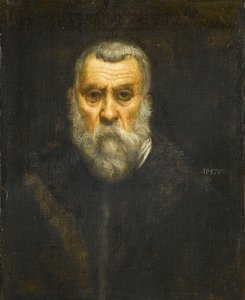
ティントレット
1518 - 1594 , イタリア
プロフィール概要
- フルネーム: ジャコポ・ティントレット
- 主な作品:
- 聖マルコ奇跡
- 最後の晩餐
- 受胎告知
- 出身地: ヴェネツィア、イタリア
- 国籍: イタリア
- 影響を与えたアーティスト:
- カラヴァッジョ
- バロックの巨匠
- 影響を受けたアーティスト:
- ティツィアーノ
- ミケランジェロ
- 死亡日: 1594年5月31日
- 生年月日: 1518年9月下旬または10月初旬
- 芸術運動・スタイル: ルネサンス、マニエリスム

