 プレビュー
プレビュー
 プリントを購入
 シェアする
シェアする シェアする
シェアする
 詳細を見る
詳細を見る

 ダウンロード
 似ている作品
 X線調査
X線調査 スライドショー
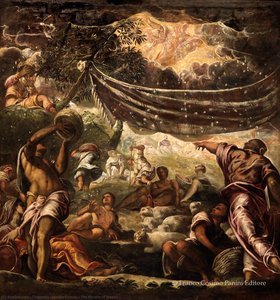
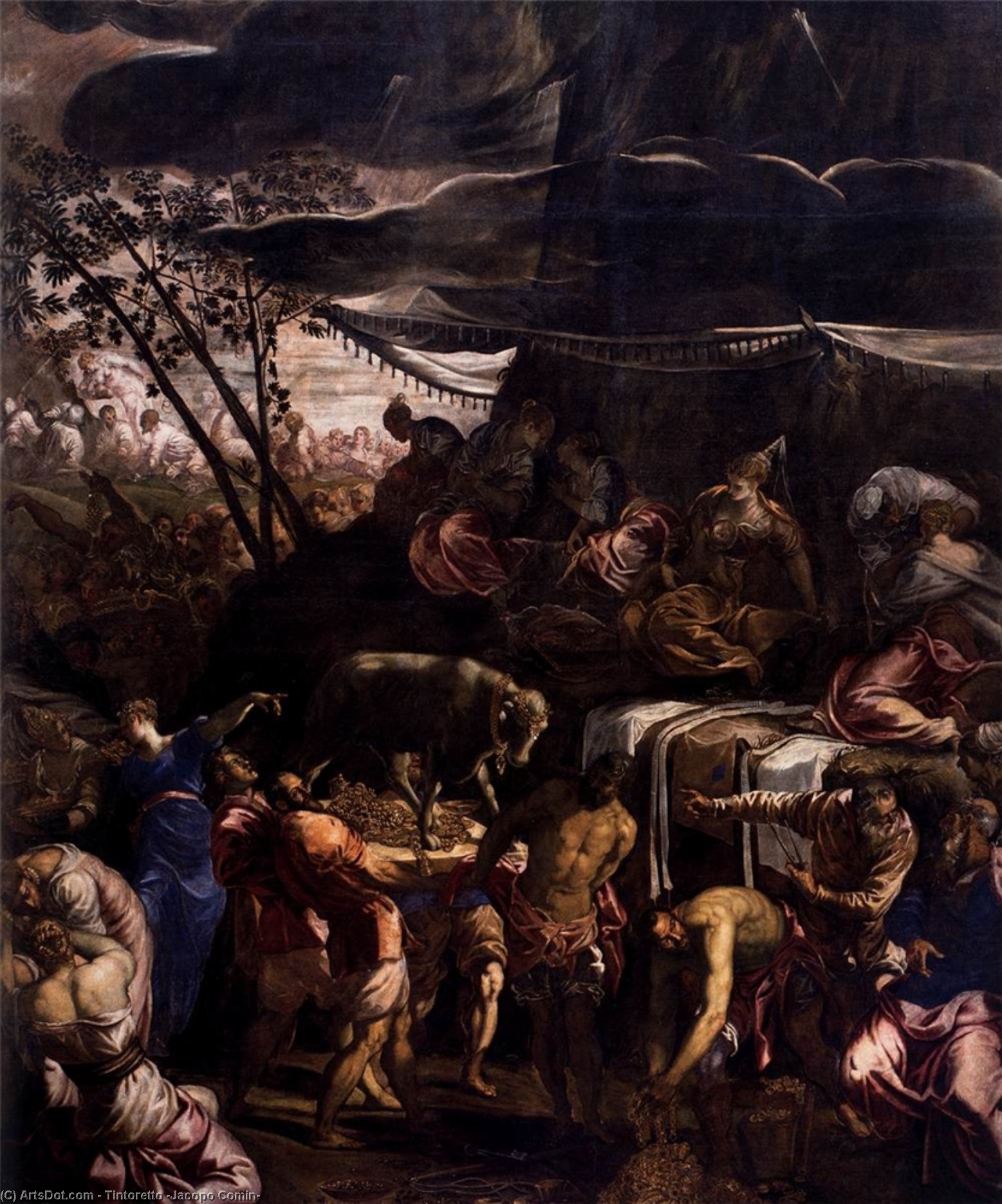
Moses Receiving the Tables of the Law (detail)


 詳細を見る
詳細を見る




P118B $10

P118H $10

P118W $10

P438Z $10

P508JH $12

P508YH $12

P805H $10

P805Z $10

P919BZ $10

P919G $10

P919XJ $10

P959ZH $10

P968JZ $12

W106C $8

W218G $10

W218JH $8

W218Y $10

W307PJ $10

W316G $10

W316PJ $8

W316Y $10

W398PJ $8

W4111J $10

W500HY $15

W500JH $15

W692G $12

W849H $8

W940BG $15

W953PJ $8




作品のオリジナル比率に合わせた、当店の規定サイズからお選びください。

特定のフレームやスペースに合わせて、ご希望のサイズをご入力いただけます。選択されたサイズが元の画像の比率と異なる場合、アートワークをトリミングするか、手描きで要素を追加して絵画を拡張いたします。デジタルモックアップ を制作し、制作開始前にご確認(承認)をいただきます。
画面上のプレビューは、実際のトリミングや拡張を正確に反映しているものではありません。最終的な構図は、モックアップによってのみ正確にご確認いただけます。
カスタムサイズもご利用いただけますが、元の比率を維持するためには、あらかじめ用意されたリストからサイズを選択することをお勧めいたします。
ご注文後、ArtsDot.com チームより詳細な指示をお送りするとともに、仕上がりイメージ(モックアップ)をご提供いたします。


 ガラスオプションは、110cm未満のサイズでのみご利用いただけます。

Moses Receiving the Tables of the Law (detail)
複製技法
複製画のサイズ
-


合計金額
$ 263
Moses Receiving the Tables of the Law (detail) by Tintoretto
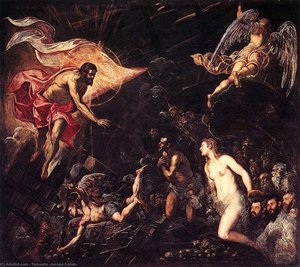
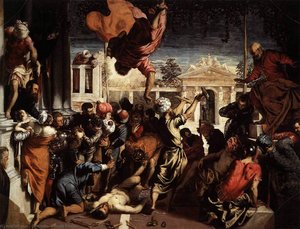
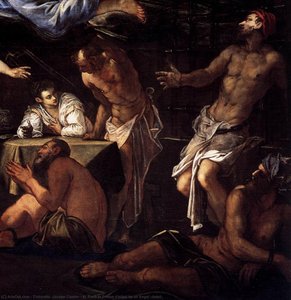
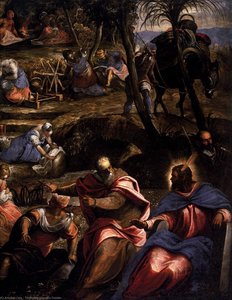
Tintoretto’s “Moses Receiving the Tables of the Law” stands as an unparalleled testament to Baroque artistry—a dramatic distillation of biblical narrative rendered with breathtaking dynamism and luminous color. Executed in 1560-62, this monumental oil on canvas resides within the Madonna dell'Orto museum in Venice, Italy, a location that underscores its significance within Venetian artistic heritage. More than just an illustration of scripture, it’s a profound meditation on faith, divine revelation, and humanity’s yearning for spiritual understanding—themes that resonate powerfully even today.The Artistic Style of Tintoretto
Jacopo Robusti, known universally as Tintoretto (1518-1594), was arguably the most influential painter of his era in Venice. He forged a singular artistic path, rejecting academic conventions and embracing an intensely expressive style that would earn him the moniker “Il Furioso” (“The Furious”). Unlike many of his contemporaries who adhered to Mannerist ideals—characterized by stylized forms and intellectual abstraction—Tintoretto prioritized visceral emotion and theatrical grandeur. His technique involved rapid brushwork, layering pigments with astonishing speed, creating textures that seemed to vibrate with life. This approach wasn’t merely stylistic; it reflected Tintoretto's conviction that art should convey a sense of immediacy and spiritual fervor. He skillfully blended elements of Mannerism with the established Venetian tradition, resulting in an unparalleled visual experience.The Painting’s Composition
The canvas depicts Moses—a figure central to Jewish faith—receiving the Tablets of Law from God. The scene unfolds against a turbulent sky ablaze with crimson hues and swirling clouds, immediately establishing a mood of drama and awe. Tintoretto masterfully employs perspective—creating an illusionistic depth that draws the viewer into the biblical narrative. Moses’s outstretched hands dominate the composition, conveying reverence and supplication as he receives divine law. Surrounding him are angelic figures—some soaring upwards, others descending—further amplifying the sense of celestial majesty. The positioning of these figures contributes to a complex interplay of light and shadow, enhancing the emotional impact of the scene.Key Elements of the Painting
Several key elements contribute to Tintoretto’s masterful depiction: * Dramatic Sky: The turbulent sky isn't merely decorative; it symbolizes divine wrath and majesty—underscoring God’s power and Moses’s humility before Him. * Moses’ Gesture: Tintoretto captures the precise moment of revelation with remarkable accuracy, conveying Moses’s profound devotion through his outstretched hands and upward gaze. * Figures in the Background: The angelic figures serve as conduits for divine grace—representing messengers of God who bear witness to this momentous event. They are rendered with luminous halos and flowing draperies, emphasizing their ethereal beauty and spiritual significance.Relevance and Preservation
The Madonna dell'Orto museum plays a crucial role in safeguarding Venetian artistic treasures like “Moses Receiving the Tables of the Law.” Its dedicated exhibition space ensures that visitors can appreciate Tintoretto’s masterpiece alongside other iconic artworks from the Baroque period—a testament to Venice’s enduring legacy as a center for artistic innovation. The painting’s preservation is paramount, allowing future generations to contemplate its beauty and grapple with its profound theological implications.Conclusion
“Moses Receiving the Tables of the Law” remains an extraordinary achievement in Venetian art history—a captivating fusion of observation, emotion, and technical virtuosity. Its enduring appeal stems from Tintoretto's ability to translate biblical narrative into a visual experience that transcends time—inspiring awe and contemplation. For those seeking to immerse themselves in the grandeur of Baroque painting, ArtsDot offers exceptional reproductions of this seminal work—allowing you to bring Tintoretto’s vision home.- Painting by 'Tintoretto (Jacopo Comin)' | Tintoretto (Jacopo Comin): Moses Receiving the Tables of the Law (detail)
- Painting by 'Tintoretto (Jacopo Comin)' | Tintoretto (Jacopo Comin): Moses Receiving the Tables of the Law
- Painting by 'Tintoretto (Jacopo Comin)' | Tintoretto (Jacopo Comin): The Martyrdom of St Paul
- The Museum Madonna dell'Orto (Venice, Italy)
関連作品
アーティストの略歴
激動の時代を彩った天才:ヤコポ・ティントレット
ヴェネツィア共和国の黄金時代、16世紀。その華やかな文化と芸術の中心に、ヤコポ・ティントレット(1518年 – 1594年)は屹立していた。本名ヤコポ・コミーン、父の染物職人としての職業にちなみ「ティントレット」と呼ばれるようになった彼は、ミケランジェロの構図力とティツィアノの色彩感覚を融合させ、独自のドラマティックな表現を確立した。彼の作品は、単なる絵画を超え、信仰、情熱、そして人間の内面世界への深い洞察を映し出す鏡として、ヴェネツィア美術に革命をもたらしたのである。幼少期に関する記録は乏しいものの、ティツィアノの下で短期間だけ修行したという逸話が残されており、その後、独学によってその才能を開花させたことが知られている。解剖学の研究や古典彫刻の模写を通じて得た知識は、彼の作品に生き生きとした人体表現と空間構成をもたらし、従来のヴェネツィア絵画の様式を大きく変革した。狂騒の一撃:イル・フルリオソ
ティントレットの芸術的特徴として最も顕著なのは、その圧倒的なエネルギーである。彼はしばしば「イル・フルリオソ」(狂った者)と呼ばれ、絵筆を走らせるその姿は、まるで嵐のような激しさだったという。この異名が示すように、彼の作品には抑制の効かない情熱と、感情の奔流がほとばしっている。初期の作品から、ティツィアノの影響を受けつつも、ミケランジェロ的な力強い人物表現を取り入れ、独自のスタイルを模索していく。画面全体に渦巻くような構図、大胆な光と影のコントラスト、そして遠近法を巧みに操ることで生み出される奥行きは、見る者を圧倒する。伝統的なヴェネツィア絵画が重視してきた均整のとれた美しさとは異なり、ティントレットは歪みや不均衡の中にこそ、生命力とドラマを見出したのである。サン・ロッコの奇跡:壮大な叙事詩
ティントレットの芸術的功績を最も象徴するものが、サン・ロッコ会館(Scuola Grande di San Rocco)に描かれた作品群である。50年以上にわたる歳月を費やして制作されたこれらの絵画は、聖ロケの生涯と奇跡を描き出し、ヴェネツィア美術史における最高傑作の一つとして位置づけられている。特に「最後の晩餐」は、従来の静的な描写とは一線を画し、劇的な光の効果と不安定な空間構成によって、キリストの心情と弟子たちの葛藤を鮮烈に表現している。また、「聖マルクの奇跡」シリーズは、ダイナミックな構図と人物の表情を通して、信仰の力と人間の苦悩を描き出しており、ティントレットの芸術的才能が最大限に発揮された作品群と言えるだろう。これらの作品群は、単なる宗教画ではなく、ヴェネツィア社会の精神性と文化を反映した壮大な叙事詩として、後世に語り継がれている。バロックへの橋渡し:後世への影響
1594年、ティントレットはヴェネツィアでその生涯を閉じた。彼の死後も、その革新的な芸術性は多くの画家たちに影響を与え続けた。カラヴァッジョやレンブラントといったバロック期の巨匠たちは、ティントレットのドラマティックな光の効果や感情表現から大きなインスピレーションを受けたと言われている。また、ドラクロワのようなロマン主義の画家も、彼の大胆な構図と情熱的な筆致に魅了された。ティツィアノ、パオロ・ヴェローネと共に、16世紀ヴェネツィア絵画を代表する三巨頭の一人として、ティントレットは美術史において確固たる地位を築き、ルネサンスからバロックへの移行期における重要な役割を果たしたのである。彼の作品は、時代を超えて今なお多くの人々を魅了し、芸術の可能性を広げ続けている。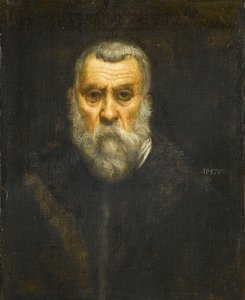
ティントレット
1518 - 1594 , イタリア
基本情報
- フルネーム: ジャコポ・ティントレット
- 主な作品:
- 聖マルコ奇跡
- 最後の晩餐
- 受胎告知
- 出身地: ヴェネツィア、イタリア
- 国籍: イタリア
- 影響を与えたアーティスト:
- カラヴァッジョ
- バロックの巨匠
- 影響を受けたアーティスト:
- ティツィアーノ
- ミケランジェロ
- 死亡日: 1594年5月31日
- 生年月日: 1518年9月下旬または10月初旬
- 芸術運動・スタイル: ルネサンス、マニエリスム
関連記事

ジャコポ・ティンコレット:至高の25選 – ヴェネツィア巨匠のドラマと光の世界 | ArtsDot
ジャコポ・ティンコレットの至高の25選。ドラマと光の世界を彩るヴェネツィア派巨匠の名画を紐解きます。ルネサンス絵画からバロック絵画まで、ArtsDotで高品質な複製画やインテリアアートを見つけましょう。傑作コレクションをオンラインで探求してください。

バロックのドラマ:現代のインテリアに壮麗さと情感を取り込む
バロック様式の歴史、絵画、家具の魅力をご紹介。ArtsDotでは、高品質な油絵複製やカスタムポートレートをご提供し、現代のインテリアに壮麗さと情感を取り入れます。アートコンサルテーションも承ります。

The Dramatic Flourish: Exploring the Baroque Movement's Enduring Legacy in Art History
Explore the dramatic world of Baroque art! Discover iconic artists like Caravaggio & Rubens, defining techniques, and its lasting impact on art history. Expert insights for collectors & enthusiasts at ArtsDot.

バロック美術を極めた至宝:時代を彩る10大名作の世界
バロック美術の華!カラヴァッジョ、ベルニーニら巨匠が創り上げた10大名作を徹底解剖。ドラマチックな色彩と豪華絢爛の世界観に触れ、至宝のアートプリントで空間を彩ろう。ArtsDot.comで美術館品質の複製と洗練されたインテリアを見つけましょう!
Jacopo Palma il Giovane: A Venetian Master's Poetic Evolution
Explore the captivating world of Jacopo Palma il Giovane, a pivotal Venetian Renaissance master. Discover his unique style, influenced by Titian & Tintoretto, and learn about key works perfect for discerning collectors.