 プレビュー
プレビュー
 プリントを購入
 シェアする
シェアする シェアする
シェアする
 詳細を見る
詳細を見る

 ダウンロード
 似ている作品
 X線調査
X線調査 スライドショー
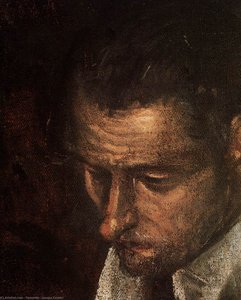
The Baptism of Christ (detail)


 詳細を見る
詳細を見る




P118B $10

P118H $10

P118W $10

P438Z $10

P508JH $12

P508YH $12

P805H $10

P805Z $10

P919BZ $10

P919G $10

P919XJ $10

P959ZH $10

P968JZ $12

W106C $8

W218G $10

W218JH $8

W218Y $10

W307PJ $10

W316G $10

W316PJ $8

W316Y $10

W398PJ $8

W4111J $10

W500HY $15

W500JH $15

W692G $12

W849H $8

W940BG $15

W953PJ $8




作品のオリジナル比率に合わせた、当店の規定サイズからお選びください。

特定のフレームやスペースに合わせて、ご希望のサイズをご入力いただけます。選択されたサイズが元の画像の比率と異なる場合、アートワークをトリミングするか、手描きで要素を追加して絵画を拡張いたします。デジタルモックアップ を制作し、制作開始前にご確認(承認)をいただきます。
画面上のプレビューは、実際のトリミングや拡張を正確に反映しているものではありません。最終的な構図は、モックアップによってのみ正確にご確認いただけます。
カスタムサイズもご利用いただけますが、元の比率を維持するためには、あらかじめ用意されたリストからサイズを選択することをお勧めいたします。
ご注文後、ArtsDot.com チームより詳細な指示をお送りするとともに、仕上がりイメージ(モックアップ)をご提供いたします。


 ガラスオプションは、110cm未満のサイズでのみご利用いただけます。

The Baptism of Christ (detail)
複製技法
複製画のサイズ
-


合計金額
$ 413
作品解説
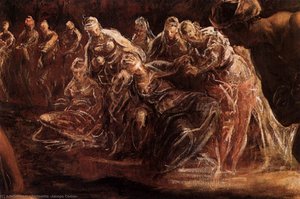
A Tempestuous Vision: Tintoretto’s “The Baptism of Christ” (Detail)
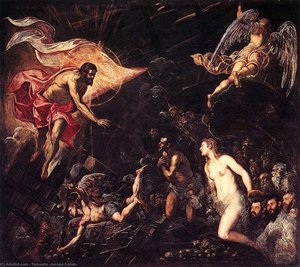
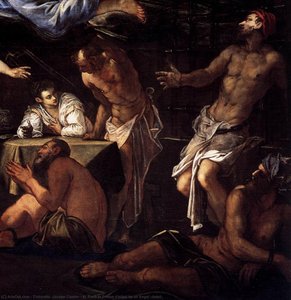
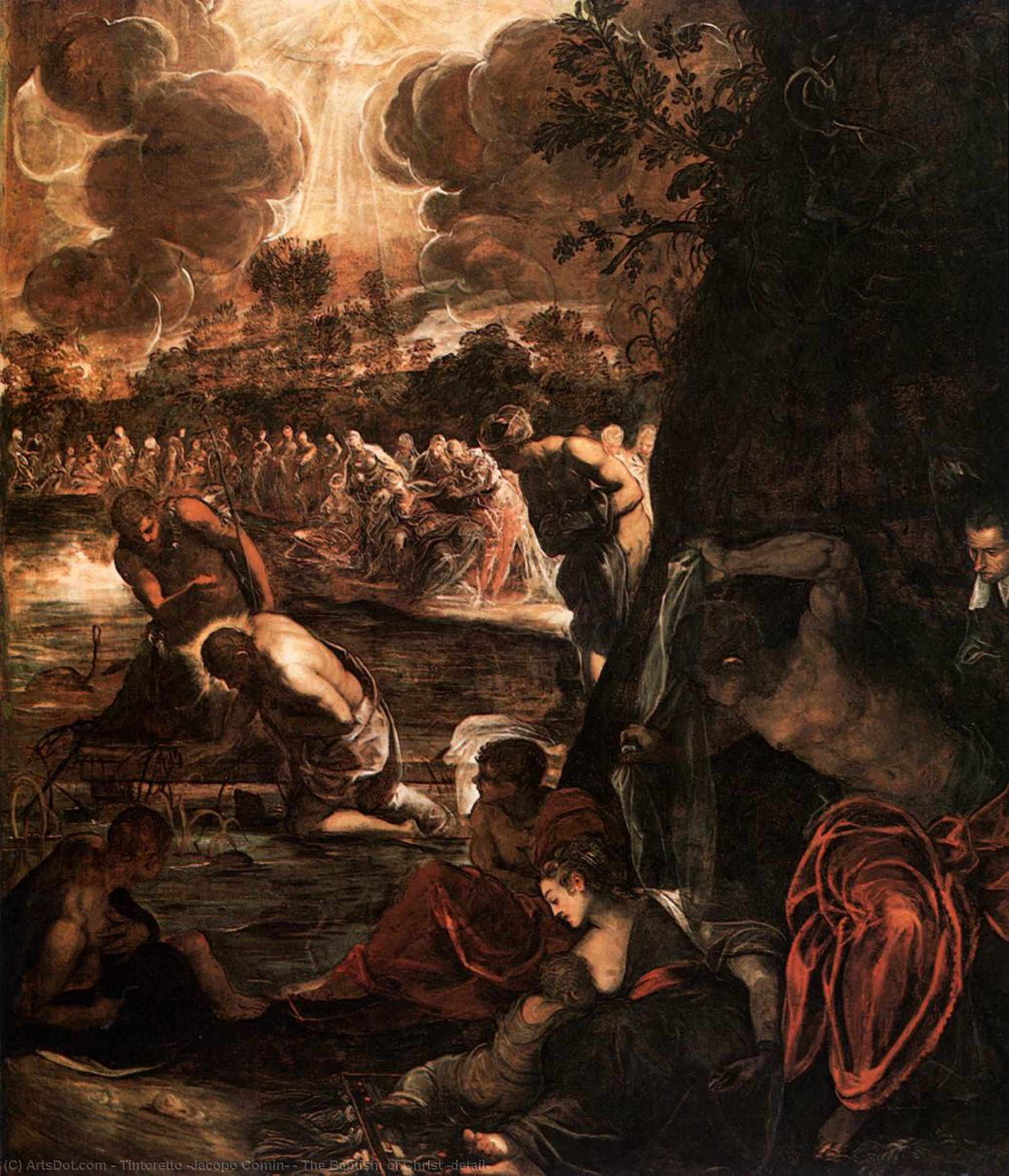
This dramatic detail from Jacopo Tintoretto's "The Baptism of Christ" (1579) plunges the viewer into a swirling vortex of emotion and divine power. Far more than a simple depiction of a biblical event, this fragment encapsulates the core tenets of Venetian Mannerism and Tintoretto’s unique artistic vision – a style earning him the nickname Il Furioso (“the furious”).Subject & Historical Context
While appearing to depict a chaotic drowning scene initially, scholars believe this is a section from a larger composition illustrating the Baptism of Christ. Tintoretto, active during the Counter-Reformation, frequently infused religious scenes with intense drama and psychological depth. This period demanded art that powerfully reaffirmed faith, and Tintoretto delivered through dynamic compositions and emotionally charged figures. Venice itself, a vibrant maritime republic, fostered an artistic environment distinct from Rome or Florence – one prioritizing color, light, and theatricality.Style & Technique
The painting is unequivocally Baroque in its anticipation of the style’s hallmarks—though created during the late Mannerist period. The composition is characterized by a flattened perspective, creating an immediacy that draws the viewer directly into the turmoil. Impasto, or thickly applied paint, lends a tactile quality to the work, emphasizing the physicality of the figures and the turbulent energy of the water. Strong diagonal lines dominate, guiding the eye through the scene and amplifying the sense of movement and instability. Tintoretto’s masterful use of light is particularly striking; a brilliant illumination focuses on key figures while deep shadows engulf others, heightening the drama and creating a powerful contrast.Symbolism & Interpretation
The swirling waters and struggling forms can be interpreted as symbolic representations of spiritual cleansing and the struggle against sin. The drowning figures may represent those lost to temptation or facing divine judgment. The onlookers, though partially obscured, symbolize humanity’s reaction to these powerful events – a mixture of fear, grief, and awe. Tintoretto often imbued his religious paintings with layers of allegorical meaning, inviting viewers to contemplate the deeper spiritual implications of the scene.Emotional Impact & Aesthetic Appeal
This detail is not merely a visual representation; it’s an *experience*. The painting evokes feelings of unease, drama, and even terror. The raw emotion conveyed through the figures' contorted bodies and expressive gestures is profoundly affecting. For collectors and interior designers, this piece – or a high-quality reproduction – offers a striking focal point. Its rich color palette of reds, browns, and blacks lends itself to both traditional and contemporary settings, adding depth, sophistication, and a touch of dramatic flair. The dynamic composition will enliven any space, sparking conversation and inspiring contemplation.Tintoretto’s Legacy
- Born Jacopo Robusti in Venice (1518-1594), Tintoretto revolutionized Venetian painting.
- Known for his speed and audacious brushwork, he bridged the gap between Renaissance and Baroque styles.
- His influence extended to later masters like Eugène Delacroix and John Singer Sargent.
関連作品
アーティストの略歴
激動の時代を彩った天才:ヤコポ・ティントレット
ヴェネツィア共和国の黄金時代、16世紀。その華やかな文化と芸術の中心に、ヤコポ・ティントレット(1518年 – 1594年)は屹立していた。本名ヤコポ・コミーン、父の染物職人としての職業にちなみ「ティントレット」と呼ばれるようになった彼は、ミケランジェロの構図力とティツィアノの色彩感覚を融合させ、独自のドラマティックな表現を確立した。彼の作品は、単なる絵画を超え、信仰、情熱、そして人間の内面世界への深い洞察を映し出す鏡として、ヴェネツィア美術に革命をもたらしたのである。幼少期に関する記録は乏しいものの、ティツィアノの下で短期間だけ修行したという逸話が残されており、その後、独学によってその才能を開花させたことが知られている。解剖学の研究や古典彫刻の模写を通じて得た知識は、彼の作品に生き生きとした人体表現と空間構成をもたらし、従来のヴェネツィア絵画の様式を大きく変革した。狂騒の一撃:イル・フルリオソ
ティントレットの芸術的特徴として最も顕著なのは、その圧倒的なエネルギーである。彼はしばしば「イル・フルリオソ」(狂った者)と呼ばれ、絵筆を走らせるその姿は、まるで嵐のような激しさだったという。この異名が示すように、彼の作品には抑制の効かない情熱と、感情の奔流がほとばしっている。初期の作品から、ティツィアノの影響を受けつつも、ミケランジェロ的な力強い人物表現を取り入れ、独自のスタイルを模索していく。画面全体に渦巻くような構図、大胆な光と影のコントラスト、そして遠近法を巧みに操ることで生み出される奥行きは、見る者を圧倒する。伝統的なヴェネツィア絵画が重視してきた均整のとれた美しさとは異なり、ティントレットは歪みや不均衡の中にこそ、生命力とドラマを見出したのである。サン・ロッコの奇跡:壮大な叙事詩
ティントレットの芸術的功績を最も象徴するものが、サン・ロッコ会館(Scuola Grande di San Rocco)に描かれた作品群である。50年以上にわたる歳月を費やして制作されたこれらの絵画は、聖ロケの生涯と奇跡を描き出し、ヴェネツィア美術史における最高傑作の一つとして位置づけられている。特に「最後の晩餐」は、従来の静的な描写とは一線を画し、劇的な光の効果と不安定な空間構成によって、キリストの心情と弟子たちの葛藤を鮮烈に表現している。また、「聖マルクの奇跡」シリーズは、ダイナミックな構図と人物の表情を通して、信仰の力と人間の苦悩を描き出しており、ティントレットの芸術的才能が最大限に発揮された作品群と言えるだろう。これらの作品群は、単なる宗教画ではなく、ヴェネツィア社会の精神性と文化を反映した壮大な叙事詩として、後世に語り継がれている。バロックへの橋渡し:後世への影響
1594年、ティントレットはヴェネツィアでその生涯を閉じた。彼の死後も、その革新的な芸術性は多くの画家たちに影響を与え続けた。カラヴァッジョやレンブラントといったバロック期の巨匠たちは、ティントレットのドラマティックな光の効果や感情表現から大きなインスピレーションを受けたと言われている。また、ドラクロワのようなロマン主義の画家も、彼の大胆な構図と情熱的な筆致に魅了された。ティツィアノ、パオロ・ヴェローネと共に、16世紀ヴェネツィア絵画を代表する三巨頭の一人として、ティントレットは美術史において確固たる地位を築き、ルネサンスからバロックへの移行期における重要な役割を果たしたのである。彼の作品は、時代を超えて今なお多くの人々を魅了し、芸術の可能性を広げ続けている。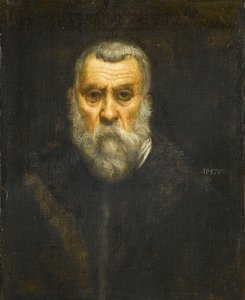
ティントレット
1518 - 1594 , イタリア
基本情報
- フルネーム: ジャコポ・ティントレット
- 主な作品:
- 聖マルコ奇跡
- 最後の晩餐
- 受胎告知
- 出身地: ヴェネツィア、イタリア
- 国籍: イタリア
- 影響を与えたアーティスト:
- カラヴァッジョ
- バロックの巨匠
- 影響を受けたアーティスト:
- ティツィアーノ
- ミケランジェロ
- 死亡日: 1594年5月31日
- 生年月日: 1518年9月下旬または10月初旬
- 芸術運動・スタイル: ルネサンス、マニエリスム
関連記事

ジャコポ・ティンコレット:至高の25選 – ヴェネツィア巨匠のドラマと光の世界 | ArtsDot
ジャコポ・ティンコレットの至高の25選。ドラマと光の世界を彩るヴェネツィア派巨匠の名画を紐解きます。ルネサンス絵画からバロック絵画まで、ArtsDotで高品質な複製画やインテリアアートを見つけましょう。傑作コレクションをオンラインで探求してください。

The Dramatic Flourish: Exploring the Baroque Movement's Enduring Legacy in Art History
Explore the dramatic world of Baroque art! Discover iconic artists like Caravaggio & Rubens, defining techniques, and its lasting impact on art history. Expert insights for collectors & enthusiasts at ArtsDot.

The Visceral Stage: Exploring Dramatic Narratives & Emotional Intensity in Baroque Art
Explore the dramatic world of Baroque art! Discover iconic masters like Caravaggio & Rembrandt, their techniques, and the movement's lasting impact. Expert insights for collectors & enthusiasts at ArtsDot.

バロック美術を極めた至宝:時代を彩る10大名作の世界
バロック美術の華!カラヴァッジョ、ベルニーニら巨匠が創り上げた10大名作を徹底解剖。ドラマチックな色彩と豪華絢爛の世界観に触れ、至宝のアートプリントで空間を彩ろう。ArtsDot.comで美術館品質の複製と洗練されたインテリアを見つけましょう!

バロックのドラマ:現代のインテリアに壮麗さと情感を取り込む
バロック様式の歴史、絵画、家具の魅力をご紹介。ArtsDotでは、高品質な油絵複製やカスタムポートレートをご提供し、現代のインテリアに壮麗さと情感を取り入れます。アートコンサルテーションも承ります。