

 プレビュー
プレビュー
 シェアする
シェアする シェアする
シェアする
 詳細を見る
詳細を見る

 ダウンロード
 似ている作品
 X線調査
X線調査 スライドショー
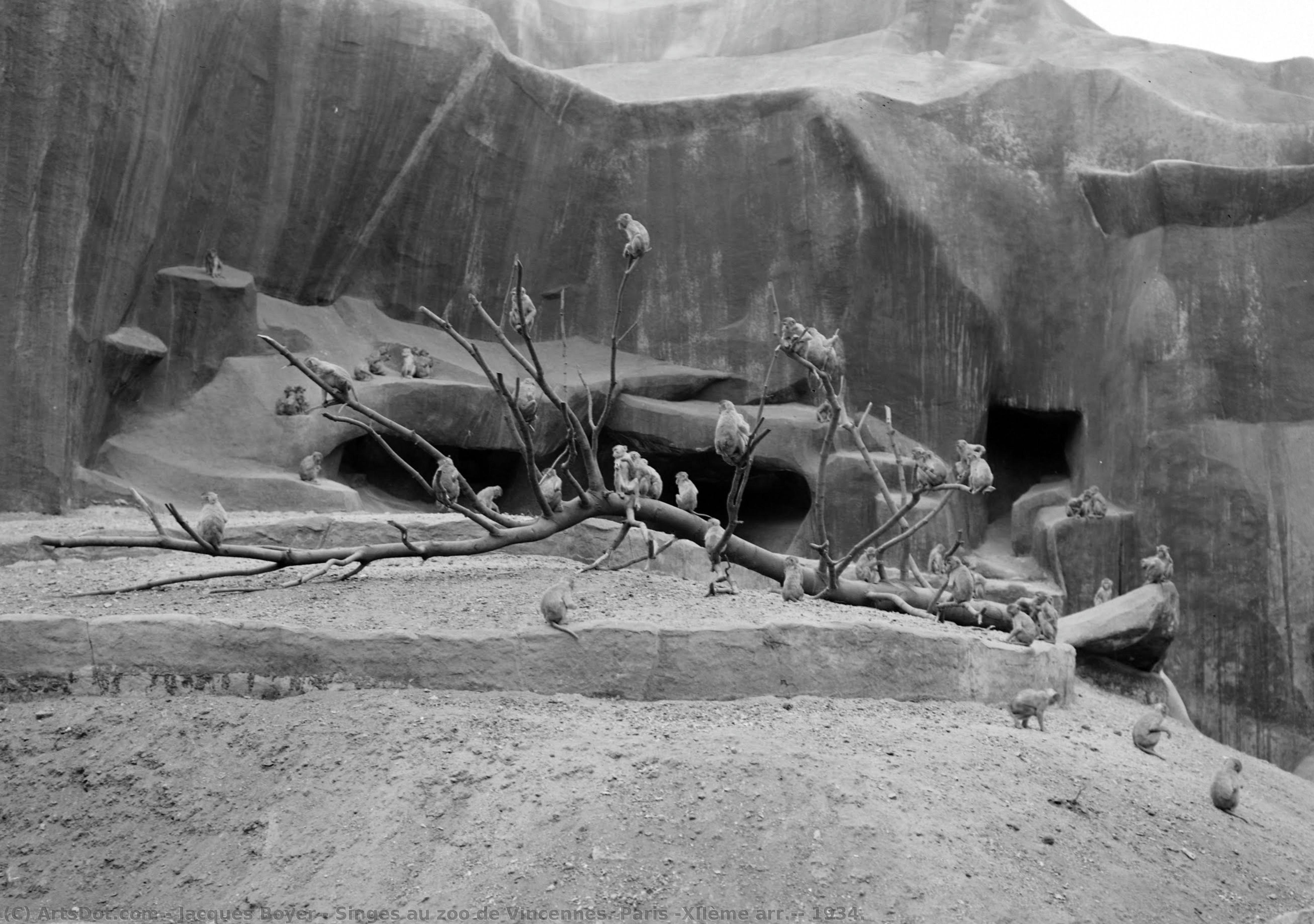
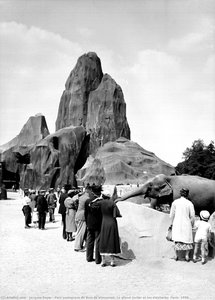
Singes au zoo de Vincennes. Paris (XIIème arr.), 1934.


 詳細を見る
詳細を見る
ジークレー/アートプリント
迅速な制作と多彩な仕上げオプションを備えた、ミュージアムクオリティのジークレーまたはキャンバスプリント。 ( 手描きの絵画を購入 画像を購入)




P118B $10

P118H $10

P118W $10

P438Z $10

P508JH $12

P508YH $12

P805H $10

P805Z $10

P919BZ $10

P919G $10

P919XJ $10

P959ZH $10

P968JZ $12

W106C $8

W218G $10

W218JH $8

W218Y $10

W307PJ $10

W316G $10

W316PJ $8

W316Y $10

W398PJ $8

W4111J $10

W500HY $15

W500JH $15

W692G $12

W849H $8

W940BG $15

W953PJ $8




作品のオリジナル比率に合わせた、当店の規定サイズからお選びください。

特定のフレームやスペースに合わせて、ご自身でサイズを指定することも可能です。選択されたサイズが元の画像の比率と一致しない場合、作品をトリミングするか、鏡面反射または単色での塗りつぶしによって画像を拡張いたします。制作を開始する前に、ご確認用のデジタルモックアップをお送りいたします。
画面上のプレビューには、実際のトリミングや拡張は反映されませんのでご注意ください。最終的な構図を正確に確認できるのは、モックアップのみとなります。
カスタムサイズも承っておりますが、元の比率を維持するためには、あらかじめ用意されたリストからサイズを選択することをお勧めいたします。


 ガラスオプションは、110cm未満のサイズでのみご利用いただけます。

Singes au zoo de Vincennes. Paris (XIIème arr.), 1934.
ジークレー/アートプリント
複製画のサイズ
-


合計金額
$ 62
関連作品
アーティストの略歴
Jacques Boyer: A Painter of the Wild Heart
Jacques Boyer (1918 – 1990) wasn’t a name that immediately resonates within the grand halls of the art world, yet his canvases hold a quiet intensity—a deep connection to the natural world and a remarkable ability to capture fleeting moments of wildlife. Born in Saint-Pey-de-Castets, a small village in southwestern France, Boyer's artistic journey began not with formal training but with an innate fascination for the landscapes and creatures surrounding him. He wasn’t striving for grand pronouncements or revolutionary styles; instead, he quietly built a body of work characterized by meticulous detail, a profound respect for his subjects, and a subtle, almost melancholic beauty.
Boyer's early life was deeply intertwined with the rhythms of rural France. He served as a municipal mayor for many years, demonstrating a practical engagement with his community – an experience that undoubtedly informed his later artistic perspective. This grounding in everyday life seems to have fostered a sensitivity to the nuances of observation, translating into a remarkable ability to render textures and forms with astonishing accuracy. His subjects weren’t posed or idealized; they were animals in their natural habitats, engaged in their daily routines—a fox hunting for prey, a deer pausing by a stream, birds soaring through the sky. These scenes aren't dramatic narratives but rather intimate glimpses into the lives of wild creatures.
The Language of Observation
Boyer’s technique is remarkably understated. He rarely employed bold brushstrokes or vibrant colors; instead, he favored a muted palette—earthy browns, greens, and greys—that perfectly complemented the natural tones of his subjects. His approach was rooted in careful observation and patient rendering. He meticulously studied the anatomy of animals, capturing their musculature, posture, and movement with an almost scientific precision. This dedication to detail is evident in the way he portrays the texture of fur, feathers, and scales—each element rendered with a level of realism that borders on photographic.
Interestingly, Boyer’s work was largely self-taught. He didn't attend art academies or participate in formal artistic circles. This independent path allowed him to develop his own unique style, one that prioritized direct observation and personal expression over adherence to established conventions. His paintings aren’t simply representations of animals; they are imbued with a sense of empathy—a feeling for the creatures he depicted and their place within the natural world.
A Focus on Wildlife and the Vincennes Zoo
Boyer's most celebrated works depict wildlife, particularly those found in the vicinity of his home. He spent considerable time observing animals at the Vincennes Zoo in Paris, documenting their behavior and capturing their essence on canvas. These zoo paintings are particularly noteworthy for their ability to convey a sense of both familiarity and wildness—the animals appear comfortable within their enclosures, yet retain an undeniable aura of freedom. His work from the Vincennes Zoo is especially poignant, offering viewers a rare opportunity to connect with these creatures in a deeply intimate way.
Beyond the zoo, Boyer’s paintings also showcase a wide range of wildlife—deer, foxes, birds, and other animals that inhabit the French countryside. His depictions are not merely illustrations; they are imbued with a sense of atmosphere and emotion. He captured the golden light of dawn filtering through the trees, the cool shade of a forest floor, and the quiet dignity of an animal in its natural habitat.
Legacy and Historical Context
Jacques Boyer’s work represents a subtle yet significant contribution to the world of wildlife art. While he didn't achieve widespread fame during his lifetime, his paintings have gained increasing recognition in recent years for their remarkable detail, emotional depth, and quiet beauty. He stands as an example of an artist who found inspiration in the everyday—in the simple act of observing the natural world and translating those observations onto canvas.
His work reflects a broader trend in 20th-century art—a growing interest in nature and a desire to reconnect with the rhythms of the natural world. Boyer’s paintings offer a valuable reminder of the beauty and wonder that can be found in even the most humble of subjects, and his legacy continues to inspire artists and viewers alike.
jacques boyer
France
基本情報
- Artistic Movement Or Style: Landscape painting
- Artists Who Influenced This Artist: ['None],\n "Artists or movements influenced by this artist": [None']
- Date Of Birth: February 21, 1918
- Date Of Death: June 8, 1990
- Full Name: Jacques Boyer-Andrivet
- Nationality: French
- Notable Artworks:
- Singes au zoo de Vincennes
- Parc zoologique du Bois de Vincennes
- Place Of Birth: Saint-Pey-de-Castets, France
関連記事

Dark Masterpieces: 10 Iconic Paintings Dominated by Black Tones |
Explore 10 iconic paintings dominated by black tones, from Rembrandt’s chiaroscuro to Goya's dark expressions. Discover the stories behind these masterpieces & find museum-quality art reproductions for your home at .
Lamp Black & Masterpieces: 10 Paintings That Define Shadow & Light |
Delve into the captivating world of 'Lamp Black' tones with 10 iconic paintings by masters like Rembrandt & Caravaggio. Explore Baroque chiaroscuro, dramatic lighting & shadow in art history. Find museum-quality reproductions at
Mars Black Masterpieces: 10 Iconic Paintings & Timeless Art Decor Ideas
Delve into the power of 'Mars Black' with 10 iconic paintings by masters like Rembrandt & Caravaggio. Explore dramatic chiaroscuro, gothic art, and timeless beauty. Find museum-quality reproductions & elevate your home decor on .
Ivory Black Masters: 10 Paintings That Define Dramatic Art |
Delve into the power of 'Ivory Black' with 10 iconic paintings by masters like Rembrandt & Caravaggio. Explore dramatic chiaroscuro, gothic moods & timeless art history. Find museum-quality reproductions and elevate your home decor at
現代ギャラリーにおける美術複製版の戦略的役割:模倣を超えて、権威と鑑賞体験を再構築する
現代ギャラリーにおける美術複製版の戦略的役割を徹底分析。贋作問題、流通構造の変化、鑑賞体験の再構築、技術革新まで深く掘り下げ、アート投資やコレクションに役立つ情報を提供します。専門家による視点と信頼性の高いデータに基づいた高品質な記事です。

