

 プレビュー
プレビュー
 シェアする
シェアする シェアする
シェアする
 詳細を見る
詳細を見る

 ダウンロード
 似ている作品
 X線調査
X線調査 スライドショー
 統計情報
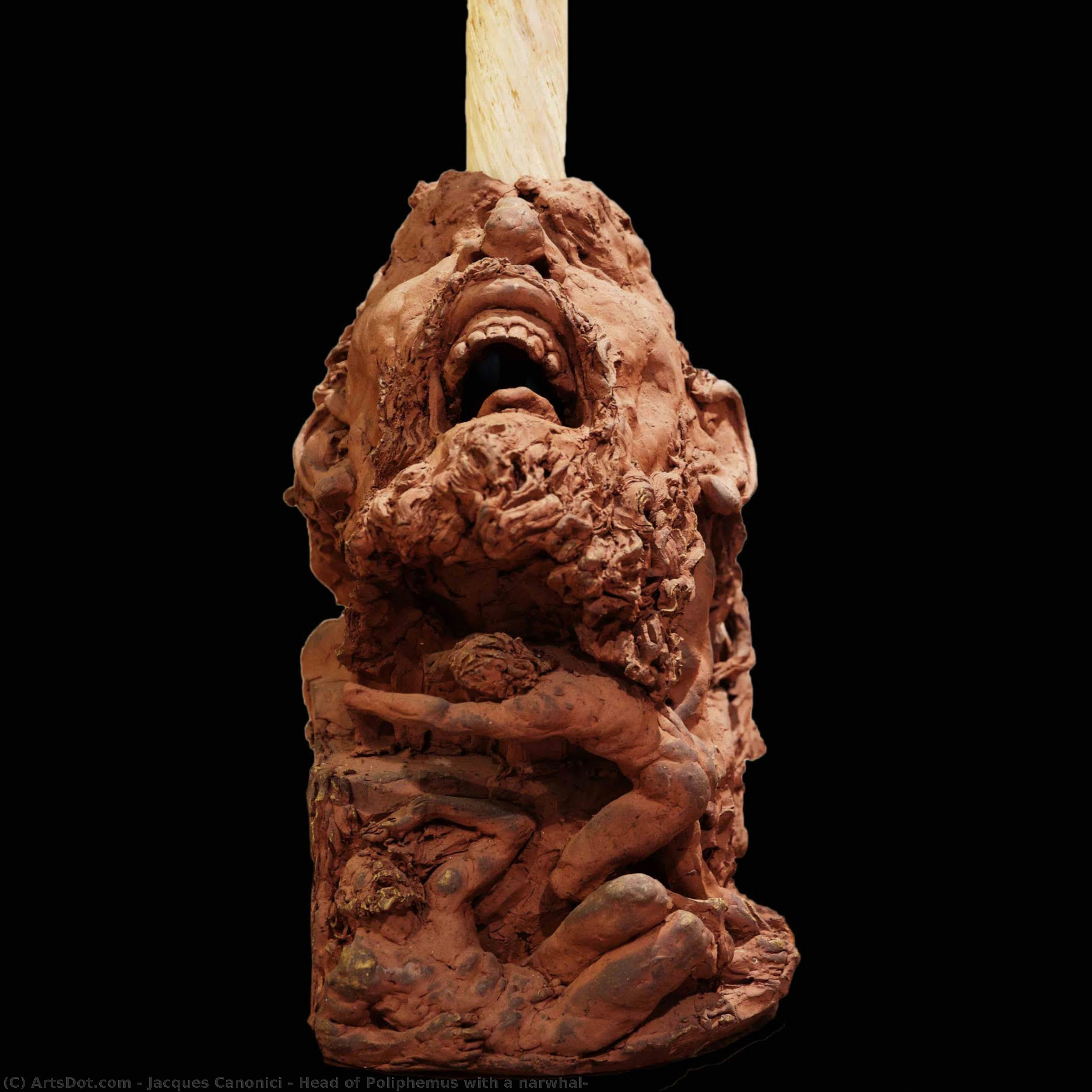
統計情報Head of Poliphemus with a narwhal

 詳細を見る
詳細を見る
ジークレー/アートプリント
迅速な制作と多彩な仕上げオプションを備えた、ミュージアムクオリティのジークレーまたはキャンバスプリント。 ( 手描きの絵画を購入 デジタル画像販売へ切り替え)




































作品のオリジナル比率に合わせた、当店の規定サイズからお選びください。

特定のフレームやスペースに合わせて、ご自身でサイズを指定することも可能です。選択されたサイズが元の画像の比率と一致しない場合、作品をトリミングするか、鏡面反射または単色での塗りつぶしによって画像を拡張いたします。制作を開始する前に、ご確認用のデジタルモックアップをお送りいたします。
画面上のプレビューには、実際のトリミングや拡張は反映されませんのでご注意ください。最終的な構図を正確に確認できるのは、モックアップのみとなります。
カスタムサイズも承っておりますが、元の比率を維持するためには、あらかじめ用意されたリストからサイズを選択することをお勧めいたします。


 ガラスオプションは、110cm未満のサイズでのみご利用いただけます。

Head of Poliphemus with a narwhal
ジークレー/アートプリント
複製画のサイズ
-


合計金額
$ 62
関連作品








アーティストの略歴
Jacques Canonici: A Sculptor of Myth and the Uncanny
Born in Chile in 1948, Jacques Canonici’s artistic journey began far from the Parisian salons that would ultimately define his career. While details of his early life remain somewhat elusive, a consistent thread emerges – a fascination with mythology, symbolism, and the unsettling beauty of the grotesque. This initial impulse, coupled with a profound respect for traditional sculptural techniques, has shaped a body of work both deeply rooted in artistic history and strikingly original.
Canonici’s formal training is often cited as a crucial element in his development. He studied at the École Nationale Supérieure des Beaux-Arts in Paris, an institution renowned for its rigorous curriculum and emphasis on classical foundations. However, rather than simply replicating the styles of the past, Canonici skillfully integrated these influences into a distinctly personal vision. His early works demonstrate a clear engagement with the traditions of French sculpture – particularly the work of artists like Jean-Jacques Ingres and Antoine-Louis Barye – but he quickly began to push beyond mere imitation, injecting his own unique sensibility into every piece.
The Rise of Surreal Symbolism
Canonici’s artistic style is characterized by a potent blend of surrealism and classical influence. His sculptures frequently depict figures drawn from mythology—Polyphemus, for instance—but these are not rendered as heroic or idealized representations. Instead, they are presented with an unflinching honesty, capturing the raw emotion and primal energy of their narratives. The artist’s use of terracotta is particularly noteworthy; its earthy texture lends a sense of immediacy and vulnerability to his figures, emphasizing their humanity even in moments of monstrous intensity.
A pivotal moment in Canonici's career came with the commission for "Head of Polyphemus with Narwhal Tusk" (2000), a work now housed at ArtsDot. This piece exemplifies his signature style: a colossal, brooding figure—the Cyclops—pierced by a massive narwhal tusk. The juxtaposition of these elements – the savage monster and the delicate, almost ethereal horn – creates a powerful visual paradox, inviting viewers to contemplate themes of destruction, beauty, and the inherent contradictions within human nature. The choice of terracotta itself speaks volumes; it’s a material that evokes both ancient civilizations and the raw earth from which all things originate.
Beyond Myth: Portraits and Parisian Life
While his mythological works are perhaps Canonici's most recognizable, he has also produced a significant body of portrait sculpture. These pieces, often commissioned by private collectors and institutions, offer a fascinating glimpse into the social and cultural landscape of Belle Époque Paris. His bust of Gaston Monnerville (1987), located in the Jardin Botanique de Cayenne in French Guiana, is a prime example. This striking portrait captures not only the likeness of the former President but also his complex personality – a blend of intellectualism, political acumen, and a deep connection to his homeland.
Canonici’s approach to portraiture is characterized by an uncanny ability to capture the essence of his subjects—their inner lives, their ambitions, and their vulnerabilities. He eschews idealized representations in favor of a more psychologically nuanced approach, using subtle gestures, expressions, and textures to convey a sense of depth and complexity.
Legacy and Influence
Jacques Canonici’s work continues to resonate with audiences today, largely due to its potent blend of classical technique and surreal symbolism. His sculptures are exhibited in prestigious museums and private collections around the world, and his influence can be seen in the work of contemporary artists who share his fascination with mythology, the grotesque, and the power of visual storytelling.
Canonici’s legacy extends beyond the individual artworks he has created. He represents a vital link between the traditions of French sculpture and the avant-garde movements of the 20th century—a testament to the enduring power of artistic innovation and the timeless appeal of human imagination. His work serves as a reminder that even in the darkest corners of mythology, there is always room for beauty, mystery, and profound insight.
jacques canonici
France
基本情報
- Artistic Movement Or Style: Surreal Sculpture/Painting
- Full Name: Jacques Canonici
- Nationality: French
- Notable Artworks:
- Head of Poliphemus
- Gaston Monnerville Bust
- Place Of Birth: Chile