

 プレビュー
プレビュー
 プリントを購入
 シェアする
シェアする シェアする
シェアする
 詳細を見る
詳細を見る

 ダウンロード
 似ている作品
 X線調査
X線調査 スライドショー
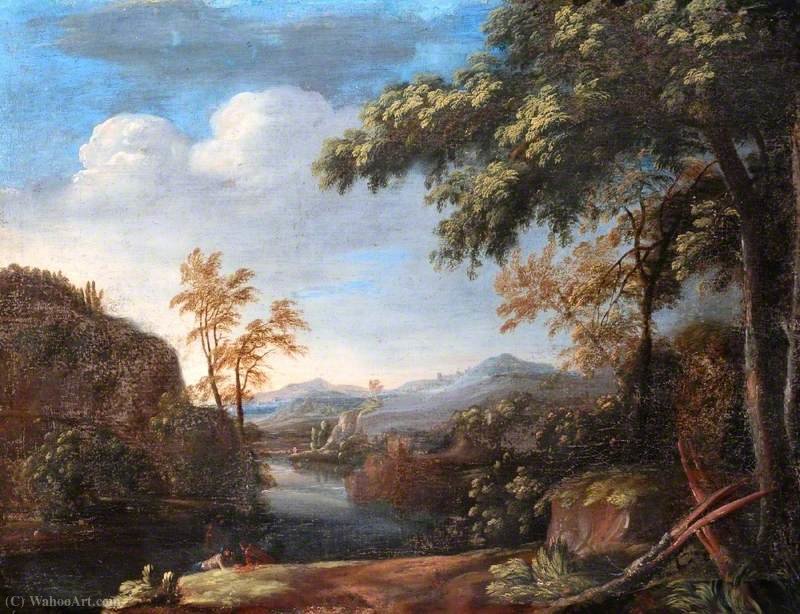
Landscape with a River and Figures

 詳細を見る
詳細を見る




































作品のオリジナル比率に合わせた、当店の規定サイズからお選びください。

特定のフレームやスペースに合わせて、ご希望のサイズをご入力いただけます。選択されたサイズが元の画像の比率と異なる場合、アートワークをトリミングするか、手描きで要素を追加して絵画を拡張いたします。デジタルモックアップ を制作し、制作開始前にご確認(承認)をいただきます。
画面上のプレビューは、実際のトリミングや拡張を正確に反映しているものではありません。最終的な構図は、モックアップによってのみ正確にご確認いただけます。
カスタムサイズもご利用いただけますが、元の比率を維持するためには、あらかじめ用意されたリストからサイズを選択することをお勧めいたします。
ご注文後、ArtsDot.com チームより詳細な指示をお送りするとともに、仕上がりイメージ(モックアップ)をご提供いたします。


 ガラスオプションは、110cm未満のサイズでのみご利用いただけます。

Landscape with a River and Figures
複製技法
複製画のサイズ
-


合計金額
$ 288
関連作品
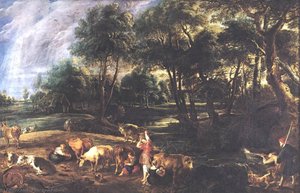
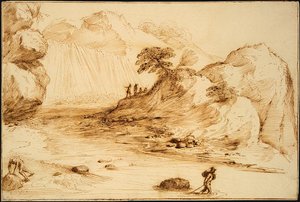
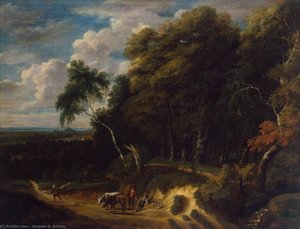
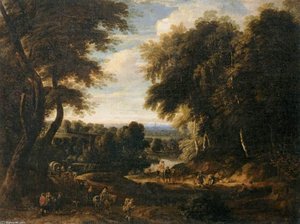
アーティストの略歴
A Brussels Master of Woodland Scenes: The Life and Art of Jacques d’Arthois
Jacques d'Arthois, born in Brussels in 1613, emerged during a vibrant period for Flemish art—a time when landscape painting was steadily gaining prominence alongside the established traditions of portraiture and history. While not as widely celebrated as some of his contemporaries, d’Arthois carved out a significant niche for himself with his meticulously detailed depictions of wooded landscapes populated by figures engaged in everyday life or pastoral pursuits. His career unfolded against a backdrop of political and religious upheaval, yet he managed to cultivate a consistent style that resonated with patrons seeking both beauty and tranquility in their surroundings. Apprenticed to Jan Mertens in 1625, the specifics of his early training remain somewhat obscure; however, it’s clear that d'Arthois quickly developed an affinity for rendering the natural world with remarkable precision. He entered the Brussels Guild of St. Luke in 1634, marking a formal recognition of his artistic abilities and establishing him as a professional painter within the city’s thriving art community.The Tapestry Designer and the Pastoral Ideal
D'Arthois wasn’t solely dedicated to easel painting; he also achieved considerable success as a tapestry designer, becoming a chartered cartoon designer for the city of Brussels in 1655. This dual role is significant because it illuminates his broader artistic sensibilities—his ability to translate compositions from one medium to another and his understanding of decorative principles. Tapestry design demanded a clarity of form and narrative that likely influenced his paintings, encouraging him to create scenes that were both visually compelling and easily interpretable. His landscapes often evoke a sense of idealized harmony, reflecting the pastoral ideal prevalent in 17th-century art—a longing for a simpler, more virtuous existence rooted in nature. The woods around Brussels served as his primary source of inspiration, and he frequently depicted them with a keen eye for atmospheric effects and subtle variations in light and shadow. Figures were often added to his compositions by other artists, notably David Teniers the Younger and Gonzales Coques, creating collaborative works that showcased both d’Arthois's landscape expertise and the figure painters’ skill in animating the scenes.Influences and Artistic Development
Tracing the influences on d’Arthois’s style reveals a complex interplay of artistic traditions. Early works demonstrate a clear debt to Lodewijk de Vadder, another prominent Brussels landscape painter whose compositions often featured similar wooded settings and figure groupings. However, d'Arthois gradually developed his own distinctive voice, characterized by a greater emphasis on detail and a more refined sense of atmospheric perspective. The influence of Denis van Alsloot is also discernible in his early paintings, particularly in the rendering of trees and foliage. As he matured, d’Arthois began to experiment with larger-scale landscapes, responding to a growing demand for decorative works that could adorn churches and abbeys. These ambitious compositions required a sophisticated understanding of spatial organization and a mastery of color and tone. While documentary evidence is limited, it's believed that Cornelis Huysmans may have spent time in d’Arthois’s workshop around 1650, though the extent of his influence remains uncertain.A Legacy of Imitation and Historical Significance
Jacques d’Arthois enjoyed a successful career during his lifetime, attracting commissions from both private patrons and religious institutions. He owned several houses, including one in the Sonian Forest—a testament to his prosperity and connection to the natural world he so often depicted. Despite experiencing financial difficulties later in life, his artistic reputation remained strong. His influence extended beyond Brussels, as evidenced by the presence of pupils who emulated his style and disseminated his aesthetic principles throughout the region. While no works are definitively signed by either his brother Nicolaes or his son Jan Baptist, it is believed that many paintings attributed to Jacques d’Arthois were actually created by these family members. This ambiguity underscores the challenges inherent in attributing 17th-century Flemish landscapes, but it also highlights the enduring appeal of d'Arthois’s style—a style that was widely imitated and followed by other landscape artists for generations. His contribution lies not in radical innovation, but in his skillful execution of a beloved genre and his ability to capture the beauty and tranquility of the Belgian countryside. He represents a vital link in the development of Flemish landscape painting, bridging the gap between earlier traditions and the more sophisticated approaches that would emerge in the following centuries.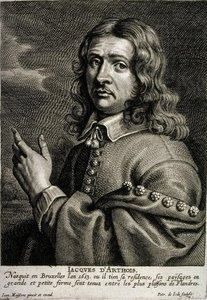
jacques d' arthois
1619 - 1686 , Belgium
基本情報
- Artists Or Movements Influenced By This Artist: ['']
- Artists Who Influenced This Artist: ['']
- Date Of Birth: 1619
- Date Of Death: 1686
- Notable Artworks: ['']
- Place Of Birth: WahooArt
関連記事

Decoding Baroque Grandeur: A Guide to the Drama and Emotion of 17th-Century Art
Explore the breathtaking drama of 17th-century Baroque art. Our expert guide decodes the use of chiaroscuro, emotional intensity, and historical grandeur to help you appreciate and curate timeless masterpieces for your collection.

ロマン派ランドスケープ:時代を彩る巨匠の10選|アートとインテリアの世界
ロマン派絵画の時代を彩る10選。巨匠たちの風景が織りなす感動の世界へ。ターナー、ルーベンスなど、名作の裏話と高精細複製でアートをお部屋に。ArtsDot.comで至福のアート体験を。

Evocations of Place: A Historical Journey Through Landscape Art
Explore the rich history of landscape art with ArtsDot. Discover renowned artists, movements like Impressionism & Romanticism, and expert guidance for collecting timeless pieces. Find your perfect serene escape today!
Baroque Classicism: Reconciling Drama & Order in 17th-Century Art
Explore the captivating world of Baroque Classicism! Discover its history, key artists like Caravaggio & Rubens, and defining characteristics. Expert insights & high-quality reproductions at ArtsDot.

ジョン・コンスタブルの傑作25選:英国風景画の巨匠が描く自然と光の詩 | ArtsDot
ジョン・コンスタブルの傑作25選。英国風景画の巨匠が描く自然と光の詩の世界へ。ロマン主義を代表する絵画、デダム・ヴェールやヘイ・ウェインなど、ArtsDotで高品質なアートプリントをお楽しみください。インテリアに深みと感動を。コレクションはこちら。

