

 プレビュー
プレビュー
 プリントを購入
 シェアする
シェアする シェアする
シェアする
 詳細を見る
詳細を見る

 ダウンロード
 似ている作品
 X線調査
X線調査 スライドショー
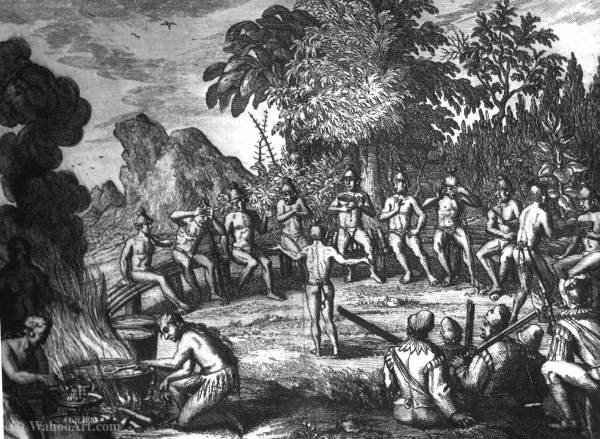
Timucua Indians at a feast drawing possibly
 詳細を見る
詳細を見る
オンラインプレビューをはるかに凌ぐ、高解像度で鮮明なデジタル画像をご購入いただけます。
各ファイルは、社内の専門家が高度なツールと熟練した手作業によるレタッチを用いて、細心の注意を払って準備されています。すべての画像において、卓越した鮮明度、正確な色彩再現性、そして繊細なディテールを保証いたします。
最終ファイルは、プロフェッショナルな編集・印刷環境ですぐにご利用いただけるよう最適化された状態で、72時間以内にメールにてお届けいたします。これは、一流のデザインスタジオ、出版社、ギャラリーから信頼されているものと同等の品質です。
デジタル画像のご注文に付随する特典
高品質なデジタル画像配信を、確かな品質で。
ArtsDot.com を選ぶことは、単に画像を手に入れることではありません。それは、プロの手によって精密に仕上げられ、満足保証が付いた高品質なデジタルアートワークを受け取ることを意味します。ご注文いただいた際に自動的に付随する内容は、以下の通りです:

メールですぐにお届け
ご注文から72時間以内に、高解像度のデジタル画像ファイルがメールでお手元に届きます。すぐにそのままご利用いただけます。

AI技術で最適化されたデジタルファイル
お客様の作品は、高度なAIツールと専門家による手作業の編集を組み合わせてプロフェッショナルに最適化されており、細部のディテール、鮮明さ、そして正確な色再現性を最大限に引き出しています。

一生涯無料の再送サービス
ファイルを誤って削除したり、紛失してしまったりしましたか?ご安心ください。いつでも無料で再送いたします。

輸入手数料は一切かかりません
関税や手数料、配送料を気にすることなく、お気に入りのアートワークをすぐにお楽しみいただけます。デジタルダウンロードは常に免税です。

色彩再現の保証
プロ仕様のツールとカラーマネジメント技術を用いることで、デジタル画像が元の色を最大限に忠実に再現することを保証いたします。

60日間満足保証
ご購入いただいたデジタル画像にご満足いただけない場合は、60日以内であれば、修正または100%の返金(理由を問う必要はありません)をさせていただきます。

100% 返金保証
ご満足いただけない場合は、デジタルファイルを受け取ってから60日以内であれば、理由を問わず全額返金いたします。

まとめ買い割引
3枚購入で10%OFF - 5枚購入で15%OFF - 10枚以上購入で20%OFF。クリエイティブなプロジェクト、ギャラリー、エージェンシーに最適です。
関連作品

作家の略歴
Jacques (de Morgues) Le Moyne: Bridging Worlds Through Art and Exploration
Jacques (de Morgues) Le Moyne (c. 1533 – 1588) remains a figure of captivating mystery and profound historical significance, an artist whose life intertwined inextricably with the dawn of European exploration and colonization in North America. Born in Dieppe, France, his journey took him from the bustling harbors of his homeland to the nascent settlements of Florida and Cuba, where he meticulously documented a world on the cusp of transformation – a world viewed through the unique lens of a skilled cartographer and artist deeply immersed in Native American cultures.
Until relatively recently, Le Moyne’s legacy was largely obscured, relegated to the footnotes of ethnographic studies. His name appeared primarily as the illustrator and chronicler of René de Laudonnière's ill-fated 1564-65 expedition to Florida, a detail overshadowed by the broader narrative of European ambition. However, recent scholarship has resurrected his story, revealing an artist of remarkable talent and sensitivity, one who offered unprecedented insights into the lives, customs, and beliefs of the Timucua people – the indigenous inhabitants of northeastern Florida and southeastern Georgia.
Early Life and Artistic Training
Details surrounding Le Moyne’s early life remain frustratingly sparse. It is believed he received his artistic training in Dieppe, a thriving port city renowned for its shipbuilding and burgeoning art scene during the 16th century. The precise nature of this training remains unknown, but it likely encompassed elements of painting, drawing, and cartography – skills that would prove crucial to his future endeavors. His family’s connection to the maritime trade further suggests an early exposure to maps and navigational charts, laying the groundwork for his later contributions in these fields.
Crucially, Le Moyne's artistic background was deeply intertwined with the Huguenot religious movement. As a Protestant in a predominantly Catholic France, he faced significant challenges and ultimately fled the country, seeking refuge in England. This exile profoundly shaped his life and career, leading him to London where he found patronage from Sir Walter Raleigh, a key figure in English exploration of North America.
The Florida Expeditions: A Witness to Colonial Beginnings
Le Moyne’s most enduring legacy stems from his participation in the French expeditions to Florida. In 1564, he joined René de Laudonnière's expedition, serving as both a cartographer and artist. This marked a pivotal moment – not only for Le Moyne but also for European understanding of the New World. Unlike many of his contemporaries who depicted Native Americans through stereotypical or reductive imagery, Le Moyne sought to capture their likenesses with remarkable accuracy and detail. His watercolors and drawings offer invaluable visual records of Timucua life, including their clothing, dwellings, rituals, and social structures.
His most famous work from this period is the depiction of Athore showing Laudonniere the Marker Column set up by Ribault, executed in watercolor on vellum. This image, now housed at the New York Public Library, exemplifies Le Moyne’s artistic skill and his commitment to representing Native Americans with respect and dignity. It's a testament to his ability to capture not just physical appearances but also the essence of their culture.
Botanical Art and English Patronage
Following his return to France, Le Moyne continued to work as a court artist, specializing in botanical illustrations. His 1584 publication, *La Clef des Champs* (The Key to Fields), showcased his talent for rendering the intricate details of plants with astonishing precision – a skill that would later find an appreciative audience in England.
In 1572, Le Moyne fled France and settled in London, where he secured patronage from Sir Walter Raleigh. He spent the remainder of his life producing exquisite watercolor paintings of flowers and fruits for Raleigh’s collection. These works are considered among the finest examples of botanical art produced during the Elizabethan era, showcasing a meticulous attention to detail and a deep understanding of plant morphology.
Legacy and Historical Significance
Jacques Le Moyne de Morgues's contribution extends far beyond his artistic achievements. His depictions of Native American life provide an invaluable historical record, offering insights into the cultures and societies that were profoundly impacted by European colonization. His work stands as a rare example of empathetic observation – a testament to his ability to bridge cultural divides through art.
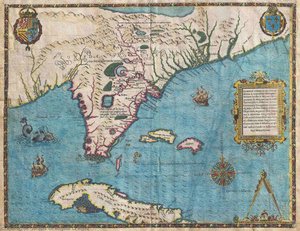
Furthermore, Le Moyne’s maps played a crucial role in shaping early European perceptions of North America. His cartographic skills, combined with his artistic talent, allowed him to create detailed and accurate representations of the Florida coastline and surrounding regions – images that would later be disseminated through Theodore de Bry's *Great Voyages*, influencing public opinion and contributing to the broader narrative of European exploration.
Today, Le Moyne’s work is celebrated for its artistic merit, historical significance, and profound insights into a pivotal period in American history. His legacy continues to inspire artists and scholars alike, reminding us of the importance of cultural understanding and the power of art to illuminate the past.
jacques (de morgues) le moyne
1533 - 1588 , France
プロフィール概要
- Artistic Movement Or Style: Cartography, Exploration
- Artists Or Movements Influenced By This Artist: ['De Bry']
- Artists Who Influenced This Artist: ['Ribault']
- Date Of Birth: c. 1533
- Date Of Death: 1588
- Full Name: Jacques de Morgues le Moyne
- Nationality: French
- Notable Artworks:
- Timucua Indian village
- Arrival of Spanish
- Place Of Birth: Dieppe, France

