

 プレビュー
プレビュー
 プリントを購入
 シェアする
シェアする シェアする
シェアする
 詳細を見る
詳細を見る

 ダウンロード
 似ている作品
 X線調査
X線調査 スライドショー
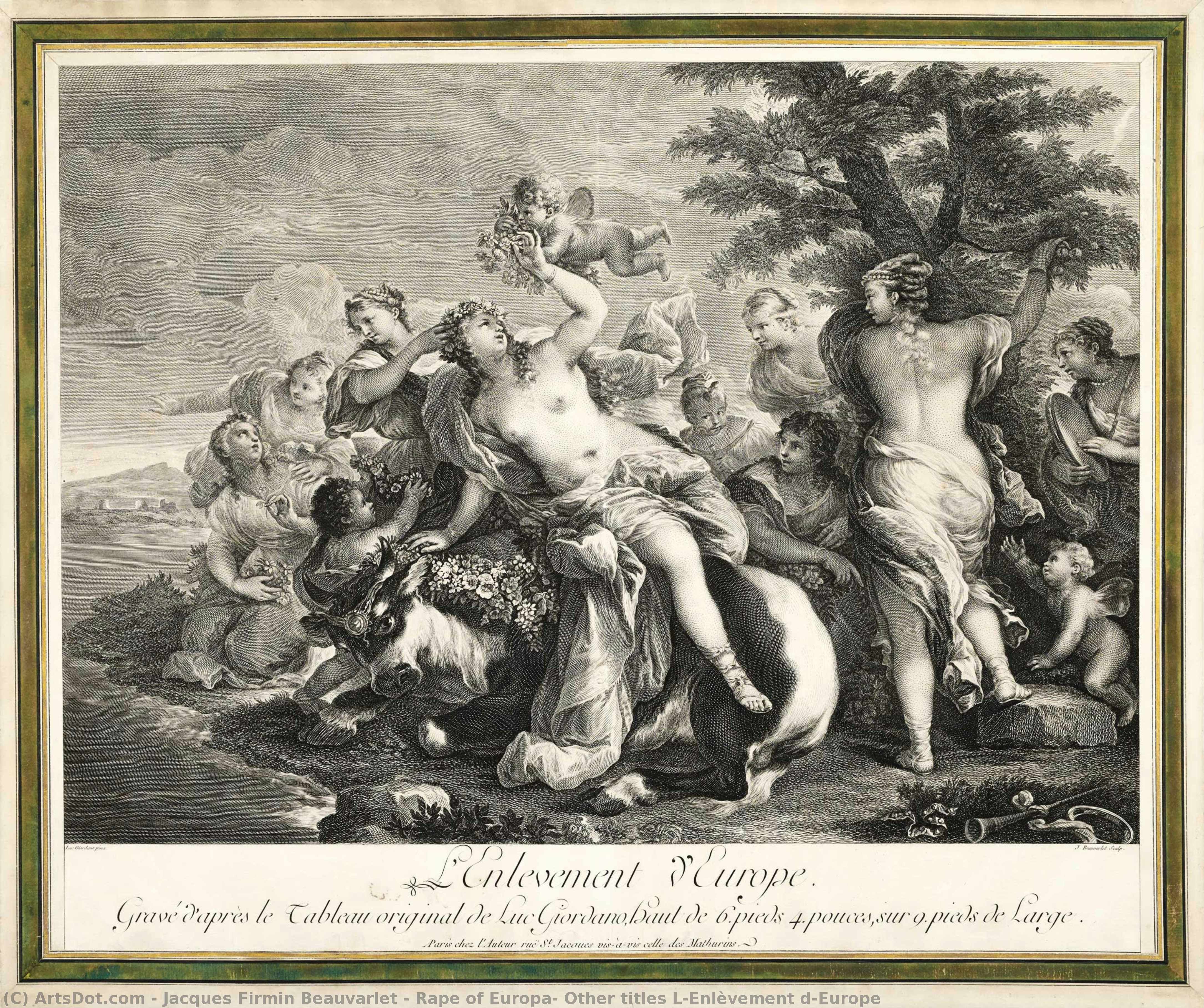
Rape of Europa, Other titles L’Enlèvement d’Europe


 詳細を見る
詳細を見る




P118B $10

P118H $10

P118W $10

P438Z $10

P508JH $12

P508YH $12

P805H $10

P805Z $10

P919BZ $10

P919G $10

P919XJ $10

P959ZH $10

P968JZ $12

W106C $8

W218G $10

W218JH $8

W218Y $10

W307PJ $10

W316G $10

W316PJ $8

W316Y $10

W398PJ $8

W4111J $10

W500HY $15

W500JH $15

W692G $12

W849H $8

W940BG $15

W953PJ $8




作品のオリジナル比率に合わせた、当店の規定サイズからお選びください。

特定のフレームやスペースに合わせて、ご希望のサイズをご入力いただけます。選択されたサイズが元の画像の比率と異なる場合、アートワークをトリミングするか、手描きで要素を追加して絵画を拡張いたします。デジタルモックアップ を制作し、制作開始前にご確認(承認)をいただきます。
画面上のプレビューは、実際のトリミングや拡張を正確に反映しているものではありません。最終的な構図は、モックアップによってのみ正確にご確認いただけます。
カスタムサイズもご利用いただけますが、元の比率を維持するためには、あらかじめ用意されたリストからサイズを選択することをお勧めいたします。
ご注文後、ArtsDot.com チームより詳細な指示をお送りするとともに、仕上がりイメージ(モックアップ)をご提供いたします。


 ガラスオプションは、110cm未満のサイズでのみご利用いただけます。

Rape of Europa, Other titles L’Enlèvement d’Europe
複製技法
複製画のサイズ
-


合計金額
$ 263
A Moment Frozen in Mythological Drama
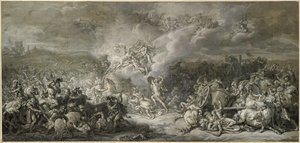
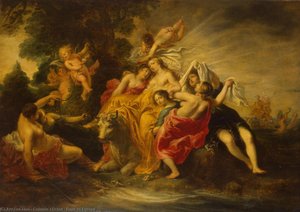
In the sweeping narrative of Jacques Firmin Beauvarlet’s 1762 masterpiece, Rape of Europa (also known as L’Enlèvement d’Europe), we are thrust into the heart of a divine and tumultuous encounter. The scene captures the pivotal instant from Greek mythology where Zeus, transformed into a magnificent and deceptively gentle bull, carries away the Phoenician princess Europa. As she is lifted from the earth, her vulnerability is palpable; her form, caught in a state of ethereal nakedness, contrasts sharply with the powerful, muscular presence of the white bull beneath her. The composition is a masterclass in tension, balancing the weight of the divine beast with the light, floating grace of the fleeing princess, creating a visual rhythm that pulls the viewer into the very center of the abduction.
Beyond the central figures, Beauvarlet populates this mythological landscape with a sense of voyeuristic drama. Bystanders—some seated in quiet contemplation and others standing in stunned observation—frame the event, acting as witnesses to the unfolding cosmic intervention. The inclusion of delicate avian details, such as the birds drifting through the upper reaches of the frame, adds a layer of naturalistic beauty that softens the intensity of the central conflict. This interplay between the terrestrial observers and the celestial movement of the protagonists creates an intricate tapestry of life, where every element contributes to the grand scale of the legend.
The Mastery of Eighteenth-Century Engraving
As a preeminent figure of the French Enlightenment, Beauvarlet brings a sophisticated level of technical precision to this work. His evolution from a bold, expansive style to one defined by meticulous detail is evident in the way light and shadow dance across the surfaces of the bull’s hide and Europa’s skin. The technique employed here reflects the pinnacle of 18th-century printmaking, where every line serves a dual purpose: to define form and to evoke atmosphere. Through delicate hatching and nuanced tonal shifts, Beauvarlet achieves a sculptural quality that makes the figures feel remarkably three-dimensional, as if they might step out from the confines of the plate.
For the discerning collector or interior designer, this piece offers more than mere decoration; it provides a window into the refined aesthetic of the Parisian engraving tradition. The work possesses an inherent elegance that allows it to serve as a sophisticated focal point in a classical study, a grand salon, or a contemporary gallery space. Its ability to command attention through dramatic movement while maintaining a sense of poised, academic grace makes it an invaluable acquisition for those looking to infuse their surroundings with historical depth and artistic prestige.
Symbolism and Emotional Resonance
The emotional impact of Rape of Europa lies in its duality—the coexistence of terror and enchantment. There is a profound sense of destiny at play, a feeling that the characters are caught in the inexorable gears of fate. The bull, while a symbol of raw, divine power, also embodies a deceptive tranquility, mirroring the way desire can often mask more complex intentions. This ambiguity invites deep contemplation, making the artwork a conversation piece that rewards repeated viewing.
To possess a high-quality reproduction of this work is to bring a fragment of classical grandeur into the modern era. It serves as a reminder of an age where art was used to bridge the gap between the human experience and the divine mysteries of myth. Whether placed in a setting of traditional opulence or used to provide a sophisticated contrast in a minimalist interior, Beauvarlet’s vision continues to resonate with its timeless themes of transformation, passion, and the overwhelming power of the unknown.
関連作品
アーティストの略歴
The Refined Line: The Life and Legacy of Jacques Firmin Beauvarlet
In the luminous era of the French Enlightenment, few artists captured the delicate balance between expressive vigor and technical perfection quite like Jacques Firmin Beauvarlet. Born in 1731 in the quiet town of Abbeville, Beauvarlet’s journey would eventually lead him to the beating heart of the Parisian art world, where he would leave an indelible mark on the medium of printmaking. His early years were defined by a rigorous apprenticeship under the watchful eyes of masters such as Charles Dupuis and Laurent Cars, figures who provided him with the foundational tools to navigate the complex demands of engraving. This period of intense study allowed him to absorb the nuances of light and shadow, setting the stage for a career that would bridge the gap between the bold, unrestrained energy of his youth and the sophisticated, meticulous precision of his maturity.
The evolution of Beauvarlet’s style serves as a fascinating window into the shifting aesthetic values of the eighteenth century. In his formative years, his engravings were noted for their expansive plates and a certain uninhibited freedom, a quality that resonated with connoisseurs who craved the dynamic spirit of the age. However, as he matured, his hand grew increasingly disciplined. He moved away from the broad strokes of his early work toward a highly-wrought aesthetic characterized by an exquisite neatness and a delicate touch. This transition was not merely a change in technique but a profound refinement of vision, allowing him to translate the grandeur of oil paintings into the intimate, monochromatic language of etching and engraving with unparalleled grace.
A Life Woven with Art and Loss
Beauvarlet’s personal history was as intricately etched as his plates, marked by deep connections to the artistic community and a series of poignant personal tragedies. His domestic life was inextricably linked to the craft; in 1761, he married Catherine Jeanne Françoise Deschamps, a woman who shared his passion for the burin and the etching needle. Their partnership was one of shared creative purpose, yet it was cut short by her untimely death in 1769. This loss cast a shadow over his middle years, but the pursuit of art continued as he entered a second marriage with Marie Catherine Riollet in 1770. Like his first wife, Riollet was an engraver herself, ensuring that the atmosphere of his home remained one of artistic devotion. Though he would face further widowhood, Beauvarlet’s resilience allowed him to remain a pillar of the French printmaking tradition until his death in Paris in 1797.
Beyond his personal triumphs and sorrows, Beauvarlet’s true greatness lay in his ability to act as a conduit for the masterpieces of his era. He possessed a rare talent for reproduction, capturing the very essence of legendary painters through his needle. His oeuvre is a testament to his versatility, encompassing a vast spectrum of subject matter:
- Religious Iconography: Where he utilized subtle tonal shifts to evoke spiritual reverence.
- Mythological Narratives: Bringing the epic tales of antiquity to life with dramatic composition and fluid movement.
- Portraiture: Demonstrating a masterful command over the human form, rendering his subjects with a dignity and psychological depth that commanded respect.
The Enduring Impression of a Master
The historical significance of Jacques Firmin Beauvarlet extends far beyond the individual plates he produced; he was a vital architect of the French school of engraving. His influence was felt through the generations of students he mentored, including notable figures such as J.-Ch. Levasseur and the brothers Jacques-Claude and François Voyez. Through these pupils, his commitment to precision and his refined aesthetic were woven into the fabric of subsequent printmaking traditions. By meticulously reproducing the works of masters like Rembrandt, Poussin, and Luca Giordano, Beauvarlet played a crucial role in the dissemination of high art, making the grandeur of the Baroque and Classical styles accessible to a wider audience of collectors and scholars.
Today, when we examine a Beauvarlet print, we are not merely looking at a reproduction of another artist's work; we are witnessing a singular achievement in graphic art. His ability to translate color into texture and light into line remains a marvel of technical skill. He stands as a definitive figure of the Enlightenment—an artist who mastered the tension between the wild energy of creation and the disciplined restraint of the master craftsman, leaving behind a legacy of elegance that continues to captivate the eyes of the world.
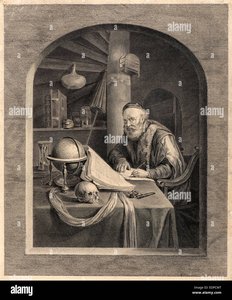
jacques firmin beauvarlet
1731 - 1797 , France
基本情報
- Artistic Movement Or Style: Neoclassical
- Artists Or Movements Influenced By This Artist: ['Nattier portraits']
- Artists Who Influenced This Artist:
- Laurent Cars
- Charles Dupuis
- Date Of Birth: 1731, Abbeville
- Date Of Death: 1797, Paris
- Full Name: Jacques Firmin Beauvarlet
- Nationality: French
- Notable Artworks:
- The Comtesse du Barry
- Rape of Europa
- Place Of Birth: Abbeville, France
関連記事
Echoes of Olympus: Mythological Narratives in Western Art Through the Ages
Explore the captivating history of mythological narratives in Western art! From ancient Greece to modern masterpieces, discover iconic artworks & symbolism. Expert analysis and high-quality reproductions at ArtsDot.
神話と個人的な象徴が織りなす世界:油絵による自己の神話の表現
油絵で自己の神話を表現しませんか?象徴主義、色彩心理学、構図など専門的な知識を基に、内面世界を深掘りするアート作品をご提案。高級美術品からカスタムオーダーまで、ArtsDotがあなたの創造性をサポートします。
Guido Reni: A Study in Baroque Classicism & Artistic Perfection
Explore the life & work of Guido Reni, a master of Baroque classicism. Discover his iconic religious & mythological paintings, and understand his enduring influence on art history. Expert analysis for collectors.
エドワード・ホッパー傑作25選:アメリカの孤独と光影の世界 | ArtsDot
エドワード・ホッパーの傑作25選。アメリカ絵画を代表するモダンアート、孤独と光影の世界を紐解きます。名画「Nighthawks」や「ハウス・バイ・ザ・レールロード」など、美術史に残る作品群をArtsDotで高品質複製画としてお楽しみください。インテリアに深みを与えるアートプリントも多数。今すぐコレクションをご覧ください。
エゴン・シーレ傑作25選:魂を揺さぶる表現主義の世界 | ArtsDot
エゴン・シーレの傑作25選。表現主義を代表するオーストリアの画家、その魂を揺さぶる人物画や自画像の世界へ。ArtsDotで名画の複製画とインテリアアートをお楽しみください。コレクションを見る▶

