

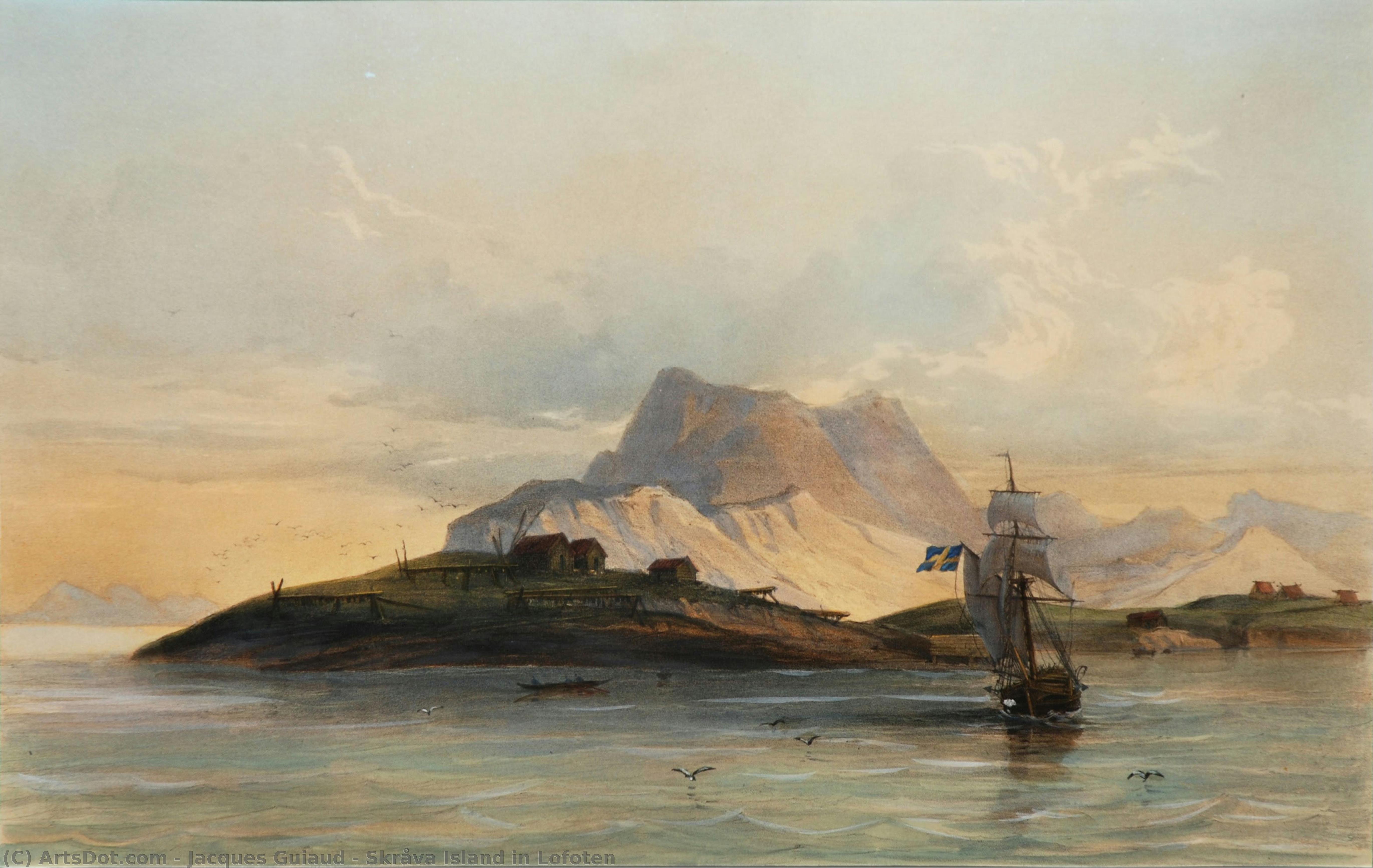
 プレビュー
プレビュー
 シェアする
シェアする シェアする
シェアする
 詳細を見る
詳細を見る

 ダウンロード
 似ている作品
 X線調査
X線調査 スライドショー
 統計情報
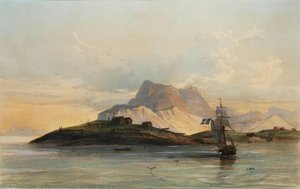
統計情報Skråva Island in Lofoten
 Romanticism
 27.0 x 40.0 cm
 Nordnorsk Kunstmuseum
 詳細を見る
詳細を見る
オンラインプレビューをはるかに凌ぐ、高解像度で鮮明なデジタル画像をご購入いただけます。
各ファイルは、社内の専門家が高度なツールと熟練した手作業によるレタッチを用いて、細心の注意を払って準備されています。すべての画像において、卓越した鮮明度、正確な色彩再現性、そして繊細なディテールを保証いたします。
最終ファイルは、プロフェッショナルな編集・印刷環境ですぐにご利用いただけるよう最適化された状態で、72時間以内にメールにてお届けいたします。これは、一流のデザインスタジオ、出版社、ギャラリーから信頼されているものと同等の品質です。
デジタルアート
個人での鑑賞、印刷、クリエイティブなプロジェクト用に、高解像度ファイルをダウンロードできます。 ( プリント版に切り替え 手描きの絵画を購入)
デジタル画像のご注文に付随する特典
高品質なデジタル画像配信を、確かな品質で。
ArtsDot.com を選ぶことは、単に画像を手に入れることではありません。それは、プロの手によって精密に仕上げられ、満足保証が付いた高品質なデジタルアートワークを受け取ることを意味します。ご注文いただいた際に自動的に付随する内容は、以下の通りです:

メールですぐにお届け
ご注文から72時間以内に、高解像度のデジタル画像ファイルがメールでお手元に届きます。すぐにそのままご利用いただけます。

AI技術で最適化されたデジタルファイル
お客様の作品は、高度なAIツールと専門家による手作業の編集を組み合わせてプロフェッショナルに最適化されており、細部のディテール、鮮明さ、そして正確な色再現性を最大限に引き出しています。

一生涯無料の再送サービス
ファイルを誤って削除したり、紛失してしまったりしましたか?ご安心ください。いつでも無料で再送いたします。

輸入手数料は一切かかりません
関税や手数料、配送料を気にすることなく、お気に入りのアートワークをすぐにお楽しみいただけます。デジタルダウンロードは常に免税です。

色彩再現の保証
プロ仕様のツールとカラーマネジメント技術を用いることで、デジタル画像が元の色を最大限に忠実に再現することを保証いたします。

100日間満足保証
ご購入いただいたデジタル画像にご満足いただけない場合は、100日以内であれば、理由を問わず修正または100%の返金対応をさせていただきます。

100% 返金保証
ご満足いただけない場合は、デジタルファイルを受け取ってから100日以内であれば、理由を問わず全額返金いたします。

まとめ買い割引
3枚購入で10%OFF - 5枚購入で15%OFF - 10枚以上購入で20%OFF。クリエイティブなプロジェクト、ギャラリー、エージェンシーに最適です。
関連作品

作家の略歴
Jacques Guiaud: A Parisian Observer of a Changing World
Born in the mountainous region of Chambéry in 1810, Jacques Guiaud’s artistic journey was inextricably linked to his family history and the vibrant cultural currents flowing through France during the 19th century. His father, Joseph-François Guiaud, was a respected actor with the prestigious Sociétaires of the Comédie-Française – a lineage that instilled in young Jacques an appreciation for performance and storytelling. His mother, Marie-Louise-Victoire de Brecq, possessed artistic talent herself, providing him with his initial exposure to the world of art. This unique blend of theatrical heritage and familial artistry shaped Guiaud’s perspective, imbuing his work with a keen eye for detail, dramatic composition, and an understanding of human emotion – qualities that would become hallmarks of his distinctive style.
Early training under the guidance of Louis Étienne Watelet and Léon Cogniet in Paris laid the foundation for his technical skills. However, Guiaud’s artistic development was profoundly influenced by Jules Dupré, a landscape painter known for his atmospheric depictions of the French countryside. Dupré's emphasis on capturing fleeting moments of light and color instilled in Guiaud a sensitivity to nature that would inform his later work, particularly his landscapes and cityscapes. In 1834, he received a significant commission – the creation of seven historical tableaux to adorn the opulent Empire Rooms at the Château de Versailles. This prestigious undertaking demonstrated his burgeoning talent and established him as a rising star within the Parisian art scene.
A Painter of Historical Scenes and Urban Landscapes
Guiaud’s oeuvre is remarkably diverse, encompassing historical scenes, evocative landscapes, and meticulously rendered cityscapes. He possessed a particular fascination with capturing pivotal moments in French history – events like Napoleon's funeral procession, immortalized in his powerful painting “Funerailles de l’Empereur” (1840), which vividly portrays the solemnity and grandeur of the occasion. This work, alongside depictions of the inauguration of statues such as that of Duquesne in 1844, showcases his ability to blend historical accuracy with dramatic composition. His cityscapes, particularly those of Paris, are equally compelling, offering intimate glimpses into the bustling life of the capital – scenes brimming with activity and reflecting the dynamism of a rapidly changing nation.
Beyond these grand historical subjects, Guiaud excelled in capturing the beauty of the French countryside and the charm of its towns. His watercolors, in particular, reveal a delicate touch and an appreciation for subtle nuances of light and color. These works often depict idyllic landscapes – rolling hills, serene rivers, and picturesque villages – imbued with a sense of tranquility and timelessness. His travels throughout Europe—to Italy, Switzerland, Belgium, Germany, Denmark, Spain, and Mallorca—provided him with a wealth of subject matter and broadened his artistic horizons.
The Influence of Travel and Patronage
Guiaud’s extensive travels were not merely for pleasure; they served as a crucial source of inspiration and contributed significantly to the evolution of his style. He frequently painted scenes from his journeys, capturing the unique character of each location – from the majestic landscapes of Italy to the vibrant streets of Venice. His work was particularly sought after by wealthy foreign visitors who flocked to the Côte d'Azur during the 19th century, eager to acquire authentic depictions of their holiday destinations. Princess Sophie of Sweden commissioned several works from him, further solidifying his reputation as a respected artist and a favored portraitist.
Furthermore, Guiaud’s artistic career was supported by influential patrons, including King Louis-Philippe I, who purchased “The Pas-Bayard at Dinant.” This patronage provided him with financial stability and access to prestigious exhibitions – the Salons – where he regularly showcased his work. His consistent participation in these events ensured that his art reached a wide audience and contributed to his growing recognition within the artistic community.
Legacy and Recognition
Despite not achieving the same level of fame as some of his contemporaries, Jacques Guiaud left behind a significant body of work that offers valuable insights into 19th-century French art and culture. His meticulous attention to detail, dramatic compositions, and evocative depictions of historical events, landscapes, and cityscapes continue to captivate viewers today. His paintings are held in museums throughout France, including the Musée Carnavalet, which houses seven of his works depicting scenes from the Siege of Paris. Jacques Guiaud’s legacy endures as a testament to the enduring power of observation, artistic skill, and the ability to capture the spirit of a changing world through the lens of paint.
jacques guiaud
1810 - 1876
プロフィール概要
- Artistic Movement Or Style: Landscape/Cityscapes
- Artists Or Movements Influenced By This Artist: ['Impressionism (influence)']
- Artists Who Influenced This Artist:
- Louis Étienne Watelet
- Léon Cogniet
- Jules Dupré
- Date Of Birth: 1810
- Date Of Death: 1876
- Full Name: Jacques Guiaud
- Nationality: French
- Notable Artworks:
- Funerailles de l'Empereur
- Inauguration statue Duquesne
- L'Escalier des Géants Venise
- Place Of Birth: Chambéry, France