

 プレビュー
プレビュー
 プリントを購入
 シェアする
シェアする シェアする
シェアする
 詳細を見る
詳細を見る

 ダウンロード
 似ている作品
 X線調査
X線調査 スライドショー
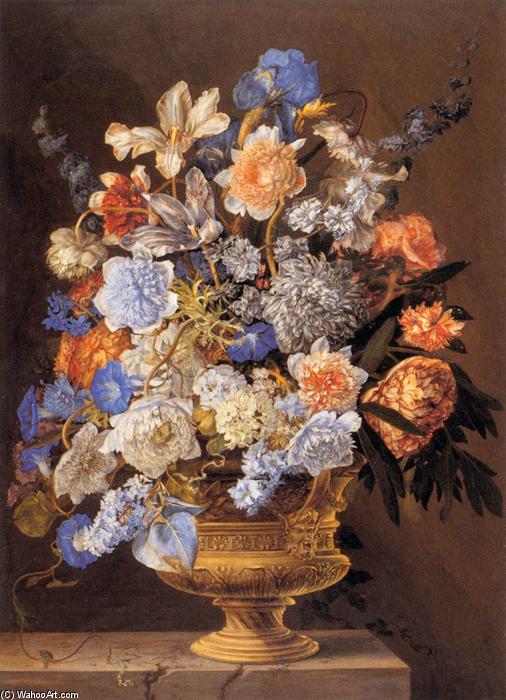
Bouquet of Flowers


 詳細を見る
詳細を見る




P118B $10

P118H $10

P118W $10

P438Z $10

P508JH $12

P508YH $12

P805H $10

P805Z $10

P919BZ $10

P919G $10

P919XJ $10

P959ZH $10

P968JZ $12

W106C $8

W218G $10

W218JH $8

W218Y $10

W307PJ $10

W316G $10

W316PJ $8

W316Y $10

W398PJ $8

W4111J $10

W500HY $15

W500JH $15

W692G $12

W849H $8

W940BG $15

W953PJ $8




作品のオリジナル比率に合わせた、当店の規定サイズからお選びください。

特定のフレームやスペースに合わせて、ご希望のサイズをご入力いただけます。選択されたサイズが元の画像の比率と異なる場合、アートワークをトリミングするか、手描きで要素を追加して絵画を拡張いたします。デジタルモックアップ を制作し、制作開始前にご確認(承認)をいただきます。
画面上のプレビューは、実際のトリミングや拡張を正確に反映しているものではありません。最終的な構図は、モックアップによってのみ正確にご確認いただけます。
カスタムサイズもご利用いただけますが、元の比率を維持するためには、あらかじめ用意されたリストからサイズを選択することをお勧めいたします。
ご注文後、ArtsDot.com チームより詳細な指示をお送りするとともに、仕上がりイメージ(モックアップ)をご提供いたします。


 ガラスオプションは、110cm未満のサイズでのみご利用いただけます。

Bouquet of Flowers
複製技法
複製画のサイズ
-


合計金額
$ 263
A Symphony in Bloom: Exploring Jacques II Bailly's Bouquet of Flowers
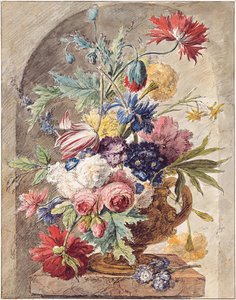
To gaze upon "Bouquet of Flowers" is to step directly into the opulent, meticulously curated world of 18th-century Parisian elegance. This stunning still life by Jacques II Bailly is far more than a mere arrangement of blossoms; it is a vibrant meditation on transient beauty and enduring artistry. The composition immediately draws the eye to the magnificent cluster of blooms spilling from an ornate golden vase, resting upon a dark, grounding wooden table. From its very essence, the painting whispers tales of aristocratic leisure and the profound appreciation for natural perfection that characterized life in the French capital.
Mastery of Light and Petal: Technique and Realism
Bailly’s technical prowess is breathtaking to behold. The artist achieved a level of realism that makes the flowers seem impossibly alive, as if one could reach out and pluck a dew-kissed petal. Observe how the light plays across the surfaces—the subtle sheen on the golden vase contrasts beautifully with the velvety texture suggested in the deep reds of the roses and the delicate translucency of the lilies. The use of gouache on paper allows for an exquisite control over shading and highlight, giving every element a palpable three-dimensionality. It is this masterful handling of light, allowing soft pinks and crisp whites to coexist with deeper blues and greens, that elevates the piece from simple depiction to near-photographic illusion.
The Language of Flowers: Symbolism in Still Life
In the tradition of Dutch and French still life painting, every element carries symbolic weight. The bouquet itself is a classic *vanitas* motif, reminding us of life's fleeting nature—the perfect bloom will inevitably fade. Yet, Bailly captures this transience with such vibrancy that it becomes an ode to life’s peak moments. Roses often speak of love, lilies of purity, and the varied hues suggest a rich tapestry of emotions. The inclusion of lush green foliage grounds the piece in nature's enduring cycle, offering both beauty and philosophical depth to the modern viewer.
A Touch of Baroque Grandeur for Your Space
For those seeking to infuse a room with historical gravitas and unparalleled artistry, this reproduction offers an immediate focal point. The rich contrast between the vibrant floral palette and the dark background lends itself beautifully to various interior décors, from neoclassical drawing rooms to modern minimalist spaces that crave a touch of curated history. Owning or displaying a piece inspired by "Bouquet of Flowers" is not just decorating; it is curating an atmosphere—one steeped in the refined taste and enduring romance of 18th-century French artistry.
関連作品
アーティストの略歴
The Botanical Visionary of the French Baroque
Jacques II Bailly (1629 – 1679) stands as a singular figure in the artistic landscape of late seventeenth-century France, renowned primarily for his captivating floral still lifes that captured the opulent spirit of Parisian aristocratic society. Unlike many artists of his era preoccupied with grand narratives or mythological themes, Bailly dedicated himself to meticulously rendered depictions of flowers—roses, lilies, orchids—transforming them into symbols of beauty, virtue, and refined taste. His work represents a remarkable testament to the burgeoning interest in scientific observation alongside artistic expression during the Baroque period.
Born in Paris, Bailly’s upbringing instilled within him an appreciation for both art and botany. He received a formal education emphasizing classical studies and mathematics—skills crucial for accurately representing natural forms with precision. This intellectual grounding profoundly shaped his artistic approach, informing his meticulous attention to detail and fostering a deep understanding of botanical anatomy. His early training under Nicolas Boutet de Valois, a celebrated painter and botanist himself, cemented his connection to the scientific world and established him as an exemplar of the humanist ideal prevalent at the time.
A Royal Patronage and the Splendor of Versailles
Bailly’s artistic career blossomed during the reign of Louis XIV, arguably France’s most influential monarch—a period characterized by lavish court ceremonies and an obsession with grandeur. Recognizing Bailly's talent, Louis XIV commissioned numerous paintings for Versailles, solidifying his reputation as one of the era’s foremost floral artists. These commissions demanded exceptional skill in capturing the ephemeral beauty of flowers, necessitating painstaking preparation and execution. Bailly skillfully employed techniques honed through years of observation—drawing sketches from life and dissecting specimens under magnification to ensure every petal and stamen was rendered with absolute fidelity.
The artist's ability to marry the scientific with the decorative allowed him to thrive within the French court. His work often served as a mirror to the prestige of the monarchy, where the controlled beauty of a garden or a bouquet reflected the ordered magnificence of the state. Through his mastery, the fleeting life of a blossom was granted a form of immortality, preserved forever in the halls of power.
Technique, Symbolism, and the Vanitas Tradition
To gaze upon a work by Jacques II Bailly is to step directly into the opulent, meticulously curated world of seventeenth-century Parisian elegance. His technical prowess was breathtaking; he achieved a level of realism that makes his flowers seem impossibly alive, as if one could reach out and pluck a dew-kissed petal. He utilized light with extraordinary sensitivity, allowing a subtle sheen on a golden vase to contrast beautifully with the velvety texture of deep red roses or the delicate translucency of lilies. Whether working in oil, etching, or gouache, his control over shading and highlight gave every element a palpable three-dimensionality.
Beyond mere decoration, Bailly’s compositions were steeped in the rich language of symbolism common to the vanitas tradition. In these works, every element carries a weight of meaning:
- Roses: Often serving as emblems of love and passion, yet their inevitable wilting reminded viewers of the passage of time.
- Lilies: Representing purity and virtue, providing a spiritual counterpoint to the material luxury of the arrangements.
- The Bouquet as a Whole: A meditation on transient beauty, reminding the observer that even the most magnificent bloom is subject to decay.
Through this delicate balance of botanical accuracy and profound allegory, Bailly elevated the still life genre. His legacy remains that of a master who could capture the very essence of life's peak moments, freezing the ephemeral splendor of nature within the enduring frame of fine art.
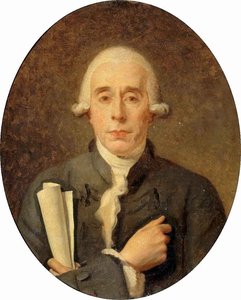
jacques ii bailly
1629 - 1679 , France
基本情報
- Artistic Movement Or Style: Baroque
- Artists Or Movements Influenced By This Artist: ['Dutch Baroque']
- Artists Who Influenced This Artist:
- Peter Paul Rubens
- Rembrandt
- Date Of Birth: 1629
- Full Name: Jacques II Bailly
- Nationality: French
- Notable Artworks:
- Floral Still Life
- Portrait
- Place Of Birth: Paris, France
関連記事
Blossoms of Time: A Historical & Aesthetic Exploration of Floral Painting Across Cultures
Explore the rich history of floral painting! Discover symbolism, techniques & masterpieces from Van Huysum to O'Keeffe. Expert insights for art lovers & collectors at ArtsDot.
Blossoms of Time: A Historical Journey Through Flower Painting
Explore the captivating history of flower painting! Discover Dutch masters, symbolic meanings, & botanical art. Expert insights & high-quality reproductions at ArtsDot.
Blossoming Symbolism: A Historical Journey Through Flowers in Western Painting
Explore the rich history of flower symbolism in Western painting! Discover how artists from the Renaissance to Modernism used blossoms to convey meaning, emotion & beauty. Learn about iconic artworks and movements.
Silent Narratives: Exploring the Enduring Appeal of Still Life Painting Across Centuries
Explore the rich history of still life painting with ArtsDot. Discover Dutch Masters, decode vanitas symbolism & learn about collecting timeless art. Expert insights and museum-quality reproductions.
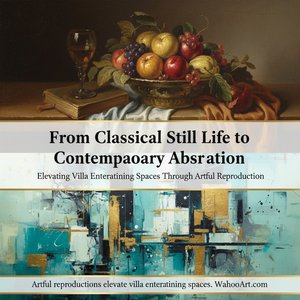
古典的静物画から現代抽象まで:ヴィラでのエンターテイメント空間を格上げする美術複製の世界
ルネサンスから現代アートまで、高品質な美術複製をArtsDot.comで。静物画、ヴァニタス、抽象絵画など、ヴィラ空間を格上げする一点を見つけましょう。カスタムメイドやアートアドバイザーによる無料相談も。

