

 プレビュー
プレビュー
 プリントを購入
 シェアする
シェアする シェアする
シェアする
 詳細を見る
詳細を見る

 ダウンロード
 似ている作品
 X線調査
X線調査 スライドショー
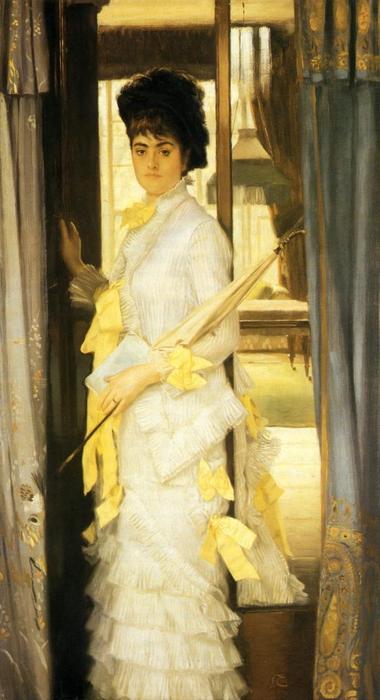
Portrait of Miss Lloye


 詳細を見る
詳細を見る




P118B $10

P118H $10

P118W $10

P438Z $10

P508JH $12

P508YH $12

P805H $10

P805Z $10

P919BZ $10

P919G $10

P919XJ $10

P959ZH $10

P968JZ $12

W106C $8

W218G $10

W218JH $8

W218Y $10

W307PJ $10

W316G $10

W316PJ $8

W316Y $10

W398PJ $8

W4111J $10

W500HY $15

W500JH $15

W692G $12

W849H $8

W940BG $15

W953PJ $8




作品のオリジナル比率に合わせた、当店の規定サイズからお選びください。

特定のフレームやスペースに合わせて、ご希望のサイズをご入力いただけます。選択されたサイズが元の画像の比率と異なる場合、アートワークをトリミングするか、手描きで要素を追加して絵画を拡張いたします。デジタルモックアップ を制作し、制作開始前にご確認(承認)をいただきます。
画面上のプレビューは、実際のトリミングや拡張を正確に反映しているものではありません。最終的な構図は、モックアップによってのみ正確にご確認いただけます。
カスタムサイズもご利用いただけますが、元の比率を維持するためには、あらかじめ用意されたリストからサイズを選択することをお勧めいたします。
ご注文後、ArtsDot.com チームより詳細な指示をお送りするとともに、仕上がりイメージ(モックアップ)をご提供いたします。


 ガラスオプションは、110cm未満のサイズでのみご利用いただけます。

Portrait of Miss Lloye
複製技法
複製画のサイズ
-


合計金額
$ 263
作品解説
Portrait of Miss Lloyd: A Glimpse into Victorian Society
James Jacques Joseph Tissot’s “Portrait of Miss Lloyd,” painted in 1876, isn't merely a likeness; it’s a meticulously crafted window into the refined world of late Victorian England. This captivating work, currently residing within the hallowed halls of the Tate Gallery in London, transcends the simple act of portraiture to become a study of social grace, subtle emotion, and the burgeoning influence of Impressionistic techniques on academic painting. Tissot, a master observer of his time, skillfully captures not just Miss Lloyd’s physical appearance but also the atmosphere of her era – a period defined by elegance, restraint, and a growing fascination with leisure and fashion.
The painting immediately draws the eye to its subject, a young woman radiating an understated confidence. Dressed in a flowing white gown adorned with a delicate yellow bow—a detail that subtly echoes the fashionable trends of the time—she holds a tennis racket, suggesting a life filled with social engagements and pursuits beyond the confines of domesticity. However, it’s not just her attire that speaks volumes; Tissot's masterful use of light and shadow creates a sense of depth and volume, highlighting the contours of her face and hands with remarkable precision. The subtle blush on her cheeks hints at a fleeting emotion—perhaps amusement, perhaps contemplation—while her gaze is direct yet gentle, inviting the viewer into her world.
The Impressionistic Touch in a Traditional Style
While firmly rooted in the academic traditions of portraiture, “Portrait of Miss Lloyd” reveals Tissot’s growing embrace of Impressionism. He employs loose brushstrokes and a vibrant palette to capture the play of light on her dress and skin, moving away from the smooth, polished surfaces favored by earlier generations of artists. Notice how he uses broken color—small dabs of paint layered upon each other—to create an illusion of shimmering fabric and atmospheric depth. This technique, borrowed from Impressionist masters like Degas and Monet, adds a remarkable sense of immediacy and vitality to the painting, transforming it from a static representation into a dynamic moment in time.
Furthermore, Tissot’s attention to detail is astonishing. He meticulously renders every fold of fabric, every strand of hair, and every expression on Miss Lloyd's face. Yet, he does so with an almost effortless grace, avoiding the overly fussy or labored appearance that can sometimes plague academic portraiture. This delicate balance between technical skill and artistic freedom is what makes “Portrait of Miss Lloyd” such a compelling work of art.
A Window into Victorian Life
Beyond its aesthetic qualities, "Portrait of Miss Lloyd" offers valuable insights into the social customs and values of Victorian England. The tennis racket—a symbol of leisure and recreation—indicates that women were increasingly participating in public life outside the home. The elegant setting, reminiscent of a country estate or fashionable salon, reflects the growing emphasis on social gatherings and refined entertainment. Tissot’s painting captures this shift towards a more active and engaged female identity, subtly challenging traditional gender roles.
Adding to the historical context is the work's connection to James McNeill Whistler, who was a close friend of Tissot during this period. Whistler's influence on Tissot’s style can be seen in his focus on capturing fleeting moments and conveying atmosphere through color and light. The painting also reflects the broader cultural fascination with Japan at the time, evident in the subtle use of decorative motifs and the overall sense of exoticism.
Bringing “Portrait of Miss Lloyd” Home
Today, a high-quality reproduction of "Portrait of Miss Lloyd" is more than just a beautiful decoration; it’s an investment in art history. ArtsDot offers meticulously hand-painted reproductions that capture the essence of Tissot's original masterpiece, ensuring that you can enjoy this iconic work of art in your own home. Our artists utilize museum-quality materials and techniques to faithfully recreate every detail, from the delicate folds of Miss Lloyd’s gown to the subtle play of light on her face. Consider commissioning a custom size or framing options for a truly personalized experience. Explore our collection today and bring a touch of Victorian elegance into your space.
関連作品
アーティストの略歴
Early Life and Artistic Beginnings
ジャック・ジョゼフ・ティソは、フランスのナントで1836年生まれました。彼の父親は織物商人であり、息子に職人技法と細部へのこだわりを instilledしました。母親は帽子屋であり、息子にパリ社会の鮮やかな世界への感受性を育み、芸術的なビジョンを形成する上で重要な役割を果たしました。家庭的な責任にもかかわらず、ティソは絵画という職業に情熱を注ぎ込み、イグレスやフランドランなどの著名な指導者のもとでパリのエコール・デ・ボワズールに通い、彼のスキルを磨きました。この formative な時期は、芸術へのコミットメントを確固たるものとし、彼を影響力のあるパリ美術環境の中に確立しました。The Salon Years and Recognition
ティソのパリサロンでのデビューは重要な転換点でした。「ファウストとマルガリータとの出会い」という劇的な絵画が披露され、批評家から広範な称賛を受け、観客を魅了しました。この絵画はフランス国家によってルーブル美術館に掲載されるように購入され、複雑な物語を捉え、感情を表現できる画家としての彼の評判を高めました。サロンでの後続の展覧会は彼のスタイルを確立し、著名なパトロンからの依頼を引き寄せました。彼の初期の成功は自信を鼓舞し、彼は新しい主題と技術を探求する道を歩み始めました。これは彼が絵画という職業に情熱を注ぎ込んだ上で重要な役割を果たした軌跡でした。Genre Painting and Parisian Society
ティソの芸術的なブレイクスルーは、「ラ・フェム ア パリ」シリーズで訪れました。この絵画シリーズは、ヴィクトリア朝時代のパリ社会におけるデミモンダの世界を詳細に観察したものでした。これらの絵画は特にテキスタイルの質感を巧みに表現することで特徴づけられ、観客を魅了しました。ティソの細部へのこだわりは単なる視覚的な表現を超えていました。彼は登場人物の外見だけでなく、心理的なニュアンスも捉えようとし、彼の主題が抱く不安と願望を反映させました。彼の作品は印象主義の影響を受けたリアリズムを融合させたものであり、ヴィクトリア朝社会の習慣と芸術的感覚へのユニークな洞察を提供しています。Biblical Themes and Japonisme
ティソは彼の豊かな作品の中で多様な芸術的なインスピレーションを受け入れました。聖書的なテーマからミケネ文明まで幅広い主題を扱いました。彼は宗教的な絵画において霊的な深さと感情的な響きを表現することができ、彼のスキルは視覚的な物語を崇拝へと昇華させました。同時に彼は日本の美学に魅了され、アシンメトリーな構成と日本の版画のような微妙な色彩調和が特徴の作品に日本美術の影響を受けました。このスタイル融合はティソの知的好奇心を示し、革新的な芸術的アプローチを試みることを恐れませんでした。Later Years and Legacy
ティソはフランス・プロイセン戦争に参加し、フランス軍に配属されました。戦争終結後彼はロンドンに移住し、シエームール・ハデンと協力して彫刻を行い、彼のスキルを洗練させました。彼はカトリーン・ニュートンと情熱的な関係を築き上げ、彼の作品に永続的なインスピレーションを与えました。ニュートンは1882年に病気で亡くなり、ティソにとって深い喪失でした。この悲しい章にもかかわらず彼は傑出した芸術作品を作り続け、彼の死まで生き延びました。今日ジャック・ジョゼフ・ティソの遺産はヨーロッパとアメリカの美術館にあります。特にパリにあるジャン=オーギュスト・ヘンナー国立美術館で彼の有名な絵画は芸術的な卓越性とヴィクトリア朝生活と信仰への感動的な描写のために賞賛されています。彼はフランスの19世紀最高のアーティストの一人として歴史に名を刻みました。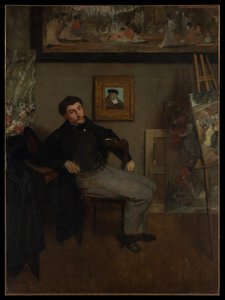
ジャック・ジョゼフ・ティソット
1836 - 1902 , フランス
基本情報
- Artistic Movement Or Style: ジャンルペインティング
- Artists Or Movements Influenced By This Artist: ['印象派']
- Artists Who Influenced This Artist:
- ジャン=オーギュスト・ドラクロワ
- ジョージ・バッファロー・コーブ
- Date Of Birth: 1836年10月15日
- Date Of Death: 1902年8月8日
- Full Name: Jacques Joseph Tissot
- Nationality: フランス人
- Notable Artworks:
- ファウストとマルガリータの出会い
- パリの女性
- Place Of Birth: フランス ナンテス
関連記事
ジェームズ・マクニール・ホイストラー:至高の25選 - 美と調和を求めた芸術家の軌跡 | ArtsDot
ジェームズ・マクニール・ホイストラーの至高の25選。ノクターン、印象派、美しい色彩に満ちた作品群を紐解きます。ArtsDotで高品質なアートプリントとインテリアをお楽しみください。名画の世界へ – ArtsDot.com

Sir Alfred Munnings' Masterpieces: 25 Paintings That Define Equine Art | ArtsDot
Explore 25 iconic Sir Alfred Munnings paintings! Discover the beauty of British Impressionism, equine art & rural England. Find museum-quality reproductions and elevate your home decor with ArtsDot. Explore the full collection online.
Jacques Joseph Tissot: A Chronicle of Parisian Life & Narrative Evolution
Explore the captivating world of Jacques Joseph Tissot, a master painter of Belle Époque society. Discover his realism, Impressionistic style, and lasting influence on art history. Learn more at ArtsDot.
James Sant: Capturing Victorian Childhood & the Evolving Landscape of British Genre Painting
Explore the life & art of James Sant (1820-1916), renowned Victorian portraitist to Queen Victoria. Discover his captivating depictions of childhood, landscapes, and aristocratic society. Learn about his legacy & find fine art reproductions.
William James Müller: Navigating Victorian Sentiment & Realism in British Landscape Painting
Explore the captivating landscapes of William James Müller, the leading artist of the Bristol School. Discover his Victorian masterpieces, Egyptian travels & Lycian sketches – a journey through 19th-century art and technique.

