

 プレビュー
プレビュー
 シェアする
シェアする シェアする
シェアする
 詳細を見る
詳細を見る

 ダウンロード
 似ている作品
 X線調査
X線調査 スライドショー
 統計情報
統計情報The Return of the Prodigal Son
 Oil On Canvas
- WallArt
- Realism
 1862
1862- 19th Century
 205.0 x 115.0 cm
 詳細を見る
詳細を見る
ジークレー/アートプリント
迅速な制作と多彩な仕上げオプションを備えた、ミュージアムクオリティのジークレーまたはキャンバスプリント。 ( 手描きの絵画を購入 デジタル画像販売へ切り替え)




































作品のオリジナル比率に合わせた、当店の規定サイズからお選びください。

特定のフレームやスペースに合わせて、ご自身でサイズを指定することも可能です。選択されたサイズが元の画像の比率と一致しない場合、作品をトリミングするか、鏡面反射または単色での塗りつぶしによって画像を拡張いたします。制作を開始する前に、ご確認用のデジタルモックアップをお送りいたします。
画面上のプレビューには、実際のトリミングや拡張は反映されませんのでご注意ください。最終的な構図を正確に確認できるのは、モックアップのみとなります。
カスタムサイズも承っておりますが、元の比率を維持するためには、あらかじめ用意されたリストからサイズを選択することをお勧めいたします。


 ガラスオプションは、110cm未満のサイズでのみご利用いただけます。

The Return of the Prodigal Son
ジークレー/アートプリント
複製画のサイズ
-


合計金額
$ 62
A Moment of Profound Grace
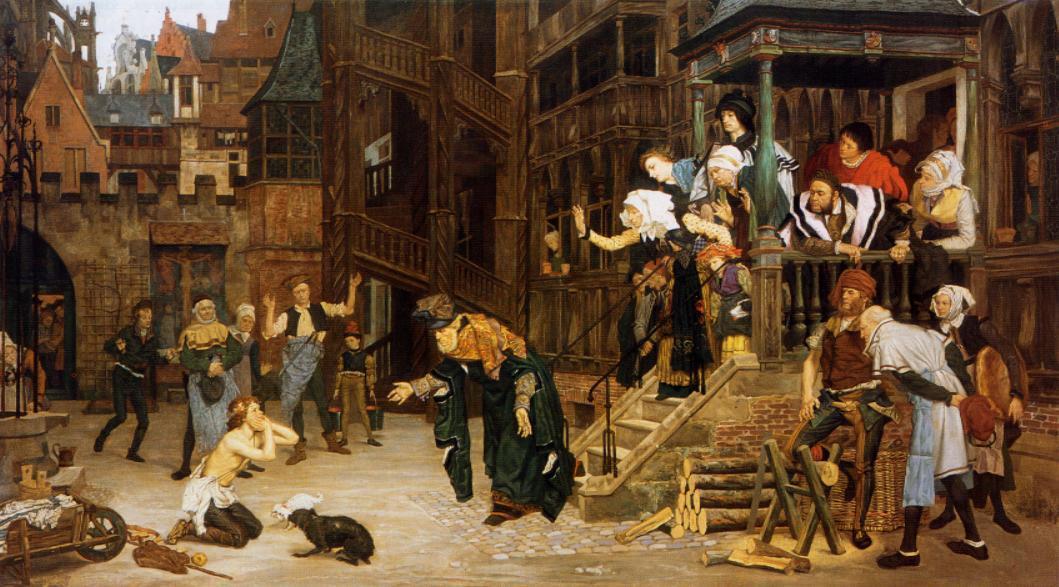
In the vast, evocative landscape of nineteenth-century Realism, few works capture the raw intersection of human vulnerability and spiritual redemption as poignantly as James Jacques Joseph Tissot’s The Return of the Prodigal Son. Painted in 1862, this monumental oil on canvas serves as a breathtaking window into a moment of profound emotional release. The scene unfolds with an almost cinematic intensity, drawing the viewer into a gathering where at least thirteen figures are caught in various states of contemplation, reverence, and observation. At the heart of this composition lies a man, fallen to his knees, his posture embodying the weight of his journey and the humility of his homecoming. The presence of a faithful dog near the center-left adds an unexpected layer of domestic warmth and grounded reality, anchoring the high drama of the biblical theme in a tangible, living world.
The technical mastery displayed in this piece is nothing short of extraordinary, making it a centerpiece worthy of the most discerning collections. Tissot utilizes the rich, versatile medium of oil on canvas to achieve a level of detail that breathes life into every fabric fold and facial expression. The large-scale dimensions of 205 x 115 cm allow the artist to command the space, creating an imposing presence that demands attention in any gallery or grand interior. Through his meticulous application of paint, Tissot achieves a lifelike texture that characterizes the Realism movement, where light and shadow dance across the figures to create depth and volume. For the collector or interior designer, this painting offers more than just visual beauty; it provides a structural anchor of sophistication, bringing a sense of historical weight and narrative complexity to a room.
Beyond its physical grandeur, the painting is a masterclass in symbolic storytelling. The attire of the central figure—a suit that suggests a formal or ceremonial context—contrasts with his humbled position, perhaps hinting at the loss of worldly status in exchange for spiritual rebirth. Tissot, a painter deeply influenced by the vibrant social fabric of Parisian life and trained under masters like Ingres, imbues this religious narrative with a contemporary psychological depth. The interplay between those standing in silent witness and those kneeling in prayer creates a rhythmic tension that guides the eye across the canvas. It is a work that speaks to the universal human experience of error, forgiveness, and the enduring hope of being welcomed home.
For those seeking to adorn their spaces with art that inspires deep reflection, a high-quality reproduction of this masterpiece offers an unparalleled opportunity. Whether placed in a quiet study or a grand salon, The Return of the Prodigal Son acts as a conversation piece that transcends time. It invites onlookers to pause, to look closer at the delicate brushwork, and to lose themselves in the timeless saga of compassion and connection. Owning such a work is not merely about decoration; it is about preserving a fragment of art history’s most moving emotional landscapes.
関連作品
アーティストの略歴
Early Life and Artistic Beginnings
ジャック・ジョゼフ・ティソは、フランスのナントで1836年生まれました。彼の父親は織物商人であり、息子に職人技法と細部へのこだわりを instilledしました。母親は帽子屋であり、息子にパリ社会の鮮やかな世界への感受性を育み、芸術的なビジョンを形成する上で重要な役割を果たしました。家庭的な責任にもかかわらず、ティソは絵画という職業に情熱を注ぎ込み、イグレスやフランドランなどの著名な指導者のもとでパリのエコール・デ・ボワズールに通い、彼のスキルを磨きました。この formative な時期は、芸術へのコミットメントを確固たるものとし、彼を影響力のあるパリ美術環境の中に確立しました。The Salon Years and Recognition
ティソのパリサロンでのデビューは重要な転換点でした。「ファウストとマルガリータとの出会い」という劇的な絵画が披露され、批評家から広範な称賛を受け、観客を魅了しました。この絵画はフランス国家によってルーブル美術館に掲載されるように購入され、複雑な物語を捉え、感情を表現できる画家としての彼の評判を高めました。サロンでの後続の展覧会は彼のスタイルを確立し、著名なパトロンからの依頼を引き寄せました。彼の初期の成功は自信を鼓舞し、彼は新しい主題と技術を探求する道を歩み始めました。これは彼が絵画という職業に情熱を注ぎ込んだ上で重要な役割を果たした軌跡でした。Genre Painting and Parisian Society
ティソの芸術的なブレイクスルーは、「ラ・フェム ア パリ」シリーズで訪れました。この絵画シリーズは、ヴィクトリア朝時代のパリ社会におけるデミモンダの世界を詳細に観察したものでした。これらの絵画は特にテキスタイルの質感を巧みに表現することで特徴づけられ、観客を魅了しました。ティソの細部へのこだわりは単なる視覚的な表現を超えていました。彼は登場人物の外見だけでなく、心理的なニュアンスも捉えようとし、彼の主題が抱く不安と願望を反映させました。彼の作品は印象主義の影響を受けたリアリズムを融合させたものであり、ヴィクトリア朝社会の習慣と芸術的感覚へのユニークな洞察を提供しています。Biblical Themes and Japonisme
ティソは彼の豊かな作品の中で多様な芸術的なインスピレーションを受け入れました。聖書的なテーマからミケネ文明まで幅広い主題を扱いました。彼は宗教的な絵画において霊的な深さと感情的な響きを表現することができ、彼のスキルは視覚的な物語を崇拝へと昇華させました。同時に彼は日本の美学に魅了され、アシンメトリーな構成と日本の版画のような微妙な色彩調和が特徴の作品に日本美術の影響を受けました。このスタイル融合はティソの知的好奇心を示し、革新的な芸術的アプローチを試みることを恐れませんでした。Later Years and Legacy
ティソはフランス・プロイセン戦争に参加し、フランス軍に配属されました。戦争終結後彼はロンドンに移住し、シエームール・ハデンと協力して彫刻を行い、彼のスキルを洗練させました。彼はカトリーン・ニュートンと情熱的な関係を築き上げ、彼の作品に永続的なインスピレーションを与えました。ニュートンは1882年に病気で亡くなり、ティソにとって深い喪失でした。この悲しい章にもかかわらず彼は傑出した芸術作品を作り続け、彼の死まで生き延びました。今日ジャック・ジョゼフ・ティソの遺産はヨーロッパとアメリカの美術館にあります。特にパリにあるジャン=オーギュスト・ヘンナー国立美術館で彼の有名な絵画は芸術的な卓越性とヴィクトリア朝生活と信仰への感動的な描写のために賞賛されています。彼はフランスの19世紀最高のアーティストの一人として歴史に名を刻みました。
ジャック・ジョゼフ・ティソット
1836 - 1902 , フランス
基本情報
- Artistic Movement Or Style: ジャンルペインティング
- Artists Or Movements Influenced By This Artist: ['印象派']
- Artists Who Influenced This Artist:
- ジャン=オーギュスト・ドラクロワ
- ジョージ・バッファロー・コーブ
- Date Of Birth: 1836年10月15日
- Date Of Death: 1902年8月8日
- Full Name: Jacques Joseph Tissot
- Nationality: フランス人
- Notable Artworks:
- ファウストとマルガリータの出会い
- パリの女性
- Place Of Birth: フランス ナンテス
関連記事

Oil on Canvas: A Historical & Technical Exploration of a Timeless Artistic Medium
Explore the rich history & enduring techniques of oil painting on canvas. Discover the science behind its longevity, conservation practices, and contemporary relevance. Expert insights for art enthusiasts.

The Enduring Legacy of Oil on Canvas: Technique, History & Aesthetic Impact
Explore the rich history & techniques of oil painting – from Renaissance masters to Impressionism. Discover pigments, layering methods, and why this timeless medium endures. Expert insights for artists & art enthusiasts.

油彩のキャンバス:技法、歴史、そして現代の実践 - 古典美術愛好家へ
油彩の技法、歴史、巨匠たちの秘密を徹底解説。古典美術愛好家向けに、初期フランドル絵画から現代の実践まで深く掘り下げます。ArtsDotで高品質な複製画やカスタムオーダーも承ります。

Sir Alfred Munnings' Masterpieces: 25 Paintings That Define Equine Art | ArtsDot
Explore 25 iconic Sir Alfred Munnings paintings! Discover the beauty of British Impressionism, equine art & rural England. Find museum-quality reproductions and elevate your home decor with ArtsDot. Explore the full collection online.
ジェームズ・マクニール・ホイストラー:至高の25選 - 美と調和を求めた芸術家の軌跡 | ArtsDot
ジェームズ・マクニール・ホイストラーの至高の25選。ノクターン、印象派、美しい色彩に満ちた作品群を紐解きます。ArtsDotで高品質なアートプリントとインテリアをお楽しみください。名画の世界へ – ArtsDot.com