

 プレビュー
プレビュー
 シェアする
シェアする シェアする
シェアする
 詳細を見る
詳細を見る

 ダウンロード
 似ている作品
 X線調査
X線調査 スライドショー
 統計情報
統計情報Lutte de jacob avec l'ange, (1932)

 詳細を見る
詳細を見る
手描き油彩複製画
当社のアーティストが、お客様のご希望のサイズと額縁に合わせて、キャンバスに手描きで制作する油彩画です。 ( プリント版に切り替え デジタル画像販売へ切り替え)




































作品のオリジナル比率に合わせた、当店の規定サイズからお選びください。

特定のフレームやスペースに合わせて、ご希望のサイズをご入力いただけます。選択されたサイズが元の画像の比率と異なる場合、アートワークをトリミングするか、手描きで要素を追加して絵画を拡張いたします。デジタルモックアップ を制作し、制作開始前にご確認(承認)をいただきます。
画面上のプレビューは、実際のトリミングや拡張を正確に反映しているものではありません。最終的な構図は、モックアップによってのみ正確にご確認いただけます。
カスタムサイズもご利用いただけますが、元の比率を維持するためには、あらかじめ用意されたリストからサイズを選択することをお勧めいたします。
ご注文後、ArtsDot.com チームより詳細な指示をお送りするとともに、仕上がりイメージ(モックアップ)をご提供いたします。


 ガラスオプションは、110cm未満のサイズでのみご利用いただけます。

Lutte de jacob avec l'ange, (1932)
複製技法
複製画のサイズ
-


合計金額
$ 263
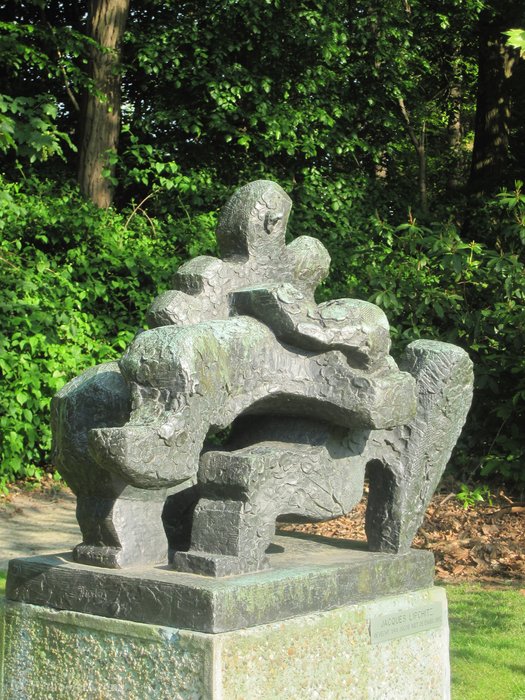
A Dynamic Encounter: Jacques Lipchitz's "Lutte de Jacob avec l'ange" (1932)
This striking bronze sculpture, “Lutte de jacob avec l’ange,” created in 1932 by the renowned Cubist sculptor Jacques Lipchitz, captures a moment of intense spiritual and physical struggle. The work depicts a stylized representation of the biblical story from Genesis where Jacob wrestles with an angel, a pivotal event symbolizing perseverance, faith, and divine blessing. While abstracting the figures, Lipchitz retains a powerful sense of movement and tension, inviting viewers to contemplate the profound themes embedded within this ancient narrative. The sculpture’s presence is commanding, its textured surface and angular forms creating a visually arresting experience.Cubist Influences & Artistic Technique
Lipchitz's artistic journey was deeply rooted in Cubism, a revolutionary movement that fragmented objects and reassembled them from multiple viewpoints. However, unlike some of his contemporaries who embraced complete abstraction, Lipchitz maintained a connection to figuration throughout his career. "Lutte de jacob avec l’ange" exemplifies this unique approach – the figures are recognizable as human and angelic forms, yet rendered through a lens of geometric simplification and angular distortion characteristic of Cubist aesthetics. The sculpture was created using the *lost-wax casting* technique, a traditional bronze sculpting method that allows for intricate detail and textural complexity. The rough, matte surface of the bronze further enhances the work's tactile quality and contributes to its overall sense of dynamism. Notice how the interplay of light and shadow across the textured metal emphasizes the figures’ struggle and creates visual interest.Historical Context & Lipchitz's Life
Created in 1932, this sculpture reflects a period of significant personal and global upheaval for Lipchitz. Born in Lithuania and having established himself as a prominent artist in Paris, he was forced to flee Europe with the rise of Nazism, eventually settling in New York City. This experience profoundly impacted his work, leading him to explore themes of displacement, resilience, and spiritual searching. While this particular sculpture predates his full immersion into Jewish thematic explorations, it can be seen as a precursor to later works that grapple with identity and faith amidst adversity. The early 1930s witnessed a broader shift in artistic expression towards abstraction and experimentation, and Lipchitz’s work stands as a compelling example of this evolving landscape.Symbolism & Emotional Impact
Beyond the literal depiction of the biblical story, "Lutte de jacob avec l'ange" resonates with universal themes of struggle, transformation, and divine encounter. The intertwined forms suggest not only physical combat but also a deeper spiritual wrestling – a battle within oneself to overcome obstacles and achieve enlightenment. The sculpture evokes a sense of raw energy and emotional intensity. While the figures are abstracted, their postures convey determination, pain, and ultimately, a profound connection with something greater than themselves. The viewer is invited to contemplate the nature of faith, perseverance, and the enduring human quest for meaning in a complex world. This piece isn't merely an artistic representation; it’s an embodiment of a timeless narrative that continues to inspire reflection and awe.関連作品



アーティストの略歴
A Life Sculpted by Change: The Journey of Jacques Lipchitz
Born Chaim Jacob Lipschitz in 1891 in the Lithuanian town of Druskininkai, Jacques Lipchitz’s artistic path was one dramatically shaped by displacement and innovation. His early life, rooted in a Litvak Jewish family where his father worked as a building contractor, initially steered him towards engineering studies. However, a burgeoning creative spirit, nurtured by his mother's support, propelled him toward Paris in 1909 – a city then pulsating with artistic revolution. He enrolled at the École des Beaux-Arts and the Académie Julian, immersing himself in the vibrant communities of Montmartre and Montparnasse. It was within these circles that he forged friendships with luminaries like Juan Gris, Pablo Picasso, and Amedeo Modigliani – the latter famously capturing Lipchitz and his wife Berthe in a poignant double portrait. These early connections were pivotal, laying the groundwork for Lipchitz’s embrace of Cubism, though one distinctly tempered by his own sensibility.The Crystallization of Form: Lipchitz and Cubist Sculpture
Lipchitz didn't simply translate painting into three dimensions; he *sculpted* Cubism. While deeply influenced by Picasso and Braque’s fractured perspectives, Lipchitz retained a remarkable degree of figuration in his work up to around 1915-16. His sculptures weren’t entirely abstract; they hinted at recognizable forms, imbued with a sense of emotional weight. This evolved into what became known as “Crystal Cubism,” a style characterized by faceting and transparency – an attempt to capture multiple viewpoints simultaneously within a single form. He experimented with fracturing space, creating dynamic compositions that seemed to shimmer with inner light. His 1920 solo exhibition at Léonce Rosenberg’s Galerie L'Effort Moderne in Paris cemented his position as a leading figure of the School of Paris and showcased this unique sculptural language. Works like “Harlequin with Clarinet” exemplify this period, showcasing fragmented forms that still manage to convey a sense of playful energy and human presence. He wasn’t merely deconstructing form; he was rebuilding it according to a new visual logic.Exile and Reinvention: A New World, A Renewed Vision
The looming shadow of World War II forced a profound upheaval in Lipchitz's life. As the Nazi regime tightened its grip on France and persecution of Jews intensified, he was compelled to flee his adopted homeland. With the invaluable assistance of American journalist Varian Fry in Marseille, he escaped to the United States, eventually settling in New York City and later Hastings-on-Hudson. This relocation wasn’t merely a geographical shift; it marked a turning point in his artistic trajectory. While continuing to explore Cubist principles, Lipchitz's work began to take on new dimensions, reflecting the trauma of exile and a growing engagement with existential themes. He created monumental sculptures like “Birth of the Muses” (1944-1950), commissioned in memory of Jerome Wiesner, which demonstrated his mastery of bronze and his ability to convey profound emotion through abstract forms.Late Reflections: Faith, Legacy, and a Tuscan Retreat
In his later years, Lipchitz experienced a deepening connection to his Jewish faith, embracing religious observance with renewed fervor – even studying daily and wearing tefillin at the urging of the Lubavitcher Rebbe, Rabbi Menachem Schneerson. This spiritual awakening infused his work with a new layer of meaning. He returned frequently to Europe, finding solace and inspiration in Pietrasanta, Italy, where he forged a close friendship with fellow sculptor Fiore de Henriquez. His autobiography, co-authored with H. Harvard Arnason and published in 1972 alongside an exhibition at the Metropolitan Museum of Art, offered a poignant reflection on his life and artistic journey. Jacques Lipchitz passed away in Capri, Italy, in 1973, but his body was brought to Jerusalem for burial – a testament to his profound connection to his heritage. His Tuscan villa, Bozio, now serves as a Jewish summer camp, ensuring that his legacy continues to inspire future generations. He left behind not just a remarkable body of sculpture, but also a powerful example of artistic resilience and the enduring human spirit.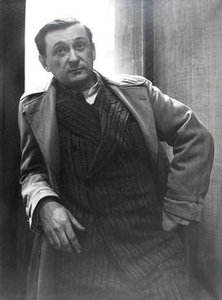
Jacques Lipchitz
1891 - 1973 , Lithuania
基本情報
- Artistic Movement Or Style: Cubism, Crystal Cubism
- Artists Who Influenced This Artist:
- Pablo Picasso
- Juan Gris
- Date Of Birth: 1891
- Date Of Death: 1973
- Full Name: Jacques Lipchitz
- Nationality: Lithuanian-French-American
- Notable Artworks:
- Acrobat on horseback
- Instruments de musique
- Le guitariste
- Pierrot
- Harlequin w/ clarinet
- Man with guitar
- Birth of the muses
- Place Of Birth: Druskininkai, Lithuania
関連記事
The Enduring Legacy of Bronze: History, Technique & Artistic Expression for the Collector
Explore the rich history & enduring appeal of bronze sculpture with expert insights for collectors at ArtsDot. Learn about casting techniques, iconic artists, and collecting tips.

Bronze Sculptures That Defined Art History | ArtsDot
Journey through art history with our Top 10 bronze sculptures! Explore masterpieces by Rodin, Michelangelo & more. Discover stories behind iconic statues and find museum-quality reproductions for your home decor at ArtsDot.com.

The Enduring Legacy of Bronze: A Historical & Artistic Exploration for the Collector
Explore the rich history & enduring appeal of bronze sculpture with expert insights for collectors at ArtsDot. Learn about casting techniques, iconic artists, collecting tips & contemporary interpretations.

The Enduring Legacy of Bronze Sculpture: A Collector's Guide to Form & Cultural Significance
Explore the rich history & enduring appeal of bronze sculpture with expert insights for collectors at ArtsDot. Learn about casting techniques, iconic artists, and collecting tips to build a discerning art collection.

Bronze Age to Modern Masters: 10 Sculptures That Redefined Art | ArtsDot
Journey through art history with 10 legendary bronze sculptures – from Michelangelo's David to Rodin’s Thinker. Explore the stories, techniques & timeless beauty of these masterpieces. Find museum-quality reproductions & elevate your home decor on ArtsDot.com.