

 プレビュー
プレビュー
 シェアする
シェアする シェアする
シェアする
 詳細を見る
詳細を見る

 ダウンロード
 似ている作品
 X線調査
X線調査 スライドショー
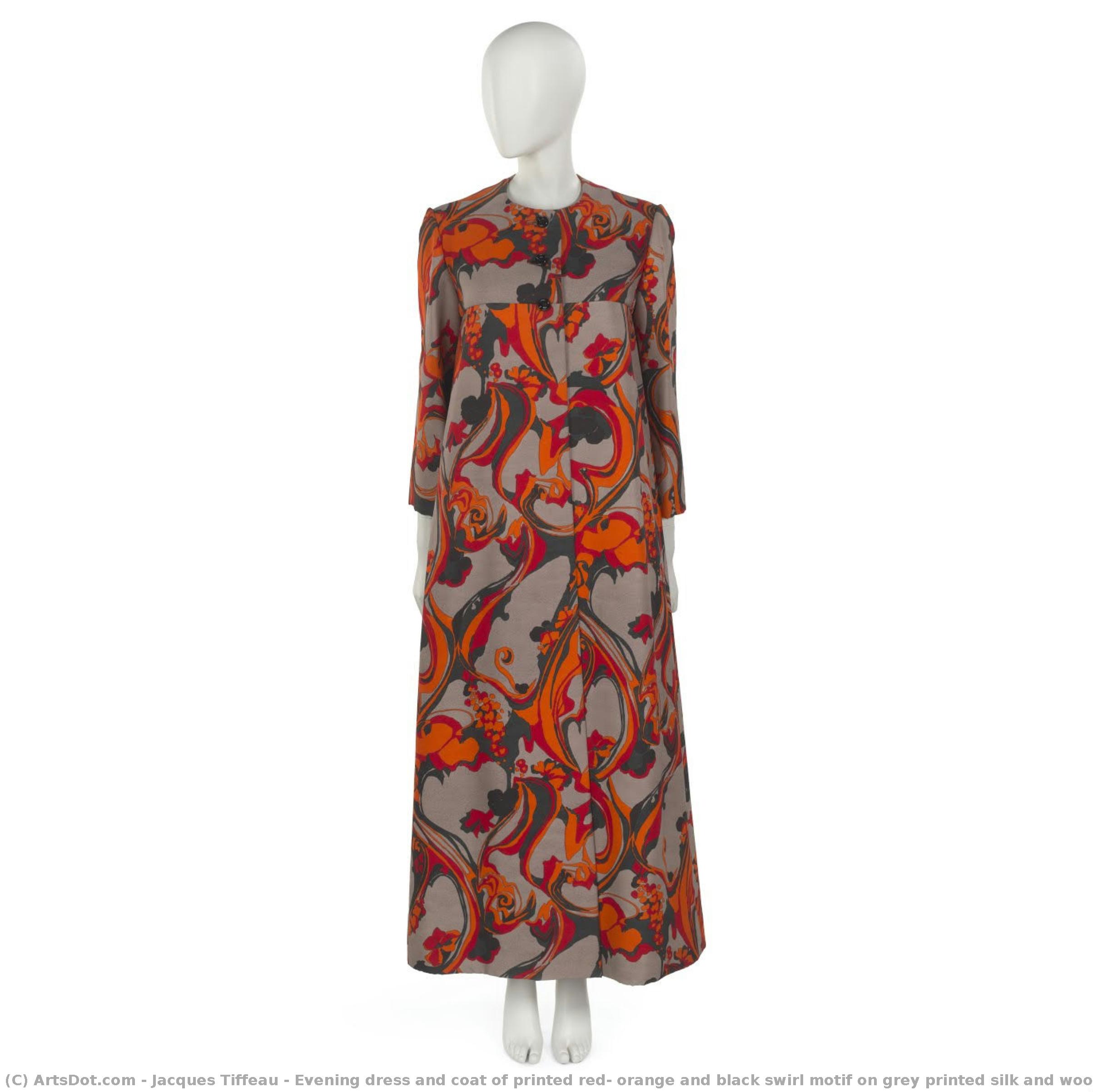
Evening dress and coat of printed red, orange and black swirl motif on grey printed silk and wool ground


 詳細を見る
詳細を見る
ジークレー/アートプリント
迅速な制作と多彩な仕上げオプションを備えた、ミュージアムクオリティのジークレーまたはキャンバスプリント。 ( 手描きの絵画を購入 画像を購入)




P118B $10

P118H $10

P118W $10

P438Z $10

P508JH $12

P508YH $12

P805H $10

P805Z $10

P919BZ $10

P919G $10

P919XJ $10

P959ZH $10

P968JZ $12

W106C $8

W218G $10

W218JH $8

W218Y $10

W307PJ $10

W316G $10

W316PJ $8

W316Y $10

W398PJ $8

W4111J $10

W500HY $15

W500JH $15

W692G $12

W849H $8

W940BG $15

W953PJ $8




作品のオリジナル比率に合わせた、当店の規定サイズからお選びください。

特定のフレームやスペースに合わせて、ご自身でサイズを指定することも可能です。選択されたサイズが元の画像の比率と一致しない場合、作品をトリミングするか、鏡面反射または単色での塗りつぶしによって画像を拡張いたします。制作を開始する前に、ご確認用のデジタルモックアップをお送りいたします。
画面上のプレビューには、実際のトリミングや拡張は反映されませんのでご注意ください。最終的な構図を正確に確認できるのは、モックアップのみとなります。
カスタムサイズも承っておりますが、元の比率を維持するためには、あらかじめ用意されたリストからサイズを選択することをお勧めいたします。


 ガラスオプションは、110cm未満のサイズでのみご利用いただけます。

Evening dress and coat of printed red, orange and black swirl motif on grey printed silk and wool ground
ジークレー/アートプリント
複製画のサイズ
-


合計金額
$ 62
Jacques Tiffeau’s Echoes of the Sixties: A Study in Swirls
The work presented here, “Evening dress and coat of printed red, orange and black swirl motif on grey printed silk and wool ground,” offers a captivating glimpse into the vibrant yet subtly melancholic aesthetic that defined much of Jacques Tiffeau’s oeuvre. Created in 1967, this piece exemplifies his masterful manipulation of pattern and color, reflecting the burgeoning interest in bold geometric designs alongside a lingering appreciation for classic silhouettes – hallmarks of the mid-20th century fashion landscape. Tiffeau, born in Chénée, France, in 1927, spent his career exploring themes of domesticity and luxury through meticulously crafted textile designs, often drawing inspiration from the quiet beauty of the French prairie countryside, a connection subtly hinted at in the restrained grey ground upon which the swirling motifs explode.
A Symphony of Color and Texture
The immediate impact of this artwork is undeniably its dynamic use of color. The dominant red, orange, and black swirls are not merely decorative; they possess a palpable energy, evoking a sense of movement and perhaps even a hint of controlled chaos. Tiffeau’s technique skillfully employs the inherent qualities of silk and wool to create a rich textural experience. The printed fabric itself is key – the swirling patterns aren't simply applied but meticulously rendered through a complex printing process, likely screenprinting, which allowed for precise control over color saturation and layering. The slight A-line construction of both the dress and coat further enhances this visual dynamism, suggesting fluidity and grace.
- Color Palette: Red, orange, black, grey – a bold combination reflecting 1960s fashion trends.
- Material: Printed silk and wool – chosen for their luxurious feel and ability to hold intricate patterns.
- Technique: Likely screenprinting – allowing for precise color layering and pattern definition.
Symbolism and the Mood of an Era
Beyond its purely aesthetic qualities, the artwork resonates with the cultural anxieties and aspirations of the late 1960s. The swirling patterns can be interpreted as a visual representation of the era’s turbulent social and political climate – a sense of unrest and transformation captured in a controlled, decorative form. The formal elegance of the dress and coat, however, offers a counterpoint, suggesting an enduring desire for order and refinement amidst the chaos. The high neckline and long sleeves speak to a traditional sensibility, while the bold colors hint at a willingness to embrace modernity. This juxtaposition creates a compelling tension that is central to Tiffeau’s artistic vision.
Historical Context and Artistic Influence
Tiffeau's work aligns with the broader trends of mid-century textile design, which saw a resurgence in interest in bold patterns and luxurious materials. The influence of Op Art – with its emphasis on optical illusion and dynamic movement – is subtly present in the swirling motifs. Furthermore, Tiffeau’s meticulous attention to detail and his ability to translate complex designs onto fabric demonstrate a deep understanding of both fashion and textile production. His work represents a significant contribution to the history of decorative arts, offering a valuable window into the aesthetic sensibilities of a pivotal moment in French design.
Reproductions Available関連作品
アーティストの略歴
Early Life and the Prairie Landscape
Alex Katz, born July 24, 1927, in Brooklyn, New York, wasn’t destined for a life immersed in the vibrant hues of the art world. His early years were rooted in the stark realities of post-war America, shaped by the quiet resilience of his Ukrainian immigrant parents, Ada and Odesa Kurelek. His father, Dmytro, had fled Ukraine during the turmoil of the Russian Revolution, carrying with him a profound sense of loss and a determination to build a new life for his family in the United States. This history of displacement subtly informed Katz’s artistic sensibility – a quiet yearning for stability amidst an ever-shifting world. The family's move to St. Albans, Queens, in 1928, marked a transition from the bustling city to a more subdued suburban existence, yet it was here that young Alex began to cultivate his nascent talent for drawing, initially finding solace and expression within the confines of his bedroom walls. These early sketches weren’t mere doodles; they were explorations of a world filtered through the lens of dreams, radio dramas, comic books, and the unsettling visions that would later become a defining characteristic of his work. The influence of his father's experiences – the hardships of farming, the weight of history – resonated deeply, though often unspoken, shaping Katz’s perspective on human experience and the relationship between individuals and their environment.- Early Influences: Radio melodrama, comic books, dreams, family stories.
- Family History: Ukrainian immigrant background shaped his worldview.
- Location: Brooklyn, Queens, St. Albans – formative environments.
Skowhegan and the Pursuit of Direct Observation
A pivotal moment in Katz’s artistic development arrived in 1949 when he enrolled at the Skowhegan School of Painting and Sculpture in Maine. This immersion in plein air painting, a radical departure from his previous studio-bound practice, proved transformative. Skowhegan forced him to confront the world directly – to capture not just the *idea* of a subject but its immediate presence, its light, its texture, its very essence. The experience instilled within him a deep respect for observation and a commitment to representing reality with startling clarity and precision. It was during this time that he began to develop his signature style: large-scale paintings dominated by simple compositions, bold colors, and an almost photographic quality. The shift from the muted tones of his early work to the vibrant palette of Skowhegan marked a fundamental change in his artistic approach – a move towards capturing the emotional resonance of everyday life through direct visual engagement.- Key Experience: Skowhegan School of Painting and Sculpture, Maine (1949-1950).
- Technique Shift: Transition from studio work to plein air painting.
- Style Development: Emergence of large-scale paintings with bold colors and photographic realism.
The Rise of Pop Art and the American Scene
As the 1950s unfolded, Katz’s work began to attract attention within the burgeoning art world. His paintings, characterized by their deceptively simple compositions and heightened color palettes, were increasingly seen as precursors to the rise of Pop Art. Artists like Andy Warhol and Roy Lichtenstein were drawn to Katz's ability to elevate the mundane – a group of people sitting in a diner, a street scene, a portrait – into objects of aesthetic contemplation. Katz’s paintings weren’t merely representations; they were carefully constructed narratives that invited viewers to pause and consider the relationships between individuals and their surroundings. He deliberately avoided overt symbolism or emotional expression, instead relying on the power of visual clarity and precise detail to convey meaning. His work became a commentary on American life – its rhythms, its routines, its quiet moments of connection. The influence of Edward Hopper, with his evocative depictions of urban isolation, can also be discerned in Katz’s early paintings, though he ultimately forged his own distinct artistic voice.- Artistic Context: Emergence of Pop Art and the American Scene.
- Key Characteristics: Simple compositions, bold colors, photographic realism.
- Influences: Edward Hopper (urban isolation).
Later Years and Legacy
Throughout his career, Alex Katz remained committed to his core principles – direct observation, precise detail, and a deliberate avoidance of sentimentality. He continued to paint prolifically, producing hundreds of works that capture the essence of American life with remarkable clarity and understated elegance. His work has been exhibited extensively around the world, earning him critical acclaim and establishing him as one of America’s most important figurative painters. Despite his success, Katz remained remarkably private, shunning publicity and rarely discussing his artistic process. He continued to live and paint in Lincolnville, Maine, a place that had become inextricably linked to his creative identity. Alex Katz passed away in 1988, leaving behind a body of work that continues to fascinate and inspire viewers with its deceptively simple beauty and profound insights into the human condition. His legacy lies not only in his stunning paintings but also in his unwavering commitment to the power of direct observation as a means of artistic expression.- Continued Practice: Continued prolific painting throughout his career.
- Exhibition History: Extensive international exhibitions.
- Personal Life: Private and rooted in Lincolnville, Maine.
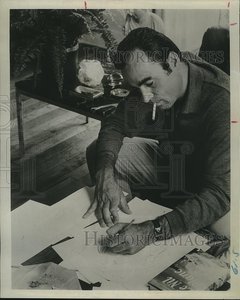
jacques tiffeau
1927 - 1988 , France
基本情報
- Artistic Movement Or Style:
- Figurative painting
- New Realism
- Pop Art
- Artists Or Movements Influenced By This Artist:
- Pop Art
- Minimalism
- Artists Who Influenced This Artist:
- Jacques Lipchitz
- Stuart Davis
- Date Of Birth: July 24, 1927
- Full Name: Alex Katz
- Nationality: American
- Notable Artworks:
- The Woman with White Case
- Man in a Bow Tie
- Couple on the Beach
- Place Of Birth: Brooklyn, New York
関連記事

Crimson Threads of Narrative: Exploring Symbolism & Representation in Artworks Featuring the Red Dress
Explore the rich symbolism of the red dress in art history! From ancient power displays to iconic portraits like Cézanne’s 'Madame Cezanne', discover the cultural and artistic significance behind this captivating color. Expert analysis & insights.

Giclée Prints: Archival Quality & Aesthetic Nuances for the Discerning Collector
Explore the world of giclée prints with ArtsDot. Learn about archival quality, aesthetic nuances & investment potential. Expert guidance for discerning art collectors seeking museum-quality reproductions and lasting value.

マーク・ロスコ傑作25選:色彩が織りなす深遠な世界|ArtsDot
マーク・ロスコの傑作25選。抽象表現主義を代表する巨匠、色彩が織りなす深遠な世界を探求します。絵画の背景や技法、感動的なストーリーを紐解き、ArtsDotで高品質なアートプリントをお楽しみください。リビングやオフィスにモダンアートを飾るなら!

The Enduring Legacy of Fine Art Prints: Technique, History & Aesthetic Impact
Explore the rich history & techniques of fine art prints. Discover investment potential, assess authenticity, and learn how to preserve your collection with expert guidance. Trusted insights for discerning collectors.

Echoes of Time: Exploring the Enduring Appeal & Historical Context of Vintage Art Prints
Explore the captivating world of vintage art prints! Discover their history, collecting tips & enduring appeal. Expert insights on chromolithography and building a legacy collection with ArtsDot.

