

 プレビュー
プレビュー
 プリントを購入
 シェアする
シェアする シェアする
シェアする
 詳細を見る
詳細を見る

 ダウンロード
 似ている作品
 X線調査
X線調査 スライドショー
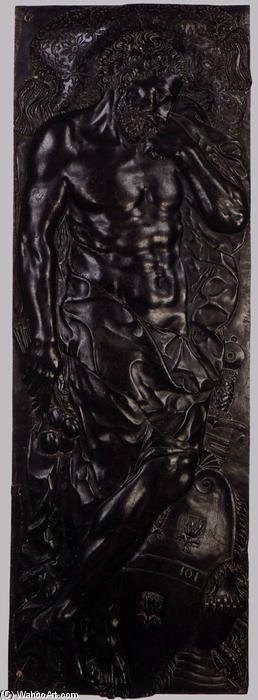
Tomb of Blondel de Rocquencourt
 Renaissance
 1558
1558 173.0 x 60.0 cm
 ルーブル美術館
 詳細を見る
詳細を見る




































作品のオリジナル比率に合わせた、当店の規定サイズからお選びください。

特定のフレームやスペースに合わせて、ご希望のサイズをご入力いただけます。選択されたサイズが元の画像の比率と異なる場合、アートワークをトリミングするか、手描きで要素を追加して絵画を拡張いたします。デジタルモックアップ を制作し、制作開始前にご確認(承認)をいただきます。
画面上のプレビューは、実際のトリミングや拡張を正確に反映しているものではありません。最終的な構図は、モックアップによってのみ正確にご確認いただけます。
カスタムサイズもご利用いただけますが、元の比率を維持するためには、あらかじめ用意されたリストからサイズを選択することをお勧めいたします。
ご注文後、ArtsDot.com チームより詳細な指示をお送りするとともに、仕上がりイメージ(モックアップ)をご提供いたします。


 ガラスオプションは、110cm未満のサイズでのみご利用いただけます。

Tomb of Blondel de Rocquencourt
複製技法
複製画のサイズ
-


合計金額
$ 263
関連作品

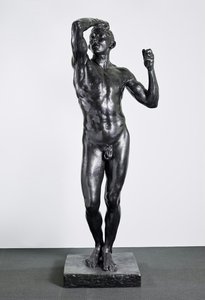
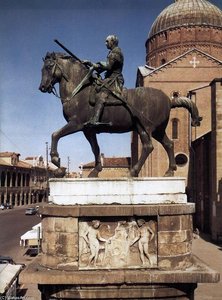
アーティストの略歴
A Sculptor of Souls: The Life and Art of Jacquiot Ponce
Born in the small town of Rethel, France, in 1527, Jacquiot Ponce emerged from a period steeped in artistic transition. While the High Renaissance had begun to wane, its echoes resonated throughout Europe, mingling with burgeoning Mannerist sensibilities and the early stirrings of Baroque drama. Little is definitively known about his formative years; records are scarce, leaving much of his personal history shrouded in mystery. However, the very nature of his surviving work suggests a meticulous apprenticeship, likely within a workshop specializing in funerary sculpture – a craft deeply entwined with religious devotion and aristocratic patronage during the 16th century. The numerous variations of his name—Jacquiau, Jacquin, Jacquio, Ponsio, Ponzio—further complicate tracing his life, hinting at a mobile existence perhaps serving different patrons across France. What *is* clear is that Ponce quickly distinguished himself as an artist capable of imbuing stone with remarkable emotional depth and narrative power.From Tombstones to Tender Scenes: A Unique Artistic Voice
Ponce’s reputation rests primarily on his exquisitely detailed tomb sculptures, commissioned by prominent families for churches and cathedrals throughout France. These were not merely monuments to the deceased; they were carefully constructed statements of faith, lineage, and social standing. His *Tomb of Blondel*, a masterpiece housed in Saint-Denis Basilica near Paris, exemplifies this approach. The sculpture depicts Jean Blondel, treasurer of France, kneeling in prayer, his features rendered with striking realism and vulnerability. The surrounding figures—angels, saints, even allegorical representations of virtues—are not static adornments but active participants in a scene of spiritual contemplation. However, to categorize Ponce solely as a funerary sculptor would be a profound oversight. He possessed an unusual sensitivity for genre scenes, small-scale reliefs that captured moments of everyday life with poignant intimacy. His most celebrated work in this vein is *The Thorn Remover*, a delicate depiction of a young man carefully extracting a thorn from the foot of Christ. This scene, repeated in various iterations and sizes, transcends simple biblical illustration; it’s an exploration of compassion, human connection, and quiet suffering.Influences and Artistic Development
Identifying Ponce's direct artistic influences is a complex undertaking. He absorbed the prevailing styles of his time, demonstrating a clear understanding of Italian Renaissance masters like Michelangelo and Donatello in his anatomical precision and dramatic compositions. The influence of French sculpture, particularly the work of Jean Goujon, is also evident in his elegant forms and refined detailing. However, Ponce wasn’t merely an imitator; he synthesized these influences into something uniquely his own. His genre scenes, for example, reveal a nascent interest in naturalism that anticipates the Dutch Golden Age painters. The emotional intensity of *The Thorn Remover* sets it apart from the more formal religious art of its era. It's a work imbued with a psychological depth rarely seen in contemporary sculpture, suggesting an artist attuned to the inner lives of his subjects. His development appears to have moved from the grand scale and public function of tomb monuments towards smaller, more personal works that allowed for greater expressive freedom.Major Achievements and Lasting Legacy
Ponce’s major achievements lie not in groundbreaking stylistic innovations but in the exceptional quality and emotional resonance of his work. He was a master craftsman capable of transforming cold stone into figures brimming with life and feeling. His *Tomb of Blondel* remains a landmark example of French Renaissance sculpture, admired for its technical virtuosity and compelling narrative. The widespread popularity of *The Thorn Remover*, reproduced in numerous copies throughout the 16th and 17th centuries, testifies to its enduring appeal. This work, in particular, speaks to a broader cultural fascination with themes of sacrifice, redemption, and human empathy. While Ponce’s life ended prematurely in 1571, his artistic legacy continued to inspire generations of sculptors and artists. His ability to blend religious devotion with intimate human emotion secured his place as a significant figure in the French Renaissance, bridging the gap between the formal grandeur of the High Renaissance and the more expressive styles that would come to define the Baroque period. His work offers a compelling glimpse into the artistic sensibilities of 16th-century France—a time of profound religious upheaval, social change, and burgeoning artistic creativity.Rediscovering Jacquiot Ponce
- A Sculptor for the Elite: His commissions reveal a clientele among the French nobility and high-ranking clergy.
- Genre Painting Pioneer: He was one of the first sculptors to elevate genre scenes—depictions of everyday life—to the level of fine art.
- The enduring appeal of his work continues to captivate audiences today, prompting ongoing scholarly research and appreciation.
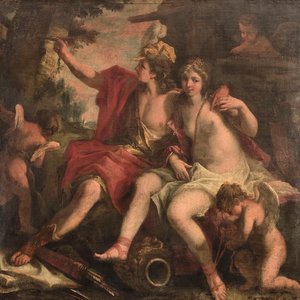
jacquiot ponce
1527 - 1571 , France
基本情報
- Artistic Movement Or Style: Renaissance Sculpture
- Artists Or Movements Influenced By This Artist: ['Classical Roman Style']
- Artists Who Influenced This Artist: ['Michelangelo']
- Date Of Birth: Rethel, France (1527)
- Date Of Death: 1571
- Full Name: Jacquiot Ponce
- Nationality: French
- Notable Artworks:
- Tomb of Blondel de Rocquencourt
- La Tireuse d'épine
- Place Of Birth: France
関連記事

Bronze Age to Modern Masters: 10 Sculptures That Redefined Art | ArtsDot
Journey through art history with 10 legendary bronze sculptures – from Michelangelo's David to Rodin’s Thinker. Explore the stories, techniques & timeless beauty of these masterpieces. Find museum-quality reproductions & elevate your home decor on ArtsDot.com.

Bronze Sculptures That Defined Art History | ArtsDot
Journey through art history with our Top 10 bronze sculptures! Explore masterpieces by Rodin, Michelangelo & more. Discover stories behind iconic statues and find museum-quality reproductions for your home decor at ArtsDot.com.

The Enduring Legacy of Bronze: A Historical & Artistic Exploration for the Collector
Explore the rich history & enduring appeal of bronze sculpture with expert insights for collectors at ArtsDot. Learn about casting techniques, iconic artists, collecting tips & contemporary interpretations.
The Enduring Legacy of Bronze: History, Technique & Artistic Expression for the Collector
Explore the rich history & enduring appeal of bronze sculpture with expert insights for collectors at ArtsDot. Learn about casting techniques, iconic artists, and collecting tips.

The Enduring Legacy of Bronze Sculpture: A Collector's Guide to Form & Cultural Significance
Explore the rich history & enduring appeal of bronze sculpture with expert insights for collectors at ArtsDot. Learn about casting techniques, iconic artists, and collecting tips to build a discerning art collection.

