

 プレビュー
プレビュー
 シェアする
シェアする シェアする
シェアする
 詳細を見る
詳細を見る

 ダウンロード
 似ている作品
 X線調査
X線調査 スライドショー
 Stats
StatsCurtains of Hope


 詳細を見る
詳細を見る
ジークレー/アートプリント
迅速な制作と多彩な仕上げオプションを備えた、ミュージアムクオリティのジークレーまたはキャンバスプリント。 ( 手描きの絵画を購入 Switch to Digital Image)




































作品のオリジナル比率に合わせた、当店の規定サイズからお選びください。

特定のフレームやスペースに合わせて、ご自身でサイズを指定することも可能です。選択されたサイズが元の画像の比率と一致しない場合、作品をトリミングするか、鏡面反射または単色での塗りつぶしによって画像を拡張いたします。制作を開始する前に、ご確認用のデジタルモックアップをお送りいたします。
画面上のプレビューには、実際のトリミングや拡張は反映されませんのでご注意ください。最終的な構図を正確に確認できるのは、モックアップのみとなります。
カスタムサイズも承っておりますが、元の比率を維持するためには、あらかじめ用意されたリストからサイズを選択することをお勧めいたします。


 ガラスオプションは、110cm未満のサイズでのみご利用いただけます。

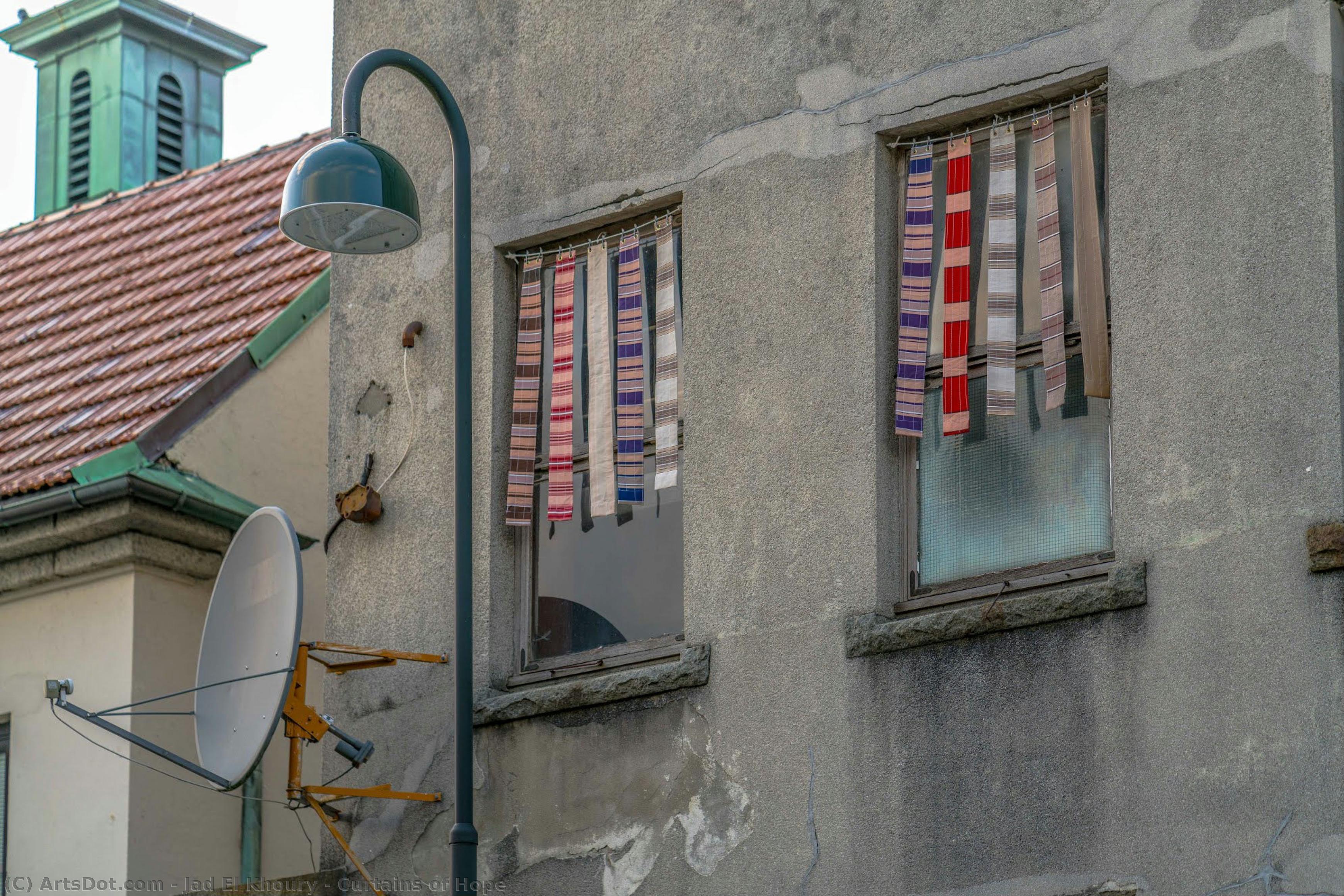
Curtains of Hope
ジークレー/アートプリント
複製画のサイズ
-


合計金額
$ 62
関連作品
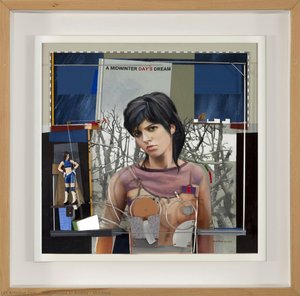
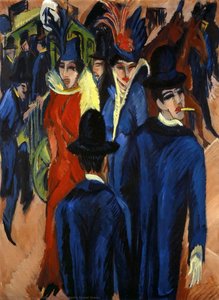
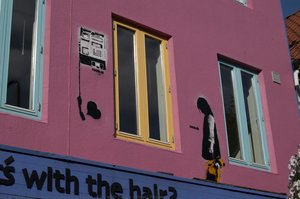
アーティストの略歴
A Dialogue with Scars: The Art of Jad El Khoury
Jad El Khoury, born in Baabda, Lebanon in 1988, is an artist whose work isn’t merely *made* in a post-war landscape—it's fundamentally *of* it. He didn’t inherit a blank canvas; instead, he received a city etched with the memories of fifteen years of civil conflict, a palimpsest of trauma and resilience. This inheritance shaped not only his artistic vision but also his very approach to creation. Growing up amidst the physical and psychological wounds of Beirut instilled in him a profound awareness of the power of space—how it can be both a repository of pain and a potential vessel for healing. His early life was marked by an instinctive need to fill those voids, initially through playful doodles that would later evolve into his signature characters, the “Potato Noses,” and ultimately, large-scale public interventions that transform urban scars into narratives of hope. El Khoury’s journey began not as a deliberate act of artistic rebellion but as a personal response to a reality where political corruption often overshadowed genuine reconstruction efforts.From Doodles to Dialogue: The Evolution of a Visual Language
The story of El Khoury's art is one of subtle yet powerful evolution. As a child, he found solace in drawing, creating fantastical worlds on any available surface—school desks, walls, abandoned buildings. These early doodles weren’t simply whimsical creations; they were an escape, a means of constructing alternative realities free from the constraints and anxieties of his surroundings. However, this act of creation didn't remain purely personal for long. Recognizing the potent symbolism inherent in these characters, El Khoury began to deploy them strategically across Beirut’s war-torn facades as part of his “War Peace” project. The Potato Noses—simple, round figures with bug-like eyes—became a visual counterpoint to the city's harsh realities, a gentle yet insistent presence that drew attention to the bullet holes and crumbling structures left behind by decades of conflict. This wasn’t about erasing the past but rather about reframing it, inviting viewers to engage with their environment in new ways. The act of transforming these neglected spaces into vibrant canvases was itself an act of peaceful protest, a reclaiming of public space from the shadows of trauma. He masterfully employs techniques that create optical illusions by playing with density and size, drawing attention to the buildings while simultaneously offering a different perspective on them.Public Interventions: Transforming Trauma into Testimony
El Khoury’s work transcends traditional gallery spaces; his canvas is the city itself. His most impactful projects are large-scale public installations that directly engage with Beirut's urban fabric, transforming abandoned buildings and neglected areas into sites of collective memory and hope. The “Burj el Hawa” (Tower of Wind) project exemplifies this approach. By installing brightly colored curtains within the empty windows of an abandoned building, El Khoury animated a forgotten structure, creating a kinetic sculpture that responded to the natural elements. The movement of the curtains served as a metaphor for resilience, suggesting a fragile yet persistent life force within the ruins. Similarly, his “Curtains of Hope” project extends this concept further, aiming to raise awareness about displacement caused by natural disasters and climate change. By installing these vibrant textiles in areas affected by floods, tornados, and droughts, El Khoury seeks to create large-scale expressions of hope that counter the traumatic events that have forced people from their homes. These installations aren’t merely aesthetic interventions; they are deeply political acts, challenging viewers to confront uncomfortable truths about displacement, urban decay, and the long-term consequences of conflict.Recognition and Resonance: A Global Dialogue
El Khoury's work has garnered international recognition, solidifying his position as a leading voice in contemporary public art. He received awards including the Institute of Public Art Award and the Arte Laguna Prize for Urban Art and Land Art, accolades that acknowledge not only the aesthetic quality of his creations but also their profound social impact. His participation in a residency program at Praksis in Oslo, Norway, in 2022 further expanded his artistic horizons, allowing him to explore new contexts and engage with different communities. He was selected as a finalist for the COAL Prize in 2019, presenting his “Curtains of Hope” project at COP25 in Madrid, Spain—a testament to the global relevance of his work. His art has been showcased internationally, resonating with audiences who recognize the universal themes of trauma, resilience, and the power of collective memory. The impact of his work extends beyond the visual realm; it sparks dialogue, challenges perceptions, and inspires action. He is a testament to how art can be used as a catalyst for healing and social change.Historical Significance: A Voice for Lebanon’s Future
Jad El Khoury's significance lies not only in his artistic achievements but also in his ability to articulate the complexities of post-war Lebanon. He doesn’t shy away from confronting difficult truths; instead, he embraces them, transforming scars into symbols of hope and resilience. His work is a powerful reminder that memory—even painful memory—is essential for building a more just and equitable future. By reclaiming public space and engaging with the urban fabric of Beirut, El Khoury challenges dominant narratives and invites viewers to participate in a collective process of healing.- His use of playful characters like the Potato Noses subverts traditional notions of political art
- He transforms abandoned buildings into sites of remembrance and hope.
- His installations are deeply rooted in the specific context of Lebanon but resonate with universal themes of trauma, displacement, and resilience.
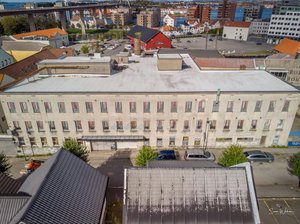
jad el khoury
1988 - , Lebanon
基本情報
- Artistic Movement Or Style: Public art, Urban art
- Current Status: Living
- Date Of Birth: 1988
- Full Name: Jad El Khoury
- Nationality: Lebanese
- Notable Artworks:
- Curtains of Hope
- Burj el Hawa
- Place Of Birth: Baabda, Lebanon
- Profession: Artist & Architect
関連記事
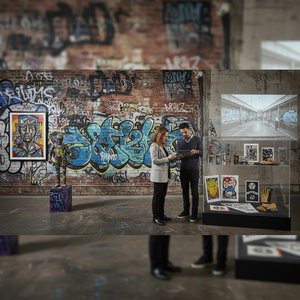
Beyond Graffiti: Exploring the Evolution & Cultural Impact of Street Art for Collectors
Explore the evolution of street art from rebellious origins to a respected fine art form. Discover key artists like Banksy & learn how to collect urban art with confidence. Expert insights for discerning investors.
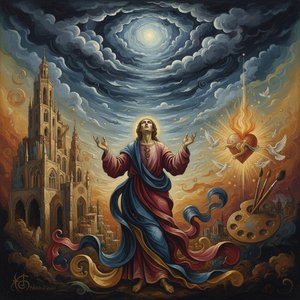
El Greco: Spirituality, Style & Innovation – A Renaissance Master's Legacy
Explore the captivating world of El Greco! Discover his unique style, spiritual intensity, and lasting impact on art history. Learn about this Renaissance master's life, iconic paintings & legacy.
The Aesthetic Catalyst: Leveraging Art Installations for Guest Engagement & Organic Social Marketing
Discover how strategic art installations elevate hotel experiences & drive organic social visibility. Expert insights on design, ROI, guest engagement, and creating unforgettable spaces for luxury hospitality brands.
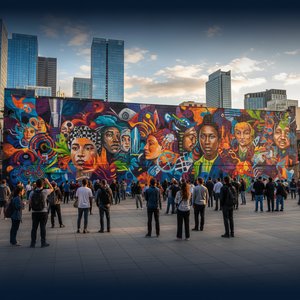
現代ストリート・アートの隆盛:ギャラリーの壁を超えた文化的反省と歴史的背景
現代ストリート・アートの隆盛を歴史的背景と社会的反省の視点から深く掘り下げます。ギャラリーとの関係性、日本における独自性、コレクターズ視点まで網羅。高品質なアートコレクションのための情報を提供します。

エル・グレコの傑作25選:魂を揺さぶる宗教画と芸術の深淵 | ArtsDot
エル・グレコの傑作25選:魂を揺さぶる宗教画の世界へ。スペイン絵画の巨匠、マニエリスム様式と Toledo の光彩を紐解きます。ArtsDot.com で名画のアートプリントや複製画をお楽しみください。コレクションはこちら →