

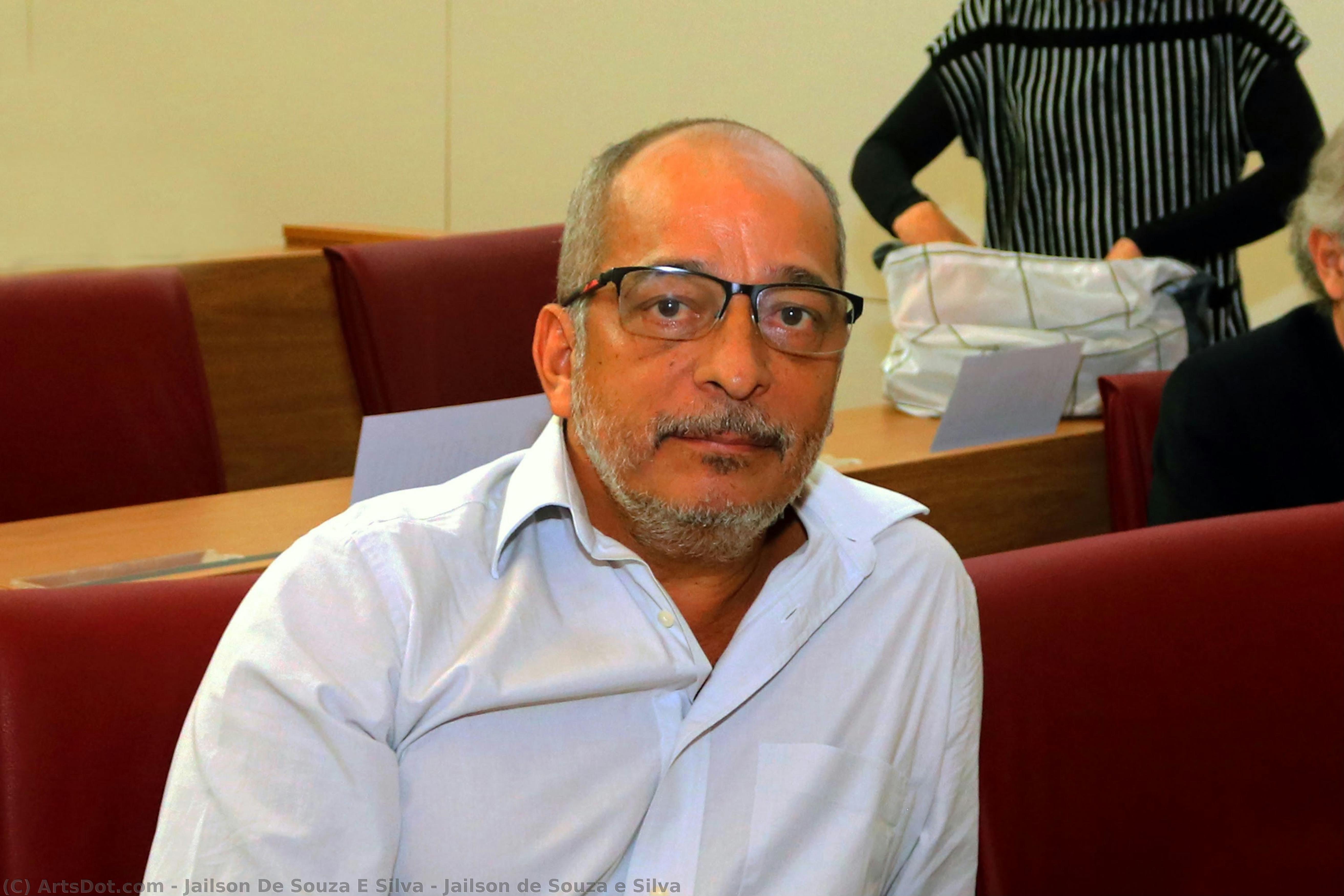
 プレビュー
プレビュー
 シェアする
シェアする シェアする
シェアする
 詳細を見る
詳細を見る

 ダウンロード
 似ている作品
 X線調査
X線調査 スライドショー
 Stats
StatsJailson de Souza e Silva


 詳細を見る
詳細を見る
手描き油彩複製画
当社のアーティストが、お客様のご希望のサイズと額縁に合わせて、キャンバスに手描きで制作する油彩画です。 ( Switch to Print Switch to Digital Image)




P118B $10

P118H $10

P118W $10

P438Z $10

P508JH $12

P508YH $12

P805H $10

P805Z $10

P919BZ $10

P919G $10

P919XJ $10

P959ZH $10

P968JZ $12

W106C $8

W218G $10

W218JH $8

W218Y $10

W307PJ $10

W316G $10

W316PJ $8

W316Y $10

W398PJ $8

W4111J $10

W500HY $15

W500JH $15

W692G $12

W849H $8

W940BG $15

W953PJ $8




作品のオリジナル比率に合わせた、当店の規定サイズからお選びください。

特定のフレームやスペースに合わせて、ご希望のサイズをご入力いただけます。選択されたサイズが元の画像の比率と異なる場合、アートワークをトリミングするか、手描きで要素を追加して絵画を拡張いたします。デジタルモックアップ を制作し、制作開始前にご確認(承認)をいただきます。
画面上のプレビューは、実際のトリミングや拡張を正確に反映しているものではありません。最終的な構図は、モックアップによってのみ正確にご確認いただけます。
カスタムサイズもご利用いただけますが、元の比率を維持するためには、あらかじめ用意されたリストからサイズを選択することをお勧めいたします。
ご注文後、ArtsDot.com チームより詳細な指示をお送りするとともに、仕上がりイメージ(モックアップ)をご提供いたします。


 ガラスオプションは、110cm未満のサイズでのみご利用いただけます。

Jailson de Souza e Silva
複製技法
複製画のサイズ
-


合計金額
$ 263
関連作品

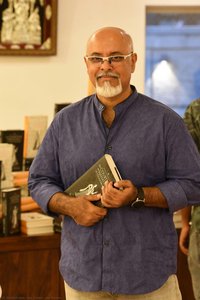
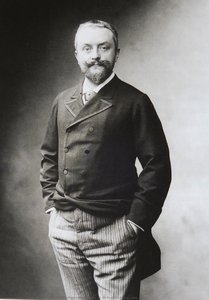
アーティストの略歴
A Life Forged in Color and Concrete
Jailson de Souza e Silva’s work isn't merely painting; it’s a profound excavation of the urban landscape, specifically the marginalized communities of Rio de Janeiro’s favelas. Born in 1965 in a modest neighborhood within Brás de Pina, a suburb grappling with poverty and social exclusion, Jailson’s early life was steeped in the realities of street life – a stark contrast to the formal education he eventually pursued. This formative experience, marked by both hardship and a burgeoning love for literature, profoundly shaped his artistic vision, fueling a desire to give voice to those often silenced and overlooked. His journey began not with brushes and canvases, but with a desperate need to escape the cycle of violence that defined so much of his youth, leading him to seek refuge in the transformative power of words.
The pivotal moment arrived at thirteen when he joined a Catholic youth group dedicated to supporting incarcerated individuals. This immersion into the complexities of social injustice and human suffering ignited within him a commitment to understanding and addressing systemic inequalities. He moved through various phases – from working as a delivery man, absorbing the rhythms and textures of daily life in the city’s periphery, to earning a degree in Sociology of Education from the Pontifical Catholic University of Minas Gerais (PUC Minas). This academic grounding provided him with critical tools for analyzing social structures and informing his artistic practice. Crucially, he found himself drawn into the burgeoning movement of *teologia da libertação* – Liberation Theology – which offered a framework for engaging with poverty and oppression through solidarity and action.
The Birth of Observatório de Favelas
In 2001, Jailson’s dedication to social justice culminated in the founding of the *Observatório de Favelas* (Favela Observatory), a groundbreaking initiative that sought to shift the narrative surrounding Rio's favelas from one of criminality and violence to one of resilience, community spirit, and complex lived experiences. Partnering with Jorge Barbosa, Jailson recognized the urgent need for a platform to amplify the voices of residents – to document their stories, challenge stereotypes, and advocate for improved living conditions. The Observatory quickly became more than just an observation post; it evolved into a dynamic research center, producing publications, organizing exhibitions, and engaging in community development projects.
The location itself—Maré, one of Rio’s largest favelas—was deliberately chosen as a statement. It was a place often demonized by the media and authorities, yet teeming with vibrant culture, complex social dynamics, and an unwavering sense of community. Jailson's decision to establish the Observatory within this contested space underscored his commitment to challenging dominant narratives and empowering marginalized communities. The work at the Observatory wasn’t simply about documenting; it was about fostering a dialogue between academia and grassroots movements, bridging the gap between formal research and lived realities.
A Palette of Periphery: Artistic Style and Themes
Jailson's artistic style is immediately recognizable – a bold, vibrant explosion of color against often starkly rendered backgrounds. His paintings are not photographic representations; they’re emotional landscapes, capturing the energy, chaos, and beauty of favela life. He employs a distinctive technique, layering colors with thick impasto, creating textures that mimic the rough surfaces of buildings, corrugated iron roofs, and the worn pavements of the streets. His figures—often rendered in simplified forms—are imbued with a sense of dignity and resilience, reflecting the strength and spirit of the people he portrays.
Central to his work are recurring themes: the struggle for survival, the bonds of community, the impact of social inequality, and the enduring hope that persists even amidst hardship. He frequently depicts scenes of everyday life—children playing in the streets, families gathered around makeshift tables, workers returning from long days of labor. These seemingly simple images carry a powerful message about the dignity of human existence and the importance of solidarity. His work is deeply rooted in his personal experiences and observations, serving as both a reflection of his own journey and a testament to the realities faced by countless others.
Legacy and Recognition
Jailson de Souza e Silva’s contributions extend far beyond the realm of art. He's a respected social activist, researcher, and educator, whose work has had a significant impact on the understanding of favelas in Rio de Janeiro and beyond. His involvement with the *Observatório de Favelas* has helped to shift public perception, fostering empathy and challenging stereotypes. His commitment to social justice and his dedication to amplifying marginalized voices have earned him widespread recognition and respect.
Recent exhibitions showcase his work internationally, bringing his unique perspective to a global audience. His paintings are not just beautiful objects; they’re powerful statements about the human condition—a reminder of the struggles faced by those living on the margins and an affirmation of the enduring spirit of hope and resilience. Jailson de Souza e Silva's art serves as a vital bridge between the world of academia, activism, and artistic expression, solidifying his place as a significant voice in contemporary Brazilian culture.
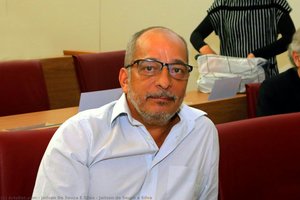
jailson de souza e silva
Brazil
基本情報
- Artistic Movement Or Style: Contemporary Painting
- Artists Or Movements Influenced By This Artist: ['Paulo Freire']
- Artists Who Influenced This Artist: ['Hannah Arendt']
- Date Of Birth: Living
- Full Name: Jailson de Souza e Silva
- Nationality: Brazilian
- Notable Artworks:
- Occupation-Manifest
- Favela-Root
- Place Of Birth: Rio de Janeiro, Brazil
関連記事

Monochrome Visions: Exploring the Aesthetic & Historical Significance of Black & White Photography
Explore the rich history & artistic power of black and white photography. From early techniques to iconic masters like Ansel Adams, discover why monochrome continues to captivate art lovers today. Expert insights for collectors.
Witnessing History Through Lens & Light: Documentary Photography's Enduring Legacy
Explore the powerful history of documentary photography – from its origins to contemporary masters like Gordon Parks & W. Eugene Smith. Discover how this art form shapes our understanding of society and witness pivotal moments in time.

Crimson Threads of Narrative: Exploring Symbolism & Representation in Artworks Featuring the Red Dress
Explore the rich symbolism of the red dress in art history! From ancient power displays to iconic portraits like Cézanne’s 'Madame Cezanne', discover the cultural and artistic significance behind this captivating color. Expert analysis & insights.

Beyond the Lens: Photography's Enduring Influence on Modern & Contemporary Art
Explore photography's pivotal role in shaping modern & contemporary art. Discover key movements, influential artists like Stieglitz, and expert collecting advice from ArtsDot.

Pictorialism: A Search for Artistic Photography's Soul – Aesthetics, Techniques & Legacy
Explore the captivating world of Pictorialism – a pivotal movement that transformed photography into fine art. Discover key artists like Stieglitz & Käsebier, techniques, and collecting tips from experts.