

 プレビュー
プレビュー
 プリントを購入
 シェアする
シェアする シェアする
シェアする
 詳細を見る
詳細を見る

 ダウンロード
 似ている作品
 X線調査
X線調査 スライドショー
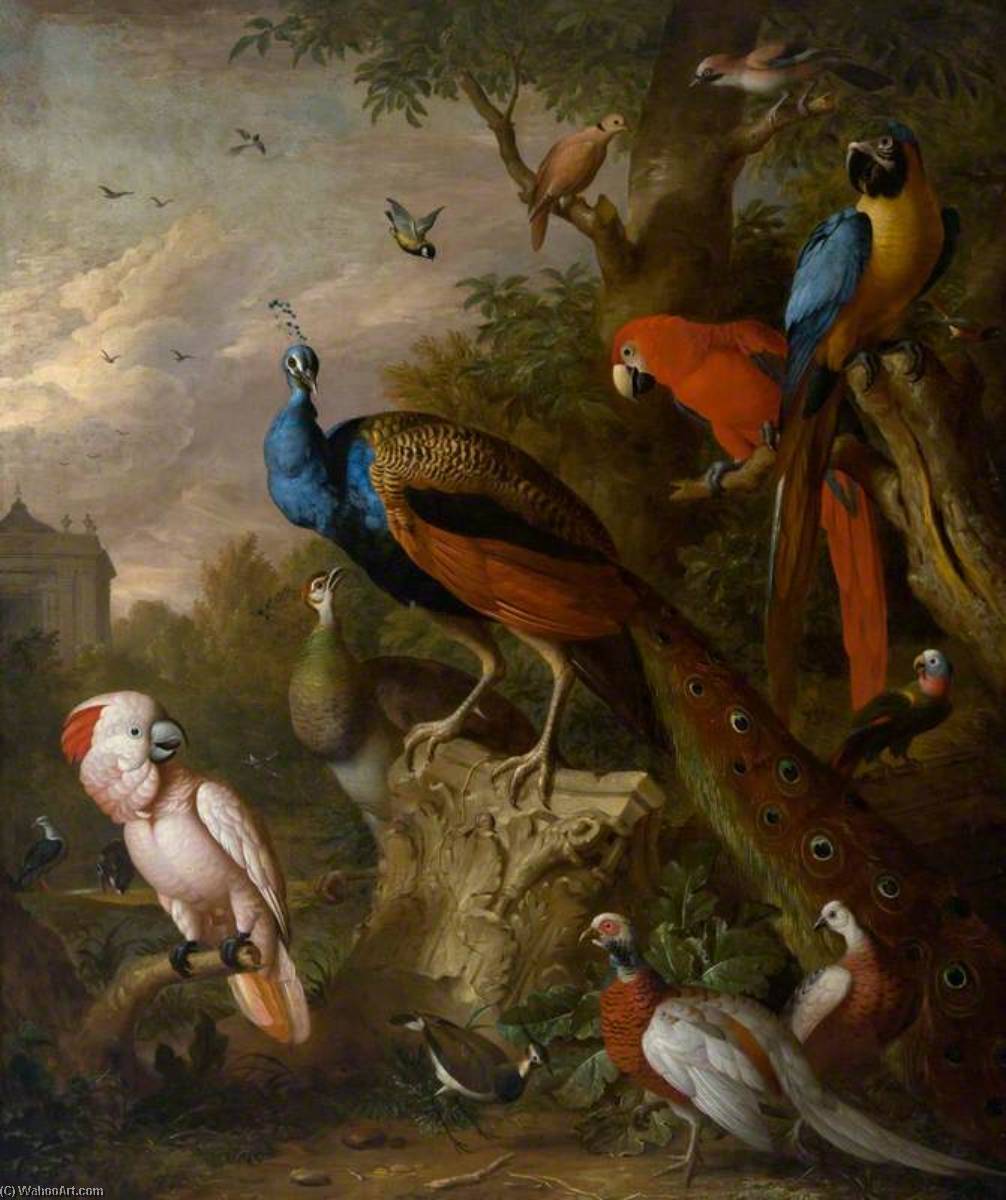
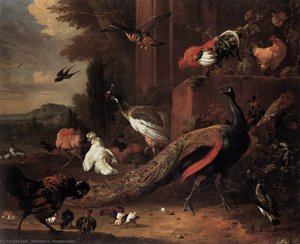
Peacocks and Other Exotic Birds
 Baroque
 198.0 x 169.0 cm
 National Trust For Scotland
 詳細を見る
詳細を見る




































作品のオリジナル比率に合わせた、当店の規定サイズからお選びください。

特定のフレームやスペースに合わせて、ご希望のサイズをご入力いただけます。選択されたサイズが元の画像の比率と異なる場合、アートワークをトリミングするか、手描きで要素を追加して絵画を拡張いたします。デジタルモックアップ を制作し、制作開始前にご確認(承認)をいただきます。
画面上のプレビューは、実際のトリミングや拡張を正確に反映しているものではありません。最終的な構図は、モックアップによってのみ正確にご確認いただけます。
カスタムサイズもご利用いただけますが、元の比率を維持するためには、あらかじめ用意されたリストからサイズを選択することをお勧めいたします。
ご注文後、ArtsDot.com チームより詳細な指示をお送りするとともに、仕上がりイメージ(モックアップ)をご提供いたします。


 ガラスオプションは、110cm未満のサイズでのみご利用いただけます。

Peacocks and Other Exotic Birds
複製技法
複製画のサイズ
-


合計金額
$ 263
関連作品

アーティストの略歴
The Master of Avian Splendor
In the grand, sweeping tapestry of the Baroque era, few artists captured the vibrant pulse of the natural world with as much exquisite precision as Jakab Bogdány. Born in 1658 in the historic city of Eperjes—known today as Prešov—Bogdány was a painter whose life and work served as a bridge between the rugged landscapes of Central Europe and the sophisticated courts of London. As the son of the painter Lucas Bogdani, his artistic lineage was etched into his very identity, providing him with an early foundation in the meticulous traditions of European portraiture and still life. His journey was one of constant movement and cultural synthesis, traveling from the Hungarian territories through the artistic hubs of Vienna and Amsterdam before finally finding his most illustrious stage in England.
The evolution of Bogdány’s style reflects the broader intellectual currents of the late 17th century, a period defined by an insatiable curiosity about the natural sciences and the wonders of distant lands. During his time in Amsterdam, he was immersed in the Dutch Golden Age's mastery of light and texture, an influence that would later become the cornerstone of his technique. When he arrived in London in 1688, just as the winds of political change were reshaping the British monarchy, Bogdány brought with him a specialized skill set that perfectly suited the tastes of the burgeoning aristocracy. He became a celebrated specialist in exotic bird paintings, transforming the canvas into a window through which the English elite could observe the brilliant plumage and strange beauty of species from far-flung corners of the globe.
Technique and the Art of Observation
To gaze upon a Bogdány masterpiece is to witness a profound dialogue between light and life. His technique was characterized by an almost scientific devotion to detail, particularly in his rendering of feathers, scales, and the succulent textures of fruit. Utilizing the dramatic chiaroscuro method, he manipulated deep shadows to push his subjects forward, creating a three-dimensional presence that seems to breathe within the frame. This mastery of light allowed him to capture the iridescent sheen of a peacock’s tail or the soft, downy warmth of a parrot’s wing with startling realism.
His compositions were rarely mere anatomical studies; rather, they were carefully orchestrated dramas. He often juxtaposed vibrant, exotic specimens against lush, atmospheric landscapes or opulent still-life arrangements featuring overflowing baskets of fruit and delicate glassware. This blending of natural history with decorative elegance served a dual purpose: it satisfied the era's scientific fascination with ornithology while providing the high-society patrons of the time with objects of immense prestige and aesthetic delight. Every brushstroke was deliberate, designed to convey both the physical weight of the subjects and the ephemeral beauty of a moment frozen in time.
Legacy and Royal Recognition
The zenith of Bogdány’s career was marked by his prestigious role as a court painter, earning the favor of some of the most powerful figures in British history. His ability to translate the splendor of nature into a language of royal magnificence led to significant commissions from Queen Anne and William III. The presence of his works within the Royal Collection stands as a testament to his enduring impact on the English artistic landscape. Beyond the monarchy, he found patronage among high-ranking officials such as Admiral George Churchill, ensuring that his vibrant avian portraits graced the most magnificent estates of the age.
Though his life came to an end in London in 1724, the historical significance of Jakab Bogdány extends far beyond his personal biography. He remains a pivotal figure in the transition from the heavy drama of the early Baroque to the more refined, observational styles that would follow. His legacy is preserved not only in museums but in the very way we perceive the intersection of art and nature. Through his eyes, the exotic became intimate, and the fleeting beauty of a bird in flight was granted a permanent, shimmering immortality.
jakab bogdány
1658 - 1724
基本情報
- Artistic Movement Or Style: Baroque
- Artists Or Movements Influenced By This Artist: ['Dutch Golden Age']
- Artists Who Influenced This Artist: ['Tobias Stranover']
- Date Of Death: 1724
- Full Name: Jakab Bogdány
- Nationality: Hungarian & British
- Notable Artworks:
- Peacocks and Other Exotic Birds
- Composition with Parrots and Fruit
- A Macaw, Ducks, Parrots and Other Birds in a Landscape
- Place Of Birth: Eperjes, Hungary
関連記事

バロックのドラマ:現代のインテリアに壮麗さと情感を取り込む
バロック様式の歴史、絵画、家具の魅力をご紹介。ArtsDotでは、高品質な油絵複製やカスタムポートレートをご提供し、現代のインテリアに壮麗さと情感を取り入れます。アートコンサルテーションも承ります。

The Enduring Power of Painting: A Historical & Contemporary Exploration of Form and Emotion
Explore the rich history & enduring techniques of oil painting with ArtsDot. Discover masterpieces, learn about art collecting, and find authentic handmade reproductions crafted by skilled artists.

The Dramatic Flourish: Exploring the Baroque Movement's Enduring Legacy in Art History
Explore the dramatic world of Baroque art! Discover iconic artists like Caravaggio & Rubens, defining techniques, and its lasting impact on art history. Expert insights for collectors & enthusiasts at ArtsDot.

The Enduring Legacy of Oil on Canvas: Technique, History & Aesthetic Impact
Explore the rich history & techniques of oil painting – from Renaissance masters to Impressionism. Discover pigments, layering methods, and why this timeless medium endures. Expert insights for artists & art enthusiasts.

Oil on Canvas: A Historical & Technical Exploration of a Timeless Artistic Medium
Explore the rich history & enduring techniques of oil painting on canvas. Discover the science behind its longevity, conservation practices, and contemporary relevance. Expert insights for art enthusiasts.

