

 プレビュー
プレビュー
 プリントを購入
 シェアする
シェアする シェアする
シェアする
 詳細を見る
詳細を見る

 ダウンロード
 似ている作品
 X線調査
X線調査 スライドショー
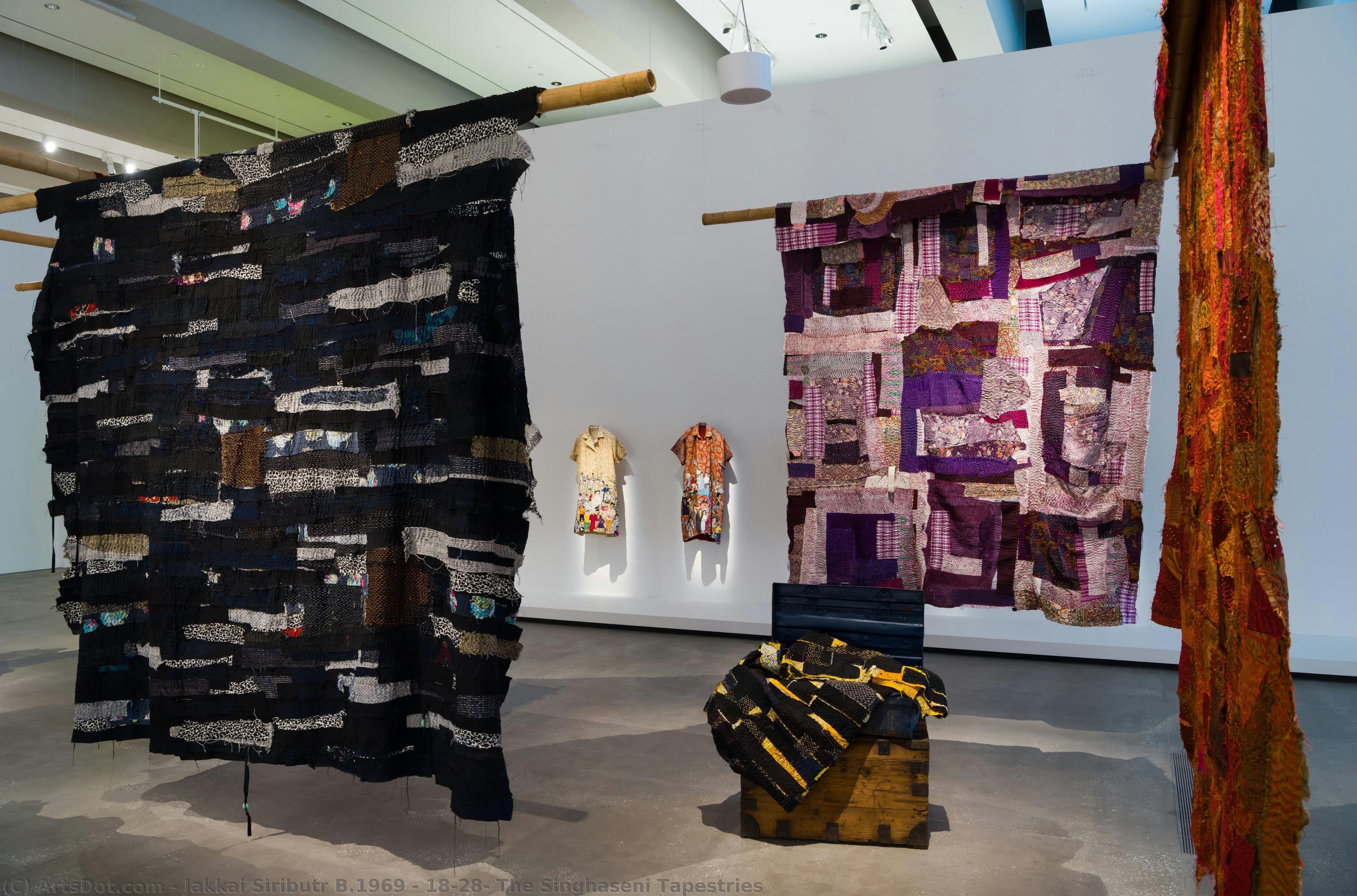
18/28: The Singhaseni Tapestries


 詳細を見る
詳細を見る




































作品のオリジナル比率に合わせた、当店の規定サイズからお選びください。

特定のフレームやスペースに合わせて、ご希望のサイズをご入力いただけます。選択されたサイズが元の画像の比率と異なる場合、アートワークをトリミングするか、手描きで要素を追加して絵画を拡張いたします。デジタルモックアップ を制作し、制作開始前にご確認(承認)をいただきます。
画面上のプレビューは、実際のトリミングや拡張を正確に反映しているものではありません。最終的な構図は、モックアップによってのみ正確にご確認いただけます。
カスタムサイズもご利用いただけますが、元の比率を維持するためには、あらかじめ用意されたリストからサイズを選択することをお勧めいたします。
ご注文後、ArtsDot.com チームより詳細な指示をお送りするとともに、仕上がりイメージ(モックアップ)をご提供いたします。


 ガラスオプションは、110cm未満のサイズでのみご利用いただけます。

18/28: The Singhaseni Tapestries
複製技法
複製画のサイズ
-


合計金額
$ 263
関連作品





アーティストの略歴
A Tapestry of Memory: The Life and Art of Jakkai Siributr
Jakkai Siributr, born in Bangkok, Thailand, in 1969, is an artist whose work transcends the boundaries of craft and fine art. He isn’t simply a textile artist; he is a storyteller weaving narratives of personal history, societal upheaval, and cultural identity into intricate tapestries, quilts, and installations that resonate with profound emotional depth. His journey began in childhood, captivated by the vibrant world of textiles within his family home—a fascination that would ultimately shape his artistic path.
Siributr’s formal training took him to the United States, where he studied textile design at Indiana University and Printed Textile Design at Philadelphia University. This period was pivotal, providing him with a technical foundation while simultaneously exposing him to diverse artistic perspectives. However, it wasn't merely the acquisition of skills that proved transformative; it was the realization that textiles could be far more than decorative objects—they could serve as powerful vehicles for expressing complex ideas and challenging established norms. Upon returning to Thailand, he began to explore these possibilities with increasing ambition.
Unraveling Histories: Themes and Influences
The core of Siributr’s artistic practice lies in his exploration of often-silenced histories within Thai society. He delves into the unofficial narratives—the stories of marginalized communities, political conflicts, and personal traumas that are frequently absent from mainstream accounts. His work is deeply rooted in a desire to acknowledge these forgotten experiences and give voice to those who have been historically unheard. This commitment stems from his own family history, particularly the legacy of his mother’s lineage, the Singhaseni house, which became central to one of his most significant projects.
Buddhism also plays a crucial role in Siributr's artistic vision. Growing up immersed in Buddhist teachings instilled in him a profound sense of compassion and an understanding of impermanence—themes that are subtly woven into the fabric of his art. He often references Jataka Tales, sacred Buddhist writings, using their allegorical narratives as metaphors for contemporary social issues. However, he doesn’t present Buddhism as a monolithic ideology; instead, he examines its complex relationship with power structures and materialism in modern Thailand.
Major Achievements: From ‘18/28’ to ‘Matrilineal’
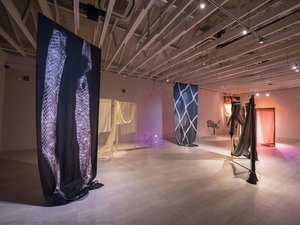
Siributr's breakthrough work, ‘18/28: The Singhaseni Tapestries’ (2017), is a monumental exploration of his family history and Thailand’s political past. This installation comprises intricately embroidered tapestries created from fabrics collected from seven of his maternal aunts. Each tapestry depicts scenes from news photographs and family diaries, interwoven with passages read by his mother—a poignant tribute to her life and the secrets held within their ancestral home at address 18/28. The work is a powerful meditation on memory, loss, and the complexities of familial relationships.
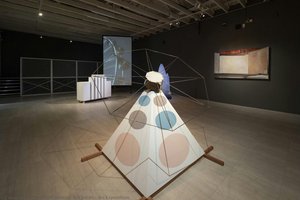
More recently, ‘Matrilineal’ (2023), further solidified Siributr's reputation as a leading contemporary artist. This solo exhibition at 100 Tonson Foundation in Bangkok delved deeper into his family lineage, exploring the stories of the women who shaped his identity. Through meticulously crafted textiles and installations, he presented a nuanced portrait of female resilience, cultural heritage, and the enduring power of matrilineal connections.
His participation in international exhibitions such as the Dhaka Art Summit and the Gwangju Biennale has brought his work to a wider audience, earning him critical acclaim and establishing him as a significant voice within the global art community. His recent exhibition ‘There’s no Place’ at the Whitworth Art Gallery in Manchester (2024-2025) showcased his long-term project of collaborative embroidery with the Koung Jor Shan Refugee Camp, further demonstrating his commitment to social engagement and cross-cultural dialogue.
A Legacy Woven in Threads
Jakkai Siributr’s historical significance lies not only in his technical mastery but also in his ability to transform a traditionally marginalized art form into a powerful medium for social commentary. He challenges conventional notions of what constitutes “art,” blurring the lines between craft, sculpture, and painting. His work is deeply personal yet universally resonant, inviting viewers to contemplate their own histories, cultural identities, and the complexities of the human experience.
He has become a leading figure in Southeast Asian contemporary art, inspiring a new generation of artists to explore themes of identity, memory, and social justice through innovative artistic practices. His legacy is one woven in threads—a tapestry of stories, emotions, and cultural heritage that continues to unfold with each meticulously crafted piece.
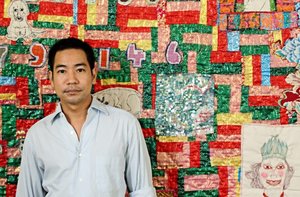
jakkai siributr b.1969
1969 - , Thailand
基本情報
- Artistic Movement Or Style: Textile art, Contemporary Art
- Date Of Birth: 1969
- Full Name: Jakkai Siributr
- Nationality: Thai
- Notable Artworks:
- 18/28: The Singhaseni Tapestries
- Matrilineal
- Place Of Birth: Bangkok, Thailand

