

 プレビュー
プレビュー
 プリントを購入
 シェアする
シェアする シェアする
シェアする
 詳細を見る
詳細を見る

 ダウンロード
 似ている作品
 X線調査
X線調査 スライドショー
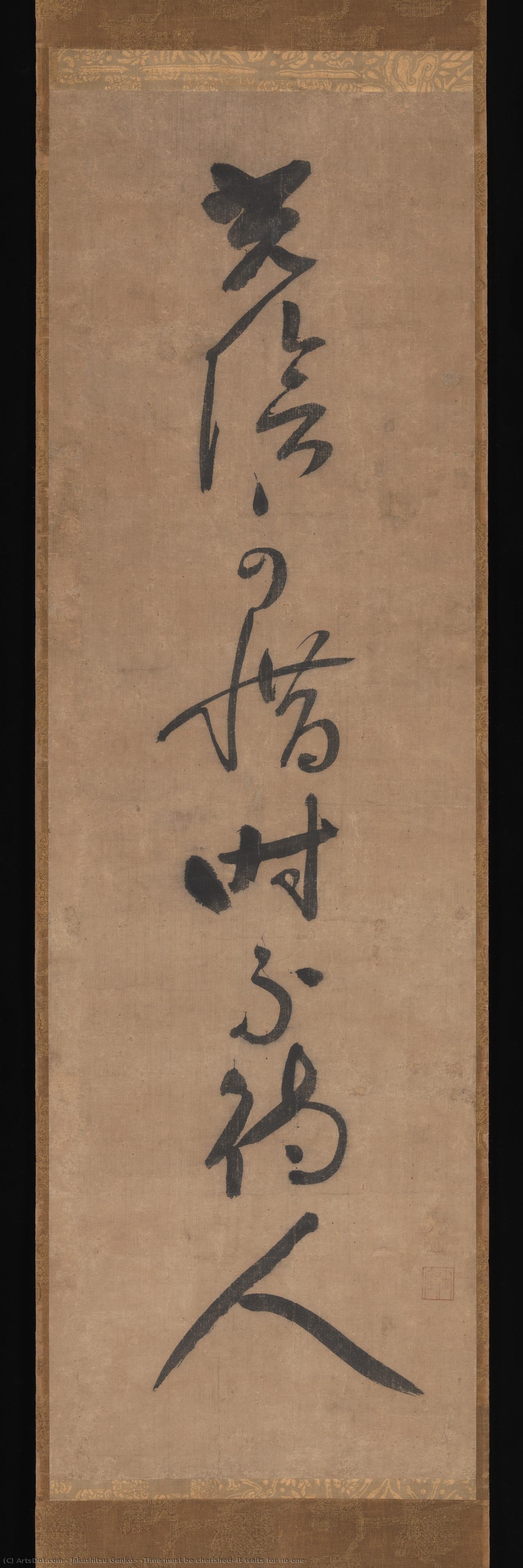
“Time must be cherished, it waits for no one”
 301
301 108.0cm x 31.0cm
 詳細を見る
詳細を見る
オンラインプレビューをはるかに凌ぐ、高解像度で鮮明なデジタル画像をご購入いただけます。
各ファイルは、社内の専門家が高度なツールと熟練した手作業によるレタッチを用いて、細心の注意を払って準備されています。すべての画像において、卓越した鮮明度、正確な色彩再現性、そして繊細なディテールを保証いたします。
最終ファイルは、プロフェッショナルな編集・印刷環境ですぐにご利用いただけるよう最適化された状態で、72時間以内にメールにてお届けいたします。これは、一流のデザインスタジオ、出版社、ギャラリーから信頼されているものと同等の品質です。
デジタル画像のご注文に付随する特典
高品質なデジタル画像配信を、確かな品質で。
ArtsDot.com を選ぶことは、単に画像を手に入れることではありません。それは、プロの手によって精密に仕上げられ、満足保証が付いた高品質なデジタルアートワークを受け取ることを意味します。ご注文いただいた際に自動的に付随する内容は、以下の通りです:

メールですぐにお届け
ご注文から72時間以内に、高解像度のデジタル画像ファイルがメールでお手元に届きます。すぐにそのままご利用いただけます。

AI技術で最適化されたデジタルファイル
お客様の作品は、高度なAIツールと専門家による手作業の編集を組み合わせてプロフェッショナルに最適化されており、細部のディテール、鮮明さ、そして正確な色再現性を最大限に引き出しています。

一生涯無料の再送サービス
ファイルを誤って削除したり、紛失してしまったりしましたか?ご安心ください。いつでも無料で再送いたします。

輸入手数料は一切かかりません
関税や手数料、配送料を気にすることなく、お気に入りのアートワークをすぐにお楽しみいただけます。デジタルダウンロードは常に免税です。

色彩再現の保証
プロ仕様のツールとカラーマネジメント技術を用いることで、デジタル画像が元の色を最大限に忠実に再現することを保証いたします。

100日間満足保証
ご購入いただいたデジタル画像にご満足いただけない場合は、100日以内であれば、修正または100%の返金(理由を問う必要はありません)をさせていただきます。

100% 返金保証
ご満足いただけない場合は、デジタルファイルを受け取ってから100日以内であれば、理由を問わず全額返金いたします。

まとめ買い割引
3枚購入で10%OFF - 5枚購入で15%OFF - 10枚以上購入で20%OFF。クリエイティブなプロジェクト、ギャラリー、エージェンシーに最適です。
関連作品










作家の略歴
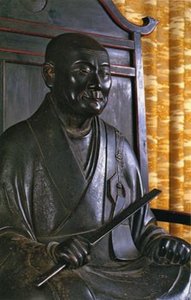
A Poet of Stillness: Exploring the Legacy of Jakushitsu Genkō
Jakushitsu Genkō (寂室 元光, june 23, 1290 – september 25, 1367) stands as a singular figure in fourteenth-century Japan—a Rinzai Zen master whose artistic output transcended mere craftsmanship to embody the very essence of contemplative practice. More than just a painter’s disciple, Genkō was a poet who wrestled with profound philosophical questions and distilled them into verses that continue to resonate with practitioners and scholars alike. His contribution to Zen aesthetics is undeniable, cementing his place among Japan's most revered literary luminaries.- Early Life & Artistic Formation: Little biographical detail survives concerning Genkō’s formative years; he emerged from obscurity as a student of Zen at Nara Temple, establishing a foundation for his lifelong devotion to the Dharma. However, it was his pilgrimage to China between 1320 and 1326 that irrevocably shaped his artistic sensibilities. Driven by an unwavering desire for enlightenment, Genkō traveled extensively, immersing himself in the teachings of Linji Chan Buddhism—a school known for its radical immediacy and paradoxical pronouncements. This experience instilled within him a deep appreciation for simplicity and directness, qualities that would permeate his poetic endeavors.
- The Influence of Linji & Literary Tradition: The Linji School’s emphasis on sudden enlightenment profoundly impacted Genkō's worldview. Rejecting elaborate ritualistic practices, Linji masters advocated for confronting reality without mediation—a principle mirrored in Genkō’s poetry. He drew inspiration from the towering figures of Fujiwara no Teika and other prominent poets of his era, absorbing their stylistic innovations while forging a distinctly Japanese voice. Furthermore, Genkō's artistic vision was informed by the burgeoning tradition of literati painting, particularly the serene landscapes favored by Lu You—a movement that prioritized capturing the spirit of nature rather than mere visual representation.
- A Voice of Quiet Reflection: Genkō’s poetic style is characterized by its breathtaking brevity and crystalline clarity. He eschewed ornate metaphors and elaborate descriptions, opting instead for concise phrases that conveyed profound spiritual insight. Recurring motifs—mountains, waterfalls, and autumn foliage—served as conduits for exploring themes of impermanence, emptiness (sunyata), and the elusive quest for liberation. His poems aren’t merely aesthetically pleasing; they are invitations to contemplate the fundamental nature of existence.
- Notable Works & Recognition: Genkō's magnum opus is arguably “Poems of the Five Mountains,” a collection that meticulously documented his travels across Japan’s sacred peaks—Mount Fuji, Mount Hakusan, Mount Kinmochi, Mount Ōyama, and Mount Tsukuba. These poems capture not only the physical beauty of these landscapes but also their symbolic significance as emblems of spiritual aspiration. His inclusion in the Shin Kokin Wakashū—an imperial anthology considered one of Japan’s finest achievements in waka poetry—solidified his reputation as a master poet and ensured that his verses would endure for centuries to come.
- Legacy & Enduring Significance: Jakushitsu Genkō's influence extends far beyond the confines of his own lifetime. He championed Zen Buddhism’s core tenets, advocating for mindfulness and cultivating inner peace—values that continue to inspire Buddhist practitioners today. His poetic legacy serves as a testament to the transformative power of contemplation and reminds us that true wisdom resides not in intellectual understanding but in experiencing the world with unwavering awareness. For a deeper exploration of his work and life, consult https://ArtsDot.com/@/jakushitsu-genko or Wikipedia.
Jakushitsu Genkō
1290 - 1367 , Japan
プロフィール概要
- Artistic Movement Or Style: Rinzai Zen
- Artists Or Movements Influenced By This Artist: ['Linji School']
- Artists Who Influenced This Artist:
- Lu You
- Fujiwara no Teika
- Date Of Birth: 1290
- Date Of Death: 1367
- Full Name: Jakushitsu Genkō
- Nationality: Japanese
- Notable Artworks:
- Poems of the Five Mountains
- Shin Kokin Wakashū
- Place Of Birth: Tokyo, Japan