

 プレビュー
プレビュー
 シェアする
シェアする シェアする
シェアする
 詳細を見る
詳細を見る

 ダウンロード
 似ている作品
 X線調査
X線調査 スライドショー
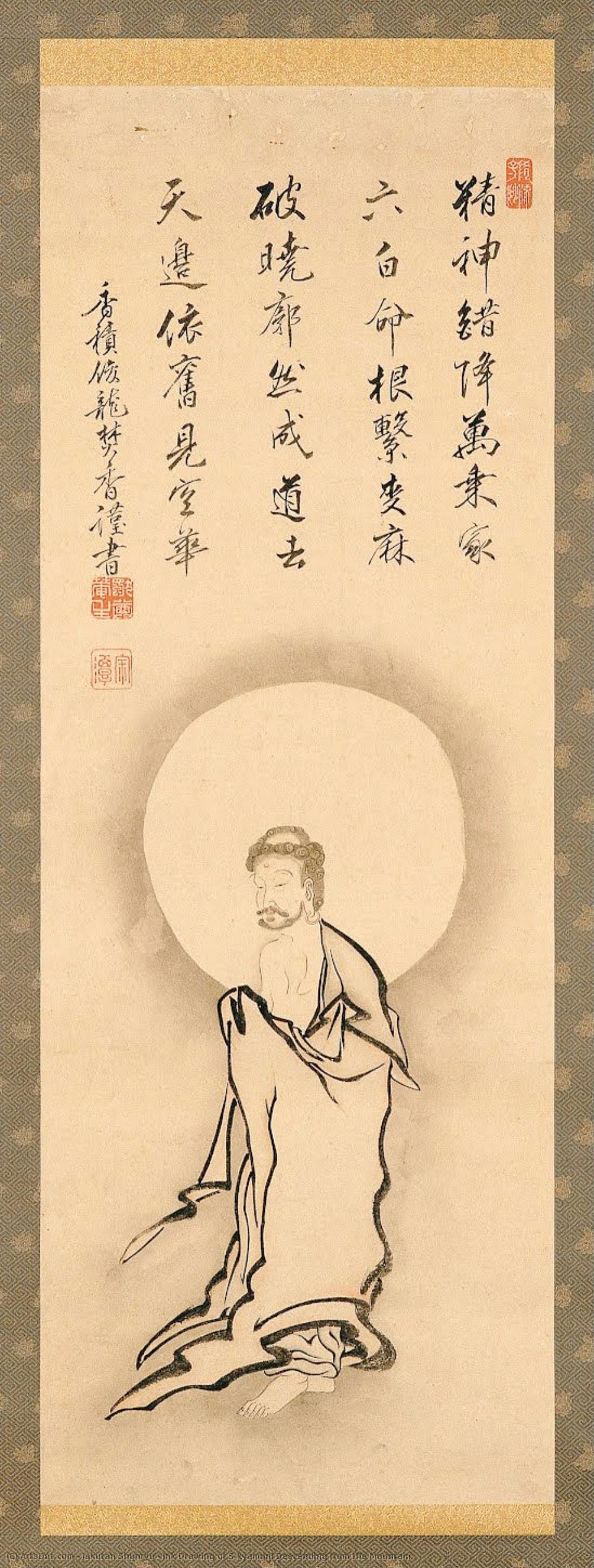
Ink Drawing of Śākyamuni Descending from the Mountain

 詳細を見る
詳細を見る
ジークレー/アートプリント
迅速な制作と多彩な仕上げオプションを備えた、ミュージアムクオリティのジークレーまたはキャンバスプリント。 ( 手描きの絵画を購入 画像を購入)




































作品のオリジナル比率に合わせた、当店の規定サイズからお選びください。

特定のフレームやスペースに合わせて、ご自身でサイズを指定することも可能です。選択されたサイズが元の画像の比率と一致しない場合、作品をトリミングするか、鏡面反射または単色での塗りつぶしによって画像を拡張いたします。制作を開始する前に、ご確認用のデジタルモックアップをお送りいたします。
画面上のプレビューには、実際のトリミングや拡張は反映されませんのでご注意ください。最終的な構図を正確に確認できるのは、モックアップのみとなります。
カスタムサイズも承っておりますが、元の比率を維持するためには、あらかじめ用意されたリストからサイズを選択することをお勧めいたします。


 ガラスオプションは、110cm未満のサイズでのみご利用いただけます。

Ink Drawing of Śākyamuni Descending from the Mountain
ジークレー/アートプリント
複製画のサイズ
-


合計金額
$ 62
関連作品


アーティストの略歴
Jakutan Shunryū (1797 – 1869): The Last Zen Master of Tokugawa Japan
Jakutan Shunryū, known as Dokusondōjin, stands as a poignant figure in the twilight years of the Tokugawa shogunate and heralds the dawn of the Meiji era. Born Mikawa Prefecture, he was more than just a monk; he embodied the spirit of traditional Zen Buddhism – meticulous scholarship combined with profound artistic expression—a testament to an era rapidly transforming under Western influence. His life’s trajectory mirrored the broader cultural shifts occurring in Japan, culminating in his passing at the age of seventy-two amidst the upheaval of modernization.- Early Life and Training: Shunryū's formative years were spent diligently pursuing monastic training within the Sōtō Zen tradition. Precise biographical details remain scarce, reflecting the limitations of historical records during that period. However, his ascension to fūgai honkō in Tenpō 12 (1841) – a prestigious temple position – signaled his commitment to upholding Buddhist principles and establishing himself as a respected leader within his monastic community.
- Temple Roles and Patronage: Shunryū’s influence extended beyond fūgai honkō. He skillfully navigated the complexities of temple administration, securing roles at kyokai tōryū (1853) and seiryōji (1861), temples associated with influential clans – the ii clan – demonstrating his astute understanding of political dynamics.
- Artistic Legacy: Shunryū’s artistic pursuits were inseparable from his spiritual practice. He excelled in calligraphy and painting, primarily focusing on depictions of Buddhist patriarchs and landscapes. His works are characterized by a serene stillness and masterful execution, reflecting the core tenets of Zen philosophy – simplicity, contemplation, and an unwavering pursuit of enlightenment.
Zen Philosophy and Artistic Technique
Shunryū’s artistic output wasn't merely decorative; it served as a conduit for conveying Zen Buddhist concepts. He adhered to the precepts of shikantaza (“just sitting”), prioritizing direct experience over intellectual analysis. This approach permeated his paintings, resulting in compositions that eschewed elaborate ornamentation and instead emphasized subtle tonal gradations and precise brushstrokes—techniques honed through years of disciplined meditation. The landscapes he rendered weren’t merely scenic representations; they functioned as metaphors for the mind's journey toward emptiness.- Iconic Subjects: Shunryū’s most celebrated works depict Śākyamuni Buddha and other patriarchs, capturing their serene expressions and conveying a sense of profound wisdom. These images exemplify Zen’s emphasis on inner stillness and contemplation.
- Brushwork and Composition: His brushwork is remarkably controlled, utilizing delicate washes and precise lines to achieve remarkable textural depth and luminosity. Shunryū's compositions often incorporate asymmetrical arrangements that subtly disrupt conventional visual harmony—a deliberate stylistic choice reflecting Zen’s rejection of duality.
Major Achievements and Historical Significance
Shunryū’s contribution to Japanese art history is significant not only for his technical prowess but also for representing the final vestiges of Tokugawa artistic tradition. As a monk who championed both calligraphy and painting, he embodies the ideal of blending spiritual contemplation with creative expression—a model upheld by subsequent generations of Zen artists. His legacy persists as a reminder of Japan’s rich cultural heritage before the rapid influx of Western ideas and influences.- Influence on Later Artists: Shunryū's style profoundly impacted later Zen painters, establishing precedents for minimalist compositions and tonal harmony that continue to resonate within Japanese art today.
- Symbolism in Landscape Painting: His landscapes are imbued with symbolic meaning—representing the mind’s journey toward enlightenment—and exemplify Zen’s belief in the interconnectedness of all things.
Concluding Reflections
Jakutan Shunryū's life and art serve as a poignant chronicle of a bygone era. He remains an enduring symbol of Zen Buddhism’s commitment to simplicity, contemplation, and artistic excellence—a testament to Japan’s spiritual heritage at the cusp of modernity.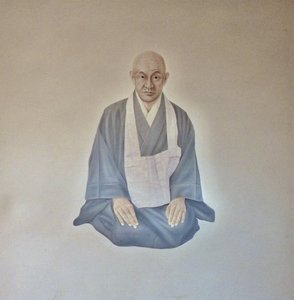
jakutan shunryū
1797 - 1869 , Japan
基本情報
- Artistic Movement Or Style: Sōtō Zen
- Date Of Birth: 1797
- Full Name: jakutan shunryū
- Nationality: Japanese
- Notable Artworks:
- Ink Drawing of the Buddha at Birth
- Ink Drawing of Śākyamuni Descending from the Mountain
- Place Of Birth: Mikawa Prefecture, Japan

