 プレビュー
プレビュー
 プリントを購入
 シェアする
シェアする シェアする
シェアする
 詳細を見る
詳細を見る

 ダウンロード
 似ている作品
 X線調査
X線調査 スライドショー
The Artist in His Studio
 Oil On Canvas
- WallArt
- Aestheticism
 1865
1865 63.0 x 46.0 cm
 アート インスティテュート オブ シカゴ
 詳細を見る
詳細を見る




P118B $10

P118H $10

P118W $10

P438Z $10

P508JH $12

P508YH $12

P805H $10

P805Z $10

P919BZ $10

P919G $10

P919XJ $10

P959ZH $10

P968JZ $12

W106C $8

W218G $10

W218JH $8

W218Y $10

W307PJ $10

W316G $10

W316PJ $8

W316Y $10

W398PJ $8

W4111J $10

W500HY $15

W500JH $15

W692G $12

W849H $8

W940BG $15

W953PJ $8




作品のオリジナル比率に合わせた、当店の規定サイズからお選びください。

特定のフレームやスペースに合わせて、ご希望のサイズをご入力いただけます。選択されたサイズが元の画像の比率と異なる場合、アートワークをトリミングするか、手描きで要素を追加して絵画を拡張いたします。デジタルモックアップ を制作し、制作開始前にご確認(承認)をいただきます。
画面上のプレビューは、実際のトリミングや拡張を正確に反映しているものではありません。最終的な構図は、モックアップによってのみ正確にご確認いただけます。
カスタムサイズもご利用いただけますが、元の比率を維持するためには、あらかじめ用意されたリストからサイズを選択することをお勧めいたします。
ご注文後、ArtsDot.com チームより詳細な指示をお送りするとともに、仕上がりイメージ(モックアップ)をご提供いたします。


 ガラスオプションは、110cm未満のサイズでのみご利用いただけます。

The Artist in His Studio
複製技法
複製画のサイズ
-


合計金額
$ 313
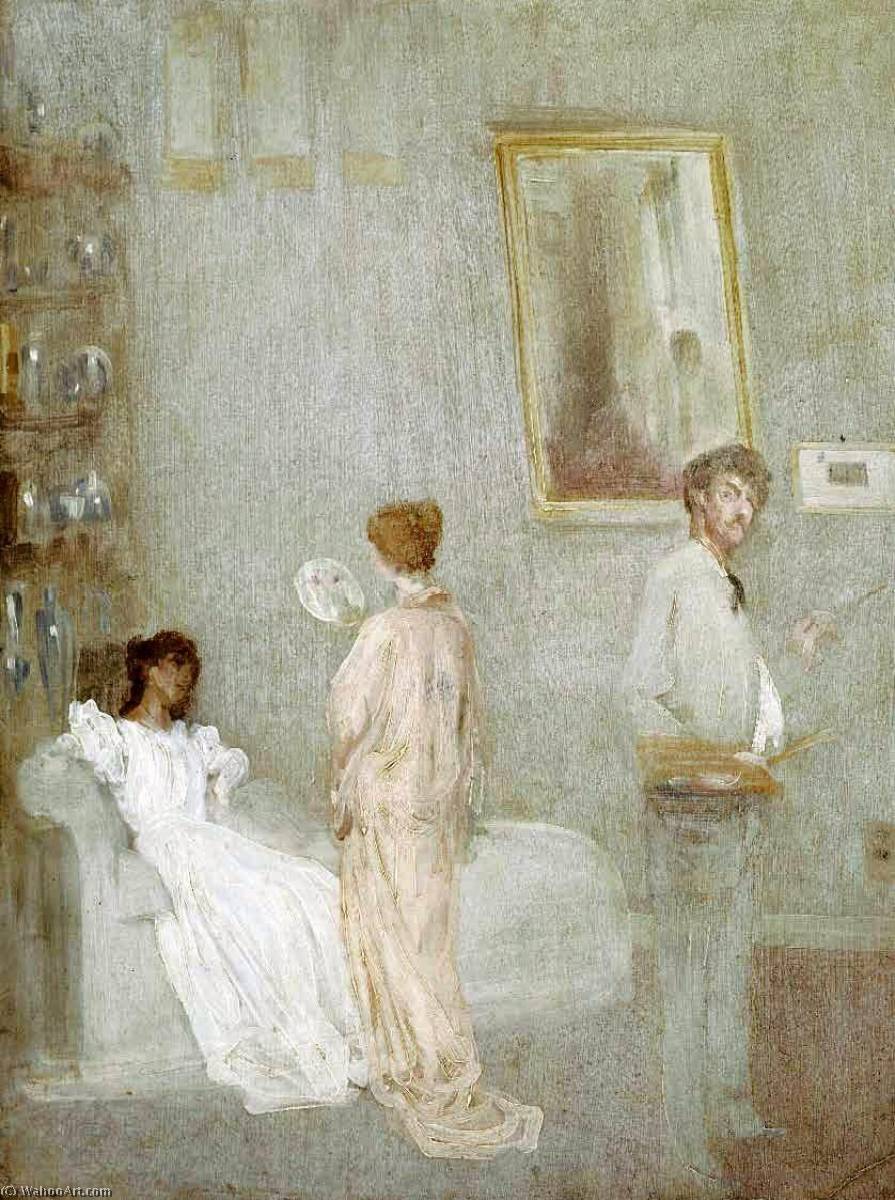
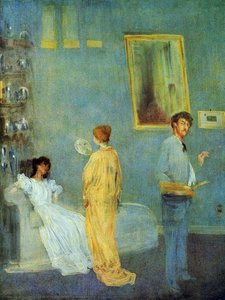
A Glimpse into the Artistic Process: Whistler’s ‘The Artist in His Studio’ (1865)
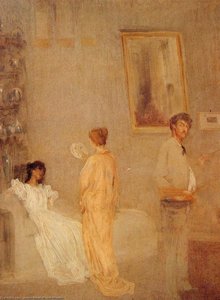
This intimate scene offers a rare and captivating look into the world of James Abbott McNeill Whistler, not as a celebrated artist, but *within* the very space where his creativity flourished. Painted in 1865, ‘The Artist in His Studio’ (63 x 46 cm) is more than just a depiction of a room; it's an exploration of artistic creation, observation, and the delicate balance between work and life.Style & Technique: Embracing Aestheticism
Whistler was a pivotal figure in the Aesthetic movement, which championed “art for art’s sake” – prioritizing beauty and formal qualities over narrative or moralizing content. This philosophy is beautifully embodied in this painting. The work leans heavily towards Impressionism, though predating its full flowering in France. Notice the soft focus, loose brushwork, and emphasis on capturing a fleeting moment rather than precise detail. Whistler masterfully employs thin washes of oil paint, layered to build up color and atmosphere gradually. This technique creates a slightly blurred, textured surface that evokes a sense of hazy recollection or dreamlike contemplation. The muted palette and tonal harmonies are hallmarks of his style – a deliberate move away from the dramatic contrasts favored by many of his contemporaries.Subject & Composition: Intimacy and Observation
The composition centers around three figures within a cramped, domestic studio setting. We see Whistler himself at his easel, seemingly absorbed in his work. A woman reclines gracefully on a chaise lounge, perhaps serving as a model or muse, while another stands nearby, observing the scene. The arrangement isn’t about grand gestures; it's about quiet observation and subtle interactions. The organic shapes of the figures and furniture blend together with soft edges, contributing to the overall sense of intimacy and atmosphere. Perspective is deliberately flattened, drawing the viewer into the space and enhancing the feeling of closeness.Symbolism & Interpretation: Art, Life, and the Muse
‘The Artist in His Studio’ invites multiple interpretations. The painting can be seen as a symbolic representation of the creative process itself – the artist at work, inspired by his muse (the reclining woman), and observed by an external presence. It speaks to the interplay between art and life, suggesting that artistic creation is not a solitary pursuit but one deeply intertwined with human relationships and everyday experiences. The carefully arranged objects within the studio—palette, furniture, clothing—are not merely props; they contribute to the overall aesthetic harmony and reinforce the idea of a curated environment designed to inspire creativity.Historical Context & Whistler’s Legacy
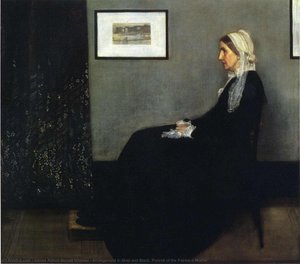
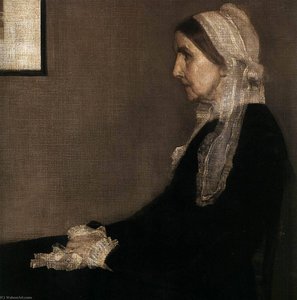
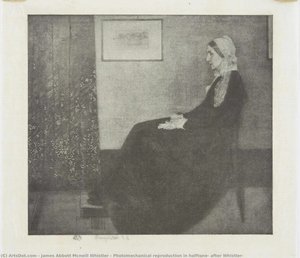
Born in America but largely working in Europe, James Abbott McNeill Whistler (1834-1903) was a cosmopolitan artist who challenged conventional artistic norms. He rejected the traditional hierarchy of painting and often titled his works as “Arrangements” or “Harmonies,” emphasizing their formal qualities over narrative content – a direct reflection of Aesthetic principles. His famous "Arrangement in Grey and Black No. 1" (better known as *Whistler’s Mother*) exemplifies this approach. ‘The Artist in His Studio’, while less iconic, shares the same commitment to tonal harmony and subtle emotional resonance that defines Whistler's most celebrated works.Emotional Impact & Interior Design
This painting evokes a sense of quiet contemplation, intimacy, and artistic reverie. Its muted tones and soft focus create a calming atmosphere, making it an ideal piece for bedrooms, studies, or living spaces where relaxation and reflection are desired. The artwork’s sophisticated aesthetic lends itself well to both traditional and contemporary interiors, adding a touch of understated elegance and intellectual depth. For collectors, this work represents a significant example of Whistler's early style and his contribution to the Aesthetic movement.関連作品
アーティストの略歴
ジェームズ・アボット・マクニール・ホイッスラー:美の探求者
1834年、アメリカのマサチューセッツ州ローウェルに生まれたジェームズ・アボット・マクニール・ホイッスラーは、絵画と版画を通して、その時代を代表する芸術家の一人として名を馳せました。彼の人生は、常に既存の規範との対立を伴い、絵画における「芸術は芸術のためである」という理念を強く主張しました。幼少期から鉄道技師であった父に随伴し各地を転々としながらも、描画への情熱を燃やし続けました。西ポインツ軍事大学での短期間の経験や測量業務への従事も、彼の芸術的探求を妨げることなく、むしろ多様な環境への適応力と感受性を育むこととなりました。やがて彼はパリへと旅立ち、セバスチャン・ボゥレのもとで油絵、水彩画、版画の技術を磨き、フランスの実ismやバルビゾン派の影響を受けながらも、独自の芸術的表現を追求し始めました。印象主義を超えた調和:ノクターンとポートレート
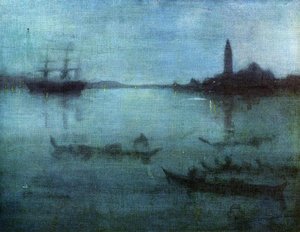
ホイッスラーが確立したスタイルは、写実的な描写よりも、色彩の調和と大気の効果を重視するものでした。彼は絵画を通して現実をそのまま再現することなく、その本質、一瞬の感情や微妙なニュアンスを捉えようと試みました。特に有名なのは「ノクターン」シリーズです。これは、夜の風景を描いた作品群で、テムズ川の薄明かりを背景に、色彩と光の微妙な変化が表現されています。これらの作品は、単なる風景描写ではなく、音楽のような調和のとれた感情的な体験を提供しようとする試みでした。また、ホイッスラーのポートレートも特筆すべき点です。彼は被写体の外見だけでなく、その内面や雰囲気までも捉えようと努めました。彼の作品に見られるポートレートは、単なる肖像画ではなく、色彩構成の一部として巧みに組み込まれた芸術的な存在となっています。「灰と黒の調和 第1番」(通称「ホイッスラーの母」)はその代表例であり、形式美と感情表現が融合した傑作として高く評価されています。美への探求と論争: Ruskinとの対立
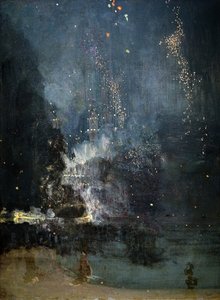
ホイッスラーの芸術的理念は、しばしば激しい論争を巻き起こしました。特に、美術批評家ジョン・ラスキンの作品に対する批判は、1878年に法廷での訴訟に発展し、芸術界に大きな波紋を広げました。「落下するロケットのある夜のノクターン」を巡るこの裁判は、ホイッスラーが芸術の自律性を主張し、絵画が現実の忠実な再現である必要がないことを力説した場となりました。彼は、自身の作品が色彩と形式の調和のとれた配置であり、道徳的または社会的なメッセージを伝えるものではないことを明確にしました。この裁判は、ホイッスラーにとって金銭的な損失をもたらしましたが、芸術における自由な表現の重要性を訴える象徴的な出来事となりました。日本美術の影響と後世への遺産
ホイッスラーの作品には、日本の浮世絵(歌麿、広重など)からの強い影響が見て取れます。大胆な構図、装飾的なパターン、そして簡潔な色彩感覚は、浮世絵の世界観を反映しており、彼の芸術的革新に大きく貢献しました。彼はまた、スペインの画家ベラスケスの色調や筆致からもインスピレーションを得て、独自の表現スタイルを確立しました。ホイッスラーの「芸術は芸術のためである」という理念は、エステティック運動を牽引し、その後の近代美術に大きな影響を与えました。彼の作品は、形式主義的なアプローチと色彩構成の探求を通して、絵画の可能性を広げ、後世の多くの芸術家にインスピレーションを与え続けています。ホイッスラーの足跡:主要作品
- The Forge (1861)
- Portrait of Charles Lang Freer (1873)
- Brown and Gold: The Gold Girl—Connie Gilchrist (1876-77)
- Arrangement in Grey and Black No. 1 (Whistler’s Mother) (1871)
- Nocturne in Black and Gold – The Falling Rocket (1875)
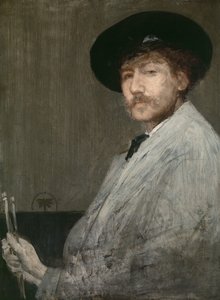
ジェームズ・アボット・マクニール・ホイッスラー
1834 - 1903 , アメリカ合衆国
基本情報
- フルネーム: ジェームズ・アボット・マクニール・ホイッスラー
- 主な作品:
- whistler’s Mother
- Nocturne in Black and Gold
- The Forge
- 出生地: ローウェル(アメリカ合衆国)
- 国籍: アメリカ合衆国
- 影響を与えたアーティスト: ['アースティティック運動']
- 影響を受けたアーティスト:
- ベラスケス
- 日本の浮世絵
- 没年月日: 1903年7月17日
- 生年月日: 1834年7月10日
- 芸術運動/スタイル: 印象派、アール・ヌーヴォー
関連記事
ジェームズ・マクニール・ホイストラー:至高の25選 - 美と調和を求めた芸術家の軌跡 | ArtsDot
ジェームズ・マクニール・ホイストラーの至高の25選。ノクターン、印象派、美しい色彩に満ちた作品群を紐解きます。ArtsDotで高品質なアートプリントとインテリアをお楽しみください。名画の世界へ – ArtsDot.com
Sir Alfred Munnings' Masterpieces: 25 Paintings That Define Equine Art | ArtsDot
Explore 25 iconic Sir Alfred Munnings paintings! Discover the beauty of British Impressionism, equine art & rural England. Find museum-quality reproductions and elevate your home decor with ArtsDot. Explore the full collection online.

印象派風景を彩った至宝:アート史に名を刻む10選
印象派風景の革新を彩った10選。モネ、ルノワールら巨匠の名作を紐解き、色彩と光が生み出す感動の世界へ。アートの歴史とインテリアのインスピレーションをArtsDot.comで。高品質な複製画で、あなただけの空間を創造しましょう。
Impressionistic Realism's Finest: 10 Masterpieces for Your Home | ArtsDot
Journey through Impressionistic Realism with 10 iconic masterpieces by Monet, Renoir & Van Gogh. Explore art history, techniques & find museum-quality reproductions for your home at ArtsDot.com. Discover all masterpieces online!

Impressionistic Landscapes: 10 Masterpieces That Changed Art & Decor
Journey into the heart of Impressionism! Explore 10 masterpieces by Monet, Renoir & Degas that revolutionized landscape art. Discover their stories, techniques & find museum-quality reproductions to elevate your home decor on ArtsDot.com.