

 プレビュー
プレビュー
 プリントを購入
 シェアする
シェアする シェアする
シェアする
 詳細を見る
詳細を見る

 ダウンロード
 似ている作品
 X線調査
X線調査 スライドショー
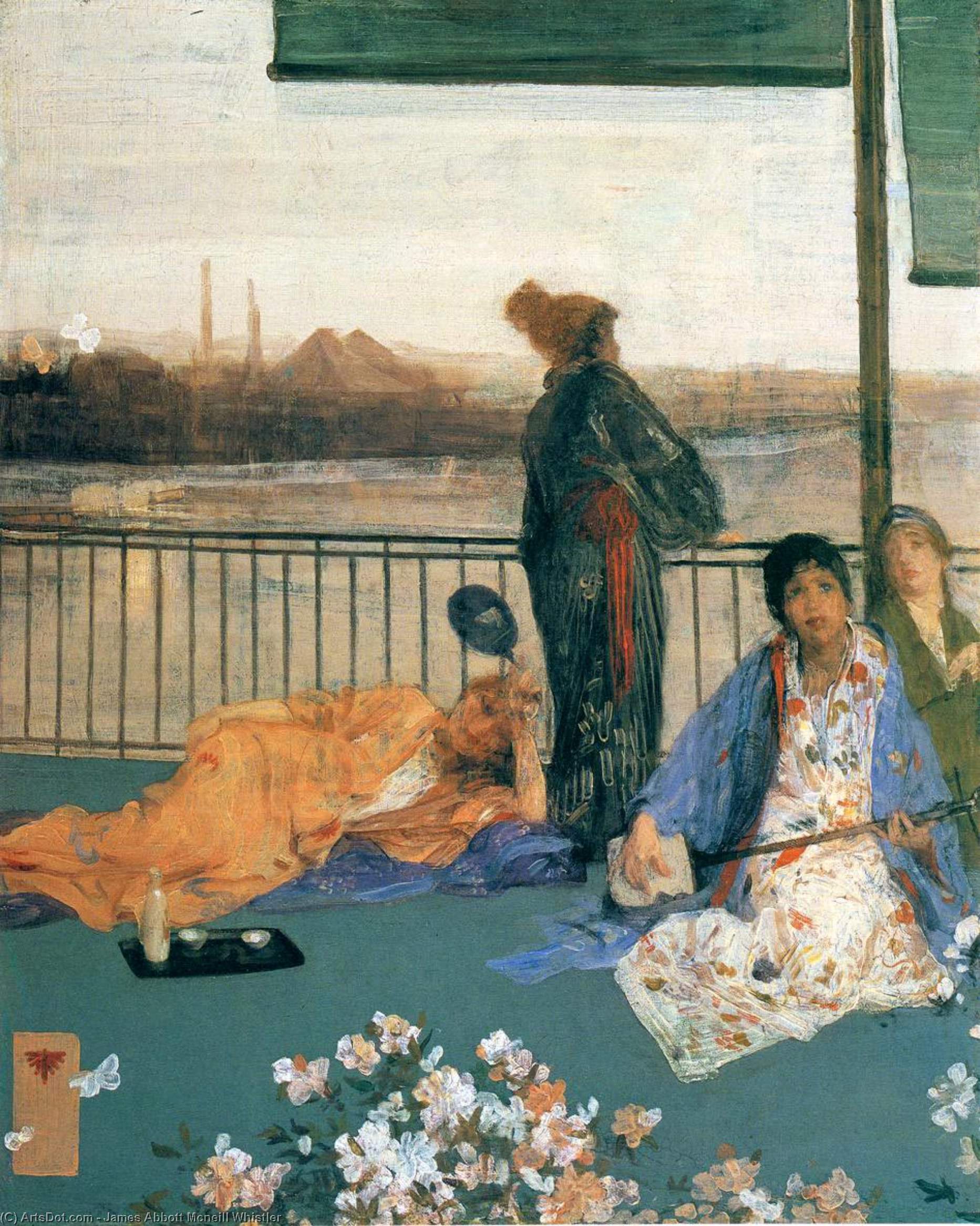
Variations in Flesh Colour and Green: The Balcony


 詳細を見る
詳細を見る
オンラインプレビューをはるかに凌ぐ、高解像度で鮮明なデジタル画像をご購入いただけます。
各ファイルは、社内の専門家が高度なツールと熟練した手作業によるレタッチを用いて、細心の注意を払って準備されています。すべての画像において、卓越した鮮明度、正確な色彩再現性、そして繊細なディテールを保証いたします。
最終ファイルは、プロフェッショナルな編集・印刷環境ですぐにご利用いただけるよう最適化された状態で、72時間以内にメールにてお届けいたします。これは、一流のデザインスタジオ、出版社、ギャラリーから信頼されているものと同等の品質です。
デジタル画像のご注文に付随する特典
高品質なデジタル画像配信を、確かな品質で。
ArtsDot.com を選ぶことは、単に画像を手に入れることではありません。それは、プロの手によって精密に仕上げられ、満足保証が付いた高品質なデジタルアートワークを受け取ることを意味します。ご注文いただいた際に自動的に付随する内容は、以下の通りです:

メールですぐにお届け
ご注文から72時間以内に、高解像度のデジタル画像ファイルがメールでお手元に届きます。すぐにそのままご利用いただけます。

AI技術で最適化されたデジタルファイル
お客様の作品は、高度なAIツールと専門家による手作業の編集を組み合わせてプロフェッショナルに最適化されており、細部のディテール、鮮明さ、そして正確な色再現性を最大限に引き出しています。

一生涯無料の再送サービス
ファイルを誤って削除したり、紛失してしまったりしましたか?ご安心ください。いつでも無料で再送いたします。

輸入手数料は一切かかりません
関税や手数料、配送料を気にすることなく、お気に入りのアートワークをすぐにお楽しみいただけます。デジタルダウンロードは常に免税です。

色彩再現の保証
プロ仕様のツールとカラーマネジメント技術を用いることで、デジタル画像が元の色を最大限に忠実に再現することを保証いたします。

60日間満足保証
ご購入いただいたデジタル画像にご満足いただけない場合は、60日以内であれば、修正または100%の返金(理由を問う必要はありません)をさせていただきます。

100% 返金保証
ご満足いただけない場合は、デジタルファイルを受け取ってから60日以内であれば、理由を問わず全額返金いたします。

まとめ買い割引
3枚購入で10%OFF - 5枚購入で15%OFF - 10枚以上購入で20%OFF。クリエイティブなプロジェクト、ギャラリー、エージェンシーに最適です。
A Moment of Tranquil Harmony: James Abbott McNeill Whistler’s “Variations in Flesh Colour and Green: The Balcony”
James Abbott McNeill Whistler's "Variations in Flesh Colour and Green: The Balcony," painted in 1865, isn’t merely a depiction of a group enjoying an afternoon on a balcony; it’s a carefully orchestrated meditation on light, color, and the quiet beauty of domesticity. Housed within the Freer Gallery of Art, this oil-on-panel masterpiece exemplifies Whistler's pivotal role in shaping the aesthetic movement – his radical rejection of sentimentalism in favor of what he termed “art for art’s sake.” The painting immediately draws the eye with its subtle palette and masterful use of tonal harmony. Rather than striving for photographic realism, Whistler deliberately muted the colors, prioritizing the interplay of light and shadow to create a sense of atmospheric depth and tranquility. The figures themselves are rendered with an almost ghostly quality, their forms dissolving into the surrounding environment – a deliberate choice that emphasizes the painting’s focus on mood and sensation rather than individual portraiture.
Whistler's approach was revolutionary for his time. He moved away from the prevailing academic style, which emphasized narrative and historical subject matter, to concentrate instead on the intrinsic qualities of color and composition. This shift is powerfully evident in “The Balcony.” The scene unfolds as if viewed through a hazy memory, a fleeting impression captured with exquisite sensitivity. Notice how Whistler skillfully uses green hues – ranging from pale celadon to deeper emeralds – not just as a backdrop but as an active participant in the painting’s visual language. These greens aren't simply descriptive; they evoke a sense of coolness and serenity, complementing the warm flesh tones of the figures and creating a harmonious balance within the composition.
The Composition: A Carefully Constructed Arrangement
The painting’s arrangement is deceptively simple yet profoundly effective. A group of individuals – likely Whistler's friends and patrons – are gathered on a balcony overlooking a body of water, possibly the Thames River in London. The figures are positioned with an almost casual grace, suggesting a relaxed and convivial atmosphere. A chair near the center invites further contemplation, while a boat visible on the left side adds depth and context to the scene, anchoring it within a specific location and time. Whistler’s use of perspective is subtle yet precise, guiding the viewer's eye through the composition with effortless ease. The balcony itself acts as a framing device, drawing attention to the figures and the tranquil vista beyond.
The inclusion of the boat isn’t merely decorative; it subtly reinforces the theme of leisure and contemplation. It suggests a world beyond the immediate scene, inviting the viewer to imagine the broader context of the gathering – perhaps a shared conversation, a quiet appreciation of the view, or simply a moment of peaceful respite from the bustle of city life. The chair further contributes to this sense of domestic comfort and invitation, as if the viewer is also invited to join in the scene.
Whistler’s Aesthetic Vision: “Art for Art's Sake”
“Variations in Flesh Colour and Green: The Balcony” stands as a cornerstone of Whistler’s aesthetic philosophy – "art for art's sake." He believed that art should exist solely for its own beauty, independent of any moral or narrative content. This approach was radical at the time, challenging the traditional role of art as a vehicle for social commentary or religious instruction. Whistler sought to capture not just what he *saw*, but how he *felt* about what he saw – translating his subjective experience into a harmonious arrangement of color and form.
His influence extended far beyond the realm of painting, impacting music, literature, and design. The title itself—a musical term—reflects Whistler’s belief that art should be considered akin to music, prioritizing harmony and tonal relationships over literal representation. Consider his famous “Arrangement in Grey and Black No. 1” (Whistler's Mother), a work that similarly eschewed narrative content in favor of pure aesthetic exploration. This painting, along with "The Balcony," cemented Whistler’s legacy as a pioneer of modern art.
A Legacy of Subtle Beauty: Reproductions and Beyond
Today, “Variations in Flesh Colour and Green: The Balcony” continues to captivate viewers with its understated elegance and profound sense of tranquility. ArtsDot offers meticulously crafted hand-painted reproductions that faithfully capture the essence of Whistler’s original masterpiece. These reproductions are not simply copies; they are artistic interpretations created by skilled artisans who understand the nuances of Whistler's technique and vision. Whether you seek a stunning addition to your home or office, or a unique gift for an art enthusiast, our reproductions provide a beautiful way to experience the enduring power of this iconic work.
For further exploration, we encourage you to visit the Freer Gallery of Art in Washington D.C., where the original painting resides. You can also delve deeper into Whistler’s life and work through resources like Wikipedia (Wikipedia) and the WGA website (WGA). And of course, explore our collection of Whistler reproductions at ArtsDot.com.
関連作品
作家の略歴
ジェームズ・アボット・マクニール・ホイッスラー:美の探求者
1834年、アメリカのマサチューセッツ州ローウェルに生まれたジェームズ・アボット・マクニール・ホイッスラーは、絵画と版画を通して、その時代を代表する芸術家の一人として名を馳せました。彼の人生は、常に既存の規範との対立を伴い、絵画における「芸術は芸術のためである」という理念を強く主張しました。幼少期から鉄道技師であった父に随伴し各地を転々としながらも、描画への情熱を燃やし続けました。西ポインツ軍事大学での短期間の経験や測量業務への従事も、彼の芸術的探求を妨げることなく、むしろ多様な環境への適応力と感受性を育むこととなりました。やがて彼はパリへと旅立ち、セバスチャン・ボゥレのもとで油絵、水彩画、版画の技術を磨き、フランスの実ismやバルビゾン派の影響を受けながらも、独自の芸術的表現を追求し始めました。印象主義を超えた調和:ノクターンとポートレート
ホイッスラーが確立したスタイルは、写実的な描写よりも、色彩の調和と大気の効果を重視するものでした。彼は絵画を通して現実をそのまま再現することなく、その本質、一瞬の感情や微妙なニュアンスを捉えようと試みました。特に有名なのは「ノクターン」シリーズです。これは、夜の風景を描いた作品群で、テムズ川の薄明かりを背景に、色彩と光の微妙な変化が表現されています。これらの作品は、単なる風景描写ではなく、音楽のような調和のとれた感情的な体験を提供しようとする試みでした。また、ホイッスラーのポートレートも特筆すべき点です。彼は被写体の外見だけでなく、その内面や雰囲気までも捉えようと努めました。彼の作品に見られるポートレートは、単なる肖像画ではなく、色彩構成の一部として巧みに組み込まれた芸術的な存在となっています。「灰と黒の調和 第1番」(通称「ホイッスラーの母」)はその代表例であり、形式美と感情表現が融合した傑作として高く評価されています。美への探求と論争: Ruskinとの対立
ホイッスラーの芸術的理念は、しばしば激しい論争を巻き起こしました。特に、美術批評家ジョン・ラスキンの作品に対する批判は、1878年に法廷での訴訟に発展し、芸術界に大きな波紋を広げました。「落下するロケットのある夜のノクターン」を巡るこの裁判は、ホイッスラーが芸術の自律性を主張し、絵画が現実の忠実な再現である必要がないことを力説した場となりました。彼は、自身の作品が色彩と形式の調和のとれた配置であり、道徳的または社会的なメッセージを伝えるものではないことを明確にしました。この裁判は、ホイッスラーにとって金銭的な損失をもたらしましたが、芸術における自由な表現の重要性を訴える象徴的な出来事となりました。日本美術の影響と後世への遺産
ホイッスラーの作品には、日本の浮世絵(歌麿、広重など)からの強い影響が見て取れます。大胆な構図、装飾的なパターン、そして簡潔な色彩感覚は、浮世絵の世界観を反映しており、彼の芸術的革新に大きく貢献しました。彼はまた、スペインの画家ベラスケスの色調や筆致からもインスピレーションを得て、独自の表現スタイルを確立しました。ホイッスラーの「芸術は芸術のためである」という理念は、エステティック運動を牽引し、その後の近代美術に大きな影響を与えました。彼の作品は、形式主義的なアプローチと色彩構成の探求を通して、絵画の可能性を広げ、後世の多くの芸術家にインスピレーションを与え続けています。ホイッスラーの足跡:主要作品
- The Forge (1861)
- Portrait of Charles Lang Freer (1873)
- Brown and Gold: The Gold Girl—Connie Gilchrist (1876-77)
- Arrangement in Grey and Black No. 1 (Whistler’s Mother) (1871)
- Nocturne in Black and Gold – The Falling Rocket (1875)
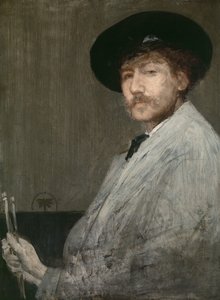
ジェームズ・アボット・マクニール・ホイッスラー
1834 - 1903 , アメリカ合衆国
プロフィール概要
- フルネーム: ジェームズ・アボット・マクニール・ホイッスラー
- 主な作品:
- whistler’s Mother
- Nocturne in Black and Gold
- The Forge
- 出生地: ローウェル(アメリカ合衆国)
- 国籍: アメリカ合衆国
- 影響を与えたアーティスト: ['アースティティック運動']
- 影響を受けたアーティスト:
- ベラスケス
- 日本の浮世絵
- 没年月日: 1903年7月17日
- 生年月日: 1834年7月10日
- 芸術運動/スタイル: 印象派、アール・ヌーヴォー

