

 プレビュー
プレビュー
 シェアする
シェアする シェアする
シェアする
 詳細を見る
詳細を見る

 ダウンロード
 似ている作品
 X線調査
X線調査 スライドショー
 Stats
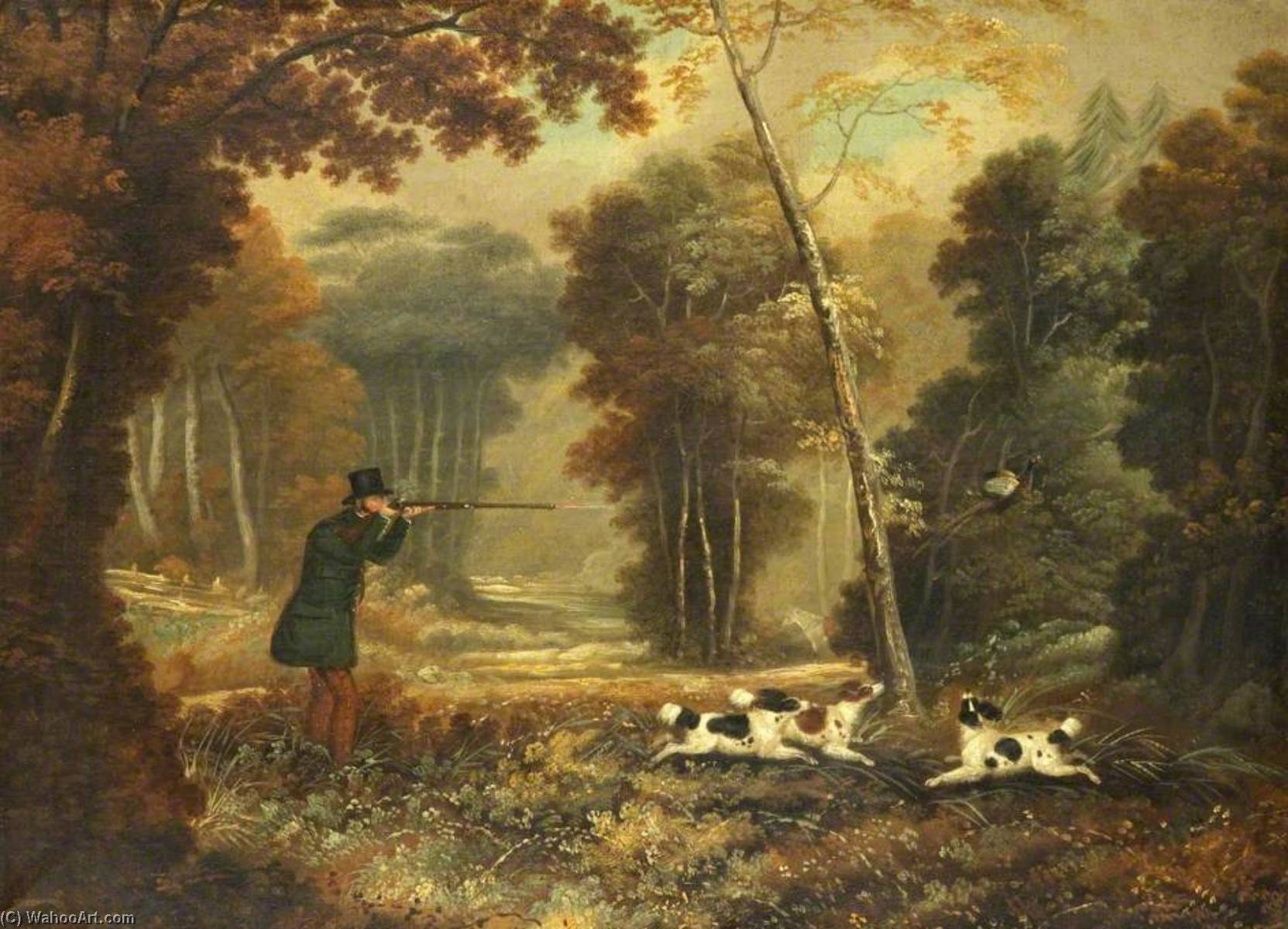
StatsPheasant Shooting
 Oil On Canvas
- WallArt
- Sporting Art
 1831
1831- 19th Century
 47.0 x 61.0 cm
 ウォーカー・アート・ギャラリー
 詳細を見る
詳細を見る
オンラインプレビューをはるかに凌ぐ、高解像度で鮮明なデジタル画像をご購入いただけます。
各ファイルは、社内の専門家が高度なツールと熟練した手作業によるレタッチを用いて、細心の注意を払って準備されています。すべての画像において、卓越した鮮明度、正確な色彩再現性、そして繊細なディテールを保証いたします。
最終ファイルは、プロフェッショナルな編集・印刷環境ですぐにご利用いただけるよう最適化された状態で、72時間以内にメールにてお届けいたします。これは、一流のデザインスタジオ、出版社、ギャラリーから信頼されているものと同等の品質です。
デジタルアート
個人での鑑賞、印刷、クリエイティブなプロジェクト用に、高解像度ファイルをダウンロードできます。 ( Switch to Print 手描きの絵画を購入)
デジタル画像のご注文に付随する特典
高品質なデジタル画像配信を、確かな品質で。
ArtsDot.com を選ぶことは、単に画像を手に入れることではありません。それは、プロの手によって精密に仕上げられ、満足保証が付いた高品質なデジタルアートワークを受け取ることを意味します。ご注文いただいた際に自動的に付随する内容は、以下の通りです:

メールですぐにお届け
ご注文から72時間以内に、高解像度のデジタル画像ファイルがメールでお手元に届きます。すぐにそのままご利用いただけます。

AI技術で最適化されたデジタルファイル
お客様の作品は、高度なAIツールと専門家による手作業の編集を組み合わせてプロフェッショナルに最適化されており、細部のディテール、鮮明さ、そして正確な色再現性を最大限に引き出しています。

一生涯無料の再送サービス
ファイルを誤って削除したり、紛失してしまったりしましたか?ご安心ください。いつでも無料で再送いたします。

輸入手数料は一切かかりません
関税や手数料、配送料を気にすることなく、お気に入りのアートワークをすぐにお楽しみいただけます。デジタルダウンロードは常に免税です。

色彩再現の保証
プロ仕様のツールとカラーマネジメント技術を用いることで、デジタル画像が元の色を最大限に忠実に再現することを保証いたします。

100日間満足保証
ご購入いただいたデジタル画像にご満足いただけない場合は、100日以内であれば、理由を問わず修正または100%の返金対応をさせていただきます。

100% 返金保証
ご満足いただけない場合は、デジタルファイルを受け取ってから100日以内であれば、理由を問わず全額返金いたします。

まとめ買い割引
3枚購入で10%OFF - 5枚購入で15%OFF - 10枚以上購入で20%OFF。クリエイティブなプロジェクト、ギャラリー、エージェンシーに最適です。
The Thrill of the Chase: A Masterpiece of Sporting Art
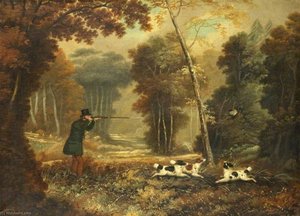
In the quiet, dappled light of the English countryside, time seems to suspend itself within James Barenger’s 1831 masterpiece, Pheasant Shooting. This evocative oil on canvas is far more than a mere depiction of a sporting event; it is a window into the soul of nineteenth-century British tradition. As the viewer gazates upon the scene, they are immediately drawn into the tension of the hunt, where the rustle of underbrush and the rhythmic panting of hounds feel almost audible. Barenger, a pioneer of the English School, utilizes his profound understanding of animal anatomy and natural light to capture that fleeting, breathless moment when the hunter prepares to discharge his flintlock, and the birds are flushed from their woodland sanctuary.
The composition is a masterclass in balanced energy. Positioned toward the left of the frame, the hunter stands as the focal point of human intent, yet he is inextricably linked to the natural world around him. His loyal companions—three dogs spread across the canvas—act as visual anchors that guide the eye through the thicket. One hound presses forward near the center, another lingers to the left, and a third explores the periphery to the right, creating a sense of movement that mimics the unpredictable path of the quarry. This strategic arrangement ensures that the viewer’s gaze does not rest in one place but instead wanders through the lush, textured landscape, mirroring the very search conducted by the hunter himself.
Technique and the Art of Realism
What distinguishes Barenger’s work is his meticulous attention to the minute details of the natural world, a skill likely inherited from his father’s precision in metal chasing. In Pheasant Shooting, every element—from the coarse texture of the dog's fur to the delicate play of light on the hunter's attire—is rendered with an almost scientific accuracy. The artist employs a rich, vibrant palette that breathes life into the English woods, using deep greens and earthy browns to create depth, while sudden highlights suggest the sun breaking through a dense canopy. This mastery of light and shadow, or chiaroscuro, lends a three-dimensional quality to the subjects, making the scene feel remarkably tactile.
For the discerning collector or interior designer, this painting offers an unparalleled sense of prestige and historical weight. The piece embodies the "Sporting Art" genre, which was the height of sophistication during the 19th century, representing a period when the landed gentry celebrated their connection to the land and the seasonal rhythms of country life. Bringing a high-quality reproduction of this work into a space does not merely decorate a wall; it introduces a narrative of heritage, elegance, and the timeless allure of the great outdoors.
An Emotional Legacy for Modern Interiors
Beyond its technical brilliance, Pheasant Shooting resonates on an emotional level through its depiction of companionship and focus. There is a profound sense of harmony in the relationship between the man and his dogs, a silent pact of trust and shared purpose that transcends the centuries. This theme of connection makes the artwork particularly compelling for contemporary settings, where it can serve as a sophisticated centerpiece in a study, a library, or a grand dining room.
Whether you are an art historian captivated by the evolution of the English School or a decorator seeking to infuse a room with the warmth and character of a bygone era, this painting serves as an exquisite inspiration. It invites contemplation of the natural world and celebrates the artistry required to freeze a moment of high drama forever in oil. To possess a reproduction of Barenger’s work is to hold a piece of history, rendered with the passion and precision that only a true master could command.
関連作品
作家の略歴
The Master of the English Hunt: The Life and Legacy of James Barenger
In the dappled sunlight of the early nineteenth-century English countryside, few artists captured the pulse of the hunt and the quiet majesty of the animal kingdom as vividly as James Barenger. Born on Christmas Day in 1780 within the industrious enclave of Kentish Town, London, Barenger was destined for a life steeped in artistic precision. He was the son of James Barenger Snr., a celebrated metal chaser whose meticulous skill in portraying insects for the Royal Academy provided a foundational blueprint for his son’s later mastery of anatomical realism. This familial lineage of craftsmanship meant that from his earliest years, Barenger viewed the natural world not merely as scenery, and certainly not as mere decoration, but as a subject requiring scientific accuracy and profound emotional resonance.
Barenger’s artistic evolution was a journey from the delicate landscapes of his youth to the robust, muscular energy of equestrian portraiture. While he initially found footing as a landscape artist, his true calling emerged through his fascination with the movement and spirit of horses and hounds. By the time he made his formal debut at the Royal Academy in 1807, he had begun to cultivate a style that would define him: a seamless blend of naturalism and narrative tension. His work did not simply sit static upon the canvas; it breathed with the rhythmic panting of hounds and the nervous twitch of a horse's ear, capturing those fleeting, breathless moments of the chase that defined the sporting culture of his era.
Technique, Texture, and the Sporting Tradition
What truly distinguishes Barenger’s oeuvre is his unparalleled ability to render texture and light with an almost tactile quality. Whether he was depicting the coarse, wiry fur of a hunting dog or the sleek, shimmering coat of a bay mare, his brushwork conveyed a deep understanding of organic matter. In masterpieces such as Pheasant Shooting, one can sense the tension of the hunt through his strategic use of composition. He utilized the lush, textured underbrush to guide the viewer’s eye, creating a sense of depth that mirrors the very search conducted by the hunter. This mastery of light and shadow—the interplay of sunbeams piercing through thick woodland canopy—allowed him to elevate sporting scenes from mere documentation to high art.
His influence extended far beyond the walls of private galleries, reaching the wider public through the burgeoning medium of print. Barenger’s paintings were frequently reproduced in prestigious sporting publications of the day, including:
- W. H. Scott’s British Field Sports
- The Sporting Repository
- The Annals of Sporting
- The Sporting Magazine
These engravings, often executed by skilled hands like those of his brother Samuel or W. H. Scott himself, ensured that Barenger’s depictions of legendary animals, such as the famed Blucher, became iconic images within British sporting history. His work served as a visual record of an aristocratic way of life, immortalizing the breeds and the traditions of the English landed gentry.
A Lasting Impression on the English School
Though his life was tragically short, ending in 1831, James Barenger left behind a legacy that solidified his position within the prestigious English School of painting. He moved through the artistic circles of London with distinction, securing commissions from influential families like the Tattersall family, whose patronage allowed him to pursue his passion for animal breeding and fine art simultaneously. His life was a testament to the synergy between observation and execution; he lived much of his life as an avid breeder, a pursuit that undoubtedly informed the anatomical perfection found in his canvases.
Today, Barenger is remembered not merely as an illustrator of hunts, but as a pioneer who brought a new level of dignity and scientific rigor to animal painting. His ability to imbue his subjects with individual character—transforming a mere horse into a portrait of strength and grace—ensures that his work remains a vital chapter in the history of British realism. Through his eyes, we continue to witness the timeless, evocative beauty of the natural world and the enduring spirit of the English sporting tradition.
james barenger
1780 - 1831
プロフィール概要
- Artistic Movement Or Style: Early American Art
- Artists Or Movements Influenced By This Artist: ['British School']
- Artists Who Influenced This Artist: ['Dutch Masters']
- Date Of Birth: 1780
- Date Of Death: 1831
- Full Name: James Barenger
- Nationality: English
- Notable Artworks: ['Blucher']
- Place Of Birth: Kentish Town, London