

 プレビュー
プレビュー
 プリントを購入
 シェアする
シェアする シェアする
シェアする
 詳細を見る
詳細を見る

 ダウンロード
 似ている作品
 X線調査
X線調査 スライドショー
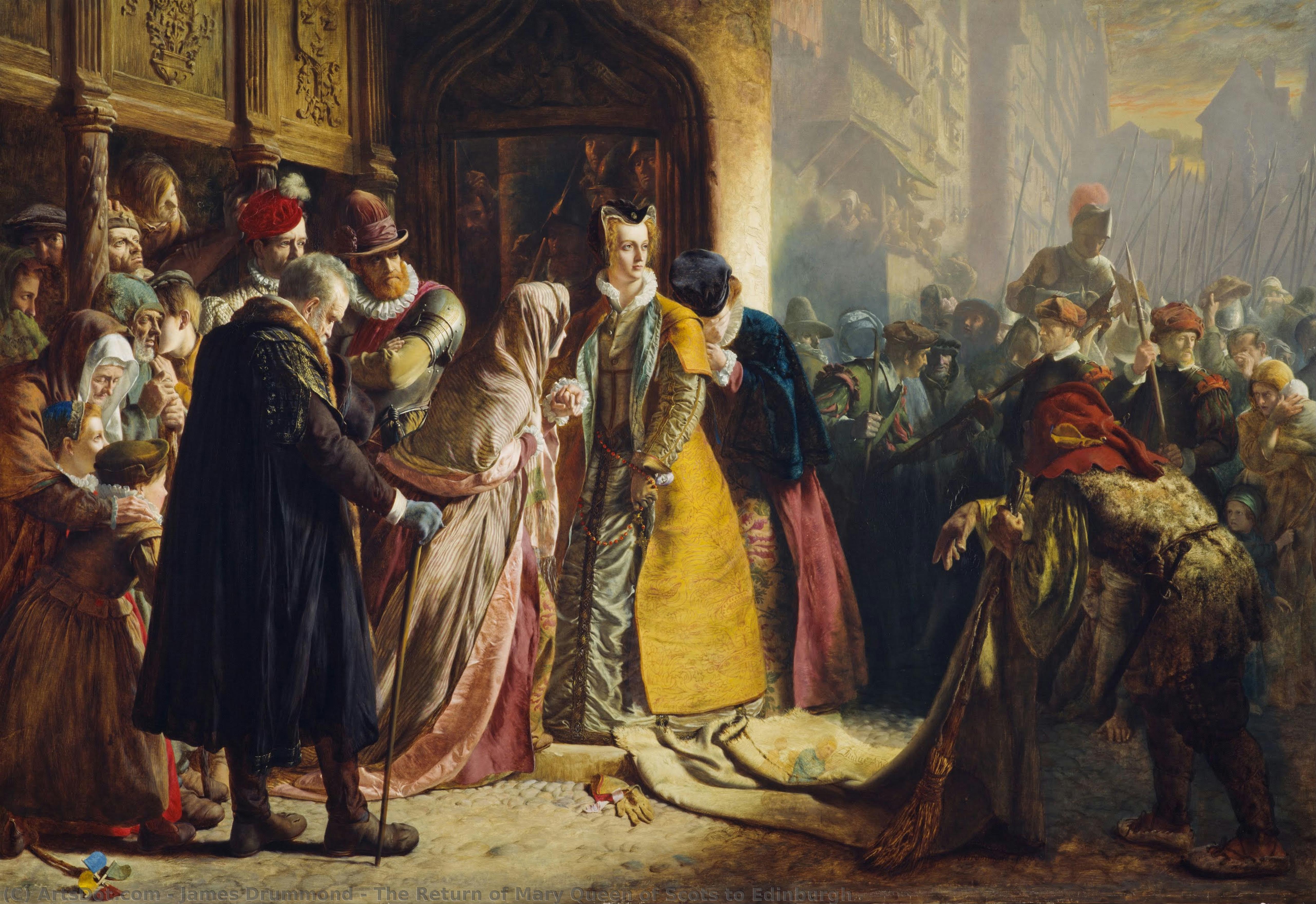
The Return of Mary Queen of Scots to Edinburgh


 詳細を見る
詳細を見る




P118B $10

P118H $10

P118W $10

P438Z $10

P508JH $12

P508YH $12

P805H $10

P805Z $10

P919BZ $10

P919G $10

P919XJ $10

P959ZH $10

P968JZ $12

W106C $8

W218G $10

W218JH $8

W218Y $10

W307PJ $10

W316G $10

W316PJ $8

W316Y $10

W398PJ $8

W4111J $10

W500HY $15

W500JH $15

W692G $12

W849H $8

W940BG $15

W953PJ $8




作品のオリジナル比率に合わせた、当店の規定サイズからお選びください。

特定のフレームやスペースに合わせて、ご希望のサイズをご入力いただけます。選択されたサイズが元の画像の比率と異なる場合、アートワークをトリミングするか、手描きで要素を追加して絵画を拡張いたします。デジタルモックアップ を制作し、制作開始前にご確認(承認)をいただきます。
画面上のプレビューは、実際のトリミングや拡張を正確に反映しているものではありません。最終的な構図は、モックアップによってのみ正確にご確認いただけます。
カスタムサイズもご利用いただけますが、元の比率を維持するためには、あらかじめ用意されたリストからサイズを選択することをお勧めいたします。
ご注文後、ArtsDot.com チームより詳細な指示をお送りするとともに、仕上がりイメージ(モックアップ)をご提供いたします。


 ガラスオプションは、110cm未満のサイズでのみご利用いただけます。

The Return of Mary Queen of Scots to Edinburgh
複製技法
複製画のサイズ
-


合計金額
$ 263
A Grand Reenactment of Scottish Sovereignty
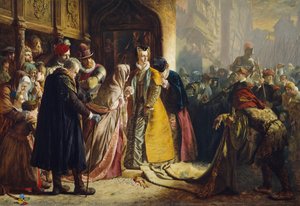
In the sweeping canvas of James Drummond’s 1870 masterpiece, The Return of Mary Queen of Scots to Edinburgh, history breathes with a palpable, living energy. This evocative historical scene transports the viewer back to 1561, capturing the profound gravity and celebratory tension of a monarch's homecoming. The painting is not merely a depiction of an event; it is a meticulously choreographed drama where every figure, draped in the rich textures of period attire, contributes to a larger narrative of national identity and royal prestige. As the eye wanders through the gathering, one feels the weight of the moment—the intersection of personal destiny and political upheaval that defined the life of Mary Stuart.
The composition is a triumph of Victorian historical painting, characterized by its intricate attention to detail and a vibrant, saturated palette that brings the outdoor assembly to life. Drummond, a man deeply rooted in the heritage of Edinburgh, utilizes his mastery of classical technique to render the textures of silk, velvet, and heavy wool with breathtaking precision. The artist populates the scene with at least thirteen distinct individuals, creating a sense of depth and social complexity. From the intimate connection between a man and woman near the center to the observant figures scattered throughout the crowd, the painting captures the multifaceted nature of public spectacle—where private emotions meet public duty.
Technique, Light, and the Romantic Vision
Drawing from his rigorous training at the Trustees Academy, Drummond employs a technique that balances academic rigor with the emotional fluidity of the Romantic movement. The light in the painting serves as a silent narrator, illuminating the faces of the assembly and casting soft shadows that suggest the shifting atmosphere of an outdoor event. This interplay of light and shadow lends a cinematic quality to the work, guiding the viewer’s gaze toward the focal points of the royal arrival. The use of color is particularly striking; the vivid hues of the period costumes stand in bold contrast against the more muted, atmospheric background, ensuring that the human drama remains at the forefront of the experience.
For the discerning collector or interior designer, this piece offers more than just historical documentation; it provides a profound emotional resonance. The painting evokes a sense of nostalgia and reverence for a bygone era, making it an ideal centerpiece for spaces that celebrate heritage, classical elegance, or storytelling. Whether placed in a grand library, a formal dining room, or a sophisticated gallery setting, a high-quality reproduction of this work serves as a window into the soul of Scotland’s past. It is a conversation piece that invites contemplation on the fleeting nature of power and the enduring legacy of history.
関連作品
アーティストの略歴
A Legacy Forged in Edinburgh
Born into the noble traditions of Edinburgh in 1816, James Drummond was a man whose very existence was intertwined with the historical fabric of Scotland. His journey began at the prestigious Trustees Academy, where he studied under the watchful eye of Sir William Allan. This classical apprenticeship instilled in him a profound respect for meticulous detail and the mastery of traditional technique, yet Drummond’s spirit was far from static.He possessed a Romantic soul that sought to breathe life into the past, transforming historical records into vibrant, emotional tapestries. His lineage provided more than just social standing; it offered a deep-seated reverence for heritage that would become the heartbeat of his entire artistic oeuvre. Through his eyes, the shadows of the past were not merely memories but living, breathing entities waiting to be rediscovered through the stroke of a brush.
The Intersection of Light and History
Beyond the canvas, Drummond was a pioneer of visual documentation, finding an unexpected ally in the burgeoning medium of photography. Around 1843, his collaboration with the legendary Hill & Adamson allowed him to explore the ephemeral beauty of the Scottish landscape and the architectural grandeur of Edinburgh through a new lens. This fascination with capturing the fleeting moment complemented his scholarly pursuits as a dedicated member of the Society of Antiquaries of Scotland.Whether through the silver nitrate of early photography or the rich oils of his paintings, Drummond was obsessed with the preservation of culture. His work often functioned as a bridge between the documented reality of his era and the imagined grandeur of centuries prior, creating a seamless narrative of Scottish identity that blended scientific observation with profound artistic intuition.
Masterpieces of Romantic Drama
The true essence of Drummond’s genius lies in his ability to reconstruct history with unparalleled dramatic fervor. He did not merely paint events; he staged them. In works such as The Return of Mary Queen of Scots to Edinburgh, the viewer is thrust into the celebratory tension of 1561, where the textures of silk and velvet are rendered with breathtaking precision. His canvases pulsate with an energy that captures the emotional intensity of political upheaval and conflict, from the harrowing The Porteous Mob to the monumental Battle of the Nile.As the curator of the National Gallery of Scotland from 1868 to 1877, his influence extended far beyond his own brushstrokes, shaping the very institution that preserves the nation's visual soul. His legacy remains a testament to the power of art to act as a living, breathing chronicle of a people’s triumphs and tragedies, ensuring that the monumental moments of Scottish history are never truly lost to time.
James Drummond
1816 - 1877 , United Kingdom
基本情報
- Artistic Movement Or Style: Romanticism
- Artists Or Movements Influenced By This Artist: ['Baroque']
- Artists Who Influenced This Artist: ['William Allan']
- Date Of Birth: Edinburgh, UK (1816)
- Date Of Death: 1877
- Full Name: James Drummond RSA FSA
- Nationality: British
- Notable Artworks:
- Montrose
- George Wishart on His Way to Execution
- Place Of Birth: Edinburgh
関連記事
ジェームズ・マクニール・ホイストラー:至高の25選 - 美と調和を求めた芸術家の軌跡 | ArtsDot
ジェームズ・マクニール・ホイストラーの至高の25選。ノクターン、印象派、美しい色彩に満ちた作品群を紐解きます。ArtsDotで高品質なアートプリントとインテリアをお楽しみください。名画の世界へ – ArtsDot.com

Sir Alfred Munnings' Masterpieces: 25 Paintings That Define Equine Art | ArtsDot
Explore 25 iconic Sir Alfred Munnings paintings! Discover the beauty of British Impressionism, equine art & rural England. Find museum-quality reproductions and elevate your home decor with ArtsDot. Explore the full collection online.
Jacob Henricus Maris: A Master of Dutch Atmospheric Realism & the Intimate Landscape
Explore the captivating world of Jacob Henricus Maris, a leading figure of the Dutch Hague School. Discover his atmospheric landscapes, signature brushstrokes & lasting influence on 19th-century art. Learn more at ArtsDot.
James Sant: Capturing Victorian Childhood & the Evolving Landscape of British Genre Painting
Explore the life & art of James Sant (1820-1916), renowned Victorian portraitist to Queen Victoria. Discover his captivating depictions of childhood, landscapes, and aristocratic society. Learn about his legacy & find fine art reproductions.
James Giles: Capturing Scottish Life Through the Lens of British Realism
Explore the life & work of James Giles (1801-1870), a master of Scottish landscape painting and favored artist of Queen Victoria. Discover his atmospheric realism & royal commissions.

