

 シェアする
シェアする シェアする
シェアする
 詳細を見る
詳細を見る

 ダウンロード
 似ている作品
 スライドショー
 Stats
StatsFor Humanity Obverse


 詳細を見る
詳細を見る
オンラインプレビューをはるかに凌ぐ、高解像度で鮮明なデジタル画像をご購入いただけます。
各ファイルは、社内の専門家が高度なツールと熟練した手作業によるレタッチを用いて、細心の注意を払って準備されています。すべての画像において、卓越した鮮明度、正確な色彩再現性、そして繊細なディテールを保証いたします。
最終ファイルは、プロフェッショナルな編集・印刷環境ですぐにご利用いただけるよう最適化された状態で、72時間以内にメールにてお届けいたします。これは、一流のデザインスタジオ、出版社、ギャラリーから信頼されているものと同等の品質です。
デジタルアート
個人での鑑賞、印刷、クリエイティブなプロジェクト用に、高解像度ファイルをダウンロードできます。 ( Switch to Print 手描きの絵画を購入)
デジタル画像のご注文に付随する特典
高品質なデジタル画像配信を、確かな品質で。
ArtsDot.com を選ぶことは、単に画像を手に入れることではありません。それは、プロの手によって精密に仕上げられ、満足保証が付いた高品質なデジタルアートワークを受け取ることを意味します。ご注文いただいた際に自動的に付随する内容は、以下の通りです:

メールですぐにお届け
ご注文から72時間以内に、高解像度のデジタル画像ファイルがメールでお手元に届きます。すぐにそのままご利用いただけます。

AI技術で最適化されたデジタルファイル
お客様の作品は、高度なAIツールと専門家による手作業の編集を組み合わせてプロフェッショナルに最適化されており、細部のディテール、鮮明さ、そして正確な色再現性を最大限に引き出しています。

一生涯無料の再送サービス
ファイルを誤って削除したり、紛失してしまったりしましたか?ご安心ください。いつでも無料で再送いたします。

輸入手数料は一切かかりません
関税や手数料、配送料を気にすることなく、お気に入りのアートワークをすぐにお楽しみいただけます。デジタルダウンロードは常に免税です。

色彩再現の保証
プロ仕様のツールとカラーマネジメント技術を用いることで、デジタル画像が元の色を最大限に忠実に再現することを保証いたします。

100日間満足保証
ご購入いただいたデジタル画像にご満足いただけない場合は、100日以内であれば、理由を問わず修正または100%の返金対応をさせていただきます。

100% 返金保証
ご満足いただけない場合は、デジタルファイルを受け取ってから100日以内であれば、理由を問わず全額返金いたします。

まとめ買い割引
3枚購入で10%OFF - 5枚購入で15%OFF - 10枚以上購入で20%OFF。クリエイティブなプロジェクト、ギャラリー、エージェンシーに最適です。
The Weight of Remembrance: James Earle Fraser’s “For Humanity Obverse”
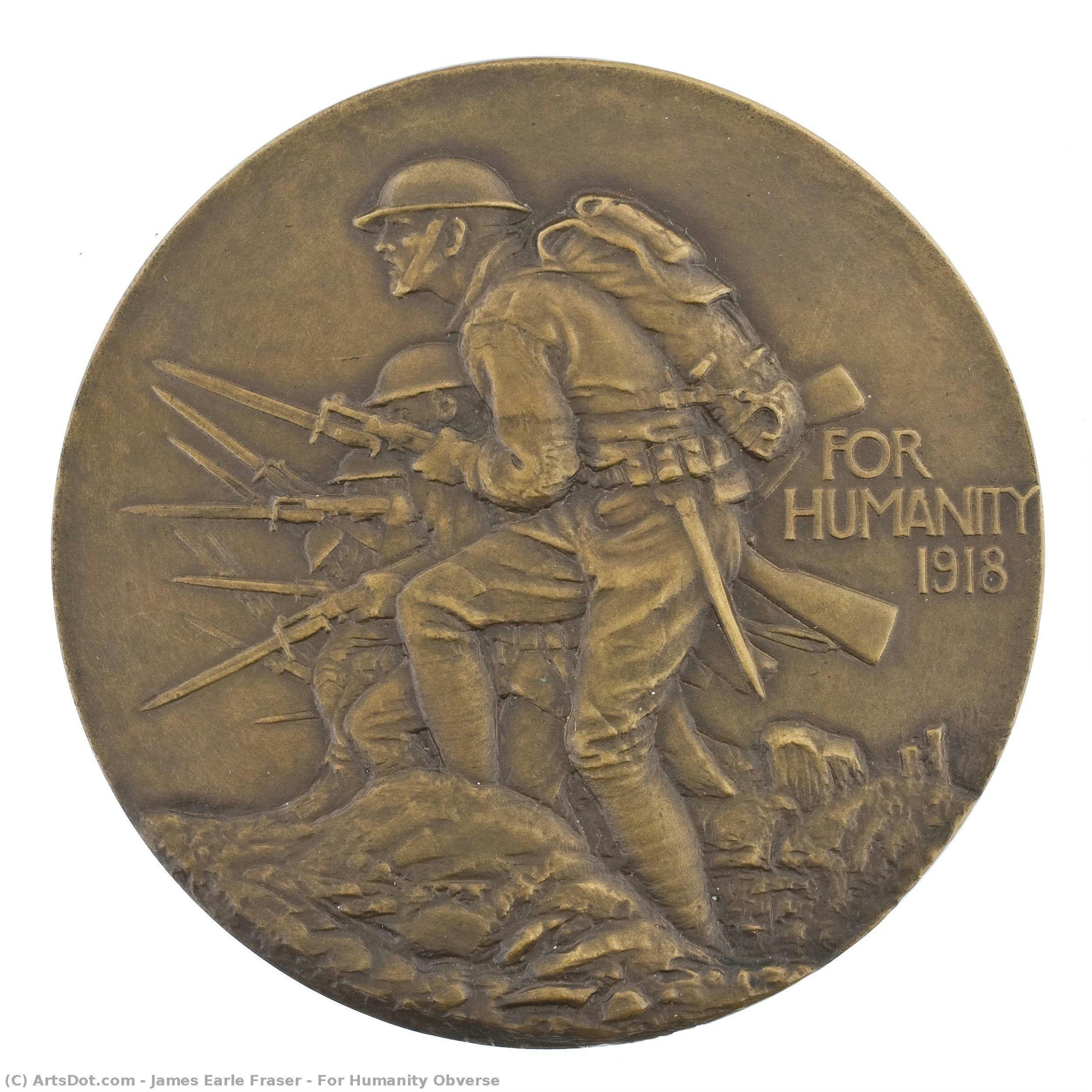
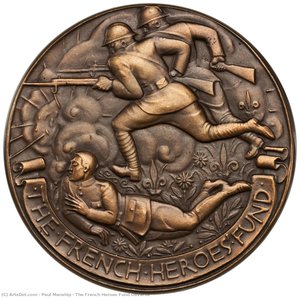
James Earle Fraser's "For Humanity Obverse," a bronze medal commemorating the efforts during World War I, transcends mere commemorative function. It stands as a poignant testament to sacrifice, resilience, and the enduring human spirit in the face of conflict. Crafted by one of America’s most celebrated sculptors, Fraser masterfully captures a pivotal moment – a line of soldiers advancing with resolute determination – within a meticulously detailed bronze surface that speaks volumes about both the era and the artist's profound understanding of form and emotion.
The medal’s design immediately draws the eye to the central figure: a soldier, rendered in profile, carrying his rifle over his shoulder. His posture is one of unwavering commitment, yet there’s an underlying tension, a suggestion of the immense burden he carries. To his left, crossed swords – a potent symbol of battle and conflict – are subtly integrated, reminding us of the brutal realities that fueled this humanitarian effort. Below him, a landscape of rolling hills or mountains provides a grounding element, anchoring the scene in a tangible reality while simultaneously hinting at the vastness of the war’s impact. The weathered patina of the bronze itself contributes significantly to the piece's narrative; it whispers tales of time and exposure, lending an air of authenticity and historical weight.
A Sculptor Forged by the West
James Earle Fraser’s artistic journey was deeply intertwined with the American West. Born in Minnesota and raised amidst frontier life, he developed a unique perspective shaped by his family's history – his father an engineer involved in recovering remains from Little Bighorn, and his mother tracing her lineage back to the Pilgrims. This formative experience instilled within him a profound appreciation for both the rugged beauty of the landscape and the complexities of American identity. Fraser’s early exposure to Native American culture further enriched his artistic sensibilities, informing his approach to depicting human figures with sensitivity and respect.
His training in Paris provided him with invaluable exposure to European artistic traditions, particularly classical sculpture, which he skillfully integrated into his own distinctive style. Fraser's work is characterized by a remarkable realism, achieved through painstaking attention to detail – the folds of the soldier’s uniform, the texture of the landscape, and the subtle nuances of expression on the figure’s face. This commitment to accuracy, combined with an intuitive understanding of human psychology, elevates “For Humanity Obverse” beyond a simple commemorative medal; it becomes a powerful visual narrative.
Symbolism and Historical Context
The inscription "FOR HUMANITY" boldly declares the medal’s purpose – a recognition of those who dedicated themselves to humanitarian efforts during World War I. However, the image itself carries deeper symbolic weight. The advancing soldiers represent not just military strength but also courage, sacrifice, and unwavering resolve. The crossed swords serve as a reminder of the conflict that necessitated these actions, while the landscape symbolizes the world being shaped by war’s consequences.
Created in 1918, during the height of the Great War, “For Humanity Obverse” reflects the nation's collective response to a global crisis. It was commissioned as part of a series of medals recognizing individuals and organizations involved in humanitarian work – efforts ranging from medical care to refugee assistance. The medal’s design embodies the spirit of patriotism and service that defined America’s wartime experience, capturing both the solemnity of loss and the unwavering hope for a better future.
A Legacy in Bronze
James Earle Fraser's "For Humanity Obverse" remains a significant work of American art. Beyond its historical context, it stands as a testament to the artist’s skill, vision, and profound understanding of human nature. The medal’s enduring appeal lies not only in its technical brilliance but also in its ability to evoke powerful emotions – empathy, respect, and a sense of shared humanity. Reproductions of this remarkable bronze piece offer a tangible connection to a pivotal moment in history, allowing us to contemplate the sacrifices made by those who fought for peace and justice.
関連作品
作家の略歴
アメリカの西部を形にした生涯
ジェームズ・アール・フレイザーは、1876年にミネソタ州ウィノナで生まれ、その生涯と作品は、アメリカ西部の精神と不可分に結びついていました。彼の物語は、単なる芸術的才能の開花ではなく、フロンティア体験、家族の遺産、そしてネイティブ・アメリカンの文化への深い敬意という糸が織り込まれた叙事詩のようなものです。フレイザーの父、トーマス・アレクサンダー・フレイザーは、鉄道技師であり、リトルビッグホーンの戦いの残骸回収に重要な役割を果たしました。この出来事は、若いジェームズの想像力に深い影を落としました。母親の血筋がプリマス植民地に遡るという事実は、アメリカの進化するアイデンティティに対する彼の複雑な理解を深めました。家族が4歳の時にミッチェル(サウスダコタ州)に移住したことは、このつながりを確固たるものにしました。彼はフロンティア生活に浸り、ネイティブ・アメリカンの子供たちと友情を育み、彼らの生き方を学びました。これらの経験は、彼の芸術的ビジョンを深く形作りました。幼い頃から才能の萌芽が表れ、自宅近くで見つけた石灰岩のスラブから彫刻を作り始め、後に彼のキャリアを定義する壮大な作品を予感させました。パリからセント=ゴデンスへ:芸術的アイデンティティの形成
フレイザーの正式な芸術的な旅は、1890年にシカゴ美術館で始まりましたが、その後のパリでの研究—名門のエコール・デ・ボザールとアカデミー・ジュリアン—が真に彼のスキルを磨き上げました。この時期に彼は印象派の影響を受け、移ろいゆく瞬間や光と影の微妙なニュアンスを捉えることを学びました。しかし、彼にとって最も重要な転換点は、アメリカ彫刻界の巨匠オーガスタス・セント=ゴデンスとの師事でした。セント=ゴデンスのアシスタントを務めたことは非常に貴重であり、技術的な専門知識だけでなく、記念碑的デザインと象徴的な表現の力を理解する機会を与えました。この修行は、彼に写実主義への献身と形態に対する感受性を植え付けました。それは彼のスタイルを特徴づける重要な要素となりました。彼はヨーロッパでの訓練を受けてアメリカに戻りましたが、西部史や風景に根ざしたユニークなアメリカのテーマを描くことに深くコミットしていました。1906年からはニューヨークのアート・スチューデンツ・リーグで教鞭を取り、後にディレクターとなり、次世代のアーティストたちに彫刻への知識と情熱を惜しみなく分け与えました。彼の協調性は私生活にも及び、同じ彫刻家のローラ・ガーディン・フレイザーとの結婚は、オレゴントレイル記念ハーフダラーを含むいくつかの共同プロジェクトを生み出しました。象徴的な形:『トレイルの終焉』とバッファロー・ニッケル
ジェームズ・アール・フレイザーの芸術的遺産は、特に『トレイルの終焉』とバッファロー・ニッケルの2つの象徴的な作品によって支えられています。『トレイルの終焉』は1894年に構想されましたが、1915年のパナマ太平洋国際博覧会で注目を集めました。それは今もなお、疲弊したネイティブ・アメリカンが馬に乗っている姿を力強く表現しており、彼らの文化と生活様式の衰退の象徴として深く感動を与え続けています。この彫刻の感情的な重みは、その主題だけでなく、フレイザーが疲労と諦めを見事に表現していることにもあります。それは西部開拓の影響と先住民の追放に対する痛烈な批判です。同時に、1913年に導入されたバッファロー・ニッケル(正式にはインディアンヘッド・ニッケル)のデザインは、アメリカの大衆文化における彼の地位を確固たるものにしました。毅然としたネイティブ・アメリカンの肖像と雄大なアメリカバイソンが描かれたコインは、その芸術的価値が高く評価され、今日でも米国で最も愛されている象徴的なコインの一つです。バッファロー・ニッケルは単なる通貨ではなく、数百万の人々にアメリカ西部の本質を捉えたミニチュアの芸術作品でした。石と青銅に刻まれた彫刻遺産
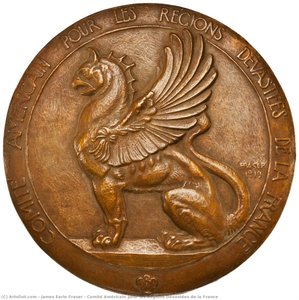
これらの有名な作品を超えて、フレイザーはワシントンD.C.の建築景観にも消えない足跡を残しました。最高裁判所—「法の権威」と「正義の熟考」を表現した彫刻—国立公文書館、財務ビル、ジェファーソン記念碑など、象徴的な建造物への貢献は、彼の複雑なアイデアを記念碑的な形に翻訳する能力を示しています。これらの作品は単なる装飾要素ではありません。それらはこれらの建物の象徴的プログラムの不可欠な構成要素であり、その意味と壮大さを高めています。彼はまた、『人類のための序文』(1918年)や『フランスの荒廃地域のためのアメリカ委員会』(1919年)を含む重要なメダルデザインも制作し、芸術家としての彼の多様性を示しました。彼の彫刻は壮大な公共空間に限定されませんでしたが、人間の感情に対する鋭い観察眼と繊細さを示す胸像や小規模な作品も制作しました。永続する意義:アメリカ西部の声
ジェームズ・アール・フレイザーの遺産は、彼の個々の芸術作品を超えて広がっています。彼はアメリカ西部の精神—勝利と悲劇の両方—を捉え、その歴史と人々の微妙な描写を提供しました。彼の作品はフロンティア生活のロマンチックな表現に対する反論として機能し、西部開拓の結果と複雑さを認識しました。バッファロー・ニッケルは、コインデザインにおける芸術的業績の素晴らしい例であり、国民のアイデンティティを形作る芸術の力を示しています。フレイザーの彫刻は今日でもアーティストや歴史家たちにインスピレーションを与え続けており、アメリカの過去と継続的な文化的対話に対する強力なリマインダーとして機能しています。彼はキャリアを通じて数多くの賞を受賞し、アメリカ・ニューミスマティック協会からのソルトゥス・メダルや国立芸術文芸院からの金メダルなどを受け、彼の世代で最も重要な彫刻家の一人としての地位を確固たるものにしました。彼の作品はワシントンD.C.の多くの象徴的な構造物に不可欠であり、彼の芸術的ビジョンが今後何世代にもわたって共鳴し続けることを保証しています。彼は単に芸術を作り出しただけでなく、ある時代の永続する記憶を彫刻した彫刻家でした。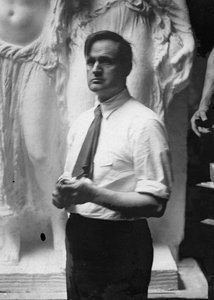
ジェームズ・アーリー・フレイザー
1876 - 1953 , アメリカ合衆国
プロフィール概要
- Artistic Movement Or Style: 写実主義、印象派
- Artists Who Influenced This Artist: ['オーガスタス・セント=ゴデンス']
- Date Of Birth: 1876年11月4日
- Date Of Death: 1953年
- Full Name: ジェームズ・アール・フレイザー
- Nationality: アメリカ人
- Notable Artworks (List Of Titles):
- 「トレイルの終焉」
- バッファロー・ニッケル
- Place Of Birth (City And Country): ウィノナ、アメリカ合衆国