 プレビュー
プレビュー
 プリントを購入
 シェアする
シェアする シェアする
シェアする
 詳細を見る
詳細を見る

 ダウンロード
 似ている作品
 X線調査
X線調査 スライドショー
Le Christ agonissant


 詳細を見る
詳細を見る




P118B $10

P118H $10

P118W $10

P438Z $10

P508JH $12

P508YH $12

P805H $10

P805Z $10

P919BZ $10

P919G $10

P919XJ $10

P959ZH $10

P968JZ $12

W106C $8

W218G $10

W218JH $8

W218Y $10

W307PJ $10

W316G $10

W316PJ $8

W316Y $10

W398PJ $8

W4111J $10

W500HY $15

W500JH $15

W692G $12

W849H $8

W940BG $15

W953PJ $8




作品のオリジナル比率に合わせた、当店の規定サイズからお選びください。

特定のフレームやスペースに合わせて、ご希望のサイズをご入力いただけます。選択されたサイズが元の画像の比率と異なる場合、アートワークをトリミングするか、手描きで要素を追加して絵画を拡張いたします。デジタルモックアップ を制作し、制作開始前にご確認(承認)をいただきます。
画面上のプレビューは、実際のトリミングや拡張を正確に反映しているものではありません。最終的な構図は、モックアップによってのみ正確にご確認いただけます。
カスタムサイズもご利用いただけますが、元の比率を維持するためには、あらかじめ用意されたリストからサイズを選択することをお勧めいたします。
ご注文後、ArtsDot.com チームより詳細な指示をお送りするとともに、仕上がりイメージ(モックアップ)をご提供いたします。


 ガラスオプションは、110cm未満のサイズでのみご利用いただけます。

Le Christ agonissant
複製技法
複製画のサイズ
-


合計金額
$ 263
A Descent into Suffering: James Ensor’s *Le Christ Agonissant*
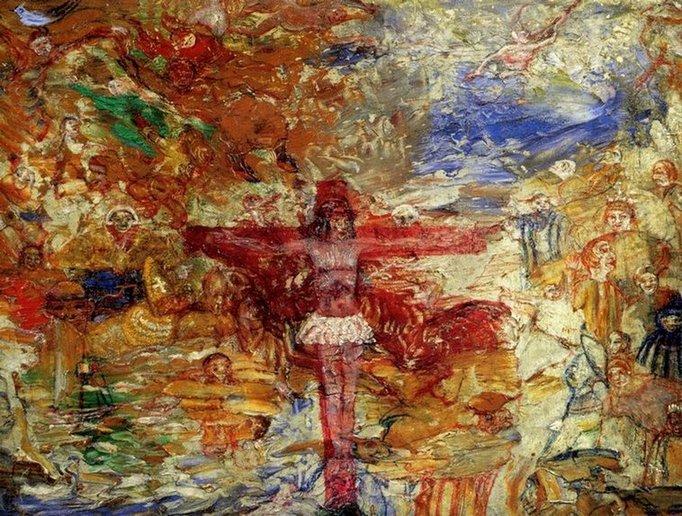
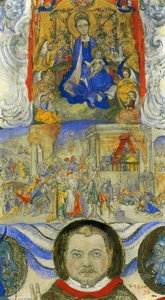
James Ensor's Le Christ Agonissant (The Anguishing Christ) is not merely a depiction of the crucifixion; it is a profound and unsettling plunge into the depths of human suffering, rendered with a visceral intensity that continues to resonate with viewers over a century after its creation. Painted in oil on canvas around 1896, this monumental work exemplifies Ensor’s unique artistic vision – one characterized by a preoccupation with psychological states, masked figures, and a distinctly macabre aesthetic. The painting's scale alone commands attention, immediately drawing the viewer into the heart of the scene, where the agony of Christ is presented not as a pious spectacle but as a raw, almost unbearable experience.
- Subject Matter: The central focus is undeniably the crucifixion of Jesus Christ, yet Ensor’s interpretation diverges sharply from traditional religious iconography. He strips away any sense of serene devotion, presenting instead a scene saturated with anguish and despair.
- Style & Technique: Ensor's style can be categorized as Symbolist, though he deliberately rejected academic conventions. His brushwork is thick and expressive, employing impasto to build texture and convey the physicality of pain. The use of color – predominantly deep reds, blacks, and browns – amplifies the dramatic effect, evoking a sense of blood, darkness, and mortality.
The Shadowed World of Ensor’s Imagination
Born in Ostend, Belgium, in 1860, James Ensor was profoundly shaped by his upbringing amidst a vibrant yet unsettling environment. His father, an English merchant, and his mother, a Belgian artist, provided him with a unique cultural perspective – one that fostered both curiosity and a deep awareness of the darker aspects of human nature. The souvenir shop operated by his parents, filled with carnival masks, shells, and other curiosities, served as a constant source of inspiration, fueling his fascination with disguise, illusion, and the hidden emotions beneath the surface. This influence is strikingly evident in Le Christ Agonissant, where figures are often obscured or distorted, suggesting a world of psychological turmoil rather than literal representation.
Symbolism and Emotional Resonance
The painting’s symbolism is layered and deliberately ambiguous. The surrounding figures – men and women with averted gazes, some weeping, others seemingly indifferent – represent the diverse reactions to suffering that Ensor observed in society. Their masks, subtly incorporated into their faces, reinforce the theme of disguise and the difficulty of truly confronting pain. The overall atmosphere is one of profound isolation and despair, reflecting Ensor’s own anxieties about mortality, illness, and the perceived corruption of modern life. The red hues are not simply representative of blood; they symbolize passion, violence, and the consuming nature of suffering.
Historical Context & Legacy
Le Christ Agonissant was created during a period of significant social and artistic upheaval in Europe. The late 19th century witnessed rapid industrialization, urbanization, and a growing sense of alienation – themes that resonated deeply with Ensor’s work. His painting aligns with the Symbolist movement's rejection of realism and its exploration of subjective experience. Ensor’s unflinching portrayal of suffering established him as a pivotal figure in 20th-century art, influencing generations of artists who sought to challenge conventional representations of religious themes and explore the darker recesses of the human psyche. The painting remains a powerful testament to Ensor's artistic genius and his ability to evoke profound emotional responses through his unsettling yet captivating imagery.
関連作品
アーティストの略歴
James Ensor とは
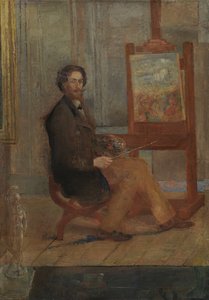
ジェームズ・エンソは、ベルギーの画家であり彫刻家で、表現主義とシュルレアリスムに大きな影響を与えた人物です。彼は芸術グループ「レズヴィンジュ」の一員でした。彼の父親はイギリス人で母親はベルギー人でした。彼は幼少期に特にカルニバル文化に魅せられ、その時期には家族の店の周辺で販売されていたカルニバル用品が豊富な環境に育ちました。彼は美術アカデミーで学びましたが、伝統的な芸術形式に縛られることを嫌い、独自の道を歩む必要性を痛感しました。
初期の作品と表現主義への転換
エンソの初期の絵画はより伝統的なスタイルで描かれ、日常生活を陰鬱な色調で描写していました。例えば、『ロシア音楽』(1881)や『酔い酒場の人々』(1883)などです。これらの作品にもすでに現れる不安感のあるイメージが隠されておりました。彼は絵画における幻視主義や一点透視といった従来の技法を放棄し、独自の芸術的なビジョンを実現するために取り組む必要性を認識しました。彼の初期の作品は、特に表現主義に影響を与えた画家たちからの影響を受けました。
重要な作品とテーマ
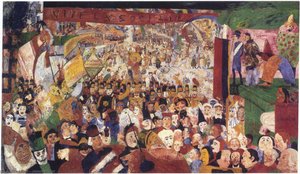
エンソは生涯を通じて多くの作品を生み出し、今日まで人々を驚かせ、魅了し続けています。『ロシア音楽』や『酔い酒場の人々』など初期の作品は、当時の社会規範に対する批判的な視点を持つ表現主義への転換を象徴しています。彼の最も有名な作品である『イエス・キリストのブルジュンの入場』は特に衝撃的で、宗教的な偽善と社会的な無関心に対する風刺です。この絵画は当初は厳しい批判を受けましたが、現在では傑作として高く評価されています。彼はまた、人間の本質を掘り下げようとする試みであり、社会規範に挑戦する勇気を求める芸術家たちへの道を切り開いた人物として歴史に名を残しました。
表現主義とシュルレアリスムへの影響
エンソは特にピエール・ブーデルのエルドャーやフランシスコ・ゴヤ、ウィリアム・ホイストルの芸術から影響を受けました。彼はこれらの影響を独自の芸術的な言語に融合させ、表現主義とシュルレアリスムという新しい芸術運動へと導きました。彼の作品は特にその大胆な筆使いと鮮やかな色彩で特徴づけられ、劇場的な質を備えていました。
まとめ
ジェームズ・エンソは、ベルギーの画家であり彫刻家として、表現主義とシュルレアリスムに大きな影響を与えた人物です。彼は芸術グループ「レズヴィンジュ」の一員でした。彼の父親はイギリス人で母親はベルギー人でした。彼は美術アカデミーで学びましたが、伝統的な芸術形式に縛られることを嫌い、独自の道を歩む必要性を痛感しました。
ジェイムズ・エンソウ
1860 - 1949 , ベルギー
基本情報
- Artistic Movement Or Style: Expressionism, Surrealism
- Artists Who Influenced This Artist:
- Pieter Bruegel the Elder
- Francisco Goya
- Whistler
- Date Of Birth: April 13, 1860
- Date Of Death: November 19, 1949
- Full Name: James Sidney Edouard Ensor
- Nationality: Belgian
- Notable Artworks:
- The Scandalized Masks
- Skeletons Fighting...
- Christ's Entry into Brussels
- Place Of Birth: Ostend, Belgium
関連記事
ジェームズ・マクニール・ホイストラー:至高の25選 - 美と調和を求めた芸術家の軌跡 | ArtsDot
ジェームズ・マクニール・ホイストラーの至高の25選。ノクターン、印象派、美しい色彩に満ちた作品群を紐解きます。ArtsDotで高品質なアートプリントとインテリアをお楽しみください。名画の世界へ – ArtsDot.com

Sir Alfred Munnings' Masterpieces: 25 Paintings That Define Equine Art | ArtsDot
Explore 25 iconic Sir Alfred Munnings paintings! Discover the beauty of British Impressionism, equine art & rural England. Find museum-quality reproductions and elevate your home decor with ArtsDot. Explore the full collection online.
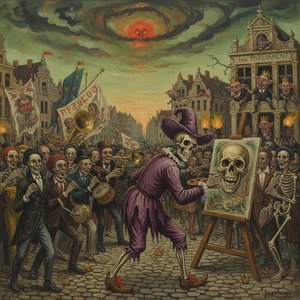
James Ensor's Grotesque Visions: Social Commentary & Artistic Innovation
Explore the unsettling yet captivating world of James Ensor, a pioneer of Expressionism. Discover his satirical masterpieces, symbolic imagery & lasting influence on modern art. High-quality reproductions available at ArtsDot.
Unlocking Emotion: A Beginner's Guide to the Raw Power of Symbolic Expressionism Art
Discover the raw emotion of Symbolic Expressionism. Our expert guide explores how masters like Munch use color and form to convey inner feelings, offering inspiration for collectors looking to bring powerful, soulful art into their modern homes.
Figurative Expressionism: Emotional Intensity & Subjective Reality in 20th-Century Art
Explore the powerful world of Figurative Expressionism with ArtsDot. Discover key artists like Kirchner & Beckmann, understand its emotional depth, and learn how to collect this influential 20th-century art movement.